Eko Sulistyo
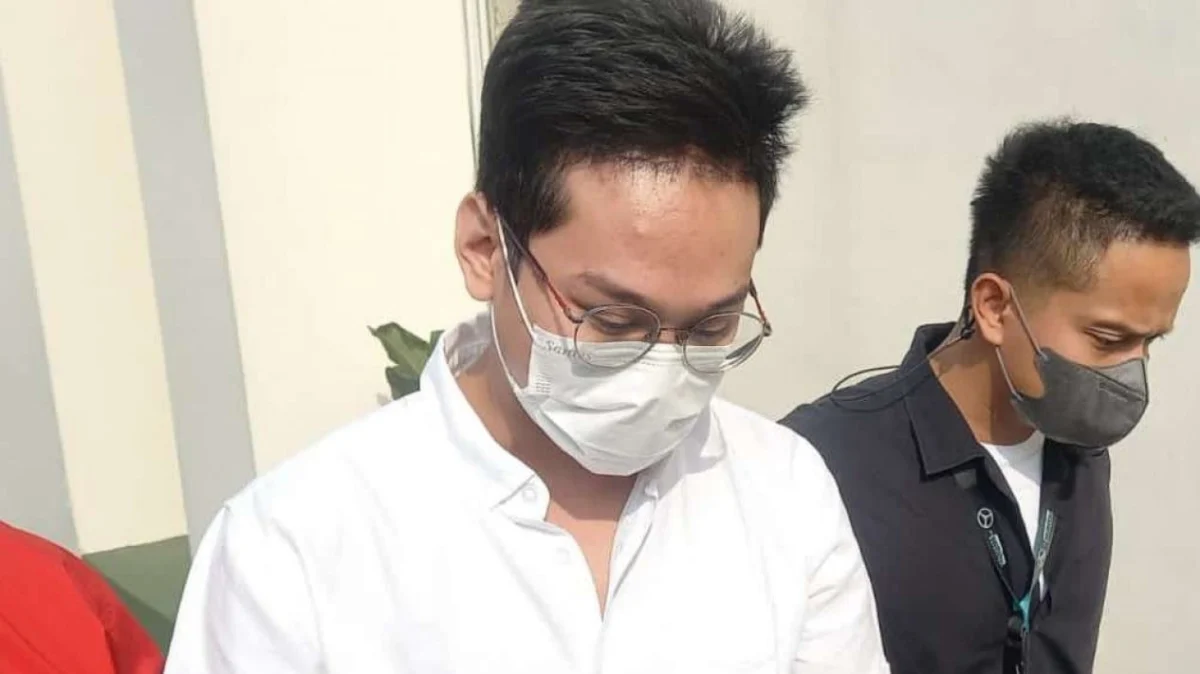
The Indonesian Ministry of Immigration and Correctional Affairs has initiated a rigorous internal cleanup following the emergence of a widespread scandal involving the illicit sale of sentence remissions and the provision of unauthorized luxury facilities for high-profile inmates. The controversy reached a critical juncture with the official revocation of the parole status of Indra Kesuma, widely known as Indra Kenz, who was previously incarcerated for his role in the Binomo fraudulent investment scheme and subsequent money laundering activities. Following the discovery of systemic irregularities at the Class II A Cibinong Correctional Facility, the government has moved to reinstate his full prison sentence, signaling a broader crackdown on corruption within the nation’s penal institutions.
The Re-incarceration of Indra Kenz
The decision to return Indra Kenz to a high-security environment marks a significant shift in how the Ministry of Immigration and Correctional Affairs (Kemenimipas) manages high-profile offenders. Indra Kenz, who was originally sentenced to 10 years in prison in 2022, had been granted parole earlier this year. However, internal investigations triggered by oversight findings from the Ombudsman of the Republic of Indonesia necessitated a reversal of this administrative decision.
On October 8, 2026, authorities from the Regional Office of the Directorate General of Corrections in West Java executed the order to transfer Indra Kenz back into custody. According to Ishadi Maja Prayitno, Head of the Guidance and Service Division at the West Java Regional Office, the transfer was conducted without incident. Indra Kenz was apprehended at his place of residence, where he had been serving his parole, and was subsequently transported to the Class I Tangerang Correctional Facility. By 2:30 PM on that day, he had been processed and formally admitted into the facility’s maximum-security wing to serve the remainder of his original term.
Genesis of the Scandal: The Cibinong Sidak
The catalyst for this intervention was a surprise inspection—locally referred to as a "sidak"—conducted by the Ombudsman of the Republic of Indonesia on September 23, 2026, at the Class II A Cibinong Correctional Facility. The inspection, intended to evaluate standard operational procedures and inmate living conditions, unearthed a series of flagrant violations of the law and prison regulations.
Investigators were startled to discover that several high-profile inmates, including Indra Kenz, had been enjoying access to luxury items that fundamentally undermined the principles of incarceration. The findings included the presence of three shipping containers located within the facility grounds, which were officially registered as state-owned property but had been converted into private, high-end living quarters for inmates. These containers were outfitted with illicit amenities, including high-end electronics and furniture, which had been smuggled into the prison with the apparent complicity of corrupt staff members.

The investigation further revealed that these luxuries were not isolated incidents but part of a broader culture of administrative negligence. Beyond the physical facilities, the inquiry uncovered evidence of improper procurement reporting, unauthorized use of state assets, and, most critically, the systematic sale of sentence remissions.
The Systemic Issue of Remission Fraud
The practice of "selling remissions" refers to the illicit exchange of money for official reductions in a prisoner’s sentence. In the Indonesian legal framework, remissions are granted based on good behavior, participation in rehabilitation programs, and the fulfillment of specific criteria set by the Ministry. When these criteria are bypassed through bribery, the integrity of the judicial system is severely compromised.
Minister of Immigration and Correctional Affairs Agus Andrianto addressed the media on October 15, 2026, confirming that the ministry has taken decisive action against the personnel involved. "We have already taken firm action; several staff members have been sanctioned for their involvement in these illicit activities," Agus stated during a press briefing in Jakarta. While specific names and the exact number of disciplined employees have not been fully disclosed to maintain the integrity of the ongoing investigation, the Minister emphasized that the government maintains a zero-tolerance policy regarding the corruption of prison management systems.
Chronology of Events
- 2022: Indra Kenz is sentenced to 10 years in prison for his involvement in the Binomo investment fraud and money laundering.
- Early 2026: Indra Kenz is granted parole (pembebasan bersyarat) after meeting the requisite administrative criteria under existing regulations.
- September 23, 2026: The Ombudsman of the Republic of Indonesia conducts a surprise inspection at the Class II A Cibinong Correctional Facility, discovering illegal luxury containers and evidence of management malpractice.
- Late September 2026: Irjen Kemenimipas Rudi Setiawan initiates an internal investigation into the findings of the Ombudsman.
- October 2026: The Ministry issues a formal recommendation to revoke the parole of Indra Kenz based on evidence of his involvement in the illicit procurement of luxury facilities.
- October 8, 2026: Authorities execute the revocation of parole; Indra Kenz is moved from his parole residence to the Class I Tangerang Correctional Facility.
- October 15, 2026: Minister Agus Andrianto publicly confirms the disciplinary actions taken against corrupt prison officials and the ongoing efforts to reform the correctional system.
Broader Implications and Reform Challenges
The incident involving Indra Kenz serves as a microcosm of the challenges facing Indonesia’s prison system. The ability of an inmate to secure preferential treatment suggests a breakdown in oversight and a persistent culture of graft that permeates certain levels of the bureaucracy. Experts in legal reform note that the reliance on administrative "sidaks" is a temporary measure, and that systemic reform requires more than just punitive actions against individual offenders.
From a legal standpoint, the return of a paroled inmate to prison due to the discovery of corruption in the facility highlights the need for a more robust digital tracking system for prisoner behavior and privileges. Currently, the Ministry is looking toward digitizing the remission application process to remove the human element that allows for bribery.
Furthermore, the implications for the reputation of the Directorate General of Corrections are significant. By taking public action against a high-profile figure like Indra Kenz, the Ministry is attempting to restore public trust. However, the success of these reforms will be measured by whether the government can prevent future instances of "luxury prison" scandals.

Analysis of Correctional Policy
The policy of using containers for storage and facility expansion is a common administrative practice, but the conversion of these containers into private suites for inmates represents a severe abuse of office. The findings at Cibinong suggest that there was a failure in the chain of command, as the presence of such infrastructure would typically require authorization from senior management.
The internal investigation by Irjen Kemenimipas, led by Rudi Setiawan, has expanded to look into "ketidaktertiban dalam pelaporan barang milik negara" (disorder in the reporting of state-owned property). This indicates that the corruption was not limited to individual bribes but extended to the falsification of official state records to hide the existence and use of the luxury items.
As the Ministry moves forward, the focus is expected to remain on three pillars: the digitalization of administrative processes, the rotation of prison personnel to prevent the formation of entrenched corrupt networks, and the strengthening of internal oversight committees. The case of Indra Kenz will likely be used as a primary case study in the Ministry’s upcoming efforts to modernize the nation’s correctional facilities.
Conclusion
The return of Indra Kenz to a maximum-security prison is more than an administrative correction; it is a declaration of intent by the current administration to tackle the deep-seated issues within the prison system. As the investigation into the sale of remissions and the abuse of facility privileges continues, the Indonesian public and legal observers will be watching closely to see if these measures lead to a lasting transformation of the correctional sector. The Ministry of Immigration and Correctional Affairs now faces the monumental task of ensuring that equality before the law is not just a constitutional promise, but a reality experienced by every individual within the nation’s prison walls.