Chalifah Fatihah
A groundbreaking study originating from Japan has illuminated why cats, often perceived as finicky eaters, frequently leave portions of their meals untouched. The research, published in the journal Physiology & Behavior in 2026, challenges the conventional understanding that a cat’s reluctance to finish its food is solely a matter of physiological satiety. Instead, it points to a sophisticated interplay of olfactory perception and the novelty of food aromas as the primary drivers behind this common feline behavior.
The study, led by researchers Masao Miyazaki and his team, observed the eating habits of 12 domestic cats. Their findings suggest that the more a cat is presented with the same dry food repeatedly, the less it will consume, irrespective of the food’s palatability. This phenomenon is not about a cat feeling physically full but rather about its olfactory senses becoming desensitized or less stimulated by a monotonous scent profile.
The Science of the Unfinished Meal: A Detailed Examination
The Japanese research team meticulously designed experiments to isolate the factors influencing feline appetite. In the initial phase, cats were offered six different types of commercial dry cat food, designated from Type A to Type F, with Type F being generally the most preferred. The experiment involved six feeding cycles within a two-hour period. Crucially, in the first two cycles, cats were given the same food. Subsequently, a different food was introduced in the third cycle, and this pattern of alternating between the same and different foods continued through the sixth cycle.
The results were striking. When the cats were continuously presented with the identical food, their consumption levels consistently declined. This held true even for Type F, their presumably favorite food. In stark contrast, when a different food was introduced in each cycle, the cats’ overall food intake significantly increased. This highlights a clear correlation between scent variety and a cat’s willingness to eat.
A subsequent phase of the experiment further solidified these findings. In this iteration, cats were fed the same food for five consecutive cycles. Upon the introduction of a novel food in the sixth cycle, their appetite surged dramatically. This increase in consumption occurred even if the new food was initially less preferred than the food that had been repeatedly offered in the preceding cycles. The implication is that the sheer novelty of the aroma, rather than its inherent appeal, can reignite a cat’s interest in eating.
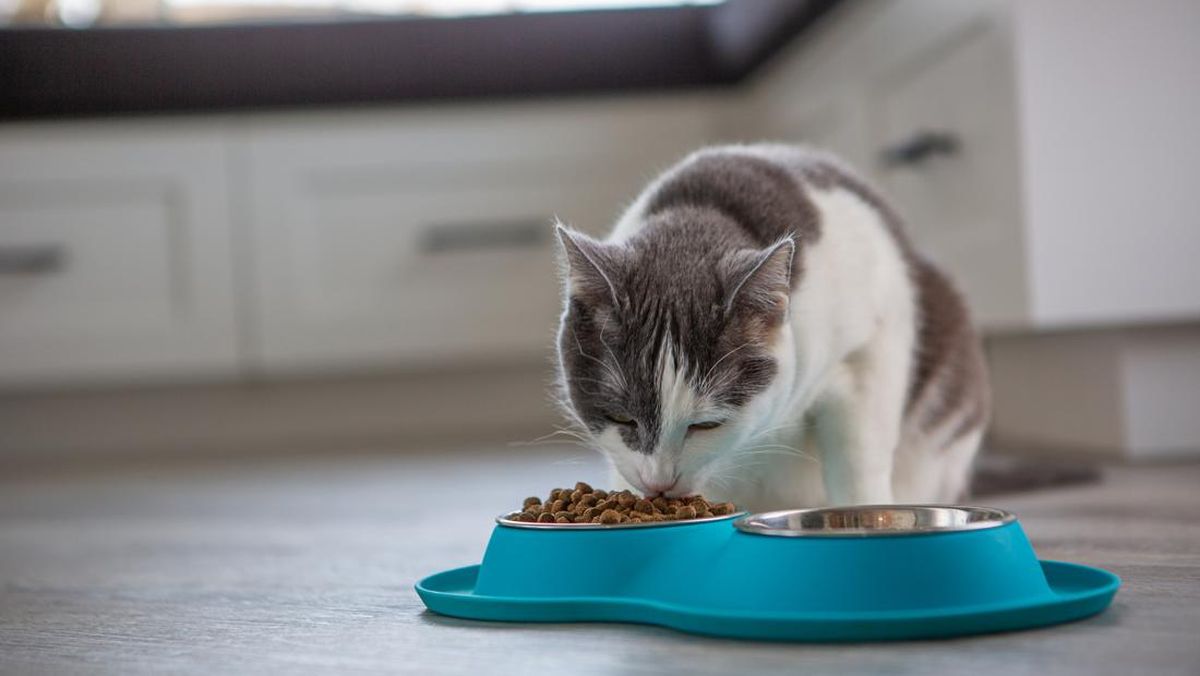
The researchers concluded that continuous exposure to the same food aroma leads to a reduction in a cat’s willingness to eat. Conversely, the introduction of a different scent can act as a powerful stimulant for their appetite. This adaptation and subsequent disinterest triggered by repetitive olfactory cues play a significant role in regulating a cat’s motivation to eat. This scientific insight provides a compelling explanation for why cats often exhibit a pattern of eating small, frequent meals throughout the day, rather than consuming a large portion in one sitting.
Broader Context: Understanding Feline Feeding Behaviors
This research sheds new light on a behavior that has long puzzled cat owners worldwide. Anecdotal evidence abounds of cats demanding food with urgency, only to meticulously pick at their bowls, leaving a substantial portion behind. This often leads to owner frustration and concern about the cat’s nutritional intake. The Japanese study provides a robust scientific framework for understanding this seemingly contradictory behavior.
Historically, much of the understanding surrounding animal feeding patterns has focused on physiological cues such as hunger hormones and stomach distension. While these factors undoubtedly play a role in a cat’s overall nutritional needs, the Japanese research emphasizes the dominant influence of sensory input, particularly olfaction, in the immediate decision-making process of whether or not to eat.
The study’s methodology, involving controlled feeding cycles and the systematic variation of food types, allowed for a direct correlation to be drawn between olfactory stimuli and food consumption. The use of dry food in the experiments is particularly relevant, as dry kibble often relies heavily on its aroma to entice cats. Wet food, with its generally stronger and more varied scents, might elicit different, though likely related, responses.
Implications for Pet Owners: Navigating the Fickle Eater
The findings of this Japanese study offer practical insights for cat owners seeking to ensure their pets receive adequate nutrition and enjoy their meals. Understanding that scent novelty is a key motivator can help owners implement strategies to combat finicky eating habits.
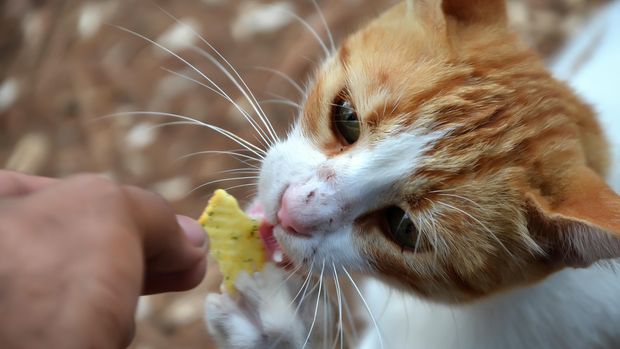
One of the primary recommendations stemming from this research is to avoid feeding the same food day in and day out, especially if it’s a dry kibble. Rotating between different flavors and brands of high-quality cat food can provide the necessary olfactory variety to keep a cat engaged with its meals. This doesn’t necessarily mean frequently switching diets entirely, which can also cause digestive upset, but rather introducing different flavor profiles within a consistent, balanced diet.
As suggested by WebMD and supported by the research, owners can also employ other tactics to enhance a cat’s appetite. Slightly warming the food can release more of its aroma, making it more appealing. Adding small, healthy additions like a bit of canned tuna or chicken (ensure it’s plain and free of onion or garlic, which are toxic to cats), a small amount of plain scrambled egg, or a drizzle of fish oil can also stimulate interest. Broth without seasonings can also be a tempting addition.
For cats accustomed to human food, a gradual transition is key. Mixing small amounts of human food with their regular cat food, and slowly decreasing the human food portion over time, can help them adapt to a diet formulated for their specific nutritional needs. It is crucial to remember that human food, while tempting, may not provide the balanced nutrition cats require and can lead to obesity or nutrient deficiencies.
When to Seek Professional Advice: Beyond Picky Eating
While the research provides a valuable explanation for typical picky eating, it is essential for owners to recognize when a cat’s refusal to eat might signal a more serious health concern. If a cat completely stops eating or shows a significant and persistent decrease in appetite, it warrants immediate veterinary attention. This can be a symptom of various underlying medical issues, including dental problems, gastrointestinal distress, kidney disease, or infections.
Veterinarians can perform a thorough examination to rule out any medical causes. If a health issue is identified, they can recommend appropriate treatment. In cases where no underlying medical condition is found, but the cat’s appetite remains poor, a veterinarian can offer tailored advice on dietary changes, prescription diets, or even appetite-stimulating medications.
The Japanese study, with its focus on the olfactory drivers of feline feeding behavior, provides a significant advancement in our understanding of our feline companions. By recognizing the importance of scent and variety, owners can foster a more positive and effective feeding environment, ensuring their cats remain healthy, happy, and well-nourished. The era of simply assuming a cat is being "stubborn" or "spoiled" is giving way to a more science-based approach to feline nutrition and well-being.