Chalifah Fatihah
Japan, a nation long celebrated for its captivating blend of ancient traditions and ultramodern marvels, has unveiled a new, unexpected facet to its allure: its burgeoning hair salon industry. What was once a routine necessity for locals is rapidly transforming into a significant draw for international tourists, offering a unique cultural immersion and a tangible, transformative souvenir. This phenomenon, marked by a surge in foreign visitors seeking specialized hair treatments, underscores a growing trend of travelers looking beyond conventional sightseeing to engage with the everyday life and artisanal skills of their destinations.
The recent experience of Lily Romero, a 16-year-old American student on a week-long family trip from London, exemplifies this emergent trend. Romero’s delight was palpable as she showcased her newly acquired sleek, straight hair, the result of a four-hour salon session in Tokyo. "This is what I wanted," she expressed, highlighting the limited availability of authentic Japanese hair straightening treatments in her home city. The appeal lies in the meticulous techniques and the sought-after aesthetic – long, flawlessly straight hair – which Romero, like many of her peers, found increasingly desirable. The daily effort required to achieve this look with conventional styling tools prompted her to seize the opportunity presented by her family’s visit to Japan.
This influx of foreign clients is not an isolated incident. A growing number of international travelers are incorporating salon appointments into their Japanese itineraries, effectively elevating hair salons to the status of a tourist attraction. Recognizing this burgeoning demand, many Japanese salons have adapted their services and marketing strategies. This includes adopting multilingual communication, with many establishments actively promoting their offerings in English across social media platforms and providing services in the language to cater to a wider clientele.
Supporting data from a February 2026 survey conducted by Hot Pepper Beauty Academy, a research organization dedicated to the beauty industry, provides a quantitative perspective on this trend. The survey, which polled 1,535 foreign tourists from Western countries, revealed that 17.3% had visited or planned to visit a hair salon during their trip to Japan. Furthermore, an additional 18.5% expressed an intention to do so on future visits. This suggests a significant and sustained interest in the services offered by Japanese hair salons.
The Appeal of Japanese Salon Expertise
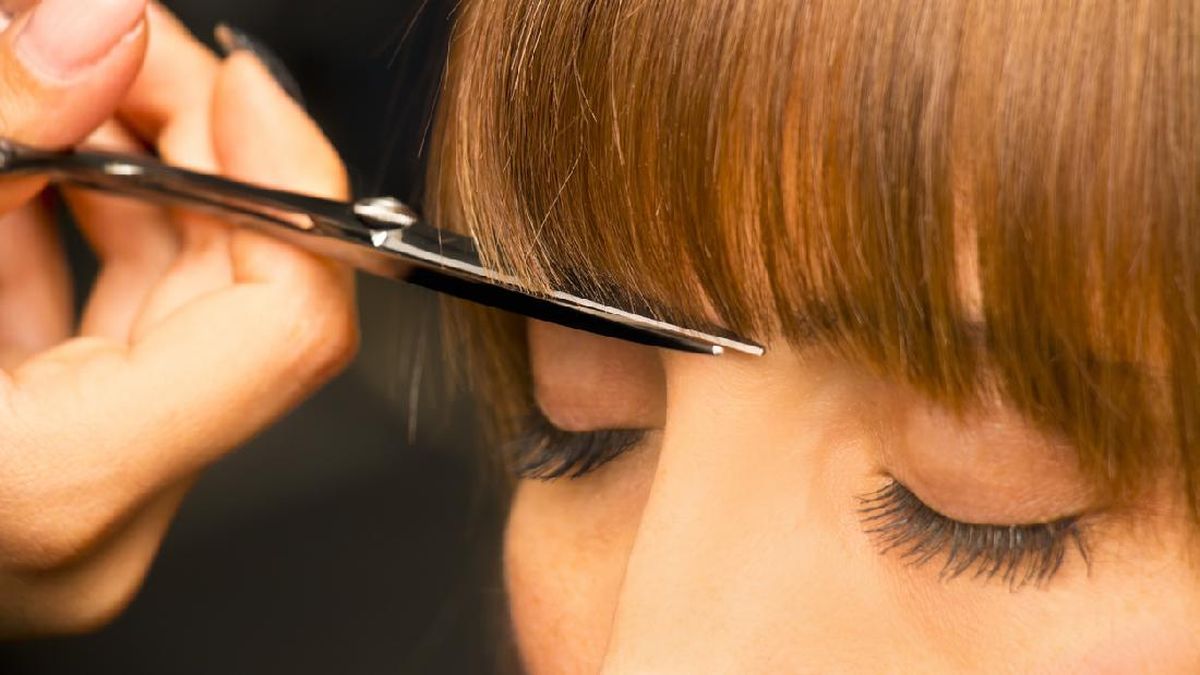
Several key factors contribute to the elevated status of Japanese hair salons among international tourists. The primary drivers identified include the exceptionally high level of skill possessed by Japanese stylists, the commitment to delivering superior service quality, and an unwavering dedication to hygiene and cleanliness. These elements combine to create an experience that is not only aesthetically rewarding but also reassuringly professional and safe.
A Deeper Dive into the Trend: Beyond the Surface
Kimiko Tanaka, a researcher at Hot Pepper Beauty Academy, offers insights into the evolving motivations of modern travelers. According to Tanaka, repeat visitors to Japan are more inclined to venture beyond the typical tourist circuit. They actively seek out experiences that offer a more profound connection with the local culture and lifestyle. "Repeat visitors to Japan tend to move beyond standard tourist attractions and seek more in-depth experiences," Tanaka explained. "Receiving the same service as locals in a beauty salon has itself become a unique local experience for international travelers." This perspective suggests that visiting a hair salon is not merely about achieving a desired hairstyle; it’s about participating in an authentic slice of Japanese daily life, a practice deeply ingrained in the local community.
Chronology of a Growing Phenomenon
While specific historical data pinpointing the exact origin of this trend is scarce, anecdotal evidence suggests a gradual emergence over the past decade. Initially, a few adventurous travelers might have sought out Japanese salons for unique styling or coloring techniques. However, the proliferation of social media platforms and beauty vlogging has played a pivotal role in amplifying awareness of Japanese hairdressing prowess.
- Early 2010s: Growing international interest in Japanese fashion and beauty trends begins to influence perceptions of Japanese hair salons. Early adopters and travel bloggers start sharing positive experiences.
- Mid-2010s: Online booking platforms and salon websites begin to offer English-language options, making it easier for international tourists to plan appointments.
- Late 2010s: A noticeable increase in foreign clientele is reported by salons in popular tourist destinations like Tokyo, Kyoto, and Osaka. Influencers and beauty content creators begin to feature Japanese salon visits more prominently.
- Early 2020s (Pre-Pandemic): The trend solidifies, with salons actively marketing to international tourists. Specialized "hair straightening" and "digital perm" services become particularly sought after.
- Post-Pandemic Resurgence (2022-Present): With the easing of travel restrictions, there’s a significant rebound in international tourism, including a strong return of interest in unique experiences like Japanese salon visits. The Hot Pepper Beauty Academy survey conducted in February 2026 provides concrete data on the scale of this ongoing trend.
The Economic and Cultural Implications
The rise of hair salons as tourist attractions has several implications. Economically, it represents a diversification of Japan’s tourism revenue streams. Beyond traditional souvenirs and experiences, tourists are now contributing to a service-based industry, creating opportunities for stylists and salon owners. This also encourages investment in multilingual staff and advanced training to meet international standards.
Culturally, it fosters a deeper understanding and appreciation of Japanese craftsmanship and attention to detail. The meticulous nature of Japanese hairdressing, often involving lengthy consultations and precise execution, reflects broader cultural values of precision, quality, and customer-centricity. For tourists, this experience can be eye-opening, offering a glimpse into the dedication and artistry that underpins many aspects of Japanese society.
Facing the Future: Challenges and Opportunities
While the trend is overwhelmingly positive, challenges remain. Ensuring consistent service quality across a diverse range of salons and managing language barriers effectively are ongoing considerations. Furthermore, as the popularity grows, there is a risk of commoditization, where the unique charm of these salons might be diluted. However, the inherent dedication to quality and customer satisfaction that characterizes the Japanese beauty industry suggests that these salons will continue to offer authentic and enriching experiences.
The transformation of Japanese hair salons from local service providers to international tourist draws is a testament to the evolving landscape of global travel. It highlights how even the most commonplace aspects of daily life can become compelling attractions when imbued with exceptional skill, quality, and a unique cultural touch. As Japan continues to innovate and attract global attention, its chic salons are poised to remain a significant and stylish addition to its already impressive roster of must-visit destinations.