Chalifah Fatihah
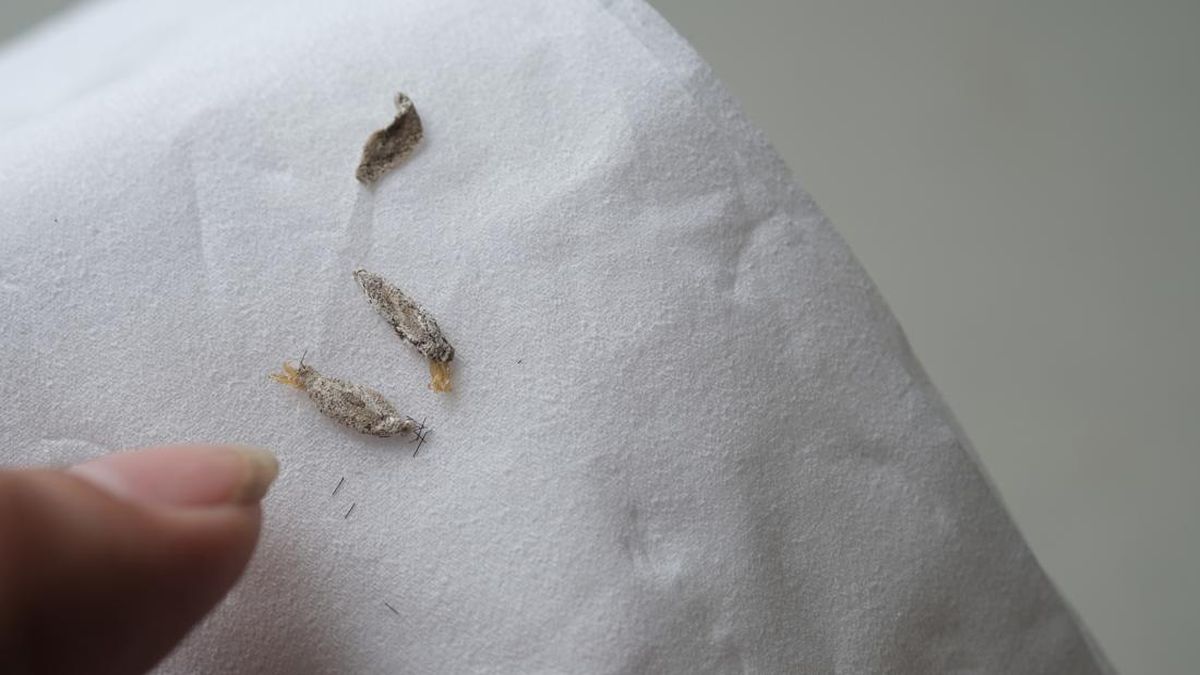
Jakarta, Indonesia – July 22, 2026 – A common household nuisance, often mistaken for dust bunnies or cocoons, is causing widespread discomfort and itching across Indonesian homes. Kamitetep, identified as the larval stage of the bagworm moth, has become a recurring topic of concern, particularly for individuals with sensitive skin. These small, seemingly innocuous insects, typically found clinging to walls, ceilings, and furniture crevices, possess the ability to trigger significant skin irritation.
While many may associate kamitetep with caterpillars or butterfly pupae, their true identity lies in the larval phase of the bagworm moth. These larvae construct protective casings, often referred to as "bags," from readily available materials such as dust, fabric fibers, hair, and even plant debris. This portable home serves as both a shield against predators and a means of transport as the larva navigates its environment in search of sustenance. The bags themselves can resemble small cones or dried leaves, adding to their camouflage.
Understanding the Kamitetep Life Cycle
Biologically classified as larvae of the bagworm moth (family Psychidae), kamitetep undergo a distinct life cycle. It begins with eggs hatching into larvae, which immediately embark on the construction of their protective bags. These structures are not merely passive shelters; they are actively built and maintained by the larva throughout its developmental stages.
During its larval phase, the kamitetep is an opportunistic omnivore, feeding on a variety of organic matter found within homes. This diet commonly includes hair, dead skin cells, fabric fragments, dust particles, and remnants of plant material. Once the larva reaches maturity, it undergoes metamorphosis, transforming into a moth. Male moths emerge from their bags to seek out mates, while females remain within their casings to lay eggs before succumbing to the end of their life cycle.
In natural settings, bagworms are typically found on trees and shrubs. However, their adaptability allows them to thrive in domestic environments when suitable food sources and humid conditions prevail. This adaptability is a key factor in their persistent presence in households.
The Unwelcome Bite: Kamitetep and Human Skin Reactions
The presence of kamitetep in living spaces is not merely an aesthetic concern; it poses a direct threat to human comfort. Dr. Ratna Yuniati, a lecturer in the Department of Biology at the Faculty of Mathematics and Natural Sciences, Universitas Indonesia (UI), confirms that contact with these larvae can indeed elicit adverse skin reactions.
"The tell-tale signs on the skin after contact with kamitetep can manifest as a rash or small red bumps that are intensely itchy," Dr. Yuniati explained, as quoted from the official UI website. For individuals with particularly sensitive skin, these reactions can be more severe, leading to mild irritation, swelling, or even allergic responses. Fortunately, in most cases, these symptoms tend to subside naturally within three to seven days.
However, a cautionary note is advised. Should the itching intensify, blistering occur, or signs of infection such as pus or fever develop, immediate medical attention is recommended to ensure proper diagnosis and treatment. This highlights the importance of not underestimating even seemingly minor insect encounters.
Seasonal Surge: When Kamitetep Proliferate
Observations suggest a distinct seasonal pattern to kamitetep infestations. According to Dr. Yuniati, these larvae tend to be more prevalent during the rainy season and in the initial periods of the wet season. The increased humidity characteristic of these times creates an optimal environment for larval development and survival.
Furthermore, high humidity levels contribute to the accumulation of dust, hair, and other organic debris in the corners and secluded areas of homes. This readily available food supply further fuels the kamitetep population boom. During the rainy season, homes are often kept closed for extended periods, leading to reduced air circulation. This stagnant, humid atmosphere provides an ideal breeding ground for kamitetep.
Conversely, during the dry season, the kamitetep population typically declines. The drier air and higher temperatures are less conducive to larval development, effectively inhibiting their proliferation. This seasonal fluctuation offers a natural period of respite for homeowners.
Strategies for Eradicating Kamitetep from Your Home
Fortunately, the eradication of kamitetep from a household does not necessitate complex or costly pest control measures. The most effective strategy hinges on maintaining a consistently clean home environment, thereby eliminating their primary food sources. A multi-pronged approach encompassing regular cleaning practices is key.
Key Strategies for Kamitetep Control:
- Consistent Cleaning: Regular sweeping and mopping of floors are essential, with particular attention paid to corners, areas beneath furniture, closets, and storage spaces where dust and debris tend to accumulate.
- Vacuuming Carpets: Carpets serve as prime breeding grounds for dust, hair, and dead skin cells. Frequent vacuuming is crucial for removing these materials.
- Enhance Ventilation: Opening windows daily promotes air circulation, reducing indoor humidity levels, which are critical for kamitetep survival.
- Humidity Control: In persistently humid environments, the use of dehumidifiers or fans can significantly lower moisture levels, making the home less hospitable to these pests.
- Targeted Cleaning of High-Humidity Areas: Bathrooms and kitchens, due to their inherent moisture levels, require diligent and regular cleaning to prevent kamitetep proliferation.
- Manage Laundry: Avoid leaving dirty laundry to accumulate for extended periods, as soiled fabrics can provide a food source and shelter for larvae.
- Closet Deodorizers: The use of mothballs or camphor in closets can help deter adult moths, thereby potentially disrupting the egg-laying cycle.
Beyond simply removing visible kamitetep bags from walls, it is imperative to thoroughly clean the surrounding areas. This comprehensive cleaning approach ensures the removal of any unseen eggs or larvae, preventing their future development.
By diligently maintaining household cleanliness and actively managing indoor humidity, the risk of kamitetep infestations can be significantly minimized. However, if these insects continue to appear in large numbers despite consistent cleaning efforts, a more thorough inspection of damp or hard-to-reach areas may be warranted to identify and eliminate their primary breeding sources. Persistent infestations may also necessitate consultation with professional pest control services.
The ongoing battle against kamitetep underscores the importance of diligent home maintenance and an understanding of the environmental factors that influence insect populations. While small, these creatures can cause significant discomfort, and proactive measures are the most effective defense.
[End of Article]