Eko Sulistyo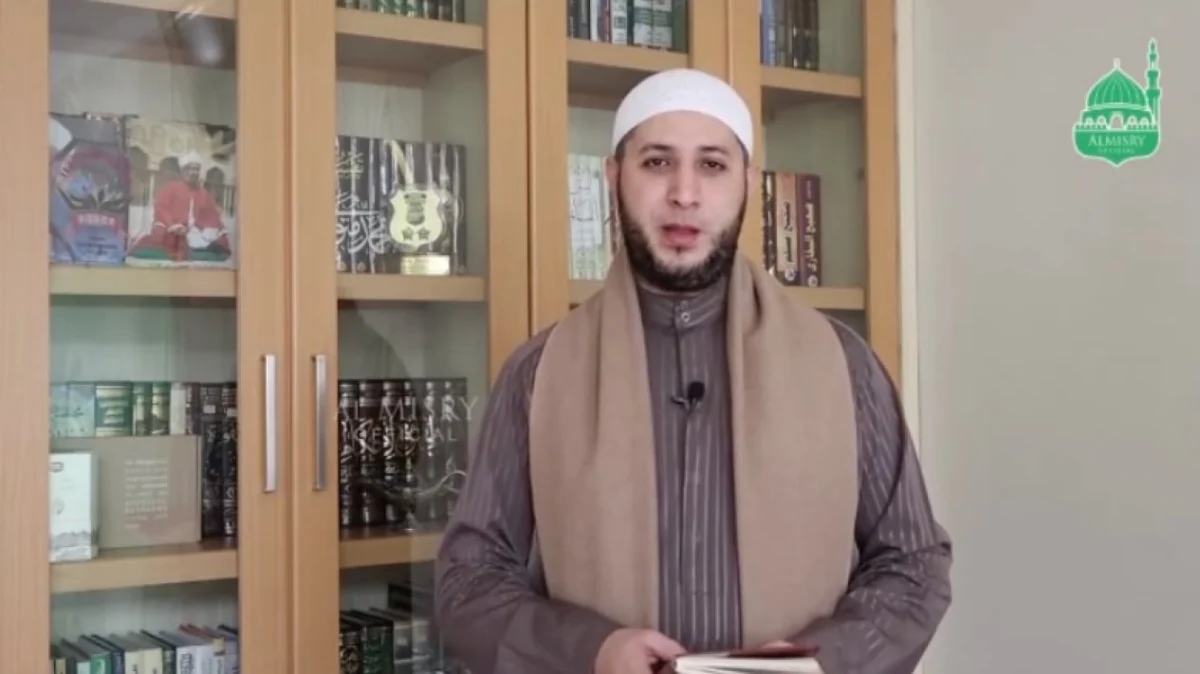
The Indonesian public has recently been shaken by the resurfacing of grave allegations involving Syekh Ahmad Al Misry, a prominent religious figure, regarding claims of sexual misconduct directed at several of his students. While the initial incidents are reported to have occurred nearly a decade ago, new testimonies and a lack of perceived behavioral reform have brought the case back into the national spotlight, prompting a broader discussion on the safety of students within religious educational frameworks. The case, which involves at least five male victims, highlights a complex intersection of spiritual authority, educational ambition, and the vulnerability of youth in traditional boarding school environments.
The Genesis of the Allegations (2017–2021)
The roots of this controversy trace back to 2017, a period during which Syekh Ahmad Al Misry was frequently invited to various Islamic boarding schools (pesantren) across Indonesia. As a scholar of Egyptian descent with a significant following, his presence was highly sought after by institutions looking to provide their students with authentic Arabic linguistic training and advanced Quranic studies. It was during these visits that the Syekh allegedly began establishing close, personal connections with specific students, particularly those who demonstrated exceptional talent in Hifz (Quranic memorization).
For several years, these incidents remained whispered rumors within closed circles. It was not until 2021 that the allegations began to crystallize into a public discourse. During this time, several victims, no longer under the direct influence of the accused, began to share their traumatic experiences with trusted mentors and senior clerics. The courage of these initial whistleblowers was the catalyst for a series of internal investigations conducted by various religious leaders who sought to verify the claims while maintaining the sanctity of the religious community.
The Role of Internal Mediation and Broken Promises
According to statements provided by Ustaz Abi Makki, a respected religious teacher who has been representing the victims, the matter was initially handled through internal mediation. This approach is common in many traditional Indonesian social structures, where "tabayyun" (clarification) and "islah" (reconciliation) are preferred over immediate legal confrontation. In a meeting held in Cipete Utara, Kebayoran Baru, South Jakarta, on April 16, 2026, Ustaz Abi Makki revealed that the Syekh had previously been confronted about his actions by a council of senior teachers.
During these internal proceedings, the accused reportedly admitted to his actions and offered a formal apology. At that juncture, the victims and their representatives agreed to a private resolution on the condition that the behavior would cease immediately and the Syekh would distance himself from the vulnerable populations he had previously targeted. "He apologized and promised not to repeat it. After that, there was no further follow-up for a period," Ustaz Abi Makki stated. However, this period of silence was temporary, as subsequent reports suggested that the pattern of behavior had not been corrected, leading many to believe that the internal mediation had failed to achieve a permanent change in conduct.
Profiling the Victims and the Exploitation of Ambition
The data gathered from various sources indicates that there are at least five confirmed victims, all of whom are male. A significant detail in their profiles is that all five were "hafiz" (memorizers of the Quran), having memorized a minimum of 10 juz. This detail is crucial for understanding the psychological and spiritual leverage used in the alleged misconduct. In the context of Islamic education in Indonesia, a student who has memorized a significant portion of the Quran is held in high regard and is often given special access to visiting scholars.
The modus operandi used by the accused was reportedly rooted in the victims’ aspirations for higher religious education. Indonesia has a long-standing tradition of sending its brightest religious students to the Middle East, particularly to Al-Azhar University in Cairo, Egypt. Leveraging his Egyptian background and connections, Syekh Ahmad Al Misry allegedly offered these students the prospect of scholarships and guided study abroad.
"He would ask, ‘Do you want to study in Egypt?’ Naturally, as a student, the hope of studying in the Middle East is a dream," Ustaz Abi Makki explained. Furthermore, the Syekh reportedly offered the students a "Sanad"—a traditional certificate of transmission that links a student’s recitation of the Quran directly back to the Prophet Muhammad through an unbroken chain of teachers. For a dedicated student of the Quran, obtaining a Sanad from a recognized scholar is the pinnacle of spiritual and academic achievement. By dangling these rewards, the accused allegedly created a power dynamic where the students felt beholden to him, making it difficult for them to resist or report inappropriate advances.
The Resurgence of the Case in 2026
The case regained significant momentum following a high-profile interview conducted by Ustazah Oki Setiana Dewi, a prominent actress and preacher, with one of the victims. This interview provided a platform for the victim to describe the long-term psychological impact of the events and the realization that they were not an isolated incident. The interview served as a public "tipping point," leading many to question why the earlier internal apologies had not resulted in a cessation of the behavior.
Upon reviewing the new testimonies, Oki Setiana Dewi reportedly communicated her findings back to the circle of religious teachers who had handled the 2021 mediation. Her assessment was blunt: "It turns out he has not recovered," she reportedly told Ustaz Abi Makki. This realization shifted the narrative from a past mistake that had been settled to an ongoing pattern of behavior that required a more robust and perhaps legal intervention.
Sociological Analysis of Power Dynamics in Religious Institutions
The allegations against Syekh Ahmad Al Misry bring to light a critical issue within the "Pesantren" system and religious education at large: the vulnerability of students to the "Halo Effect" of religious authority. In many traditional settings, the teacher (Guru or Kyai) is viewed not just as an educator but as a spiritual guide whose words and actions are often beyond reproach. This cultural norm of "Sami’na wa Atho’na" (we hear and we obey) is a cornerstone of discipline but can be weaponized by predators to silence victims.
Furthermore, the specific targeting of male students reflects a growing recognition of male-on-male sexual violence in educational settings—a topic that remains heavily stigmatized and underreported in Indonesia. The victims in this case, being high-achieving religious students, faced the added pressure of maintaining their reputations and the honor of their families, which may explain the years-long delay between the incidents and the public outcry.
Legal Framework and the TPKS Law
While the case was initially handled through internal religious channels, the current legal climate in Indonesia provides more avenues for justice than were available in 2017. The enactment of Law Number 12 of 2022 concerning Crimes of Sexual Violence (UU TPKS) has significantly strengthened the legal protections for victims and increased the obligations of institutions to report and handle such cases.
Under the TPKS Law, the exploitation of a position of authority or a relationship of trust to commit sexual acts is a punishable offense. The law also emphasizes the importance of victim recovery and protection from retaliation. If these allegations move into a formal legal phase, the Syekh could face significant criminal charges, and the institutions that hosted him might face scrutiny regarding their vetting processes and their failure to protect their students.
Broader Implications for the Religious Community
The fallout from this case has sent ripples through the Indonesian Islamic community. There is a growing demand for "Standard Operating Procedures" (SOPs) regarding the interaction between visiting scholars and students. Religious leaders are now calling for greater transparency and the establishment of independent oversight bodies that can handle complaints outside of the immediate hierarchy of a specific school.
The case also serves as a warning about the "cult of personality" that can surround international scholars. While the exchange of knowledge between Indonesia and the Middle East is vital for the country’s religious intellectual life, this incident highlights the need for rigorous background checks and a move away from the unquestioned veneration of individuals based solely on their titles or origins.
Conclusion and Future Outlook
The case of Syekh Ahmad Al Misry is no longer just a series of historical allegations; it has become a litmus test for how Indonesian religious institutions handle internal misconduct and protect the most vulnerable members of their community. As of April 2026, the public and the victims’ representatives are demanding more than just apologies. They are seeking accountability and systemic changes that ensure no student has to trade their safety for the dream of a scholarship or a spiritual Sanad.
The coming months will likely see further developments as more parties come forward and as the legal implications of the continued behavior are explored. For now, the focus remains on the five young men who, despite their deep religious commitment and academic achievements, found themselves victims of a breach of trust that has left a lasting mark on their lives and the reputation of the institutions involved. The resolution of this case will undoubtedly set a precedent for how similar allegations are handled in the future, moving toward a model where religious authority is coupled with strict ethical accountability.