Tyo Susilo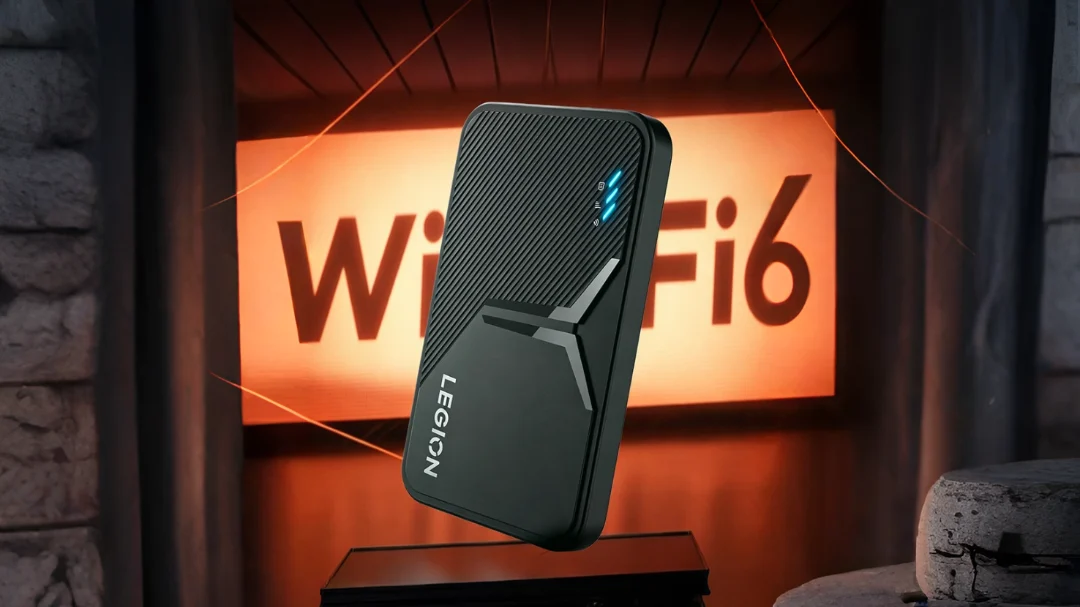
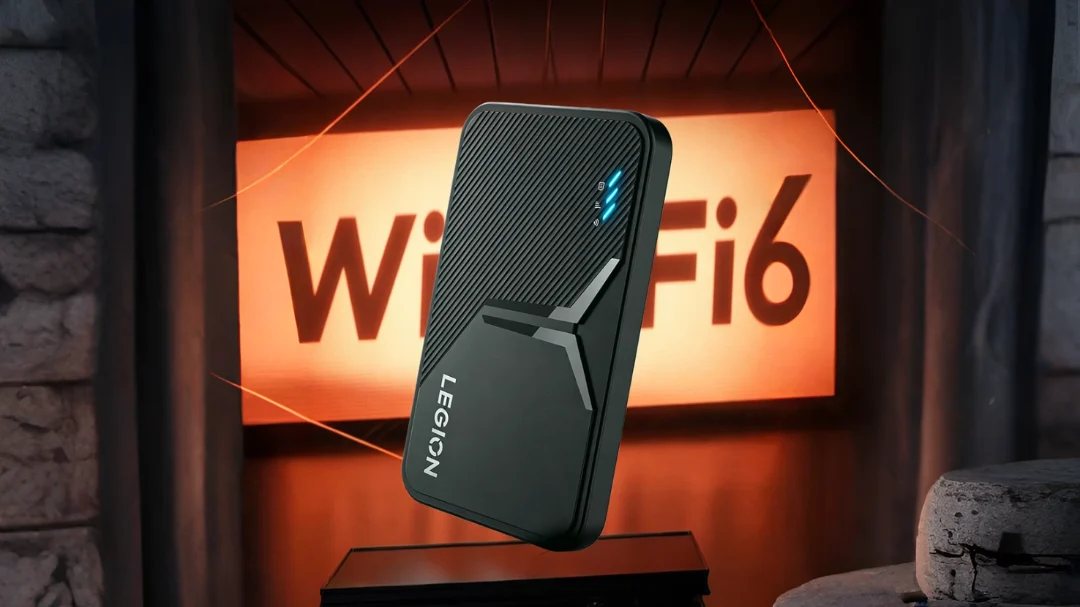
Lenovo has officially entered the portable internet device market in China with the introduction of its new Mi-Fi device, the Legion LM50S. While bearing the "Legion" moniker, typically associated with Lenovo’s high-performance gaming laptops and accessories, this device is strategically positioned not for gamers, but as a versatile and affordable solution for everyday mobile internet needs. The Legion LM50S leverages advanced 4G LTE connectivity, promising download speeds of up to 150Mbps, and crucially, integrates the latest Wi-Fi 6 standard to enhance wireless performance. This move by Lenovo into the portable Wi-Fi sector signifies a broader trend of tech companies diversifying their product portfolios to capture new market segments, particularly those demanding ubiquitous and efficient internet access.
Bridging the Connectivity Gap: The Legion LM50S Explained
The Legion LM50S aims to provide a seamless and reliable internet experience for users on the go. Its core functionality revolves around converting a cellular 4G LTE signal into a Wi-Fi hotspot, allowing multiple devices to connect simultaneously. The inclusion of Wi-Fi 6 (802.11ax) is a significant differentiator, offering substantial improvements over previous Wi-Fi standards. Wi-Fi 6 is engineered to handle a greater number of connected devices more efficiently, reduce latency, and improve overall network performance, especially in congested environments. Lenovo claims the LM50S can support up to 10 devices concurrently, making it suitable for small groups, families, or even small office settings requiring shared internet access.
The strategic decision to brand this device under the "Legion" name, despite its non-gaming focus, might be an attempt to leverage brand recognition and associate the product with reliability and performance, qualities often sought after in gaming hardware. This marketing approach could appeal to consumers who trust the Legion brand for its quality engineering.
Under the Hood: Performance and Efficiency
At the heart of the Legion LM50S lies a 28nm chipset manufactured by ZTE, a company with a strong presence in telecommunications infrastructure. This chipset is specifically designed for power efficiency, a critical factor for portable devices that rely on battery power. The chipset is also engineered to maintain a stable internet connection, even under demanding usage scenarios.
Beyond raw speed, Lenovo has incorporated signal penetration technology into the LM50S. This feature is designed to improve the device’s ability to broadcast a Wi-Fi signal through physical obstacles like walls, thereby extending the coverage area and reducing dead spots within a given space. This enhancement is particularly valuable for users who may be working or traveling in environments with complex layouts or signal interference.
Smart Connectivity for the Chinese Market
For the Chinese domestic market, the Legion LM50S offers an intelligent network switching capability. This feature automatically selects the optimal signal from the three major Chinese mobile network operators: China Mobile, China Unicom, and China Telecom. By dynamically choosing the strongest available network based on the user’s location, the device ensures a consistent and high-quality internet connection without requiring manual configuration. This automatic network selection is a significant convenience factor, eliminating the need for users to worry about which SIM card or network offers the best performance in a particular area. This localized feature highlights Lenovo’s understanding of the specific needs and infrastructure of the Chinese market.
Design and Battery Life: Portability Meets Endurance
In terms of physical design, the Legion LM50S prioritizes portability. It boasts a compact form factor, measuring 110.5 x 68 x 10.5 mm, and weighs approximately 90 grams. This makes it incredibly easy to slip into a pocket, purse, or backpack without adding significant bulk.
Powering the device is a 3,000mAh battery, which Lenovo claims can provide up to 12 hours of normal usage on a single charge. This extended battery life is crucial for a portable internet device, allowing users to stay connected throughout a typical workday or travel period without constant worry about recharging. The combination of a compact design and long-lasting battery makes the LM50S a practical companion for mobile professionals, students, and frequent travelers.
Pricing and Availability: An Aggressive Entry Point
Lenovo has positioned the Legion LM50S with a highly competitive price point in the Chinese market. It is being offered at just 59 Chinese Yuan, which converts to approximately $8 USD or around Rp150,000 Indonesian Rupiah. This aggressive pricing strategy suggests Lenovo’s intention to gain significant market share rapidly in China. Such affordability makes the advanced features, including Wi-Fi 6 and automatic network switching, accessible to a much wider consumer base.
However, it is important to note that this attractive price is specific to the Chinese market. At the time of its launch, there has been no official announcement regarding the Legion LM50S’s availability in global markets. The company’s future expansion plans for this particular device remain unconfirmed, leaving international consumers to wait and see if this compelling portable Wi-Fi solution will eventually make its way to their regions. The success of the LM50S in China could, however, influence Lenovo’s decision to pursue a broader international rollout.
Broader Implications and Market Context
The introduction of the Legion LM50S by Lenovo into the portable Wi-Fi market is noteworthy for several reasons. Firstly, it signifies Lenovo’s strategic intent to diversify beyond its traditional PC and gaming hardware segments. By entering the competitive Mi-Fi space, Lenovo is tapping into the growing demand for reliable and flexible internet connectivity solutions, especially in emerging markets where fixed broadband infrastructure may be less developed or inconsistent.
The emphasis on Wi-Fi 6 is particularly telling. As the adoption of Wi-Fi 6-enabled devices, such as smartphones, tablets, and laptops, continues to rise, the demand for Wi-Fi 6-compatible hotspots will also increase. Devices like the LM50S are well-positioned to capitalize on this trend, offering users a superior wireless experience that complements their newer gadgets. This move by Lenovo aligns with the broader technological shift towards faster, more efficient, and more capable wireless networking.
Furthermore, the device’s affordability in China could set a new benchmark for similar products. If Lenovo can maintain this price-to-performance ratio in other markets, it could disrupt existing players and make advanced portable internet solutions more accessible to a wider demographic.
The inclusion of automatic network switching for the Chinese market also underscores the importance of localized solutions in the global technology landscape. Understanding and catering to the specific nuances of different regional telecommunications ecosystems is crucial for success.
Potential for Global Expansion
While current information focuses solely on the Chinese launch, the global market for portable Wi-Fi devices remains robust. With the increasing prevalence of remote work, online education, and digital nomadism, the need for reliable internet access on the go has never been greater. Devices that offer a balance of performance, portability, battery life, and affordability are likely to find a receptive audience worldwide.
If Lenovo decides to bring the Legion LM50S to international markets, it will need to navigate different regulatory requirements, operator partnerships, and consumer preferences. However, given Lenovo’s established global presence and its experience in launching diverse product lines, a successful international rollout is certainly within the realm of possibility. The company’s ability to offer competitive pricing and advanced features like Wi-Fi 6 could give it a strong advantage in markets where consumers are seeking cost-effective yet high-performance connectivity solutions.
The decision of whether to expand globally will likely depend on the sales performance and market reception of the Legion LM50S in China. Early indicators suggest that the device offers a compelling package for its target market, and if that translates into strong sales figures, it could pave the way for a wider release. The technology powering the LM50S is not region-specific, making it technically feasible to adapt for other markets.
Looking Ahead: The Future of Portable Connectivity
The launch of the Legion LM50S is a subtle yet significant move by Lenovo. It demonstrates the company’s agility in identifying and addressing evolving consumer needs. As the digital landscape continues to shift, with an ever-increasing reliance on constant connectivity, portable Wi-Fi devices will play an increasingly vital role. Lenovo’s entry into this segment, with a product that boasts advanced technology at an accessible price point, positions them as a contender to watch in the global mobile internet hardware market. The coming months will be crucial in determining the long-term trajectory of the Legion LM50S and Lenovo’s ambitions in this burgeoning sector. The integration of cutting-edge features like Wi-Fi 6 into affordable portable devices signals a democratization of advanced wireless technology, a trend that benefits consumers worldwide by making faster and more reliable internet access more attainable.