Chalifah Fatihah
Two men implicated in the audacious theft of crown jewels valued at approximately €88 million (around $1.8 trillion Indonesian Rupiah) from the Louvre Museum in Paris last October have reportedly revealed a surprising detail to investigators: the mastermind behind the operation was allegedly dissatisfied with the haul, believing more could have been taken. This revelation comes from an examination of interrogation transcripts obtained by French newspaper Le Monde, shedding further light on the meticulously planned, yet seemingly imperfect, heist that captivated global attention and even led to the resignation of the Louvre’s director.
The two suspects, identified as Abdoulaye N and Ghelamallah A, confessed to breaching the museum’s prestigious Apollo Gallery under the direction of a client whose identity they have so far kept secret, citing fears for their families’ safety. Their confessed objective was to pilfer eight pieces of exquisite jewelry, including tiaras, brooches, necklaces, and earrings. However, their escape was reportedly marred when a crown once worn by Empress Eugénie, the wife of Emperor Napoleon III, slipped from their grasp and sustained damage.
"Yes, it was me. The crown fell from my bag," Abdoulaye N reportedly stated when presented with a photograph of the damaged artifact by investigators. He further divulged that the stolen items were handed over to the alleged orchestrator of the robbery, who expressed discontent. "He wasn’t happy. He thought we should have been able to take more," Abdoulaye N was quoted as saying.
The Unfolding of the Heist: A Timeline of Events
The intricate planning and execution of the Louvre heist, while not fully detailed by the suspects, offers a glimpse into the operational methods of high-stakes art and jewel thieves.
- Recruitment and Briefing: According to Abdoulaye N, he and Ghelamallah A were recruited a mere two to three days prior to the operation. Their preparation involved being shown a video recorded from within the gallery itself, a tactic designed to familiarize them with the layout and the precise location of the Napoleon-era jewelry display cases.
- Clear Directives: The instructions provided were reportedly explicit: "Break the glass and take the jewelry inside the display case." This suggests a focused objective, aimed at rapid acquisition of specific targets.
- Financial Motivation: Abdoulaye N admitted to accepting the assignment due to severe financial difficulties, with a promised payment ranging from €15,000 to €20,000 (approximately $300-400 million Indonesian Rupiah). He also alluded to the possibility of a larger reward contingent on the high value of the stolen goods.
- Awareness of the Target: Abdoulaye N claimed to have known from the outset that the Louvre Museum was their target. "I knew I was going to rob the Louvre Museum," he reportedly confessed.
- Deception of Accomplice: In contrast, Ghelamallah A asserted a lack of knowledge regarding the true destination. He stated that he was led to believe the location was merely a jewelry workshop in Paris, not the world-renowned museum. "I would never have come there if I had known," he is quoted as saying.
- Time Constraint and Escape: Both suspects acknowledged the extreme time limitations they faced. "We had to take as much jewelry as possible. If it took more than three minutes, we knew we had to leave, otherwise we would be caught. I think the time we spent was already too long," Ghelamallah A reportedly commented, indicating a strategic understanding of the need for speed to avoid detection.
The Stolen Treasures and Their Significance
The stolen items represent not only immense monetary value but also significant historical and cultural heritage. The collection included eight pieces of exceptional craftsmanship and provenance. The most notable among them, and the one that suffered damage, was a crown that belonged to Empress Eugénie. This particular piece is of immense historical importance, having been worn by a prominent figure during a pivotal era in French history. The loss or damage of such artifacts sends ripples through the art and history communities, highlighting the vulnerability of even the most secure institutions.
The estimated value of €88 million underscores the sophistication and daring of the perpetrators. This figure places the Louvre heist among the most significant jewel thefts in recent history, rivaling other high-profile cases involving precious gems and historical artifacts.
Ongoing Investigation and Suspects’ Fears
Despite the interrogations and confessions, the current whereabouts of the stolen jewels remain unknown. Both Abdoulaye N and Ghelamallah A have steadfastly refused to divulge the identities of the mastermind or any other alleged accomplices, citing a genuine fear of reprisal.
"They are not people to be taken lightly," Ghelamallah A reportedly warned. Abdoulaye N echoed this sentiment, stating, "I wasn’t threatened, but I received a call from outside while I was detained. They told me to stay silent." These statements suggest a level of intimidation or a deeply ingrained culture of silence among those involved, posing significant challenges for law enforcement.
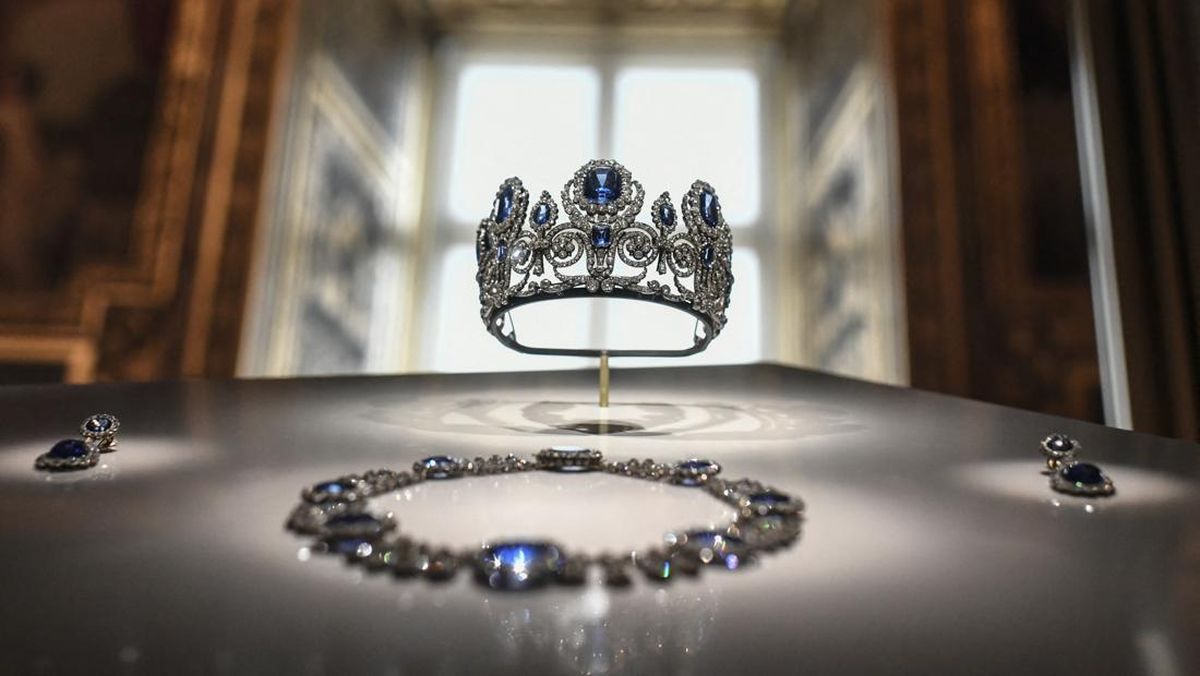
Le Monde, however, has indicated that investigators have yet to definitively confirm whether the suspects were indeed acting under the orders of a third party, and the investigation is ongoing. This leaves open the possibility that the suspects may be withholding further information or that the narrative they present is designed to obscure other aspects of their involvement.
Broader Implications and Institutional Response
The Louvre Museum, as one of the world’s most visited and iconic cultural institutions, faces intense scrutiny following this breach. The incident not only raises questions about security protocols but also about the potential for insider knowledge or the exploitation of vulnerabilities within the museum’s vast infrastructure. The fact that the heist led to the resignation of the Louvre’s director underscores the severity of the incident and the pressure placed upon the institution to account for the security lapse.
This event also reignites discussions about the global trade in stolen art and artifacts. The clandestine networks that facilitate such transactions often operate with a high degree of organization and sophistication, making it challenging for authorities to track and recover stolen items. The fear of retribution expressed by the suspects highlights the pervasive influence of these criminal organizations.
The analysis of the suspects’ statements suggests a complex web of motivations and relationships. The dissatisfaction of the alleged mastermind with the quantity of stolen goods, despite the substantial value, points to a potentially larger objective or a higher threshold for what constitutes a successful operation. It raises questions about whether this was a targeted theft for specific collectors or part of a broader scheme.
The disparity in the suspects’ knowledge of the target – one claiming prior awareness and the other feigning ignorance – could be a strategic attempt to mitigate their own culpability or a genuine reflection of the compartmentalized nature of the operation. Investigators will undoubtedly be dissecting these claims for inconsistencies and potential leads.
The Global Context of Art and Jewel Theft
The Louvre heist is not an isolated incident but part of a larger global phenomenon of art and jewel theft. These crimes often involve organized international criminal networks that exploit the high value and portability of precious objects. The motivations can range from financial gain to satisfying the demands of wealthy, unscrupulous collectors.
Institutions like the Louvre, while investing heavily in security, are constantly under threat from evolving criminal tactics. The sophistication of the planning involved in the Louvre heist, including the alleged use of internal surveillance footage for reconnaissance, indicates a significant level of preparation and expertise.
The impact of such thefts extends beyond financial losses. It involves the potential loss of irreplaceable cultural heritage, diminishing our collective understanding of history and artistic achievement. The recovery of stolen items is often a lengthy and complex process, requiring international cooperation and intelligence sharing.
The ongoing investigation into the Louvre jewel heist will likely continue to unravel further details about the individuals involved, their methods, and the network that orchestrated this daring crime. The revelations about the mastermind’s alleged dissatisfaction serve as a stark reminder of the insatiable nature of greed and the lengths to which some will go to achieve their objectives, regardless of the cultural or historical significance of the treasures they target. The world watches with bated breath as authorities work to bring those responsible to justice and, hopefully, recover the priceless artifacts that were so brazenly stolen from one of the world’s most cherished museums.