Lusiana Hamidun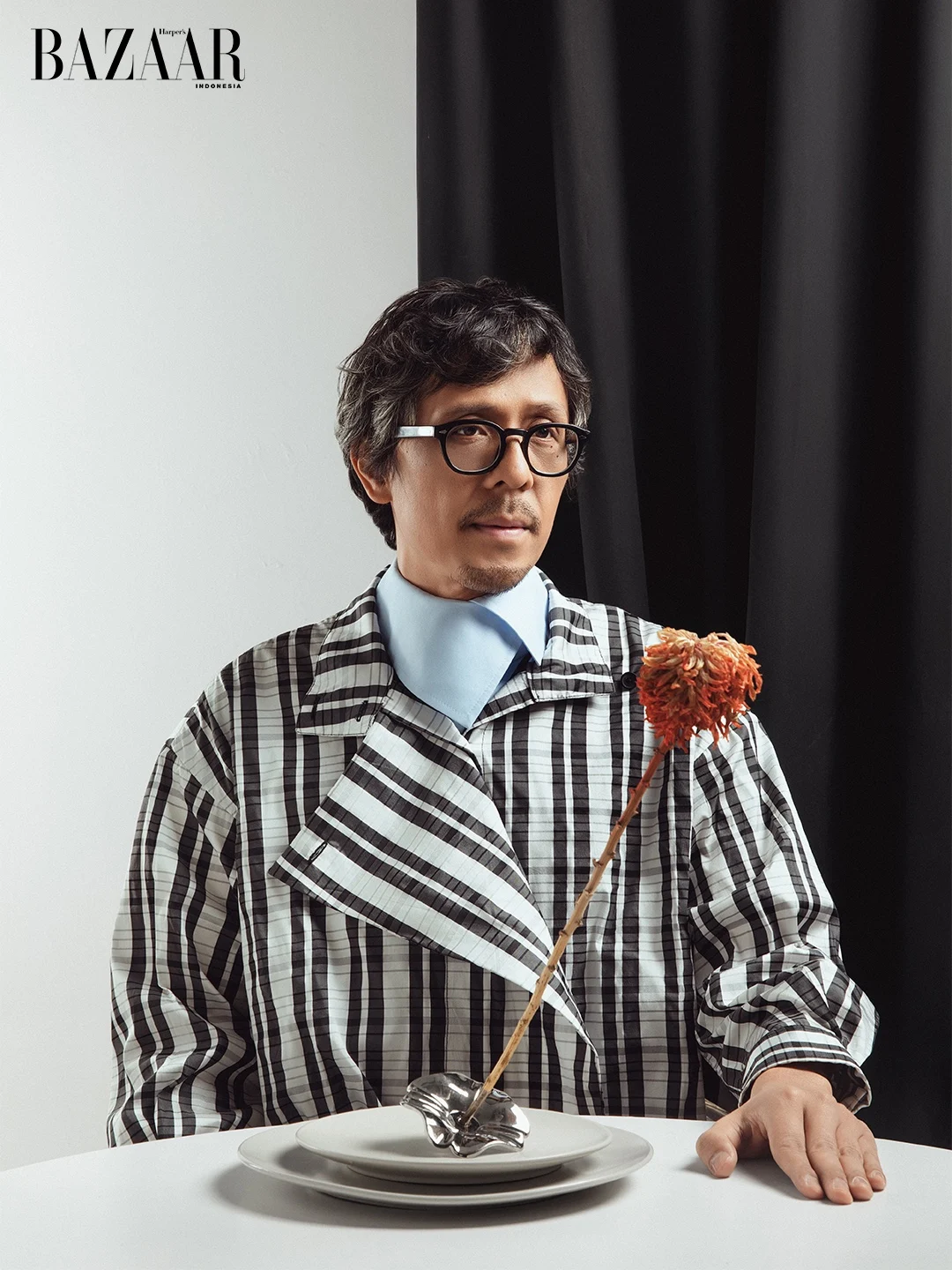
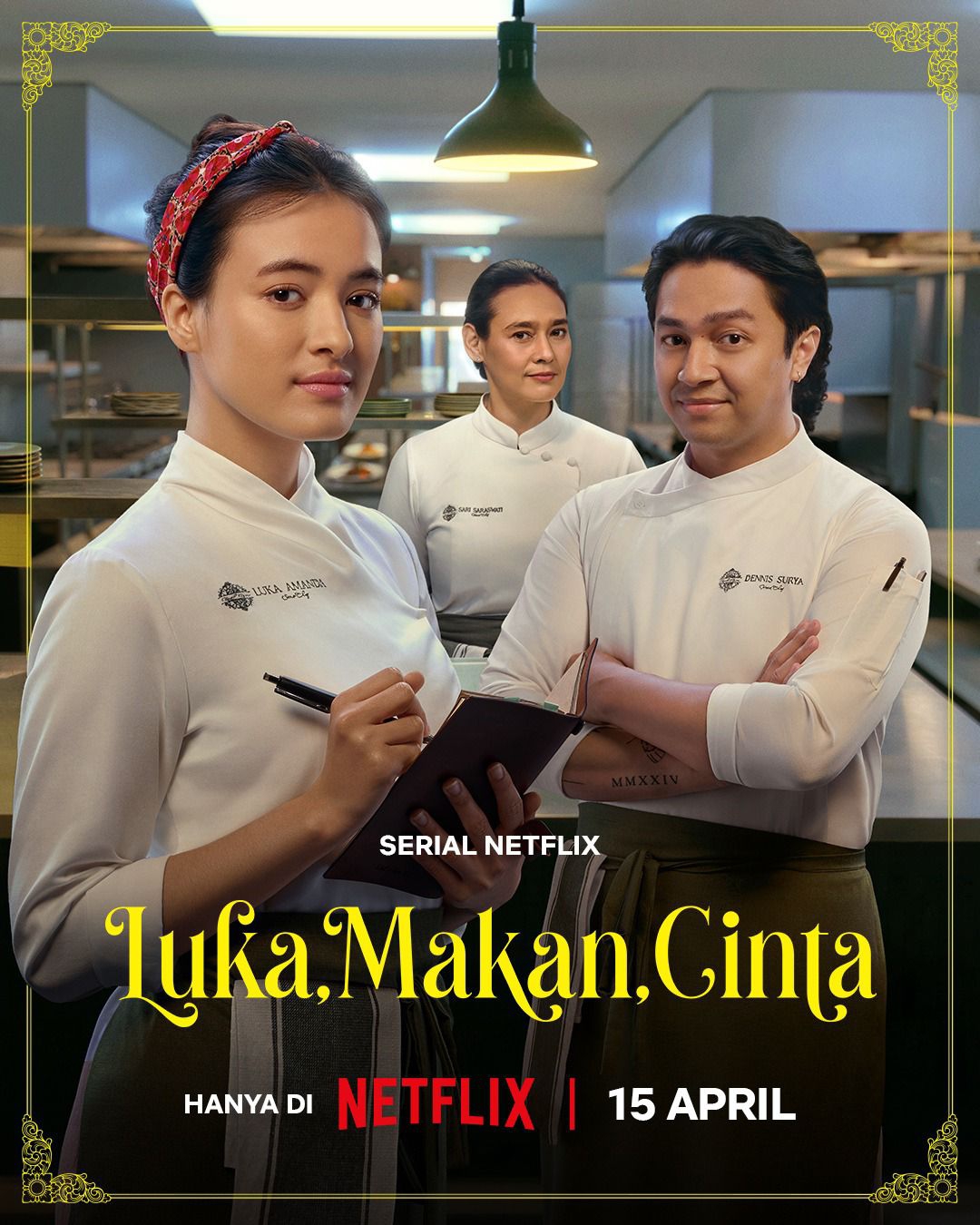
In the ever-evolving landscape of Indonesian cinema, Teddy Soeria Atmadja emerges with a directorial approach characterized by its quiet intensity and layered depth, prioritizing emotional authenticity over sensationalism. His latest project for Netflix, Luka, Makan, Cinta (translated as "Wound, Eat, Love"), transcends mere visual artistry, weaving a narrative that delves into the intricate, fragile, and often unspoken emotional undercurrents of human relationships. This series, which premiered on the global streaming platform, represents a significant milestone for Soeria Atmadja and offers a compelling case study in nuanced storytelling within the digital age.
Soeria Atmadja’s path to the director’s chair was not forged through formal academic training in filmmaking. Instead, it was cultivated through a lifelong immersion in cinema and a profound early fascination with storytelling. Growing up in the 1990s, a decade marked by the burgeoning global influence of film and the increasing accessibility of diverse cinematic narratives, he discovered movies as a boundless arena for emotional exploration. While he did pursue studies in human behavior, it is this academic discipline that paradoxically honed his narrative sensitivity today, enabling him to keenly read subtle gestures, interpret pregnant silences, and capture the delicate tensions that define human interactions. This background provides a unique lens through which he approaches character development and relational dynamics, grounding his fictional worlds in a recognizable psychological reality.
The genesis of Luka, Makan, Cinta was not driven by an obsession with the culinary world, as its title might suggest. Rather, the story’s bedrock lies in the complex and often fraught relationship between a mother and her child—a dynamic that Soeria Atmadja identifies as the closest to his personal experiences. The kitchen and the act of cooking thus become a visual universe that enriches the narrative, rather than dominating it. Each meticulously plated dish, each wisp of steam rising from a pot, serves as a metaphor for unspoken feelings that struggle to find verbal expression. The result is a viewing experience that not only tantalizes the senses but also resonates on a deeper emotional plane, inviting introspection from the audience.
Thematic Core: Human Connection and Unspoken Narratives
"Human connection has always been the core," Soeria Atmadja stated, emphasizing his directorial philosophy. Within each frame of Luka, Makan, Cinta, the interplay of space, light, and silence functions as a secondary language, conveying emotional states and relational nuances. The series evokes a sense of familiar warmth, yet simultaneously portrays the palpable distance that can exist between individuals. Love is present, but it is rarely presented as simple or uncomplicated. This inherent contrast imbues the narrative with a vibrant, lived-in quality, eschewing simplistic black-and-white portrayals for a rich tapestry of human emotion and experience.
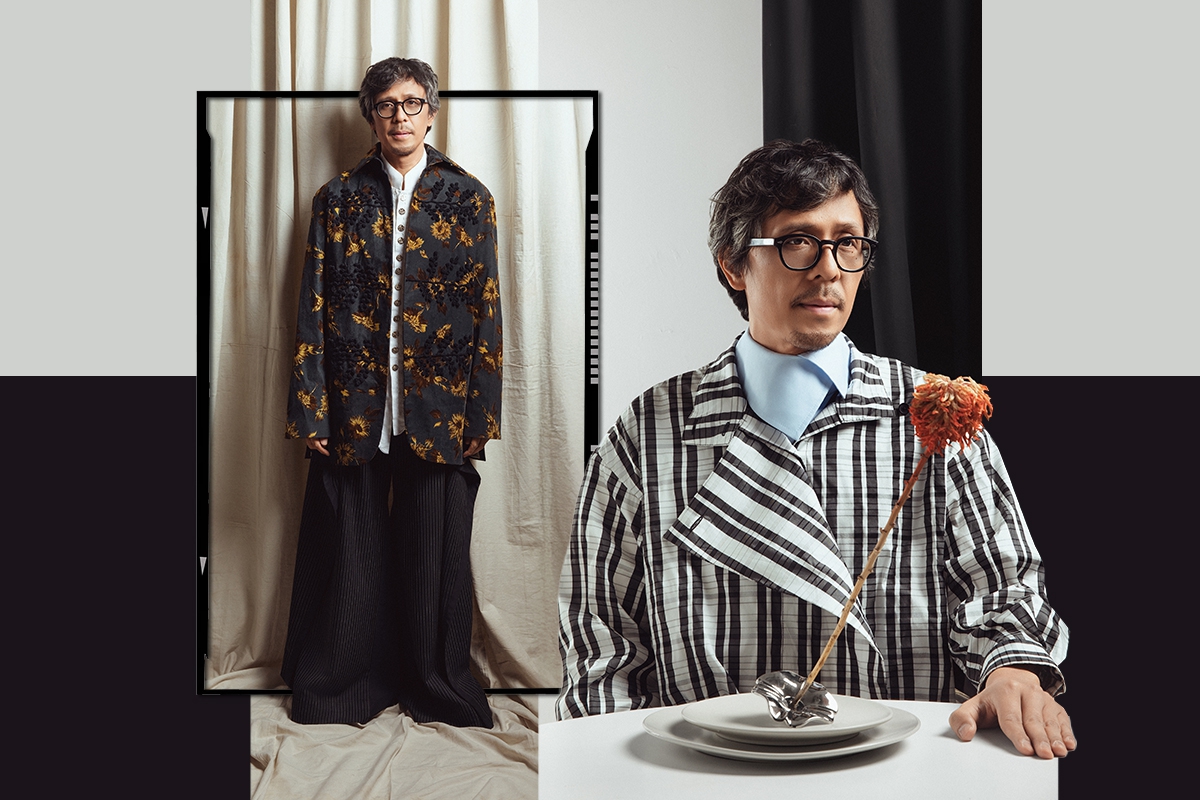
The journey of Luka, Makan, Cinta itself was one of unexpected transformation. Initially conceived as an arthouse feature film, the project encountered repeated rejections from production houses. It was during the COVID-19 pandemic, a period that brought the global creative industry to a standstill and spurred a collective moment of introspection, that Soeria Atmadja decided to restructure the narrative into a serial format. This pivotal decision unlocked new creative avenues, allowing for a more profound exploration of individual characters and expanding the emotional scope of the story he aimed to tell. The shift from film to series also aligns with the growing trend of episodic storytelling on streaming platforms, where audiences often favor deeper dives into character arcs over shorter narrative arcs.
Navigating Production and Casting: A Collaborative Evolution
The collaboration with Netflix proved instrumental in the project’s evolution. The casting process, in particular, was an organic part of this creative development. The selection of Mawar Eva de Jongh and Deva Mahenra for the lead roles was the product of extensive discussions with the creative team, rather than a pre-determined decision. This collaborative approach fostered a subtle, unforced chemistry between the actors, a quality that is notoriously difficult to manufacture but essential for a story that hinges so heavily on emotional resonance. The success of this casting strategy is evident in the authentic portrayal of complex relationships, a hallmark of the series.
When queried about the specific message he wishes to convey through Luka, Makan, Cinta, Soeria Atmadja deliberately refrains from confining his work to a singular interpretation. He views film and television not as didactic mediums for instruction, but as open spaces for reflection. Each viewer brings their own unique personal experiences to the viewing process, from which meaning is constructed in a layered, diverse, and often unexpected manner. This philosophy aligns with the broader trend in contemporary storytelling, where ambiguity and subjective interpretation are increasingly valued.
This approach is rooted in Soeria Atmadja’s conviction that the most personal stories possess the broadest universal appeal. Authentic emotions, he believes, transcend geographical boundaries; what feels intimate in one context can resonate with equal power in another. In an industry often driven by quantifiable metrics and immediate validation, Soeria Atmadja champions a quieter, yet enduring perspective—one that returns to the fundamental principle of sincerity. Ultimately, works that leave a lasting impact are not those that shout the loudest, but those that are felt most genuinely.
Contextualizing Luka, Makan, Cinta within Indonesian Cinema and Global Streaming Trends
The emergence of Luka, Makan, Cinta on Netflix is emblematic of a larger shift in the global entertainment industry. For years, Indonesian filmmakers have been striving for greater international recognition, and streaming platforms like Netflix have provided an unprecedented gateway for their work to reach a global audience. This series represents a sophisticated offering from Indonesia, moving beyond the more commonly exported genres to deliver a nuanced, character-driven drama.
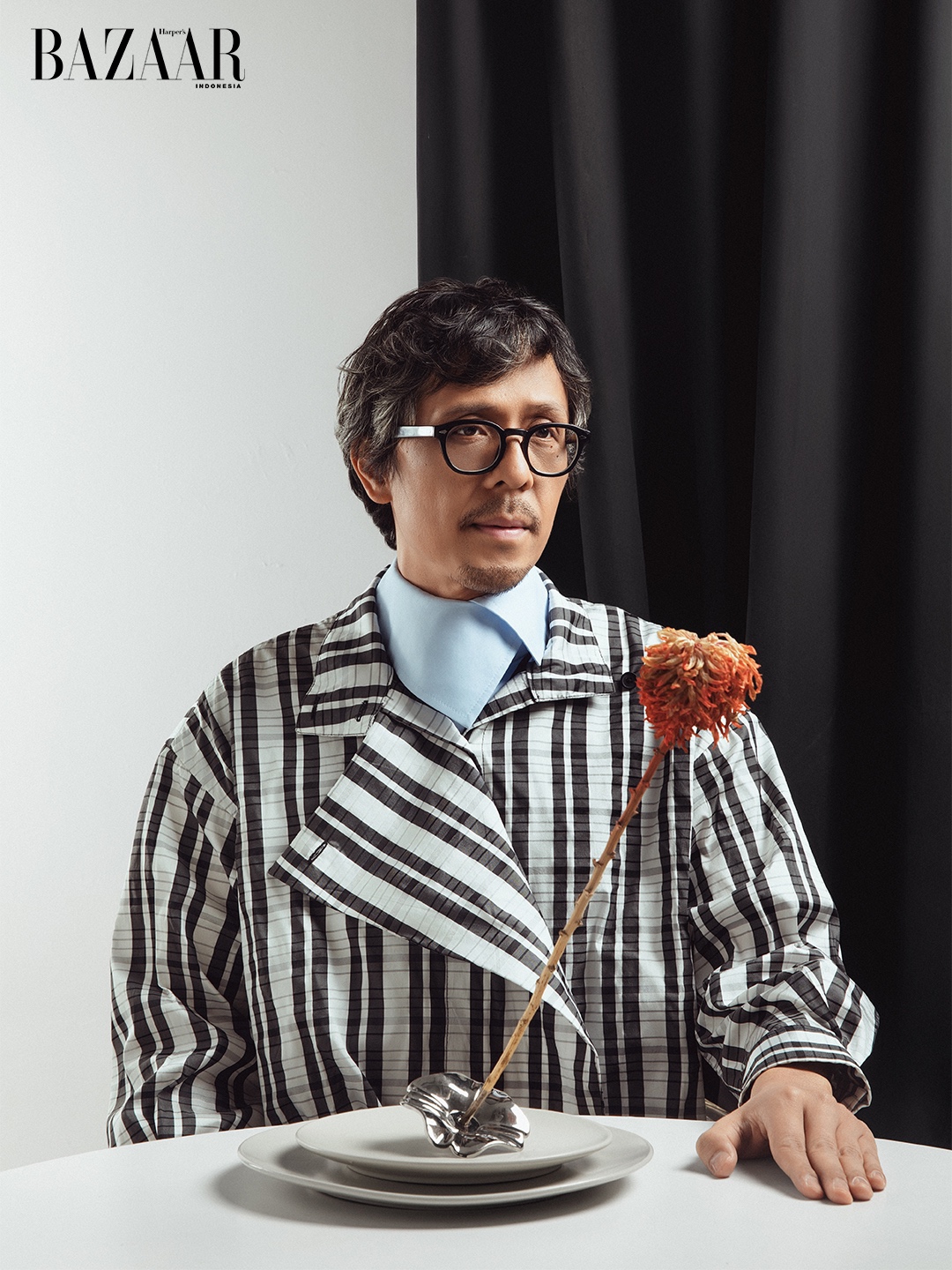
The decision to produce Luka, Makan, Cinta as a series, rather than a film, also reflects a strategic adaptation to audience consumption patterns. The rise of binge-watching and the demand for in-depth character development have made serial formats increasingly popular. By structuring the narrative across multiple episodes, Soeria Atmadja and his team were able to build a more expansive emotional world and allow for the gradual unfolding of complex character arcs, a feat that would have been challenging within the confines of a traditional feature film.
Furthermore, the series’ focus on relatable human struggles, particularly within family dynamics and the complexities of unspoken emotions, taps into a universal theme that can resonate with viewers across diverse cultural backgrounds. While the setting and specific cultural nuances are Indonesian, the core emotional truths explored—love, loss, communication breakdowns, and the search for connection—are inherently human. This universality is key to its potential global appeal.
Broader Impact and Implications
The success of Luka, Makan, Cinta has significant implications for the Indonesian film industry. It demonstrates the viability of producing high-quality, emotionally resonant content that can compete on a global scale. It also showcases the potential for directors with unique, introspective visions to find a platform and an audience through international streaming services. This could encourage more Indonesian storytellers to explore diverse narrative approaches and push creative boundaries.
For Netflix, the acquisition of Luka, Makan, Cinta signifies their continued commitment to diversifying their content library with localized stories that possess universal appeal. By investing in Indonesian productions, Netflix not only taps into a growing market but also contributes to the cultural exchange and visibility of regional cinema. This strategy has proven successful in other markets, highlighting the power of authentic, culturally specific narratives in attracting and retaining subscribers.
The series also contributes to a growing body of work that interrogates the subtle complexities of human relationships through visual storytelling. In an era saturated with fast-paced, often superficial content, Luka, Makan, Cinta stands out for its deliberate pacing, its emphasis on subtext, and its willingness to explore the quieter, more melancholic aspects of human experience. This focus on emotional depth and authenticity is a testament to Soeria Atmadja’s vision and his belief in the enduring power of sincere storytelling.
The creative team behind this ambitious project included:
- Photographer: Gustama Pandu
- Interview & Fashion Editor: Geofanny Tambunan
- Makeup & Hair: Daniella Kesya
- Stylist Assistant: Jennifer Marshiela
Their contributions were crucial in crafting the visual aesthetic that complements the series’ emotional narrative, ensuring that every element of the production, from the performances to the visual presentation, works in concert to create a cohesive and impactful viewing experience.