
 Chalifah Fatihah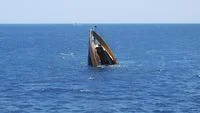
The picturesque waters of Labuan Bajo in West Manggarai Regency, East Nusa Tenggara (NTT), served as the backdrop for a dramatic maritime incident on Sunday morning, September 27. The traditional Indonesian phinisi vessel, operating as a tourist cruise boat named Yukai, sank following a collision with a shallow coral reef formation off the coast of Tanjung Sture. The accident, which occurred during the early morning hours, triggered a swift and coordinated emergency response from local maritime authorities, rescue agencies, and nearby vessels, ultimately averting a major humanitarian disaster. Aboard the vessel were 13 tourists—comprising both foreign nationals and domestic travelers—alongside six crew members, all of whom were successfully rescued without sustaining any serious injuries.
The incident underscores the ongoing safety challenges facing the rapidly expanding marine tourism sector in one of Indonesia’s premier designated super-priority tourism destinations. As investigations into the precise sequence of events continue, maritime experts and local authorities are casting a critical eye on navigation protocols, enforcement of maritime safety standards, and the environmental impact of commercial vessels operating in ecologically sensitive coral reef ecosystems.
Comprehensive Chronology of the Incident
The sequence of events unfolded rapidly in the pre-dawn hours of Sunday, September 27. According to official reports compiled by the Water and Air Police Unit (Satpolairud) of the West Manggarai Police, the Phinisi Yukai departed from its overnight anchorage point at Kelapa Island approximately at 06:30 Central Indonesia Time (WITA). The vessel’s intended itinerary for the morning was a routine excursion to Bidadari Island, a popular destination renowned for its pristine coral gardens and vibrant marine life, where the passengers planned to engage in snorkeling and diving activities.
However, the voyage was cut short shortly after departure. Investigators have indicated that the vessel was navigating through the hazardous waters surrounding the tip of Tanjung Sture when it struck a submerged, shallow coral reef. At the time of the collision, local tidal conditions featured low sea levels, which significantly reduced the navigable clearance over the reef formations.
Preliminary findings suggest that the disaster was precipitated by human error and navigational oversight. The vessel’s captain allegedly lacked sufficient familiarity with the intricate local maritime routes and reportedly failed to adequately account for established navigational markers and safety buoys near the headland, particularly during adverse tidal phases. The impact of the wooden hull against the unforgiving coral was severe, resulting in catastrophic structural damage to the underbelly of the ship.
A massive breach in the hull allowed seawater to flood the interior compartments with alarming speed. Within minutes, the influx of water compromised the vessel’s buoyancy and equilibrium. The Phinisi Yukai rapidly developed a severe list, tilting precariously to one side before losing all stability and sinking beneath the surface to the seabed.
"Within a matter of minutes, the ship began to list heavily and slowly slipped beneath the water," recounted Iptu Leonardo Marpaung, Head of the Satpolairud Polres Manggarai Barat, detailing the rapid deterioration of the vessel’s structural integrity.
Immediate Rescue and Evacuation Operations
Despite the suddenness of the sinking, the presence of other maritime traffic in the area proved instrumental in preventing loss of life. Two other tourist vessels operating in the vicinity—identified as KM NK Jaya 01 and KM Alfatran—witnessed the distress situation and immediately altered course to render assistance. Utilizing emergency lifeboats, the crews of these nearby boats successfully approached the sinking phinisi and commenced the evacuation of passengers and crew who had already abandoned ship or gathered on the listing deck.
Simultaneously, an official distress alert was logged at approximately 06:35 WITA, triggering an immediate mobilization of the Labuan Bajo joint Search and Rescue (SAR) team. A multi-agency task force comprising 21 personnel was rapidly deployed to the coordinates of the incident. The rescue coalition included representatives from the Satpolairud of the West Manggarai Police, the Water and Air Directorate of the NTT Regional Police (Ditpolairud Polda NTT), the Korpolairud Baharkam of the Indonesian National Police, the Harbor Master and Port Authority Office (KSOP), and the National Search and Rescue Agency (Basarnas) Post in Labuan Bajo.
To ensure a thorough sweep of the disaster zone, authorities deployed five Rigid Inflatable Boats (RIBs) and one high-speed interceptor vessel. Rescue divers and surface search teams conducted meticulous sweeps of the submerged cabin spaces and engine rooms to confirm that no individuals remained trapped within the wreck.
By 08:15 WITA, the comprehensive evacuation and rescue operation was successfully concluded. All 19 individuals on board—consisting of seven foreign tourists, six domestic tourists, and six crew members, including the captain—were safely transported to the main harbor dock in Labuan Bajo. Upon arrival, the survivors underwent preliminary physical examinations by medical personnel and received brief psychological trauma counseling to address the shock of the ordeal. Authorities subsequently conducted administrative debriefings and processed passenger documentation.
Passenger Demographics and Material Losses
Official manifests released following the incident confirmed the exact breakdown of individuals aboard the Phinisi Yukai at the time of the maritime accident. The total complement of 19 people reflected the typical operational capacity of mid-sized phinisi vessels servicing the Komodo National Park and surrounding island chains.
The passenger manifest highlighted the international appeal of Labuan Bajo as a global travel hub, featuring seven foreign nationals hailing from various overseas countries, alongside six domestic tourists from various parts of Indonesia. The crew of six comprised local maritime professionals responsible for navigation, hospitality, and engine operations. Miraculously, medical evaluations confirmed that none of the 19 occupants sustained physical injuries, though several suffered from minor shock and exhaustion due to the sudden evacuation into the sea.
While the preservation of human life represented the primary positive outcome of the emergency response, the financial and material toll of the incident was substantial. Initial estimates released by vessel management and maritime authorities place the total economic loss resulting from the sinking of the Phinisi Yukai at approximately Rp1 billion. This valuation encompasses the total loss of the hull, specialized marine tourism equipment, onboard navigational technology, and personal belongings of both the passengers and the crew. Furthermore, the loss of the vessel removes a revenue-generating asset from the regional tourism fleet, impacting local business operations.
Background Context: Maritime Safety in Labuan Bajo
The sinking of the Phinisi Yukai highlights broader, systemic safety challenges within the burgeoning marine tourism industry of West Manggarai Regency. In recent years, Labuan Bajo has experienced exponential growth, transitioning from a sleepy fishing town into a premier international tourism destination. Designated as one of Indonesia’s "Super Priority Destinations," the region attracts hundreds of thousands of visitors annually, drawn primarily by the allure of the Komodo National Park, world-class diving sites, and island-hopping cruises aboard traditional phinisi wooden boats.
This rapid expansion has fueled a significant boom in maritime commerce. Scores of traditional and modern phinisi boats now ply the waters between Flores, Rinca, Padar, and surrounding islands. However, the surge in vessel traffic has strained existing regulatory frameworks and infrastructure. Maritime safety experts have repeatedly warned that the rapid proliferation of tour operators has occasionally outpaced the availability of rigorous safety training, strict vessel certification processes, and comprehensive navigational oversight.
Incidents involving groundings, engine failures, and minor collisions on coral reefs are not entirely unprecedented in the waters surrounding Labuan Bajo. The complex topography of the region—characterized by strong tidal currents, hidden underwater reefs, narrow straits, and fluctuating sea levels—demands exceptional navigational expertise and intimate local knowledge from vessel captains and crew members. When operators fail to adhere strictly to established maritime lanes, or when inexperienced personnel are tasked with navigating treacherous channels, accidents of this nature frequently occur.
Environmental Implications of the Wreck
Beyond the immediate human drama and economic ramifications, the sinking of the Phinisi Yukai raises serious environmental concerns regarding the ecological health of marine habitats in East Nusa Tenggara. The vessel reportedly sank after colliding with a shallow coral reef formation at Tanjung Sture, an area celebrated for its rich marine biodiversity and delicate coral ecosystems.
Coral reefs in the Labuan Bajo region form the foundational bedrock of the local marine ecosystem, serving as vital breeding grounds, nurseries, and habitats for thousands of marine species, including endangered sea turtles, reef sharks, and myriad pelagic fish. These ecosystems also underpin the local economy, providing the primary attraction for the multi-million-dollar diving and snorkeling tourism industry.
Collisions between heavy wooden vessels and coral reefs can inflict severe, localized physical damage to benthic habitats. Corals, which grow at agonizingly slow rates, can be crushed or pulverized upon impact. Furthermore, the subsequent submersion of a motorized vessel introduces potential environmental pollutants into the marine environment. The presence of diesel fuel, engine lubricants, hydraulic fluids, and synthetic materials within the sunken hull poses a lingering contamination threat to surrounding waters and marine life.
Environmental agencies and maritime conservation groups operating in the region have increasingly advocated for stringent environmental impact assessments, mandatory maritime insurance covering ecological restoration, and expedited wreck removal protocols. Removing sunken vessels from coral reef environments is critical not only to prevent chronic chemical leaching but also to mitigate further physical abrasion caused by tidal currents shifting the wreckage against the seabed.
Official Responses and Regulatory Implications
In the wake of the incident, regional authorities, law enforcement agencies, and port regulators have signaled an intensification of maritime oversight across Labuan Bajo’s waters. The West Manggarai Police, in collaboration with the Harbor Master and Port Authority Office (KSOP), have launched a formal investigation into the root causes of the shipwreck.
Investigators are currently reviewing the operational documents of the Phinisi Yukai, including its navigation logs, safety equipment inventories, passenger manifests, and the licensing credentials of the captain and crew. Particular attention is being directed toward determining whether the vessel complied with all mandatory safety regulations stipulated by Indonesian maritime law, including the provision of adequate life-saving appliances, adherence to authorized passenger capacities, and compliance with weather and tidal advisories.
Should the investigation reveal gross negligence, violations of navigational protocols, or deficiencies in licensing, the responsible parties could face administrative sanctions, revocation of operating licenses, and potential legal liabilities. The handling of this case is viewed by industry observers as a crucial test of regulatory resolve in enforcing accountability within the local maritime tourism sector.
In response to the recurring incidents at sea, regional stakeholders—including the Association of Indonesian Tours and Travel Agencies (ASITA) and local marine tourism operators—have called for a comprehensive review of safety standards. Proposals currently under discussion include the mandatory implementation of advanced GPS and sonar tracking systems on all commercial tour boats, enhanced skipper training and certification programs focusing on local marine topography, and the installation of clearer hazard markers and navigational buoys around high-risk underwater obstacles such as Tanjung Sture.
Broader Impact on Regional Tourism
While the incident generated significant media attention and momentary anxiety among prospective travelers, tourism stakeholders remain optimistic that the swift and successful rescue operation will reassure the public regarding emergency response capabilities in the region. The fact that all 19 passengers and crew members emerged from the ordeal completely unharmed has been widely cited as a testament to the vigilance and professionalism of the joint SAR forces and the spontaneous solidarity demonstrated by nearby vessel crews.
Nevertheless, industry analysts emphasize that safety must remain the absolute paramount priority if Labuan Bajo is to sustain its hard-earned reputation as a world-class, secure tourism destination. As global travelers increasingly prioritize safety, environmental sustainability, and professional standards when selecting holiday destinations, incidents involving avoidable navigational errors pose a tangible reputational risk.
Local government officials and tourism boards have reiterated their commitment to working hand-in-hand with law enforcement and maritime authorities to enforce strict compliance across the entire fleet. By closing regulatory loopholes, enhancing crew competency standards, and bolstering environmental protection measures, authorities hope to safeguard both the visitors who journey to marvel at the wonders of East Nusa Tenggara and the fragile marine ecosystems that make these waters a global treasure.
The investigation into the sinking of the Phinisi Yukai remains ongoing, with further updates expected from the joint police and port authority task force as salvage operations and technical assessments of the wreck site proceed in the coming days.








