Eko Sulistyo
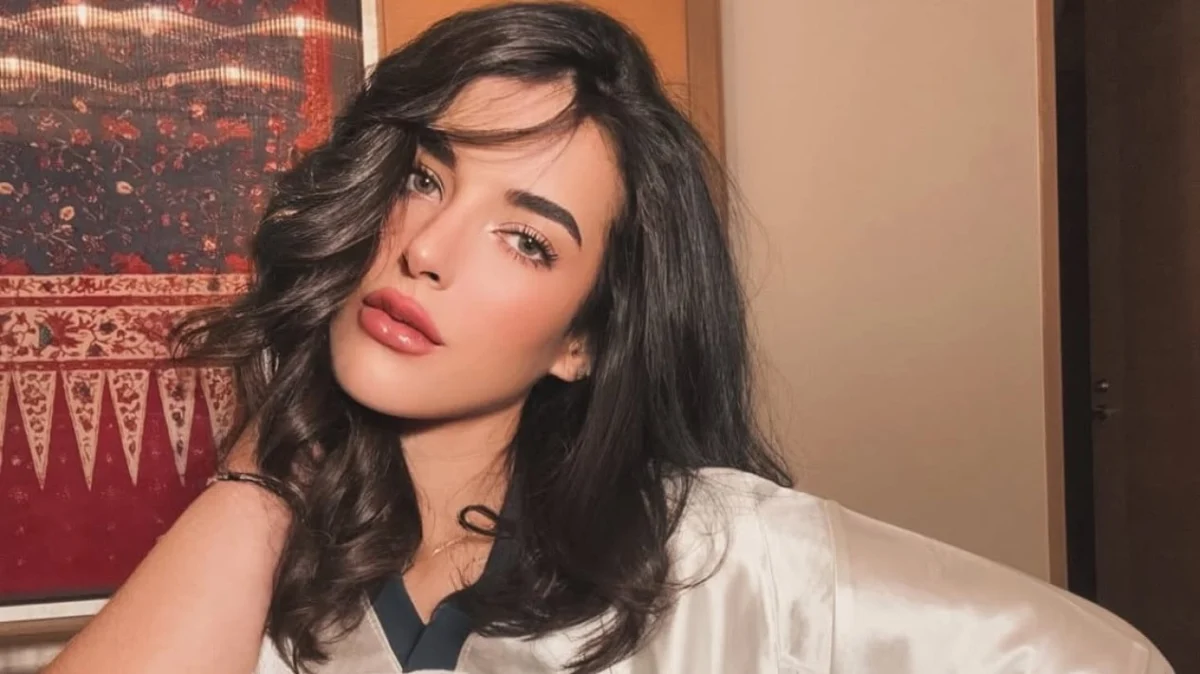
The digital landscape in Indonesia has been recently captivated by the resurfacing of Nabila Ishma’s personal life, a figure who first gained national prominence as the partner of the late Emmeril Kahn Mumtadz, also known as Eril. Eril, the eldest son of former West Java Governor Ridwan Kamil, tragically passed away in 2022, leaving a profound impact on the Indonesian public. Four years after the tragedy, Nabila Ishma has once again become a central topic of discussion across various social media platforms. This renewed interest follows the emergence of visual evidence suggesting that she may have moved on to a new romantic chapter, though the circumstances surrounding this potential relationship have sparked significant debate regarding loyalty, friendship, and the boundaries of public scrutiny.
The catalyst for this recent wave of public discourse was a video uploaded by the Instagram account @jejakdualangkah on Saturday, May 30, 2026. The footage captures Nabila participating in an outdoor excursion involving extreme tourism at a local waterfall, or curug. In the video, Nabila is seen engaging in recreational activities, including a backflip into the water, while dressed in blue athletic attire. However, it was not the physical activity that drew the most attention, but rather her proximity to a male companion identified as Ridho Apriadi Edriza. In several segments of the footage, the two appear notably close, with the man seen placing an arm around her, suggesting a level of intimacy that goes beyond casual acquaintance.
The Historical Context: The Legacy of Emmeril Kahn Mumtadz
To understand the intensity of the public reaction, one must revisit the events of May 2022. The disappearance of Emmeril Kahn Mumtadz in the Aare River in Bern, Switzerland, was a national tragedy that saw millions of Indonesians following the search efforts with bated breath. During this period, Nabila Ishma was thrust into the spotlight as the grieving partner. Her social media posts at the time, which documented her profound sorrow and her final moments with Eril, resonated deeply with a public that viewed their relationship as a modern-day tragedy.
Following the confirmation of Eril’s passing and his subsequent burial in Cimaung, Bandung, Nabila became a symbol of resilient grief. For several years, her every move was monitored by followers who offered both support and a peculiar form of "grief policing," where the public maintained high expectations for how she should honor Eril’s memory. This background explains why any indication of Nabila entering a new relationship is met with such high emotional stakes from the digital community.
The Identity of Ridho Apriadi Edriza and the Friendship Contradiction
The controversy intensified when internet sleuths began investigating the identity of the man in the video. Ridho Apriadi Edriza was quickly identified as someone who was previously part of Nabila’s extended social circle. Specifically, Ridho was known to be the partner of Adela, one of Nabila’s close friends. Digital archives from 2021 and early 2022 show that Nabila, Eril, Ridho, and Adela frequently spent time together as a group.
The revelation that Nabila is now reportedly close to the former partner of a close friend has shifted the narrative from a simple story of "moving on" to a more complex allegation of friendship betrayal. In Indonesian social media parlance, this is often referred to as nikung—a term used to describe the act of "stealing" or taking over a friend’s romantic interest. This specific detail has divided public opinion, with many former supporters expressing disappointment over what they perceive as a breach of social ethics among friends.
Chronology of Recent Events and Social Media Escalation
The timeline leading to this viral moment can be traced back through subtle changes in Nabila’s social media presence:
- Late 2025 – Early 2026: Observers noted a decrease in the frequency of posts mentioning or commemorating Eril, which many initially viewed as a healthy step toward healing.
- March 2026: Rumors began to circulate in small online forums about Nabila being seen in public with a new companion, though no visual evidence was available at the time.
- May 20, 2026: Nabila’s interactions with Adela’s social media accounts reportedly ceased, with some followers noticing that the two no longer followed each other, signaling a potential rift in their friendship.
- May 30, 2026: The @jejakdualangkah Instagram account posted the "curug" video. The caption, "Kak Nabila has already given the tutorial, when are you going to try?" was intended to promote the tourism spot but inadvertently served as the "reveal" for her new relationship status.
- Post-Upload Reaction: Within hours, the comment section of both the tourism account and Nabila’s personal profile became a battleground of opinions.
Public Reaction and the Dynamics of "Cancel Culture"
The response from the Indonesian "netizen" community has been swift and multifaceted. A significant portion of the commentary focuses on the moral implications of dating a friend’s ex-partner. One user commented, "Is that her boyfriend now? I thought he was Dila’s boyfriend. Weren’t they the ones who used to go on double dates with the late Eril?" This sentiment reflects a common theme of shock and a feeling of "parasocial betrayal," where followers feel personally invested in the perceived integrity of the public figures they follow.
Furthermore, some users have accused Nabila of actively managing her public image by deleting critical comments. One viral comment stated, "They say she backstabbed her friend. But the bad comments are being deleted by her. I immediately unfollowed; I thought she was a positive person, but it turns out she just doesn’t want to deal with the criticism." This highlights the friction between a public figure’s desire for a curated online space and the public’s demand for accountability and transparency.
Conversely, a segment of the public has come to Nabila’s defense, arguing that after four years, she has every right to seek happiness. This group posits that the private details of why Ridho and Adela broke up are unknown, and that labeling Nabila as a "traitor" without full context is an act of cyberbullying.
Analysis of Implications: Privacy and the "Grief Trap"
The situation surrounding Nabila Ishma provides a poignant case study on the intersection of private life and public expectation in the age of social media.
1. The Weight of the Past:
Nabila’s struggle to move forward is complicated by the fact that her public identity is inextricably linked to a national figure of mourning. For many, she is not just an individual, but a living monument to Eril’s memory. When she deviates from that role, it creates a cognitive dissonance for the public, leading to backlash.
2. The Ethics of "Double Dating" Circles:
In close-knit social circles, the overlap of romantic interests is a common occurrence but remains a social taboo in many cultures, including Indonesia. The allegation of "friendship betrayal" carries a heavy social stigma that can damage an influencer’s brand and personal reputation more than the act of moving on itself.
3. Social Media as a Surveillance Tool:
This incident underscores how recreational activities—even those intended to be private or low-key—can be weaponized through the lens of a smartphone. The account @jejakdualangkah likely intended to showcase a fun tourism experience, but in the current climate, every frame is analyzed for clues about a public figure’s personal choices.
Potential Responses and Future Outlook
As of the latest reports, Nabila Ishma has not issued a formal statement regarding the allegations or the status of her relationship with Ridho. Historically, she has maintained a dignified silence or shared cryptic, philosophical quotes during times of controversy. However, the volume of the current outcry may eventually necessitate a more direct response to protect her professional standing as a brand ambassador and influencer.
From a psychological perspective, experts suggest that the "healing journey" for someone who lost a partner under such tragic and public circumstances is rarely linear. The transition from being a "public mourner" to an individual seeking new companionship is fraught with emotional and social hurdles.
In conclusion, while the news of Nabila Ishma’s potential new relationship should ideally be a private matter of personal growth, her status as a public figure makes it a matter of public debate. The controversy serves as a reminder of the complexities of modern fame, where the lines between loyalty to the dead, loyalty to friends, and the right to personal happiness are constantly blurred by the watchful eyes of millions. Whether this will lead to a lasting shift in her public persona or remain a fleeting social media storm depends largely on how she chooses to navigate the narrative in the coming weeks. For now, the Indonesian public remains divided, watching closely as one of the country’s most scrutinized young women attempts to navigate the difficult waters of life after loss.