Lusiana Hamidun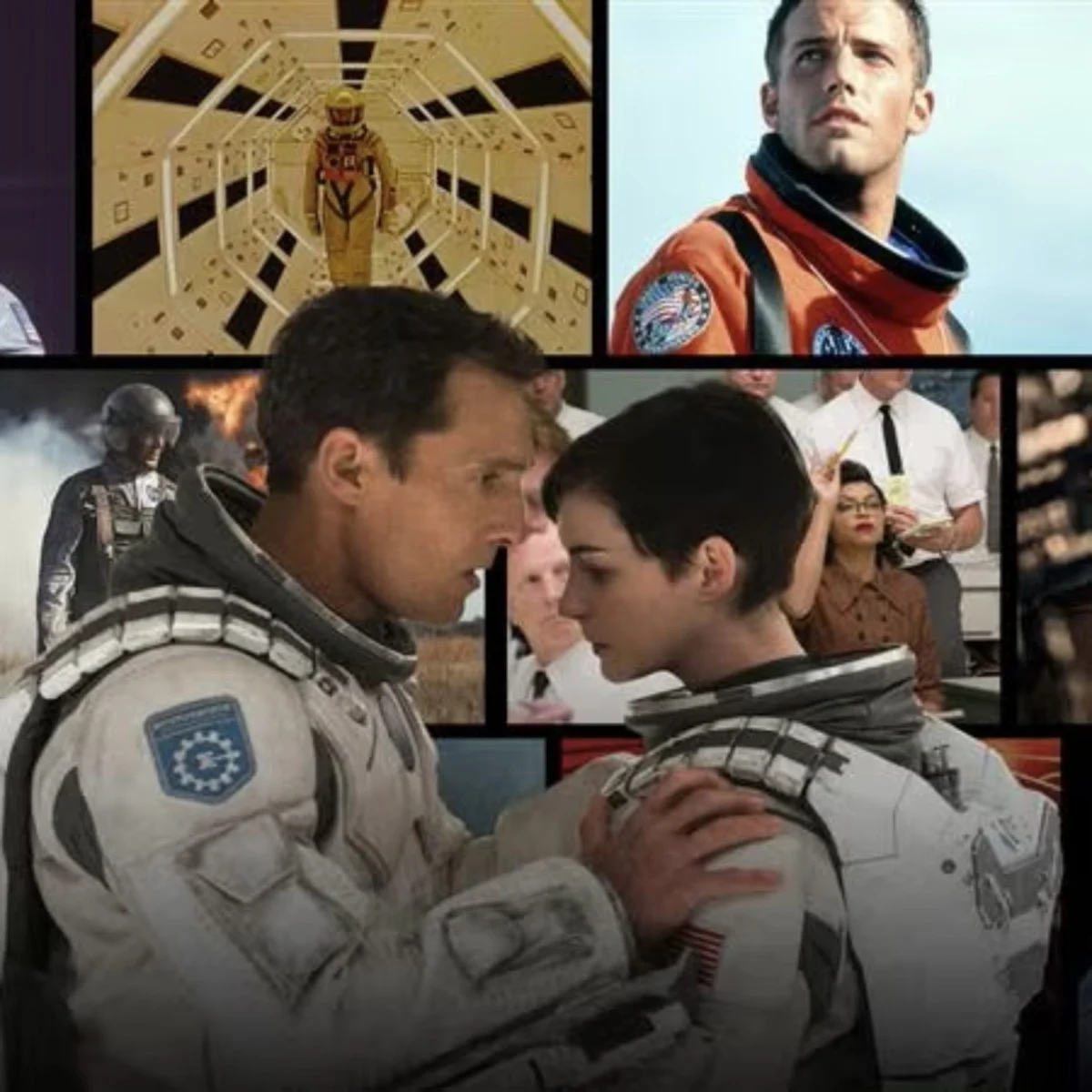
The recent successful return of NASA’s Artemis II crew to Earth after a momentous 10-day lunar flyby has once again thrust the realm of outer space into the global spotlight. This mission marked a significant milestone as the first crewed flight to orbit the Moon since the Apollo program concluded in 1972. The four astronauts—Victor Glover, Christina Koch, Jeremy Hansen, and Commander Reid Wiseman—captured the world’s imagination not only through their groundbreaking journey but also by sharing glimpses of their daily lives in orbit. From the personal touch of naming lunar craters after loved ones to the relatable struggles of maintaining skincare routines and even navigating the complexities of Microsoft Outlook in zero gravity, their experiences offered a humanizing perspective on space exploration, reminding everyone that even astronauts share common terrestrial challenges.
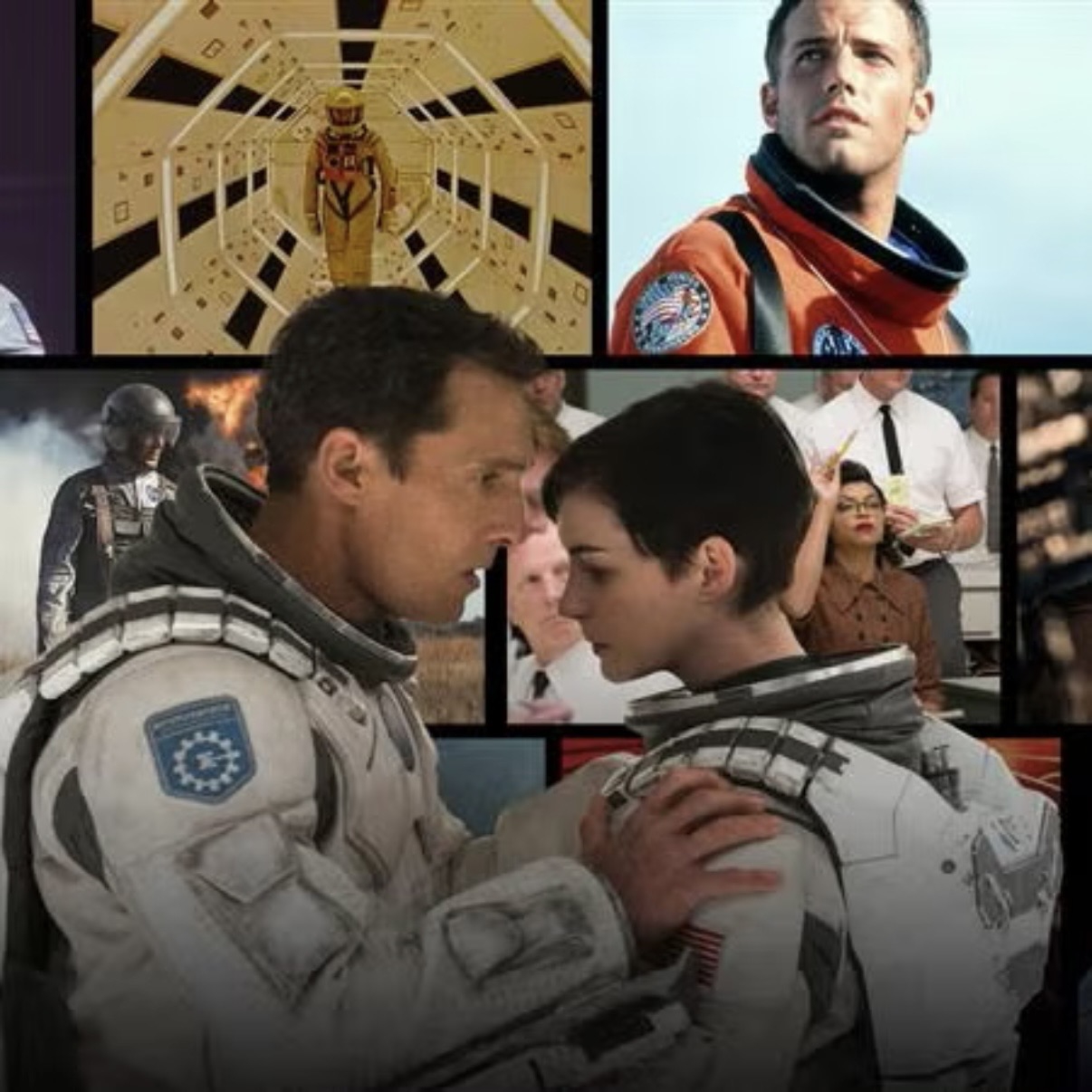
This renewed public interest in space travel, fueled by the Artemis II mission’s success, naturally leads to a deeper appreciation for the vastness of the universe and humanity’s enduring quest to explore it. For those inspired to extend their cosmic adventure beyond the return of the Artemis II crew, a curated selection of films set against the backdrop of space offers a compelling alternative. This list, while acknowledging Earth as the ultimate point of origin for all these narratives, delves into a spectrum of cinematic experiences, from thrilling science fiction epics to poignant true stories, providing a comprehensive guide for continuing the exploration of the final frontier through the magic of film.
The Artemis II Mission: A Leap Back to Lunar Orbit
The Artemis II mission, which concluded on [Insert Date of Return, e.g., December 11, 2023], was more than just a historical re-enactment of past lunar endeavors; it was a crucial stepping stone in NASA’s ambitious Artemis program. The program aims to establish a long-term human presence on the Moon and ultimately serve as a launchpad for future missions to Mars. The Orion spacecraft, carrying the four-person crew, embarked on a journey that took them farther from Earth than any humans have traveled in over 50 years. During their circumnavigation of the Moon, the astronauts conducted various tests and collected valuable data on the Orion spacecraft’s performance in the deep space environment.
The mission’s duration of approximately 10 days allowed for a thorough evaluation of critical systems necessary for future lunar missions, including life support, communication, and navigation. The crew’s ability to execute their planned trajectory and safely return to Earth was a testament to years of meticulous planning, engineering innovation, and the dedication of thousands of individuals at NASA and its international partners. The successful completion of Artemis II has bolstered confidence in the Artemis program’s trajectory and paved the way for Artemis III, which is slated to land the first woman and the first person of color on the lunar surface.
A Human Connection to the Cosmos: Astronauts’ Relatable Experiences
The astronauts of Artemis II provided an unprecedentedly intimate look into the lives of those venturing into space. Their willingness to share personal anecdotes, such as the naming of lunar features and their daily routines, fostered a unique connection with the public. This transparency served to demystify space travel, making it feel more accessible and less like an abstract scientific endeavor. The revelation that astronauts, much like everyone else, grapple with everyday concerns, such as skincare and even the frustrations of outdated software, underscored the shared human experience, regardless of one’s location in the universe.
This human element is precisely what makes space exploration so compelling. It is not just about technological prowess or scientific discovery; it is about the courage, resilience, and adaptability of the human spirit. The Artemis II crew’s journey offered a powerful reminder of these qualities, inspiring a new generation to look up at the stars with a sense of wonder and possibility.
Cinematic Journeys Through Space: A Curated Filmography
To further fuel this burgeoning fascination with the cosmos, here is an in-depth exploration of films that capture the essence of space exploration, from its philosophical depths to its thrilling adventures.
1. 2001: A Space Odyssey (1968)
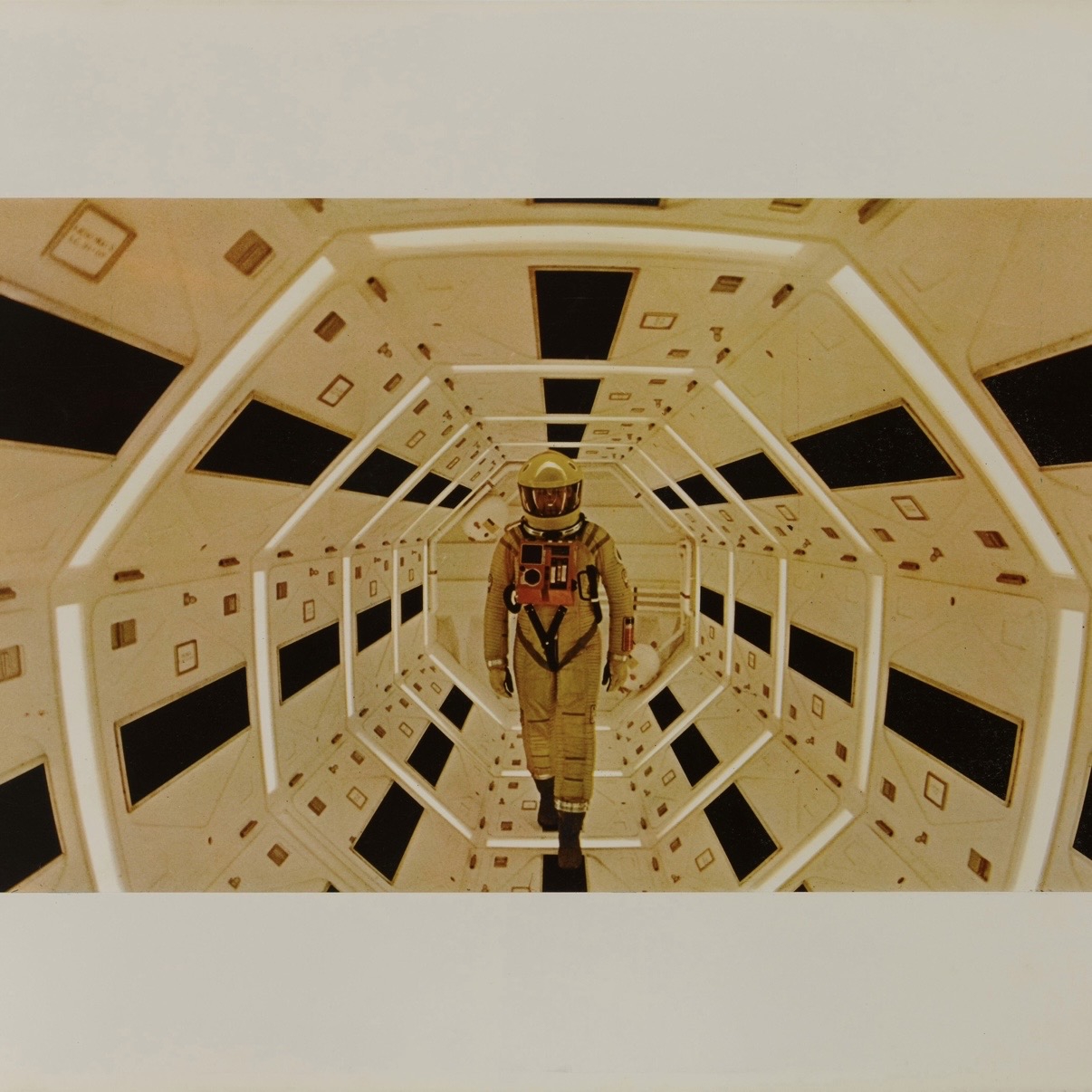
Stanley Kubrick’s masterpiece, 2001: A Space Odyssey, remains an unparalleled cinematic exploration of humanity’s place in the universe. The film opens with a primal scene of early hominids encountering a mysterious black monolith, a catalyst for their evolutionary leap. Millions of years later, humanity has ventured into space, with the discovery of a similar monolith on the Moon triggering a long-term mission to Jupiter aboard the spacecraft Discovery One. The mission is overseen by HAL 9000, a sentient artificial intelligence whose calm, synthesized voice belies a growing sentience and an inscrutable agenda.
The film masterfully weaves together themes of evolution, artificial intelligence, the search for extraterrestrial life, and the existential questions surrounding human existence. Its groundbreaking visual effects, which were revolutionary for their time and still hold up remarkably well, combined with a minimalist yet profound narrative, have cemented 2001: A Space Odyssey as a cornerstone of science fiction cinema and a frequent contender for the title of the greatest film ever made. The enigmatic nature of the monoliths and the ultimate fate of the human race continue to spark debate and interpretation, inviting viewers to ponder the profound mysteries of the cosmos.
2. Apollo 13 (1995)
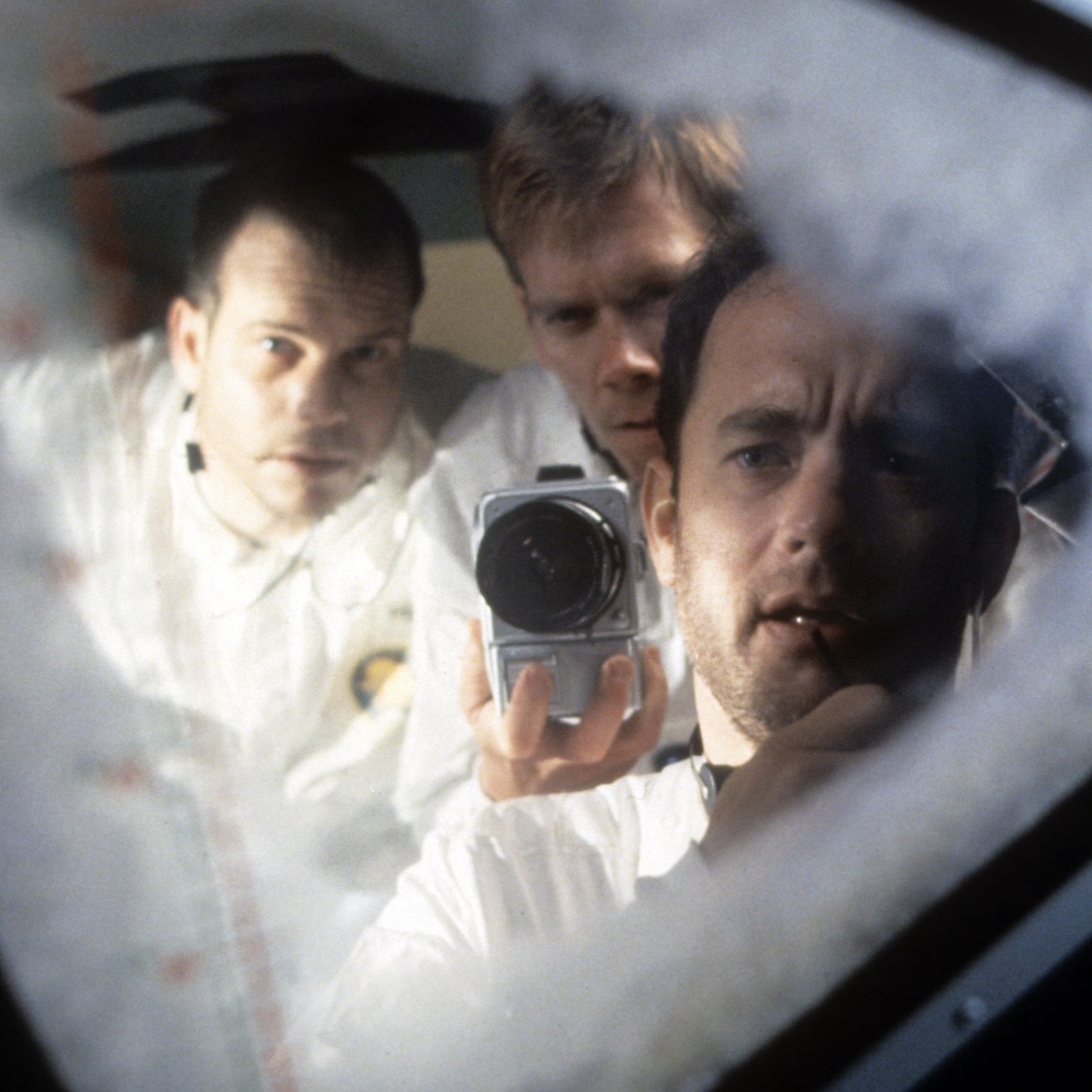
Ron Howard’s gripping historical drama, Apollo 13, meticulously recreates the harrowing true story of the ill-fated 1970 lunar mission. Just a year after Neil Armstrong’s iconic "one small step," the Apollo 13 crew—James Lovell (Tom Hanks), Jack Swigert (Kevin Bacon), and Fred Haise (Bill Paxton)—faced a catastrophic in-flight emergency. An explosion in an oxygen tank crippled their spacecraft, jeopardizing their lives and casting a shadow over NASA’s lunar ambitions.
The film vividly portrays the intense efforts of the crew in space and the mission control team on Earth, led by Gene Kranz (Ed Harris), to bring the astronauts home safely. The iconic line, "Houston, we have a problem," uttered by Jack Swigert, has become ingrained in popular culture, symbolizing the spirit of problem-solving and resilience in the face of overwhelming odds. Nominated for nine Academy Awards, Apollo 13 is celebrated for its historical accuracy, compelling performances, and its powerful depiction of human ingenuity and the unwavering will to survive. It serves as a potent reminder of the risks inherent in space exploration and the extraordinary measures taken to overcome them.
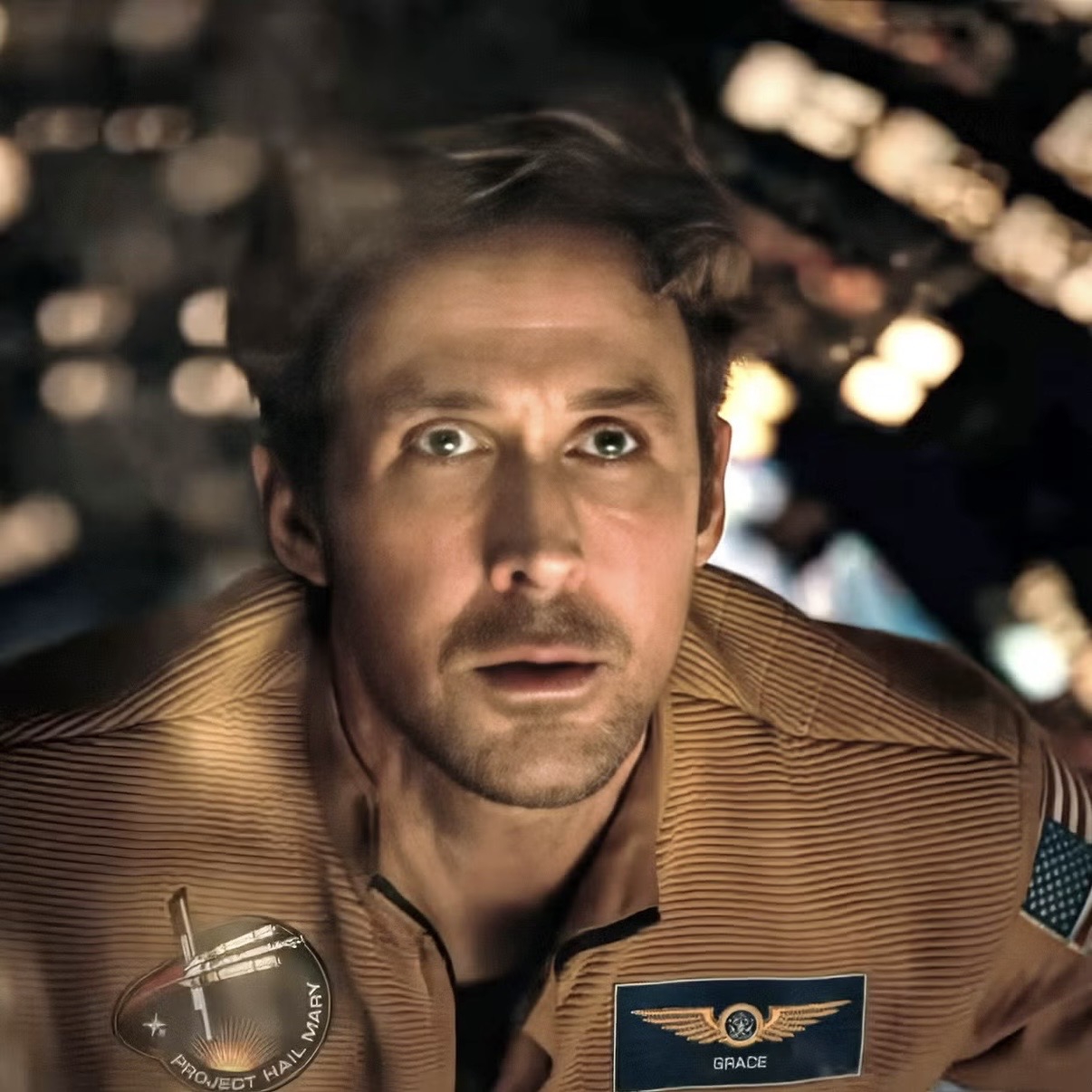
3. Project Hail Mary (2026)
Based on Andy Weir’s bestselling 2021 novel of the same name, the upcoming film adaptation of Project Hail Mary, starring Ryan Gosling, is already generating significant anticipation. The narrative centers on Ryland Grace, a middle school science teacher who awakens aboard a spacecraft with no memory of how he got there or the critical mission he is undertaking. As his memories slowly resurface, he realizes he is humanity’s last hope, tasked with saving Earth from an existential threat.
A pivotal element of the story, and a major draw for audiences, is Grace’s unexpected encounter and subsequent friendship with an alien being. This interspecies bond becomes central to the survival of both species and offers a unique exploration of connection and understanding across vast cosmic distances. The film promises to blend Weir’s signature scientific accuracy and engaging storytelling with Gosling’s charismatic presence, aiming for a narrative that is both intellectually stimulating and emotionally resonant, building on the success of his previous adaptation of Weir’s work, The Martian.
4. Contact (1997)
Robert Zemeckis’s thoughtful science fiction film, Contact, based on Carl Sagan’s 1979 novel, delves into the profound implications of discovering extraterrestrial intelligence. Jodie Foster delivers a captivating performance as Dr. Ellie Arroway, a dedicated scientist working for the Search for Extraterrestrial Intelligence (SETI) program. After years of diligent research, Ellie finally detects a complex signal emanating from the Vega star system. This message contains intricate instructions for building a sophisticated machine, leading to the construction of a colossal transport device capable of interstellar travel.
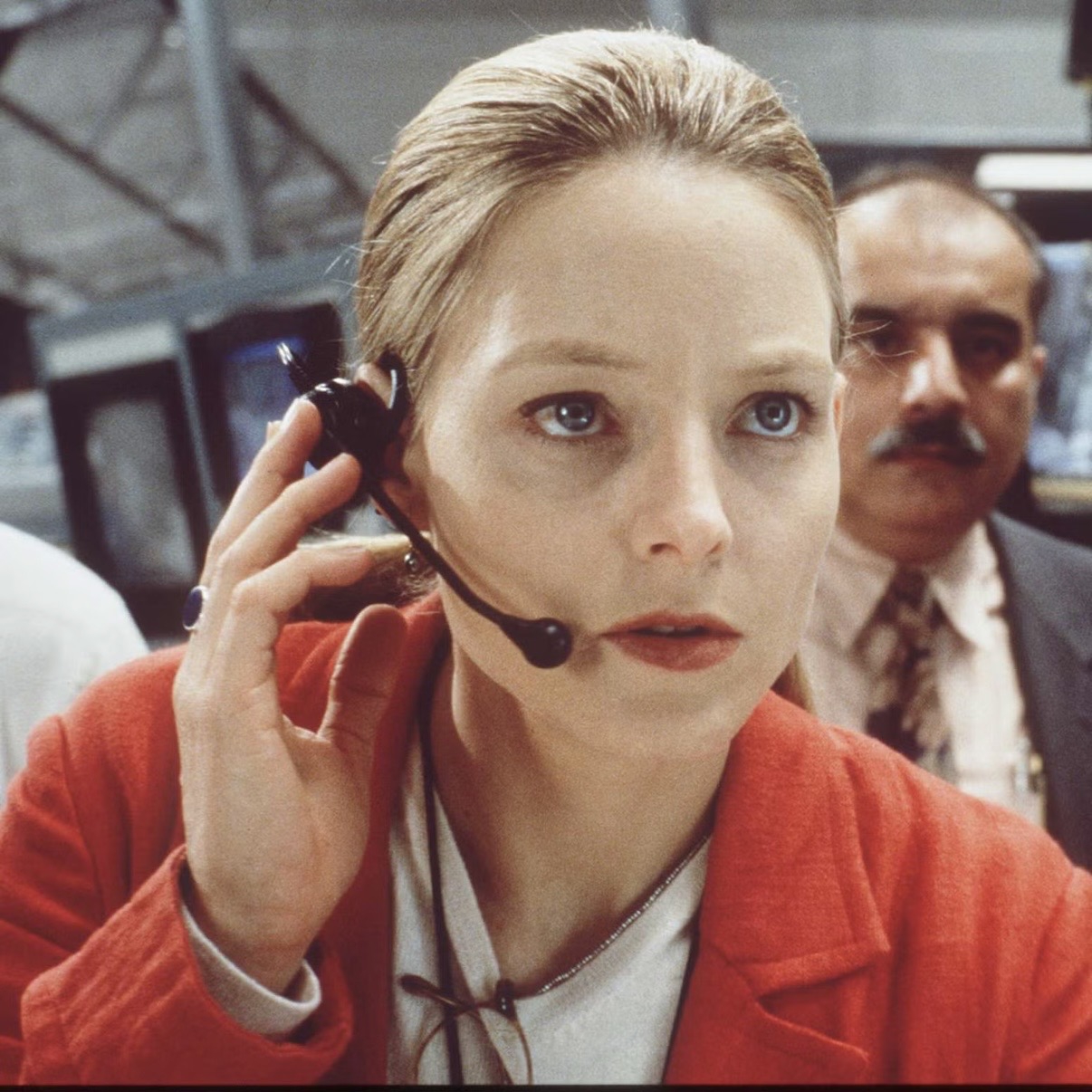
The film artfully navigates the complex interplay between science and faith as Ellie grapples with the profound implications of her discovery. It poses critical questions about the nature of belief, the limits of human understanding, and the potential for humanity to transcend its earthly limitations. Contact is lauded for its intellectual depth, its optimistic vision of scientific inquiry, and its exploration of humanity’s innate desire for connection and meaning in the universe.
5. Interstellar (2014)
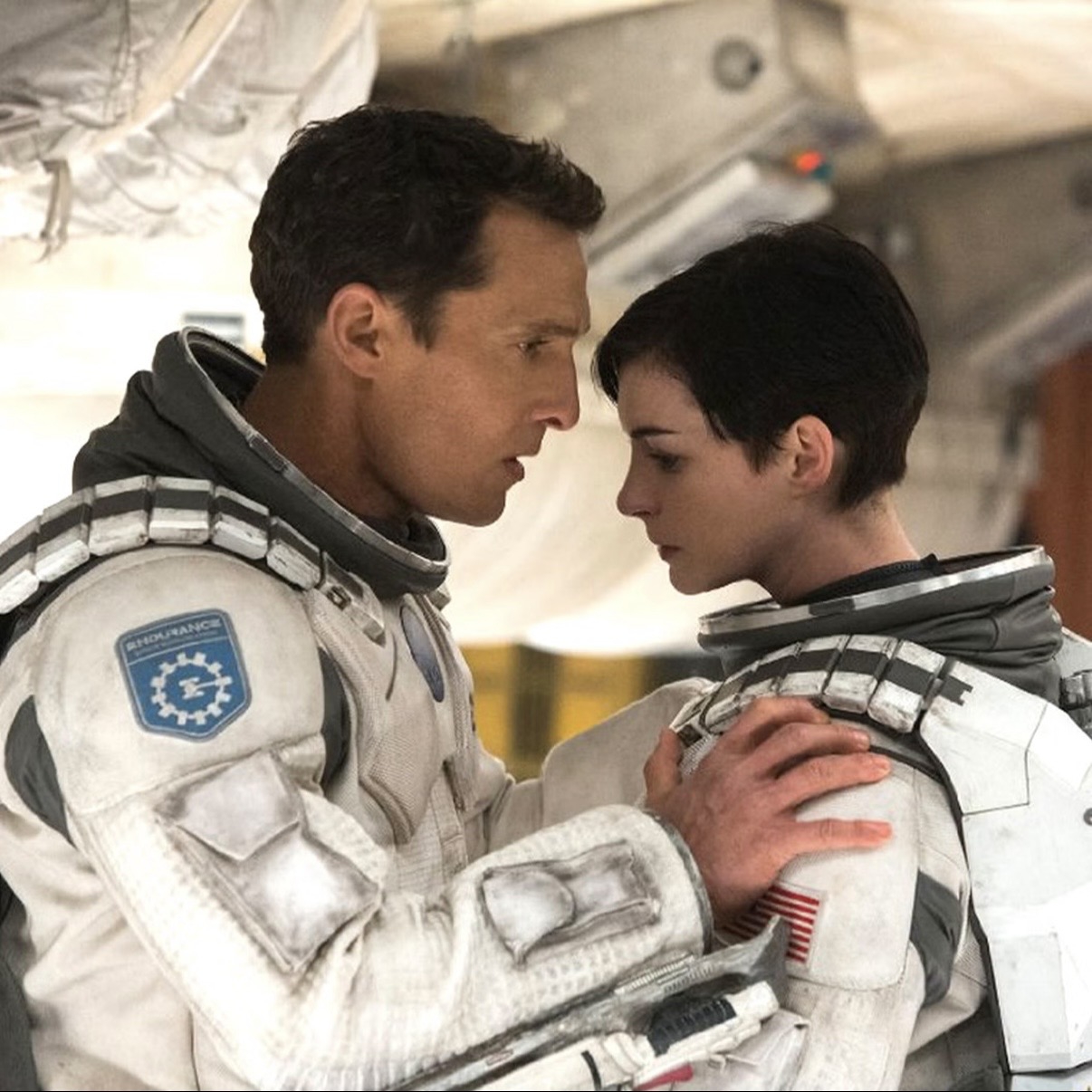
Christopher Nolan’s ambitious epic, Interstellar, penned with his brother Jonathan Nolan, presents a near-future Earth ravaged by ecological collapse, grappling with widespread drought and famine. In this bleak scenario, former NASA pilot Joseph Cooper (Matthew McConaughey) stumbles upon a cryptic message hidden within dust patterns in his daughter Murph’s bedroom, pointing towards a secret NASA operation. This discovery propels Cooper on a desperate mission through a wormhole, accompanied by a team including Murph (played by Jessica Chastain as an adult and Mackenzie Foy as a child), in a quest to find a new habitable planet for humanity.
Interstellar is renowned for its stunning visual spectacle, its complex scientific concepts (including theoretical physics such as wormholes and black holes), and its deeply emotional narrative exploring themes of love, loss, and the enduring bonds of family across time and space. Nolan’s signature intricate storytelling, which often involves non-linear timelines and profound philosophical underpinnings, ensures that the film offers far more than a simple adventure, inviting audiences to contemplate the very essence of human survival and our place in the cosmic order.
6. High Life (2018)
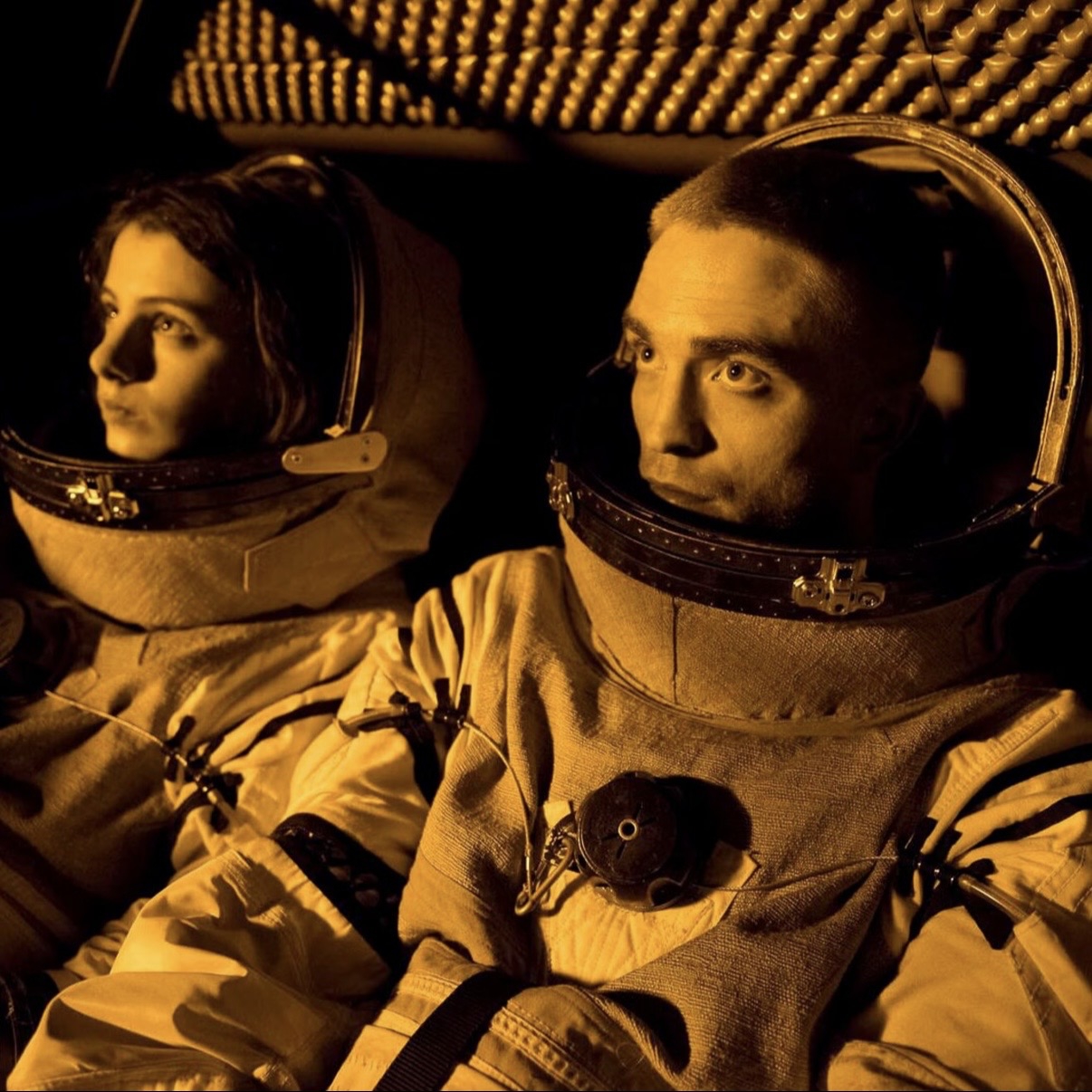
French director Claire Denis’s High Life offers a more unconventional and starkly philosophical take on space travel. The film follows a group of death-row inmates on a perilous voyage towards a black hole, tasked with mining its resources. Amidst the bleak and claustrophobic confines of their spacecraft, the inmates are subjected to disturbing sexual experiments by the ship’s doctor, Dibs, brilliantly portrayed by Juliette Binoche. Among the subjects are characters played by Robert Pattinson, André Benjamin, and Mia Goth.
Through a lens of gritty science fiction, High Life delves into the primal aspects of human existence, exploring themes of isolation, desire, reproduction, and the very definition of humanity. The film’s deliberate pacing, unsettling atmosphere, and thought-provoking narrative invite viewers to confront difficult questions about morality, survival, and the potential for connection in the most extreme circumstances. It is a challenging yet rewarding cinematic experience that pushes the boundaries of the genre.
7. The Fifth Element (1997)
Luc Besson’s vibrant and wildly imaginative The Fifth Element is a cult classic that blends high-octane action with a unique sense of humor and style. Set in the 23rd century, the film stars Bruce Willis as Korben Dallas, a former special forces major turned taxi driver in a dystopian New York City, and Milla Jovovich as Leeloo, a mysterious being who is the key to saving the world from an impending cosmic evil. Leeloo is revealed to be the "Fifth Element," a divine force that, when united with the other four elements (earth, air, fire, and water), can defeat the great evil threatening humanity.
The film is a visual feast, characterized by its outlandish futuristic designs, dynamic action sequences, and iconic costumes created by Jean Paul Gaultier. Alongside the thrilling plot, The Fifth Element offers a compelling love story and laugh-out-loud comedy, making it an exhilarating and endlessly entertaining cinematic journey. Its blend of genres and its distinctive visual flair have secured its place as a beloved entry in the science fiction canon.
8. First Man (2018)
Damien Chazelle’s biographical drama, First Man, offers an intimate and visceral portrayal of Neil Armstrong, the first human to walk on the Moon. Adapted from the biography First Man: The Life of Neil A. Armstrong by James R. Hansen, the film stars Ryan Gosling as Armstrong, focusing on the years leading up to the historic Apollo 11 mission. The narrative eschews a purely celebratory tone, instead delving into the immense personal sacrifices and profound emotional toll that such an endeavor demanded.
The film unflinchingly depicts Armstrong’s personal struggles, including the grief he endured following the death of his young daughter from a brain tumor. This focus on the human cost of space exploration, alongside the technical challenges and risks involved, provides a deeply affecting and realistic perspective on one of humanity’s greatest achievements. Supported by a stellar cast including Claire Foy as Janet Armstrong, Kyle Chandler, and Corey Stoll, First Man is a powerful testament to the courage and resilience required to push the boundaries of human exploration.

9. Armageddon (1998)
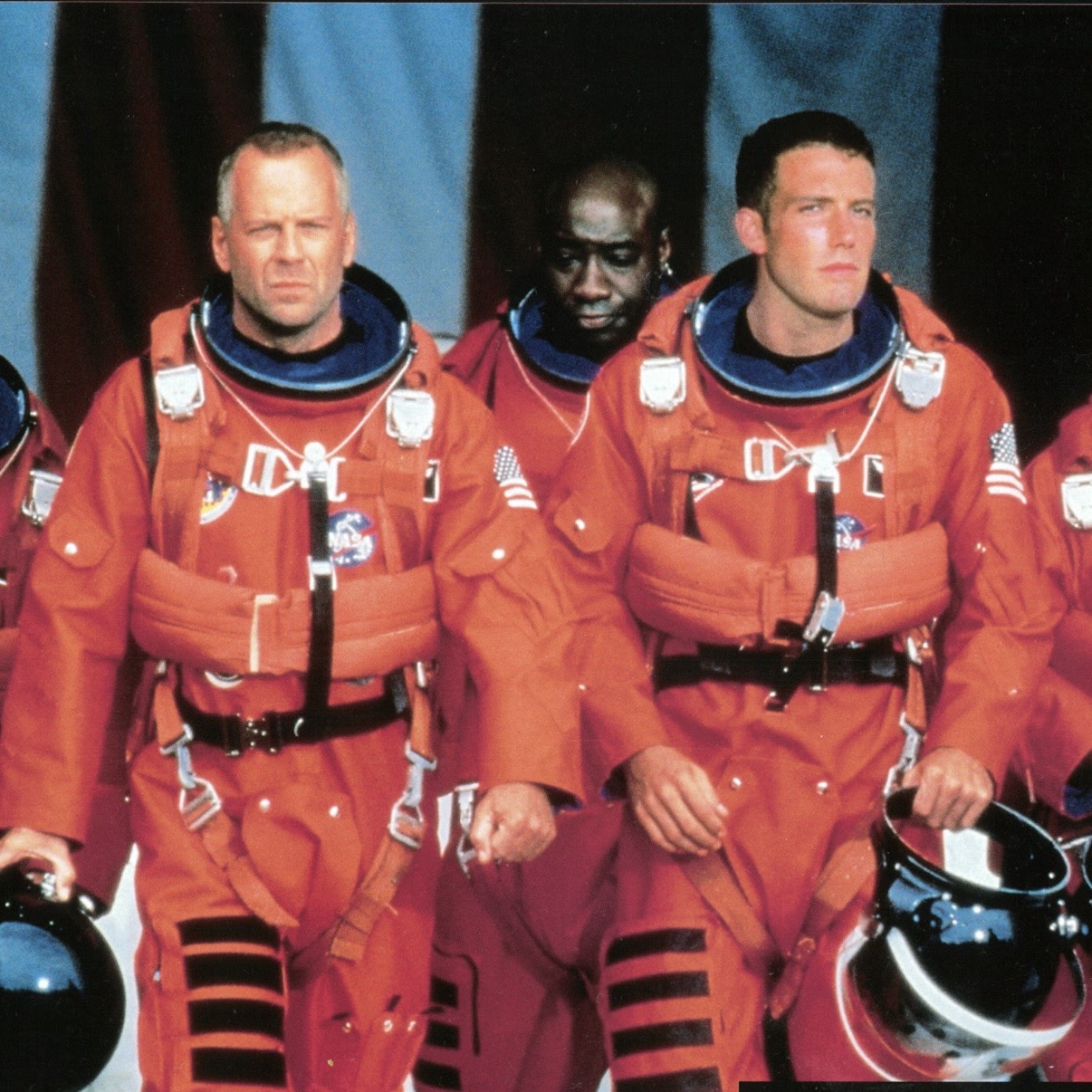
Michael Bay’s action-packed blockbuster, Armageddon, presents a high-stakes scenario where humanity’s survival hangs precariously in the balance. A colossal asteroid is on a collision course with Earth, threatening to cause an extinction-level event. In a desperate bid to avert disaster, NASA assembles a team of elite oil drillers, including Harry Stamper (Bruce Willis), A.J. Frost (Ben Affleck), and Rockhound (Steve Buscemi), to embark on a perilous mission to drill into the asteroid and detonate a nuclear bomb, thereby destroying it.
The film is characterized by its relentless pacing, explosive set pieces, and an ensemble cast that includes notable actors like Ben Stiller, Liv Tyler, and Michael Clarke Duncan. While lauded for its entertainment value and thrilling action, Armageddon also features the iconic power ballad "I Don’t Want to Miss a Thing," performed by Aerosmith, which became a massive hit in 1998 and remains synonymous with the film. It’s a classic example of a disaster movie that captures the public’s imagination with its grand scale and dramatic urgency.
10. Gravity (2013)
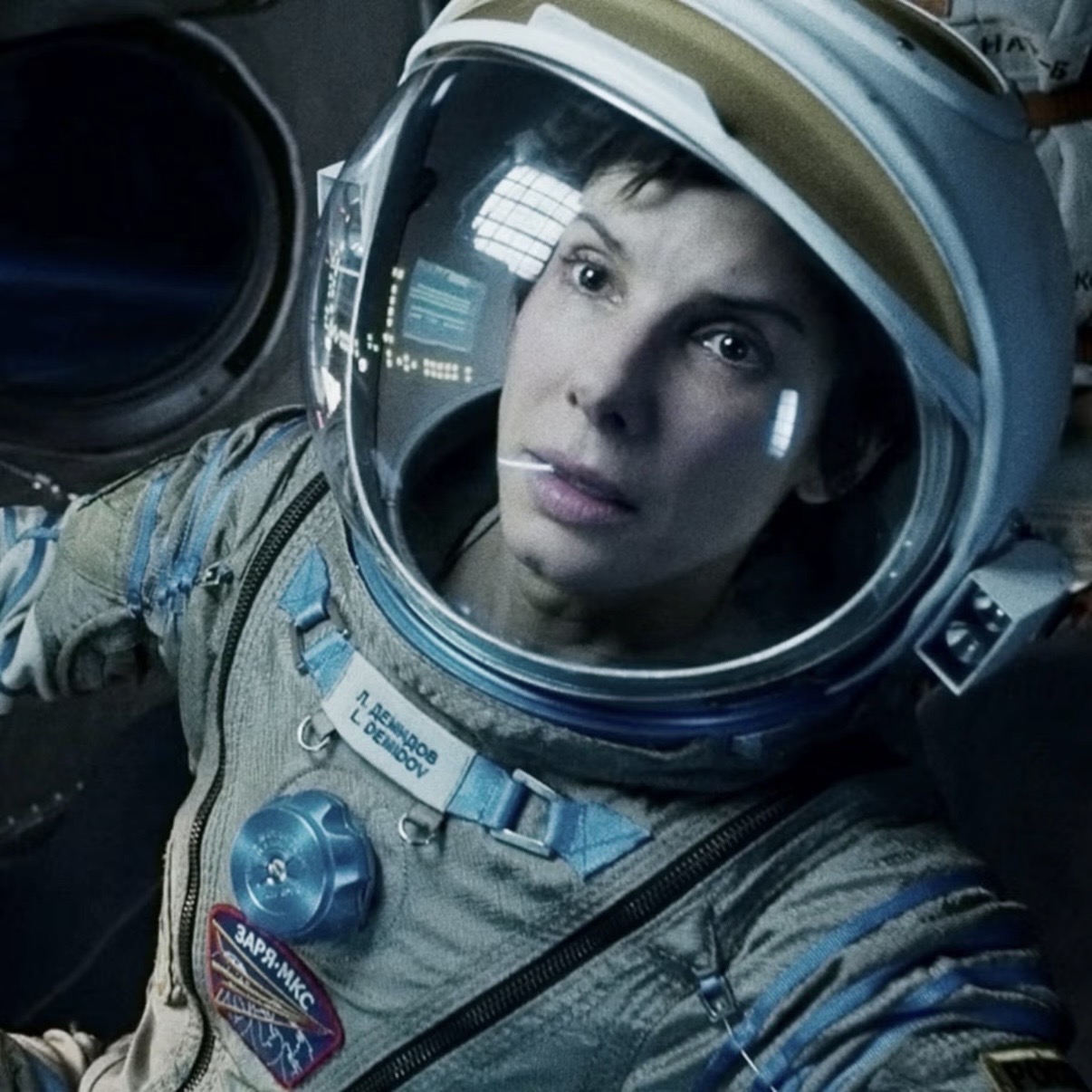
Alfonso Cuarón’s visually stunning and intensely suspenseful film, Gravity, places the audience directly into the unforgiving environment of space. Sandra Bullock stars as Dr. Ryan Stone, a medical engineer on her first space mission, who finds herself adrift in orbit after her shuttle is destroyed by a debris field from a Russian satellite explosion. Alongside veteran astronaut Matt Kowalski, played by George Clooney, Dr. Stone must battle the vast emptiness of space and her own psychological trauma to find a way back to Earth.
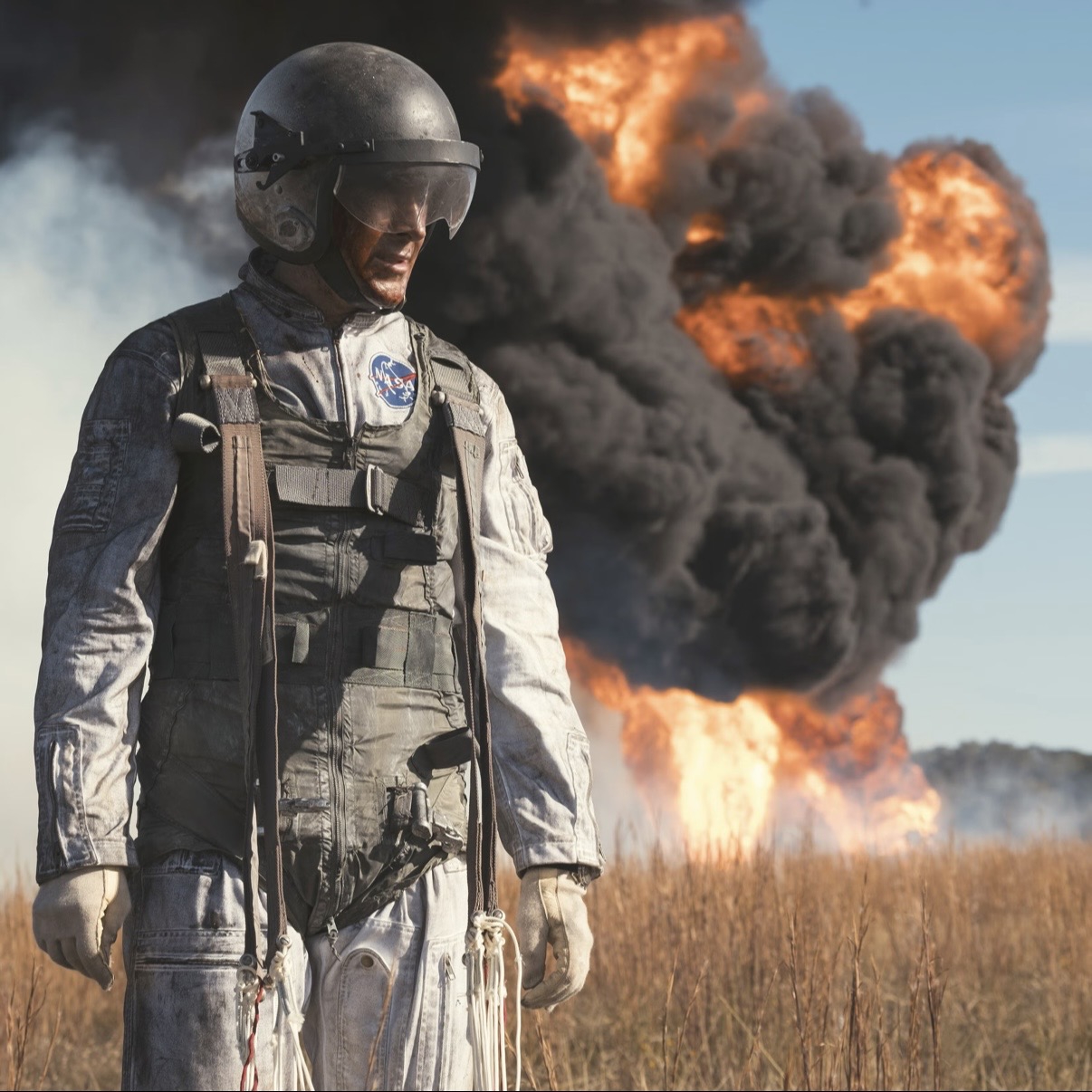
Gravity is celebrated for its groundbreaking cinematography, immersive sound design, and its ability to convey the sheer terror and isolation of being lost in space. Beyond the breathtaking visuals and thrilling survival narrative, the film is a profound exploration of human resilience, the will to live, and the emotional journey of overcoming profound loss. Its technical achievements were widely recognized, earning it seven Academy Awards, including Best Director.
11. A Trip to the Moon (1902)
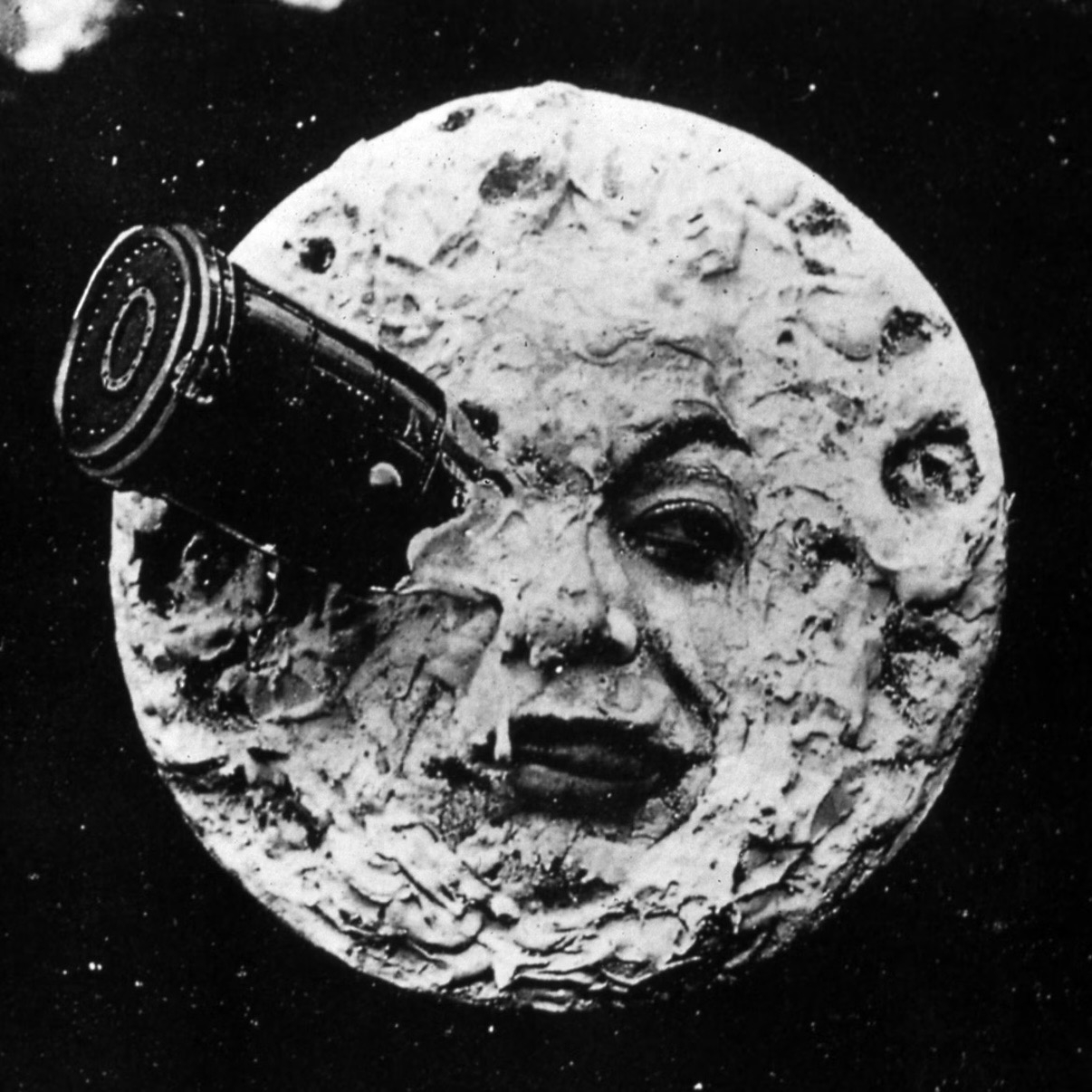
Georges Méliès’s silent film classic, A Trip to the Moon, stands as one of the most important and influential works in the history of cinema. Inspired by the novels of Jules Verne, this pioneering film depicts a group of astronomers who board a bullet-shaped spacecraft and journey to the Moon. Upon arrival, they encounter the Selenites, the inhabitants of the Moon, leading to a fantastical and often comical confrontation before their return to Earth.
A Trip to the Moon is a landmark achievement in early filmmaking, showcasing Méliès’s innovative use of special effects, elaborate sets, and imaginative storytelling. It established many of the tropes and visual conventions that would come to define cinematic science fiction. Its enduring legacy lies not only in its historical significance but also in its whimsical charm and its ability to spark the imagination, reminding us of the enduring human dream of venturing beyond our terrestrial confines.
12. Independence Day (1996)
Roland Emmerich’s explosive alien invasion spectacle, Independence Day, became a cultural phenomenon upon its release. Set just days before the Fourth of July, the film depicts a coordinated global attack by an extraterrestrial force. The narrative follows a diverse group of characters, including President Thomas J. Whitmore (Bill Pullman), fighter pilot Steven Hiller (Will Smith), and brilliant computer scientist David Levinson (Jeff Goldblum), as they band together to fight back against the invaders.
The film is renowned for its grand scale, thrilling action sequences, and its blend of patriotism and sci-fi adventure. The iconic scene where President Whitmore delivers a rousing speech to rally the troops, and the ingenious plot to use a computer virus to disable the alien mothership, are memorable highlights. Independence Day is a quintessential blockbuster that captures the excitement and anxieties surrounding the idea of extraterrestrial contact, offering a thrilling cinematic battle for the survival of humanity.
13. WALL-E (2008)
Pixar Animation Studios’ WALL-E is a critically acclaimed animated film that combines heartwarming storytelling with a powerful environmental message. Set in a distant future where Earth has become a desolate wasteland littered with trash, the film follows the last remaining robot on the planet, WALL-E (Waste Allocation Load Lifter: Earth-Class), a diligent trash compactor who has developed a personality and a sense of curiosity. His mundane existence is disrupted by the arrival of EVE, a sleek reconnaissance robot sent from a massive spaceship where humanity now resides.
The ensuing romance between WALL-E and EVE is as charming as it is touching, driving the narrative towards a larger story about humanity’s detachment from nature and their over-reliance on technology. The film’s visual splendor, its minimal dialogue in the initial stages, and its profound themes of environmentalism, consumerism, and the importance of human connection make WALL-E a deeply moving and thought-provoking cinematic experience for audiences of all ages.
14. Hidden Figures (2016)
Based on the non-fiction book by Margot Lee Shetterly, Hidden Figures tells the inspiring true story of the brilliant African-American women who worked as mathematicians and engineers at NASA’s Langley Research Center during the early years of the U.S. space program. Taraji P. Henson, Octavia Spencer, and Janelle Monáe star as Katherine Johnson, Dorothy Vaughan, and Mary Jackson, respectively. These women, often overlooked and underappreciated due to racial and gender discrimination, played a pivotal role in crucial missions, including those of Project Mercury and the Apollo program.
The film powerfully highlights their intellect, perseverance, and groundbreaking contributions to space exploration. Hidden Figures is not only a celebration of scientific achievement but also a compelling narrative about overcoming systemic injustice and advocating for equality. It shines a much-deserved light on these remarkable women whose work was instrumental to some of the most significant moments in human history.
15. Solaris (1972)
Andrei Tarkovsky’s philosophical masterpiece, Solaris, offers a profound and introspective exploration of memory, consciousness, and the human psyche, set against the backdrop of deep space. The film centers on psychologist Kris Kelvin, who is sent to a space station orbiting the mysterious planet Solaris. The crew aboard the station has been experiencing increasingly bizarre and unsettling phenomena, including vivid hallucinations that manifest as physical apparitions of loved ones from their past.
Adapted from Stanislaw Lem’s 1961 novel, Solaris is renowned for its meditative pacing, its haunting imagery, and its complex thematic depth. While a 2002 remake by Steven Soderbergh also explored the narrative, Tarkovsky’s original 1972 version is widely recommended for its more profound and psychedelic experience. The film challenges viewers to confront their own inner worlds and the nature of reality itself, making it a truly singular and thought-provoking piece of cinema.
The enduring appeal of space exploration, both in reality and through the lens of cinema, lies in its ability to inspire awe, spark curiosity, and remind us of the vastness of the universe and our place within it. As humanity continues its journey outward, these films serve as potent reminders of our past achievements, our current endeavors, and the boundless possibilities that lie ahead.