Azin Asro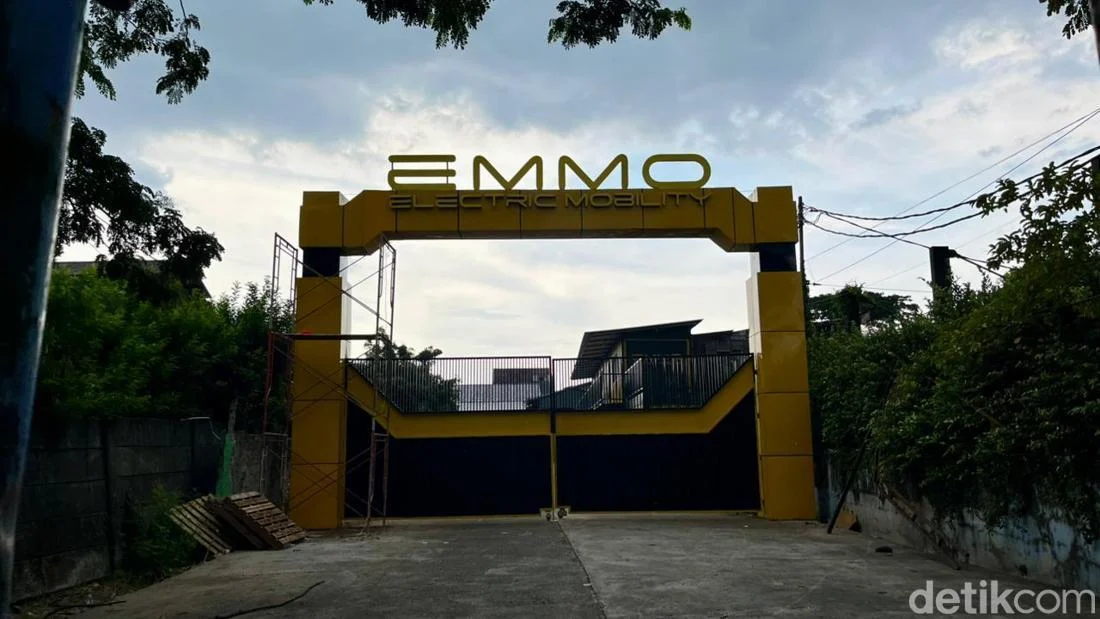
The National Nutrition Agency (Badan Gizi Nasional or BGN) has recently become the center of a developing controversy following its decision to place a massive procurement order for approximately 25,000 electric motorcycles from a relatively unknown brand, Emmo. This move has triggered widespread public inquiry and professional skepticism within the automotive and administrative sectors, primarily because the brand in question lacks a visible track record, a functioning dealer network, or a verifiable manufacturing presence in Indonesia. The scale of the order—valued in the hundreds of billions of rupiah based on average electric vehicle pricing—contrasts sharply with the apparent absence of the infrastructure required to support such a fleet. As the Indonesian government pushes for an accelerated transition to electric mobility, this specific procurement case highlights critical questions regarding vendor vetting, transparency in government spending, and the operational readiness of the National Nutrition Agency’s logistical plans.
The Genesis of Emmo Electric Mobility
To understand the current controversy, one must examine the history and public profile of Emmo Electric Mobility. According to information available on the company’s official digital platforms, Emmo claims to have been established in 2021. The company’s stated mission is to spearhead a "revolution in electric transportation" within Indonesia, with an initial focus on providing affordable, environmentally friendly electric bicycles and motorcycles to the general public. Despite these ambitious goals, the company remained largely under the radar for its first three years of existence, with little to no media presence or consumer reviews typical of a growing automotive player.
A peculiar aspect of Emmo’s corporate history is the timeline presented on its official website. After mentioning its founding in 2021, the company’s chronological record skips the years 2022, 2023, and 2024 entirely, jumping straight to milestones dated in 2025 and 2026. This forward-dated timeline has led many observers to question the authenticity of the company’s claims. For instance, the company’s website asserts that in 2025, Emmo successfully launched new electric trail bikes and scooters that received "positive market reception." Furthermore, the company claims that by 2026, it had established a network of 50 official dealers across major Indonesian cities to strengthen customer trust and provide after-sales service. Given that the current date is still 2024, these "milestones" appear to be aspirational projections rather than historical facts, yet they are presented as completed achievements on the company’s portal.
Discrepancies in Physical Infrastructure and Dealer Networks
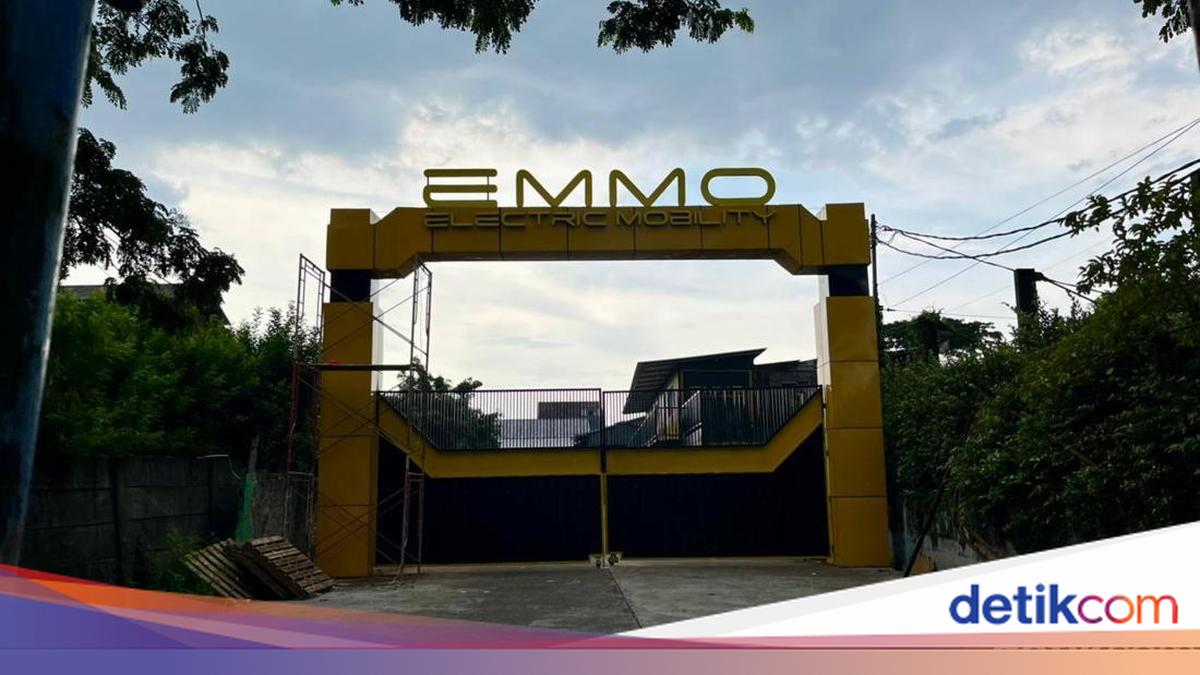
The most significant red flag regarding the BGN procurement involves the physical reality of Emmo’s operations. Journalistic investigations into the brand’s presence in Jakarta revealed a stark lack of readiness. While the company’s website implies a robust national network, researchers have found only one purported "dealer" location, situated in the Grogol area of West Jakarta.
Upon physical inspection, this facility was found to be far from operational. Reports indicate that the building was still undergoing basic renovations, with no showroom displays, no inventory of vehicles, and no functioning workshop for maintenance or repairs. The absence of a service center is particularly concerning for a procurement order of 25,000 units. In the automotive industry, after-sales support is a critical component of any fleet agreement, especially for electric vehicles (EVs) which require specialized technicians and a consistent supply of spare parts, such as batteries and controllers. The fact that a government agency would commit to such a large volume of vehicles from a vendor that does not yet have a single functional service center raises serious questions about the risk assessment performed by the National Nutrition Agency’s procurement officers.
The Role of the National Nutrition Agency and the Free Meal Program
The National Nutrition Agency is a newly formed body under the current administration, tasked with the ambitious goal of improving the nutritional standards of the Indonesian population. Its flagship initiative is the "Free Nutritious Meal" program, which aims to provide daily meals to millions of students and vulnerable groups across the archipelago. The procurement of 25,000 electric motorcycles is reportedly intended to facilitate the logistics of this program.
The logic behind the procurement is centered on the "last-mile" delivery of meals from central kitchens to schools and community centers. Given Indonesia’s complex urban geography and congested traffic, motorcycles are a logical choice for efficient distribution. Furthermore, the choice of electric motorcycles aligns with President Prabowo Subianto’s commitment to green energy and the reduction of carbon emissions. However, the scale of this specific order—25,000 units—is unprecedented for a new agency. For context, this order size is comparable to the entire annual sales volume of some established mid-tier electric motorcycle brands in Indonesia.
Government Procurement Regulations and TKDN Standards
In Indonesia, government procurement is governed by strict regulations managed by the National Public Procurement Agency (LKPP). One of the most critical requirements for automotive procurement is the Domestic Component Level (Tingkat Komponen Dalam Negeri or TKDN). To qualify for government contracts and to be eligible for state-funded subsidies, electric motorcycles must typically meet a minimum TKDN threshold, which currently stands at 40%.
Established brands like Gesits, Polytron, Alva, and United E-Motor have invested significantly in local assembly plants and domestic supply chains to meet these requirements. As of late 2024, there is no public record of Emmo Electric Mobility possessing a local manufacturing facility or having achieved the necessary TKDN certification for its products. This lack of certification would theoretically disqualify the brand from large-scale government contracts. The ambiguity surrounding how Emmo secured an order of this magnitude without verifiable TKDN compliance has led to calls for an audit of the procurement process to ensure that no regulations were bypassed.
Comparative Analysis: Emmo vs. Established EV Players
To illustrate the anomaly of the Emmo order, it is helpful to compare it with the performance of established players in the Indonesian EV market. According to data from the Ministry of Industry, the adoption of electric motorcycles in Indonesia has been growing, but it remains a challenging market.
- Gesits: As one of the pioneers of Indonesian-made electric bikes, Gesits has a verified factory in Cileungsi and a TKDN rating of nearly 47%.
- Polytron: A major electronics manufacturer that entered the EV space, Polytron has a nationwide service network and high domestic content.
- Alva (IMG): Known for its high-performance scooters, Alva has secured significant venture capital and operates modern experience centers.
Each of these brands has spent years building brand equity, manufacturing capacity, and service infrastructure. In contrast, Emmo has seemingly appeared out of nowhere to secure one of the largest single government orders in the history of the Indonesian EV sector. This "leapfrog" achievement, without the prerequisite industrial foundation, is what has caused such intense scrutiny from automotive analysts and transparency advocates.
Public and Industry Reactions
The news of the 25,000-unit order has elicited a range of reactions. On social media, the public has expressed skepticism, with many users questioning the transparency of the vendor selection process. Comments often highlight the risk of "vaporware"—a term used to describe products that are advertised but never actually delivered or produced in the promised quantities.
Industry experts have also voiced concerns regarding the operational viability of the deal. "A fleet of 25,000 motorcycles requires a massive logistics operation just for delivery, let alone daily maintenance," noted one automotive analyst. "If these bikes are distributed across the country and a battery fails or a motor malfunctions, who is going to fix them? Without a dealer network, these vehicles could become expensive electronic waste within six months."
The Indonesian Electric Vehicle Industry Association (Periklindo) has generally advocated for the use of locally produced EVs in government programs, but the association emphasizes that such vendors must be credible and capable of fulfilling their obligations. While Periklindo has not issued a formal condemnation of the Emmo deal, the general sentiment within the industry is one of bewilderment regarding the selection criteria used by the National Nutrition Agency.
Broader Implications and Potential Risks
The Emmo controversy carries broader implications for Indonesia’s governance and its transition to a green economy. If the procurement proceeds and the vendor fails to deliver or provide adequate service, it could damage the reputation of the National Nutrition Agency and, by extension, the Free Nutritious Meal program. Furthermore, it could sour public perception of electric vehicles, as failures in a high-profile government fleet are often highly publicized.
There is also the matter of fiscal responsibility. With 25,000 units at an estimated price of 15 million to 20 million IDR per unit, the total contract value could range from 375 billion to 500 billion IDR. For a newly established agency, the management of such a large budget requires the highest levels of oversight. Any suspicion of "crony capitalism" or favoritism in the selection of a non-established vendor like Emmo could lead to investigations by the Corruption Eradication Commission (KPK).
Conclusion and Future Outlook
The situation surrounding Emmo Electric Mobility and the National Nutrition Agency remains fluid. As of now, the public is waiting for a formal clarification from the BGN leadership regarding the due diligence performed on Emmo. Key questions remain: Does Emmo have a secret manufacturing partner? Is there a plan to rapidly build out the 50 dealers mentioned in their "future" timeline? And most importantly, how does the agency plan to ensure the longevity of these vehicles without an established support system?
For Indonesia to succeed in its dual goals of improving national nutrition and leading the regional EV transition, its administrative processes must be beyond reproach. The Emmo case serves as a cautionary tale about the intersection of ambitious government programs and the nascent electric vehicle industry. As the story unfolds, it will likely serve as a litmus test for the transparency and efficiency of the country’s new administrative era. If the procurement is to be validated, a significant and rapid demonstration of physical infrastructure and product reliability from Emmo will be necessary to silence the growing chorus of critics. Until then, the 25,000-unit order remains a symbol of the challenges inherent in large-scale state-driven industrial and social transformations.