Lusiana Hamidun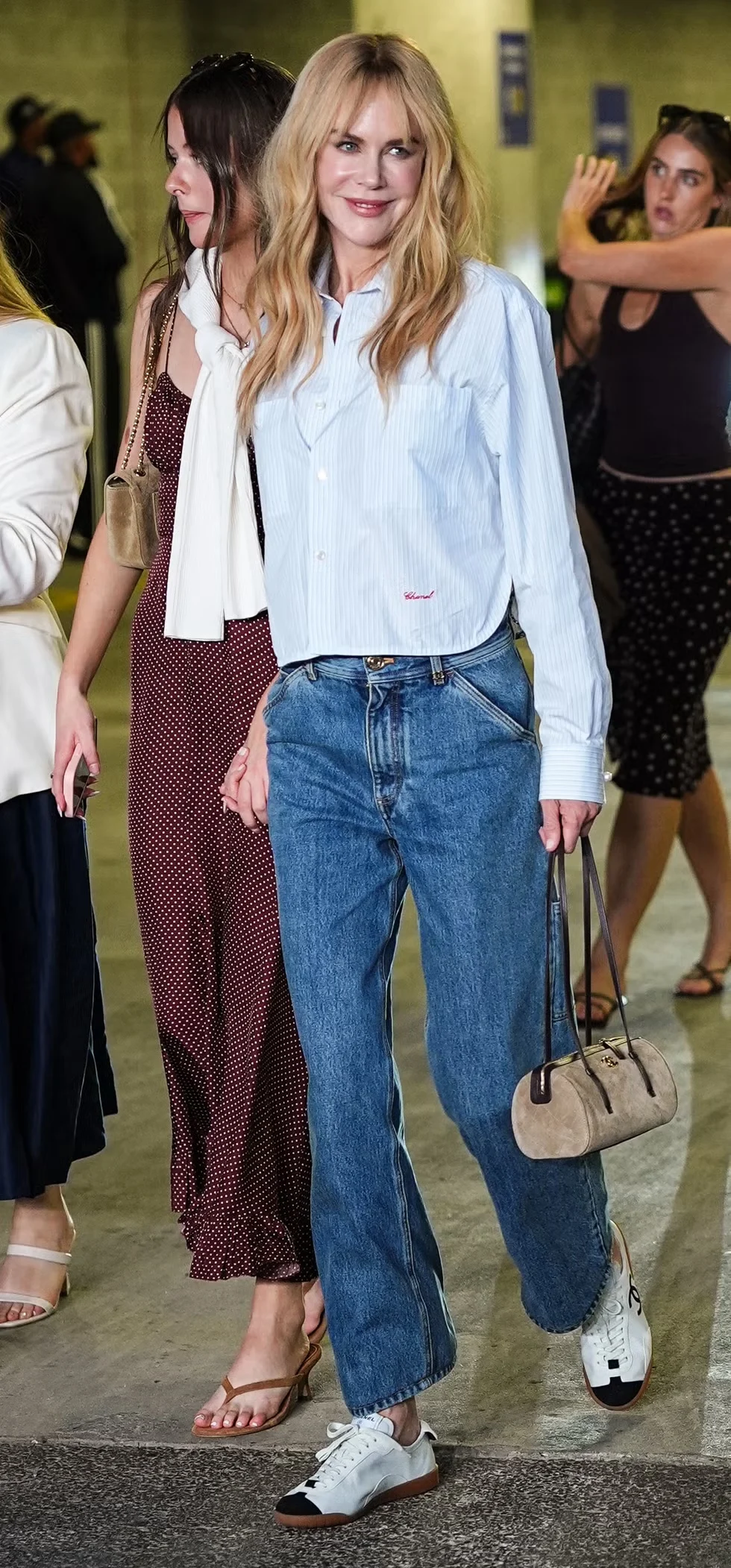
The USTA Billie Jean King National Tennis Center in Flushing, New York, serves as more than just the stage for the final Grand Slam of the tennis calendar; it has evolved into a premier destination for fashion, celebrity visibility, and cultural convergence. On Friday, September 11, the venue hosted its 13th day of the US Open, drawing a capacity crowd that included Academy Award-winning actress Nicole Kidman and her daughter, Faith Margaret Kidman Urban. Their attendance provided a masterclass in subtle, synchronized dressing, blending luxury craftsmanship with the relaxed demands of high-stakes sports spectating.
A Study in Sophisticated Casual Wear
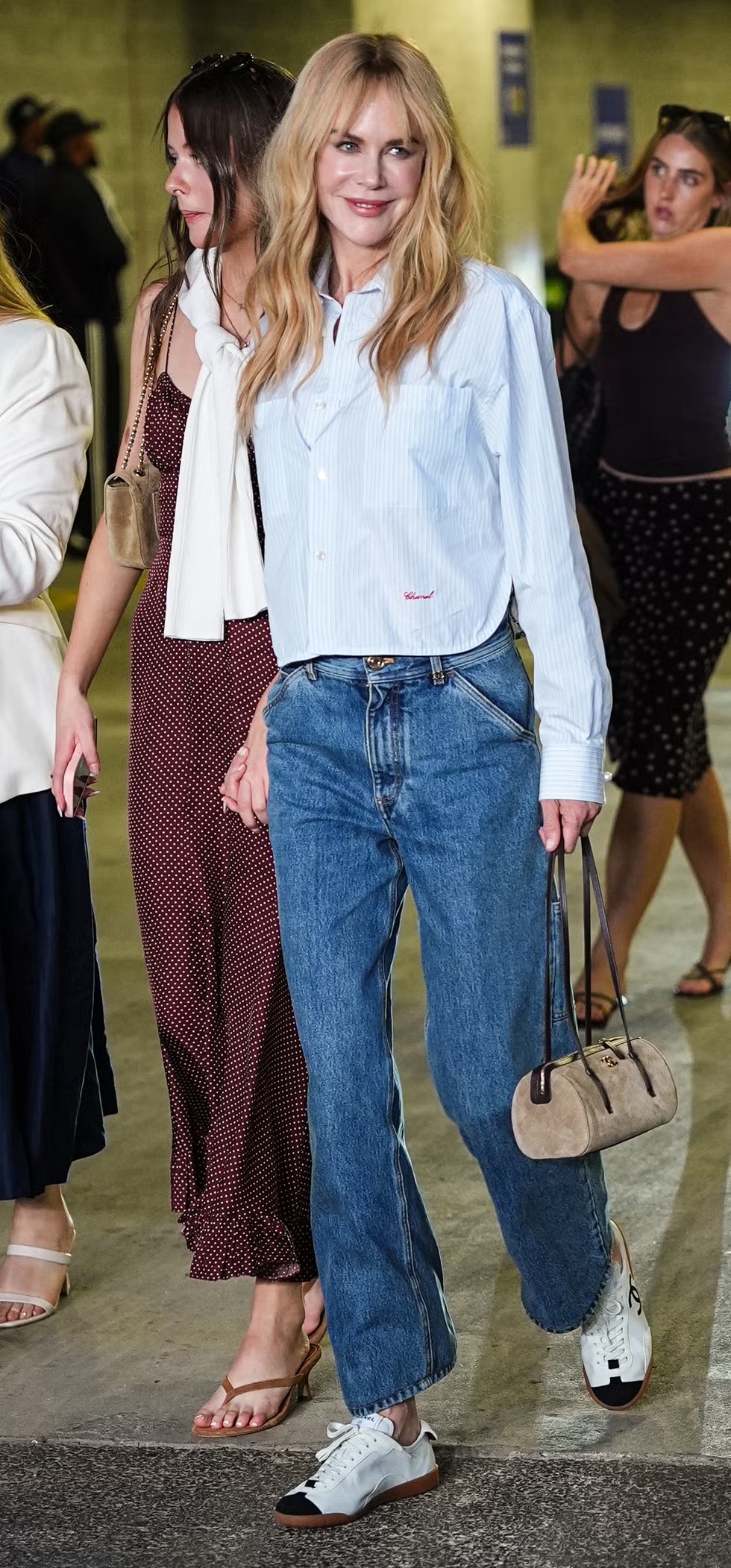
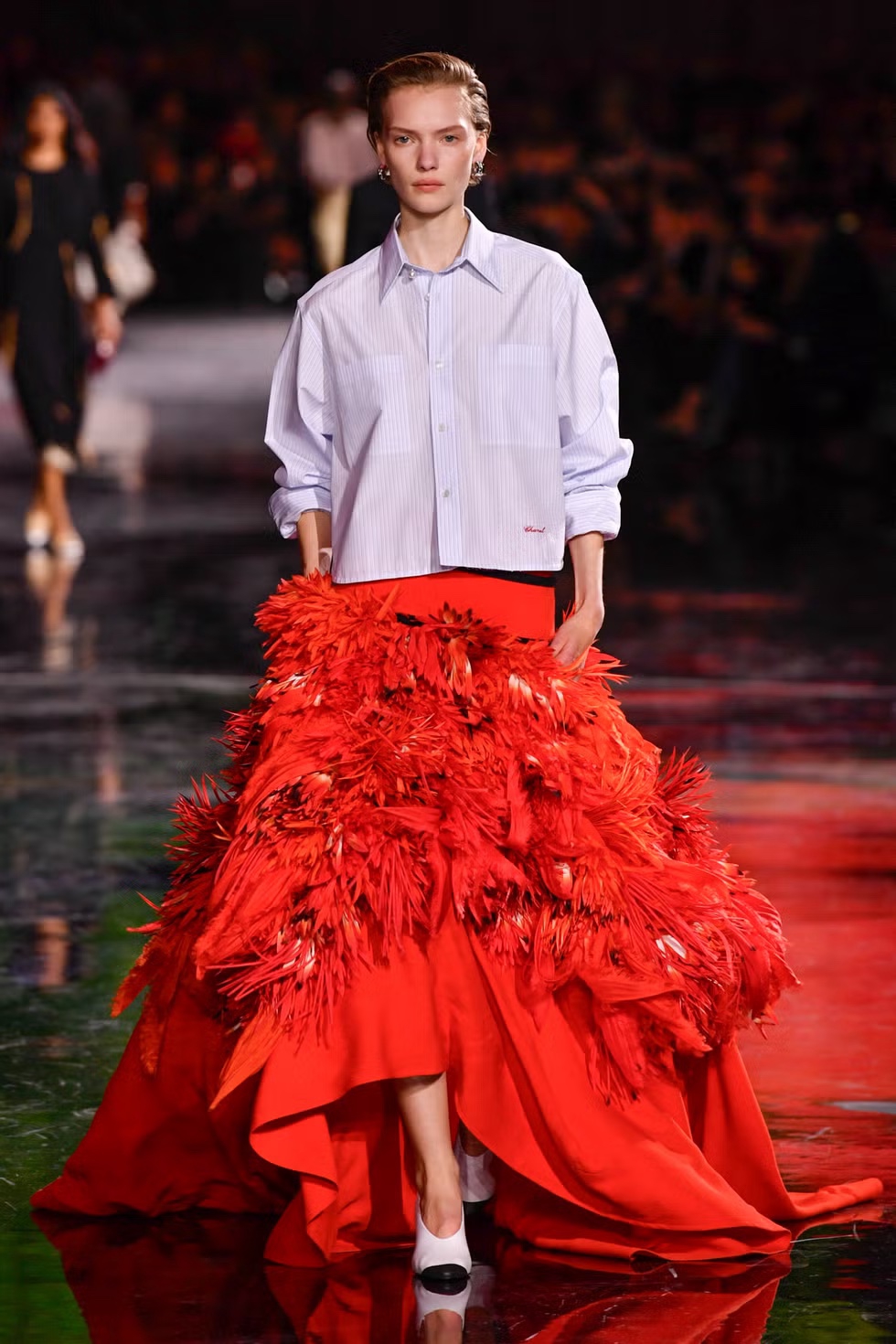
Nicole Kidman, a figure long synonymous with high-fashion elegance, approached the event with a stylistic philosophy centered on functional luxury. Her ensemble was anchored by a boxy, button-down shirt from Chanel’s Spring/Summer 2026 runway collection. The garment, characterized by a crisp pinstripe pattern, oversized utility pockets, and a cropped hemline, offered a fresh take on the brand’s traditional silhouettes. By wearing the shirt partially unbuttoned, Kidman achieved an effortless aesthetic that balanced the structural integrity of starch-treated cuffs with the fluid comfort required for a long afternoon in the stands.
Complementing the top, the actress opted for a pair of baggy denim trousers—a silhouette that aligns with current shifts toward looser, more relaxed tailoring in high-end streetwear. The outfit was grounded by Chanel’s signature white sneakers, featuring the classic black cap-toe and the interlocking ‘CC’ logo. The look was completed with a tan, quilted suede duffel bag, a piece that provided a textural contrast to the structured denim and cotton shirt, effectively bridging the gap between utilitarian accessory and luxury statement piece.
Synchronized Style: The Intergenerational Aesthetic
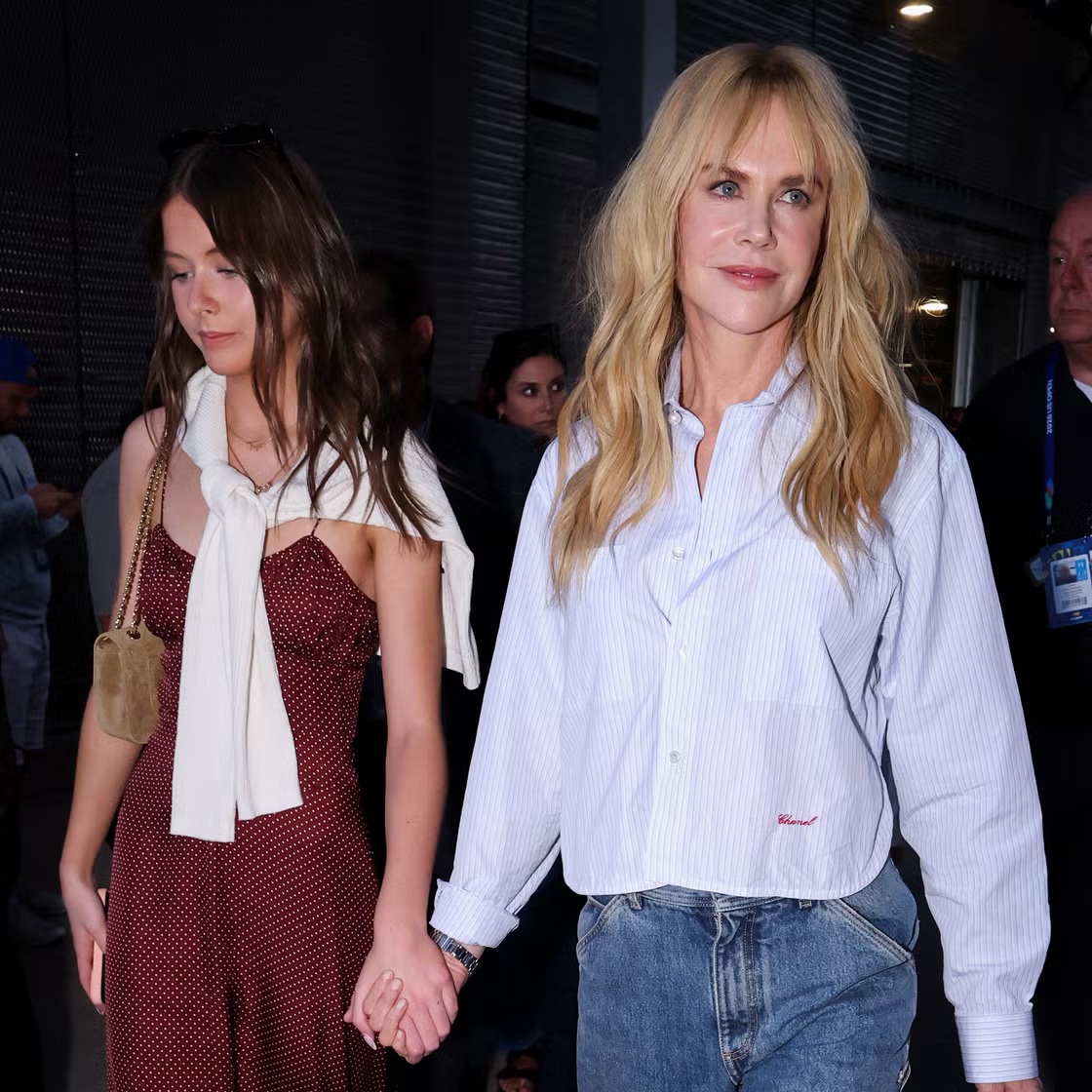
Faith Margaret Kidman Urban, 15, offered a compelling counterpoint to her mother’s ensemble. While the elder Kidman favored a structured, athletic-inspired look, Faith opted for a maroon maxi dress adorned with delicate polka dots. The dress, featuring spaghetti straps and a ruffled, floor-length hem, provided a romantic, elevated interpretation of courtside attire.
The coordination between the two was deliberate yet understated. The deep, rich tones of the maroon embroidery on Kidman’s shirt served as a subtle color-matching bridge to Faith’s dress. Both women integrated their individual styles with specific Chanel accessories—most notably, both sported matching tan suede bags—creating a visual narrative of shared taste without resorting to literal twinning. Faith further adapted her look for the stadium environment by layering a white sweater over her shoulders, a practical and stylistic choice that acknowledged the fluctuating temperatures of the Flushing Meadows setting.
The US Open as a Global Fashion Stage
The US Open has increasingly become a focal point for the luxury fashion industry. In recent years, the intersection of top-tier tennis and high fashion has mirrored the trajectory of events like the Met Gala or the Cannes Film Festival. The presence of public figures such as Kidman serves as a strategic marketing touchpoint for houses like Chanel, which utilize the massive global television audience of the tournament to showcase upcoming seasonal pieces.
The 2026 tournament, in particular, has seen a higher frequency of luxury brand integration. Market analysts suggest that the "courtside" aesthetic—a hybrid of athleisure and high-end couture—has become a primary driver of consumer interest in luxury retail during the late summer and early autumn periods. By placing runway-fresh pieces in an accessible, real-world setting, fashion houses can demonstrate the wearability of their designs in a way that traditional editorial photography cannot.
Chronology and Context of the 2026 Tournament
The 13th day of the US Open represents the business end of the tournament, usually hosting the semi-final rounds. For spectators, these days are marked by high tension and significant media scrutiny. The atmosphere at the Billie Jean King National Tennis Center is unique, characterized by the roar of the New York crowd and the relentless energy of the city.
Kidman’s appearance followed a period of intense public activity for the actress. Earlier in the year, she drew significant media attention for her involvement in the promotional tours for Practical Magic 2 alongside Sandra Bullock, as well as her notable red-carpet appearances in custom Versace designs by Pieter Mulier. Her ability to pivot from high-octane gala fashion to the polished, casual aesthetic seen at the US Open underscores the versatility required of modern public figures who function as global brand ambassadors.
Economic and Cultural Implications
The strategic placement of luxury goods at major sporting events is part of a broader trend in luxury marketing. According to fashion industry data, luxury brands have shifted their focus toward "experiential visibility." By aligning with events that command global attention, brands like Chanel can maintain relevance among younger demographics—such as the cohort represented by Faith Margaret Kidman Urban—while retaining their established, affluent customer base.
Furthermore, the "Quiet Luxury" movement, which emphasizes quality materials and subtle branding over ostentatious logos, remains a powerful force in 2026. Kidman’s outfit—which featured brand signatures without relying on overt, flashy branding—is a textbook example of this trend. The focus remains on the silhouette, the cut, and the textile quality, rather than the price tag.
Professional Analysis of the Ensemble
From a design perspective, Kidman’s choice to roll up her sleeves to hold her daughter’s hand added a humanizing element to an otherwise highly curated outfit. This small gesture, captured by photographers, transformed the image from a mere fashion editorial to a candid documentation of personal life. It suggests that while the garments are high-fashion, the intent behind the styling was comfort and connection.
Faith’s choice of sandal-heels and a ruffled maxi dress reflects the ongoing "coquette" aesthetic, which prioritizes soft textures and feminine silhouettes. By pairing this with a high-end luxury bag, she highlights the trend of "high-low" styling, where youthful, accessible silhouettes are elevated by high-fashion accessories.
Conclusion: The Evolution of Celebrity Spectating
The sight of Nicole Kidman and her daughter at the US Open serves as a microcosm of the modern celebrity experience. It is a calculated, yet natural-appearing, integration of personal life and public branding. As the fashion industry continues to blur the lines between runway and reality, the tennis court has cemented its status as the premier runway for the world’s most influential figures.
For the spectators and fans, these appearances provide more than just a glimpse into the private lives of celebrities; they set the tone for seasonal trends. As the industry moves into the late 2026 fashion cycle, the "courtside casual" aesthetic championed by Kidman—defined by structured denim, pinstripe shirts, and cohesive accessories—is likely to see a surge in influence across both luxury and mid-market retail sectors. The event was not merely a display of tennis prowess, but a reaffirmation of the enduring power of style in the public sphere.