Chalifah Fatihah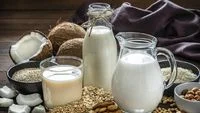
Maintaining healthy cholesterol levels is paramount for overall well-being, and crucially, for the health of the heart. While prescription medications offer a direct route to lowering cholesterol, incorporating specific beverages into one’s diet can serve as a powerful, natural adjunct to managing these vital levels. High cholesterol, particularly elevated levels of low-density lipoprotein (LDL) or "bad" cholesterol, is a significant risk factor for cardiovascular diseases, including heart attacks and strokes. This occurs when plaque builds up in the arteries, impeding blood flow. Beyond a healthy diet and regular exercise, the judicious selection of drinks plays a pivotal role in keeping cholesterol in check.
The scientific community has long recognized the intricate relationship between dietary intake and cardiovascular health. Numerous studies have elucidated the mechanisms by which certain foods and beverages can positively influence lipid profiles. This article delves into a selection of drinks, supported by scientific evidence, that possess the potential to not only reduce LDL cholesterol but also to elevate high-density lipoprotein (HDL) or "good" cholesterol, thereby contributing to a more robust cardiovascular system.
The Silent Threat of High Cholesterol
Before exploring the beneficial beverages, it’s crucial to understand the pervasive nature of high cholesterol. Globally, cardiovascular diseases remain the leading cause of death. The World Health Organization (WHO) estimates that in 2019, these diseases claimed 17.9 million lives, representing 32% of all global deaths. A substantial portion of these deaths is attributable to conditions directly linked to atherosclerosis, the process driven by elevated cholesterol levels.
The medical consensus, as outlined by organizations like the American Heart Association, is that optimal LDL cholesterol levels should ideally be below 100 milligrams per deciliter (mg/dL) for most adults. For individuals with existing heart disease or multiple risk factors, this target can be even lower. When LDL cholesterol levels consistently exceed these benchmarks, the risk of developing coronary artery disease, peripheral artery disease, and other serious conditions escalates.
A Deeper Dive into Cholesterol-Lowering Beverages
The following beverages have demonstrated properties that can contribute to a healthier lipid profile, offering a natural and accessible approach to cholesterol management.
1. Green Tea: A Potent Antioxidant Elixir
Green tea, a staple in many cultures for centuries, is lauded for its rich content of antioxidants, particularly catechins. These powerful compounds are believed to play a significant role in reducing LDL cholesterol in the bloodstream. Furthermore, green tea contains polyphenols, which have been associated with a decrease in both LDL cholesterol and triglycerides, another type of fat in the blood that can contribute to heart disease risk.
Research, including meta-analyses of multiple studies, has consistently pointed towards the benefits of regular green tea consumption. For instance, a 2011 study published in the American Journal of Clinical Nutrition analyzed data from 14 randomized controlled trials and found that green tea consumption significantly reduced total cholesterol and LDL cholesterol levels. The mechanism is thought to involve inhibiting cholesterol absorption in the gut and increasing the excretion of cholesterol.
2. Oat Milk: The Fiber Powerhouse
Oat milk, derived from whole oats, is an excellent source of soluble fiber, specifically beta-glucan. This type of fiber is renowned for its ability to bind to cholesterol in the digestive tract, preventing its absorption into the bloodstream. Consequently, this binding action leads to a reduction in overall blood cholesterol levels.
Studies have indicated that oat-based beverages can be particularly effective in lowering cholesterol. A review published in the journal Nutrients in 2019 highlighted that regular consumption of beta-glucan-rich foods, including oat milk, can lead to significant reductions in LDL cholesterol. The efficacy of oat milk is often attributed to its concentrated form of beta-glucan compared to other oat products.
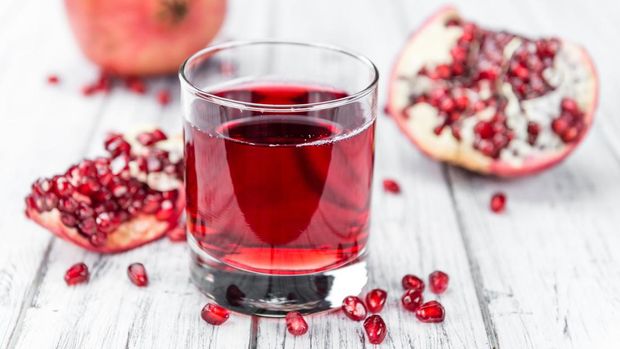
3. Pomegranate Juice: A Burst of Antioxidant Protection
Pomegranate juice is celebrated for its exceptionally high antioxidant content, often surpassing that of many other fruit juices. These antioxidants, including punicalagins and anthocyanins, are instrumental in protecting blood vessels from oxidative damage, a key factor in the development of atherosclerosis. Moreover, research suggests that pomegranate juice can help to improve HDL cholesterol levels while simultaneously lowering LDL cholesterol.
A study published in the Journal of Agricultural and Food Chemistry in 2000 demonstrated that daily consumption of pomegranate juice for two weeks significantly reduced LDL oxidation and increased serum antioxidant levels in patients with hyperlipidemia. The anti-inflammatory properties of pomegranate juice also contribute to its cardiovascular benefits.
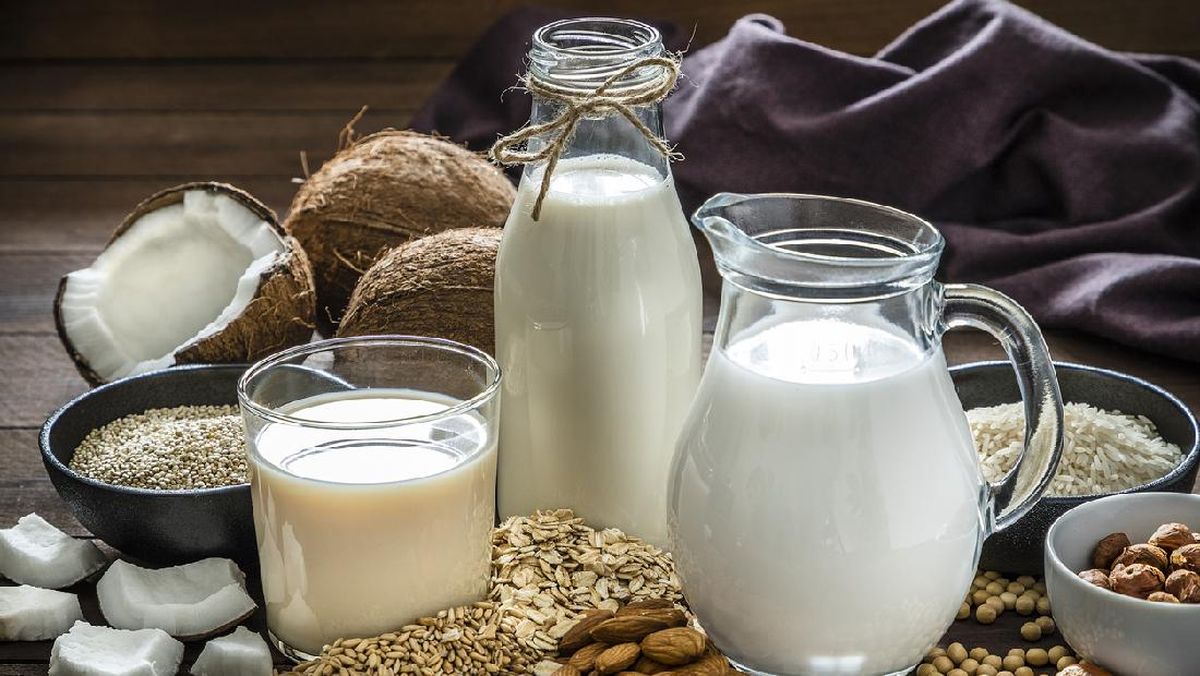
4. Soy Milk: A Dairy Alternative with Cholesterol-Lowering Capabilities
Soy milk offers a low-saturated-fat alternative to dairy milk and is recognized for its cholesterol-lowering properties. Products derived from soybeans have been shown to effectively reduce both total cholesterol and LDL cholesterol. This effect is attributed to the presence of plant sterols and isoflavones in soy.
The U.S. Food and Drug Administration (FDA) approved a health claim in 1999 stating that consuming soy protein in a diet low in saturated fat and cholesterol may reduce the risk of heart disease. Numerous studies have since corroborated this claim. A meta-analysis in the Journal of the American Heart Association in 2019 confirmed that soy foods consumption was associated with a modest reduction in LDL cholesterol.
5. Tomato Juice: Rich in Lycopene and Other Heart-Healthy Nutrients
Tomato juice is a valuable source of lycopene, a potent antioxidant that has been strongly linked to a reduction in LDL cholesterol levels. Beyond lycopene, tomato juice also contains fiber and niacin, both of which contribute to maintaining healthy cholesterol levels.
Research has indicated that regular consumption of unsalted tomato juice can lead to improvements in the lipid profiles of adults. A study published in the Journal of Nutritional Science and Vitaminology in 2012 found that participants who consumed tomato juice for 12 weeks experienced a significant reduction in LDL cholesterol and an increase in HDL cholesterol. It is advisable to opt for unsalted varieties to maximize health benefits.
6. Cocoa-Based Drinks: The Power of Flavonols
Drinks made from cocoa, particularly those derived from dark chocolate or unsweetened cocoa powder, contain flavonols, a type of antioxidant also found in dark chocolate. These flavonols have been shown to contribute to a reduction in LDL and total cholesterol in the blood.
While their effect on HDL cholesterol is less pronounced, cocoa-based beverages are considered beneficial for heart health, provided they are consumed without excessive added sugar. A review published in the British Journal of Nutrition in 2017 suggested that cocoa products rich in flavanols could have a positive impact on cardiovascular risk factors, including blood pressure and cholesterol.
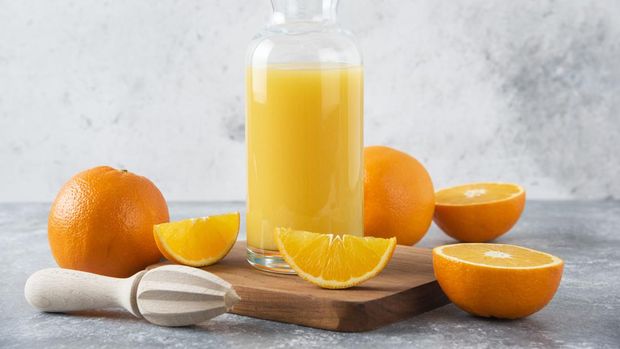
7. Orange Juice: A Citrus Boost for Cardiovascular Health
Orange juice is a well-known source of Vitamin C and a variety of antioxidants that are beneficial for maintaining heart health. Some studies have suggested a correlation between the consumption of oranges and orange juice and a reduction in LDL and total cholesterol levels in the blood.
The flavonoids present in citrus fruits are believed to play a role in improving blood vessel function. A study published in the Journal of the American College of Nutrition in 2000 found that daily consumption of orange juice for six weeks led to a significant decrease in LDL cholesterol in healthy men.
8. Pineapple Juice: Bromelain’s Potential Role
Pineapple juice contains the enzyme bromelain, which is believed to aid in the breakdown of cholesterol deposits in blood vessels. Furthermore, pineapple juice is rich in antioxidants that can help reduce inflammation and support the health of the cardiovascular system.
While human studies are more limited in this area, some animal research has shown promising results. A study on rats published in the Journal of Complementary and Integrative Medicine in 2018 indicated that regular pineapple consumption could improve lipid profiles.
9. Yogurt Drinks: Fortified for Cholesterol Control
Yogurt drinks fortified with plant sterols and stanols have emerged as a significant dietary tool for lowering cholesterol. These plant-derived compounds work by inhibiting the absorption of cholesterol in the intestines, thereby reducing the amount of LDL cholesterol that enters the bloodstream.
Clinical trials have consistently demonstrated the efficacy of sterol- and stanol-fortified foods. The European Food Safety Authority (EFSA) has approved claims that consuming 1.5-3 grams of plant sterols or stanols per day can reduce blood LDL cholesterol by 7-10% in 2-3 weeks. Consuming one to three servings of these fortified foods or beverages daily can contribute to significant improvements in cholesterol levels.
Beyond Beverages: A Holistic Approach to Heart Health
It is imperative to recognize that while these beverages can be powerful allies in cholesterol management, they are most effective when integrated into a broader healthy lifestyle. This includes a balanced diet rich in fruits, vegetables, whole grains, and lean proteins, coupled with regular physical activity.
Furthermore, for individuals with significantly elevated cholesterol levels or a history of cardiovascular disease, medical intervention may still be necessary. Regular health check-ups and consultations with healthcare professionals are crucial for monitoring one’s condition and tailoring a comprehensive management plan. The journey to a healthier heart is multifaceted, and informed dietary choices, such as incorporating these cholesterol-lowering drinks, represent a vital and accessible component of that journey. The ongoing scientific exploration into the complex interplay between diet and cardiovascular health continues to uncover new insights, reinforcing the importance of making informed choices for long-term well-being.