Tyo Susilo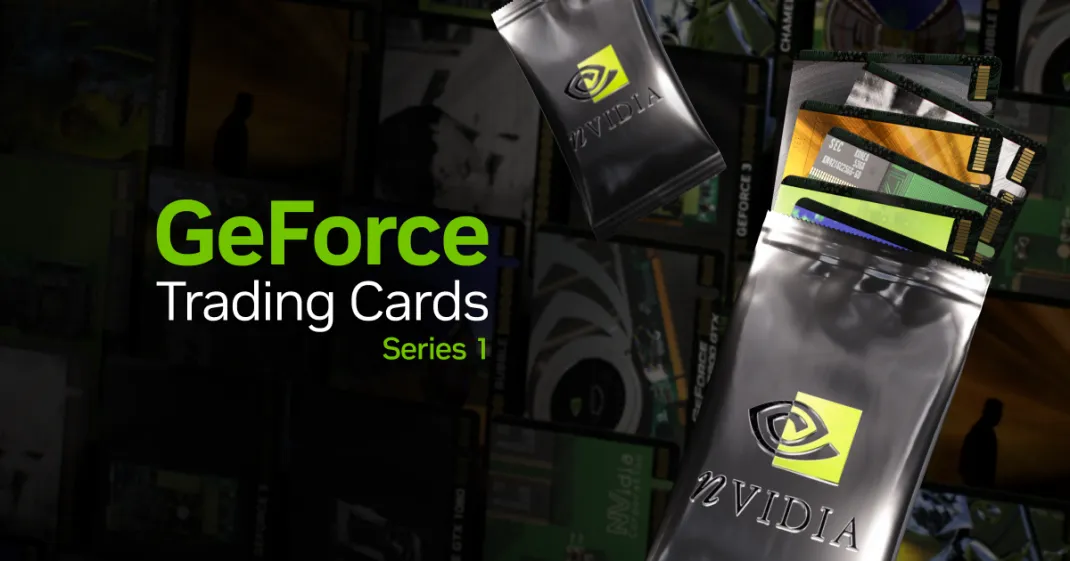
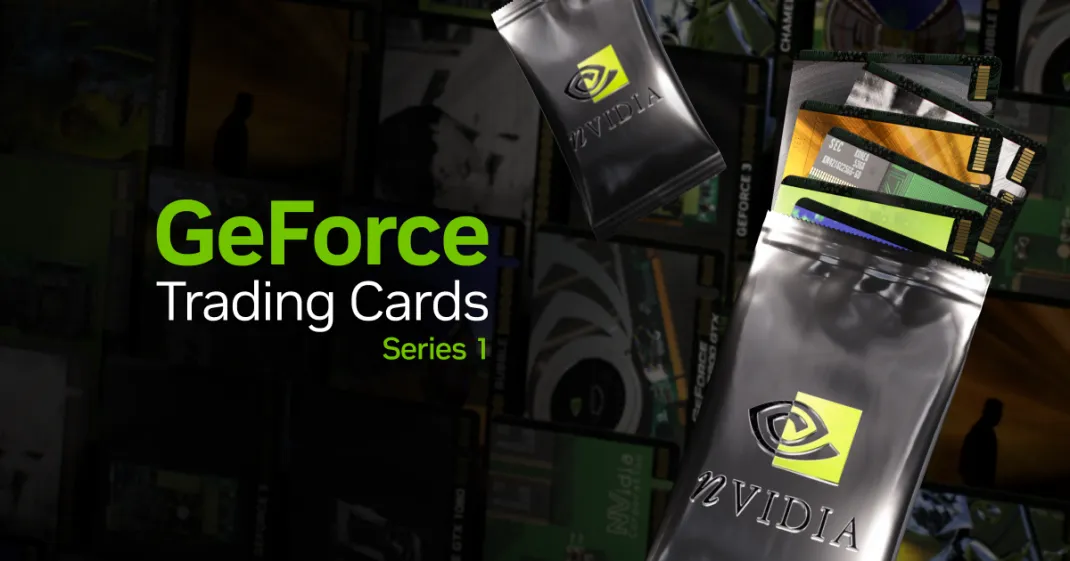
NVIDIA, a company synonymous with cutting-edge graphics processing units (GPUs) that power the world’s most demanding games, has unexpectedly pivoted from hardware releases to a unique collectible initiative. While gamers eagerly anticipate the next generation of GeForce graphics cards, the tech giant has unveiled the "GeForce Trading Cards Series 1," a curated collection designed to celebrate the rich history of the iconic GeForce brand. This move, deviating from the typical cadence of GPU launches, has sparked considerable interest, particularly given the cards’ limited availability, which suggests they may become as coveted and scarce as certain special edition hardware releases.
The GeForce Trading Cards Series 1 comprises a total of 14 distinct designs, each meticulously crafted to represent pivotal moments and landmark products throughout the evolution of NVIDIA’s GeForce lineage. These collectible cards offer a nostalgic journey for long-time enthusiasts and an educational glimpse for newer members of the PC gaming community. Featured on these cards are some of the most influential GPUs that have shaped the landscape of digital entertainment, including foundational models like the NV1 and the groundbreaking GeForce 256, often hailed as the first true GPU. The collection also pays homage to significant advancements such as the GeForce 3, the revolutionary GeForce 7800 GTX, the highly successful GeForce 10 Series, and the visually stunning GeForce RTX 2080 Ti Cyberpunk 2077 Edition. Beyond mere nostalgia, this endeavor appears to be a strategic effort by NVIDIA to foster and maintain a strong connection with its core gaming audience, reinforcing brand loyalty during a period of strategic realignment.
This unconventional product launch arrives at a particularly interesting juncture for NVIDIA. The company has officially confirmed that no new GeForce graphics cards will be released throughout the remainder of 2026. This announcement deviates from the established pattern of previous years, where gamers typically expected refresh cycles, such as the introduction of "Ti" or "SUPER" variants, to bolster existing product stacks. The current strategic focus for NVIDIA has demonstrably shifted, with a significant portion of its research, development, and market attention now directed towards the burgeoning field of artificial intelligence (AI). This strategic pivot underscores NVIDIA’s ambition to be a dominant force in the AI revolution, leveraging its expertise in parallel processing and high-performance computing that originated with its graphics card technology.
The Anticipated Scarcity of GeForce Trading Cards
While these trading cards are not being sold directly through traditional retail channels, their distribution is tightly controlled, making them a challenging acquisition for many. NVIDIA is making the GeForce Trading Cards available through several exclusive avenues. The primary platform for distribution is the "Summer of RTX" program, a promotional event designed to engage the community. Additionally, these cards will be offered as giveaways across NVIDIA’s social media platforms, fostering online interaction and excitement. Furthermore, select official NVIDIA events, such as Bilibili World, QuakeCon, and gamescom, will serve as key locations where attendees can potentially obtain these rare collectibles. This deliberate scarcity is a key factor in their perceived value and desirability.
The limited and selective distribution model strongly suggests that the GeForce Trading Cards Series 1 is poised to become a highly sought-after item within the collector’s market. The official designation of "Series 1" is particularly noteworthy, as it strongly implies NVIDIA’s intention to release subsequent series in the future. This foresight suggests a long-term strategy for engaging the collector community and further solidifying the GeForce brand’s legacy. For dedicated fans and collectors, the prospect of obtaining these cards presents an exciting challenge, mirroring the thrill of acquiring rare in-game items or limited-edition hardware. The question remains: are enthusiasts prepared to embark on this unique treasure hunt to secure a piece of GeForce history?
A Deeper Dive into GeForce’s Historical Significance
To fully appreciate the significance of these trading cards, it’s crucial to understand the trajectory of the GeForce brand. Launched in 1999, the original GeForce 256 was a watershed moment in PC graphics. It was marketed as the world’s first "GPU," integrating transform and lighting (T&L) hardware directly onto the graphics chip. This innovation dramatically offloaded these complex calculations from the CPU, leading to unprecedented performance gains and enabling more realistic 3D graphics in games. Prior to the GeForce 256, these functions were largely handled by the CPU, creating a bottleneck that limited visual fidelity and frame rates.
The subsequent generations of GeForce cards continued to push the boundaries of graphical innovation. The GeForce 3, for instance, was the first consumer graphics card to feature programmable vertex and pixel shaders. This allowed developers to create more sophisticated visual effects, such as dynamic lighting, complex materials, and advanced particle systems, fundamentally changing the aesthetic possibilities of video games. The GeForce 7800 GTX, released in 2005, was another powerhouse of its era, renowned for its exceptional performance and features, solidifying NVIDIA’s position as a leader in the high-end graphics market.
The introduction of real-time ray tracing with the GeForce RTX 20 Series in 2018 marked another paradigm shift. This technology, which simulates the physical behavior of light, allows for incredibly realistic reflections, refractions, and shadows, transforming the visual experience in games. The inclusion of the GeForce RTX 2080 Ti Cyberpunk 2077 Edition on a trading card highlights NVIDIA’s ability to collaborate with game developers on special editions that capture the essence of iconic titles, further blurring the lines between hardware and gaming culture.
NVIDIA’s Strategic Shift: The AI Imperative
NVIDIA’s decision to temporarily halt new GPU releases for the consumer market in 2026 is a clear indicator of its strategic focus on the rapidly expanding artificial intelligence sector. The company has become an indispensable provider of hardware for AI development and deployment, particularly its Tensor Core GPUs. These processors are optimized for the parallel processing demands of machine learning and deep learning workloads, making them the de facto standard for AI researchers, data scientists, and companies building AI-powered applications.
The demand for NVIDIA’s AI hardware has surged dramatically in recent years, fueled by advancements in generative AI, large language models, and machine learning applications across various industries, from healthcare and finance to autonomous vehicles and scientific research. This explosive growth has led to NVIDIA dedicating significant resources to research, manufacturing, and supply chain management for its AI-centric products. Consequently, the company’s revenue from its data center segment, which encompasses AI hardware, has consistently outperformed its gaming segment.
This strategic reallocation of resources does not necessarily signal a decline in NVIDIA’s commitment to gaming. Rather, it reflects a pragmatic business decision to capitalize on the most lucrative and rapidly growing market opportunities. The gaming division remains a crucial part of NVIDIA’s identity and revenue stream. However, the current market dynamics necessitate a prioritization of AI infrastructure. The company likely anticipates that the foundational technologies and innovations developed for AI will eventually trickle down and benefit future gaming hardware, creating a virtuous cycle of technological advancement.
The Broader Impact on the Gaming Ecosystem
The absence of new GeForce GPU releases in 2026, while perhaps disappointing for some hardware enthusiasts, does not necessarily spell doom for the gaming industry. Several factors mitigate potential negative impacts. Firstly, the current generation of GeForce GPUs, particularly the higher-end models, remains exceptionally capable of running the latest games at high settings and resolutions. The performance leap between generations, while significant, often offers diminishing returns for the average gamer when considering the substantial cost of upgrades.
Secondly, the continued development of PC games by developers is not solely reliant on the absolute bleeding edge of hardware. Game optimization, efficient engine design, and clever use of existing technologies play a crucial role in ensuring that games are accessible and performant across a wider range of hardware configurations. Developers have become adept at scaling graphical fidelity to accommodate different hardware tiers.
Moreover, the focus on AI by NVIDIA might indirectly benefit gamers in the long run. Advancements in AI algorithms are increasingly being explored for in-game applications, such as more sophisticated non-player character (NPC) behavior, procedural content generation, and AI-powered upscaling technologies like DLSS (Deep Learning Super Sampling). DLSS, in particular, leverages AI to render games at a lower resolution and then intelligently upscale them to a higher resolution, providing a significant performance boost with minimal perceived loss in visual quality. Future iterations of DLSS and similar AI-driven technologies could further enhance the gaming experience, even on existing hardware.
The GeForce Trading Cards initiative itself can be viewed as a subtle yet effective way for NVIDIA to maintain engagement with its gaming community during this transitional period. By celebrating its heritage, the company reminds gamers of its long-standing dedication to the platform and its historical contributions to gaming technology. This emotional connection can be invaluable in fostering brand loyalty and anticipation for future hardware releases, whenever they may arrive. The scarcity and collectible nature of the cards also create a sense of exclusivity and community among those who manage to acquire them, further strengthening the bond between NVIDIA and its most dedicated fans.
In conclusion, NVIDIA’s launch of the GeForce Trading Cards Series 1 is a fascinating strategic move that underscores the company’s adaptability and forward-thinking approach. While the absence of new GPU hardware in 2026 reflects a significant shift in market priorities towards the burgeoning AI sector, it is balanced by a continued commitment to engaging its core gaming audience through unique and collectible initiatives. The trading cards serve as a tangible link to GeForce’s storied past, offering a nostalgic journey for enthusiasts and a testament to NVIDIA’s enduring legacy in the world of high-performance computing and gaming. As NVIDIA navigates the dynamic landscape of technological innovation, its ability to blend its historical strengths with future-oriented ventures will undoubtedly shape its continued dominance across multiple industries.