Lusiana Hamidun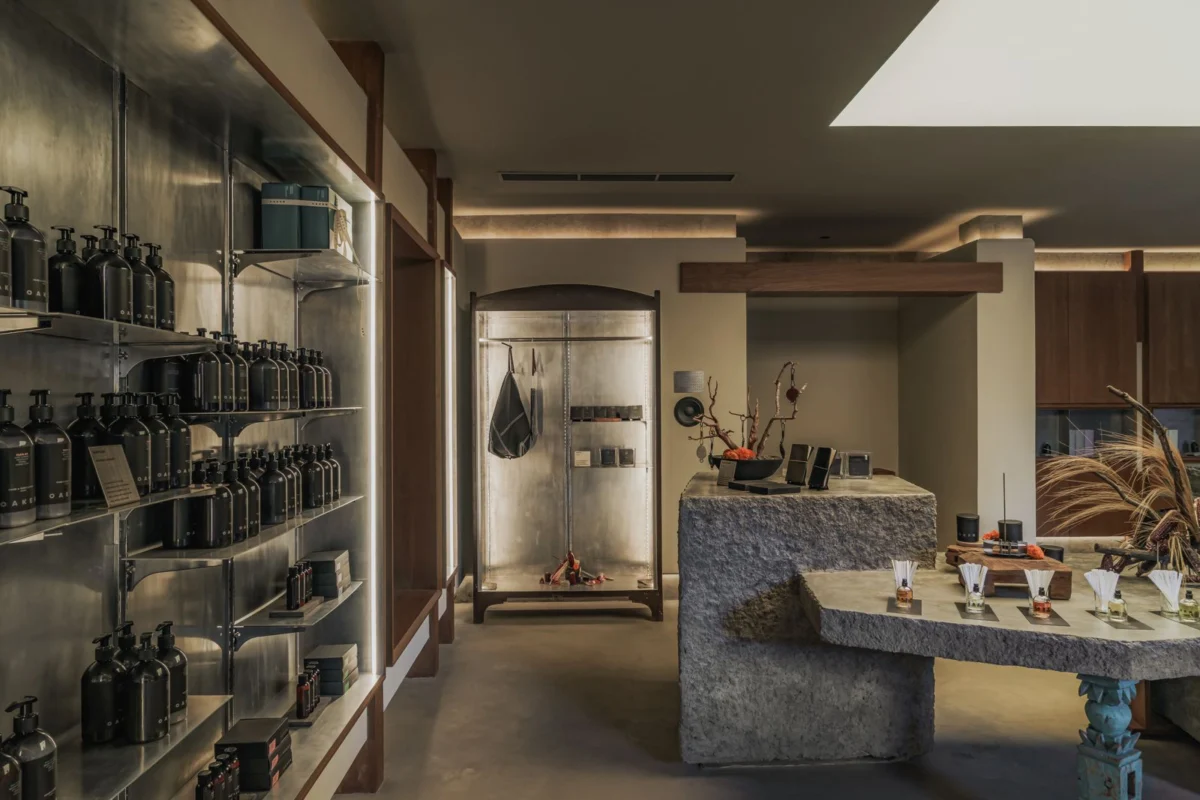
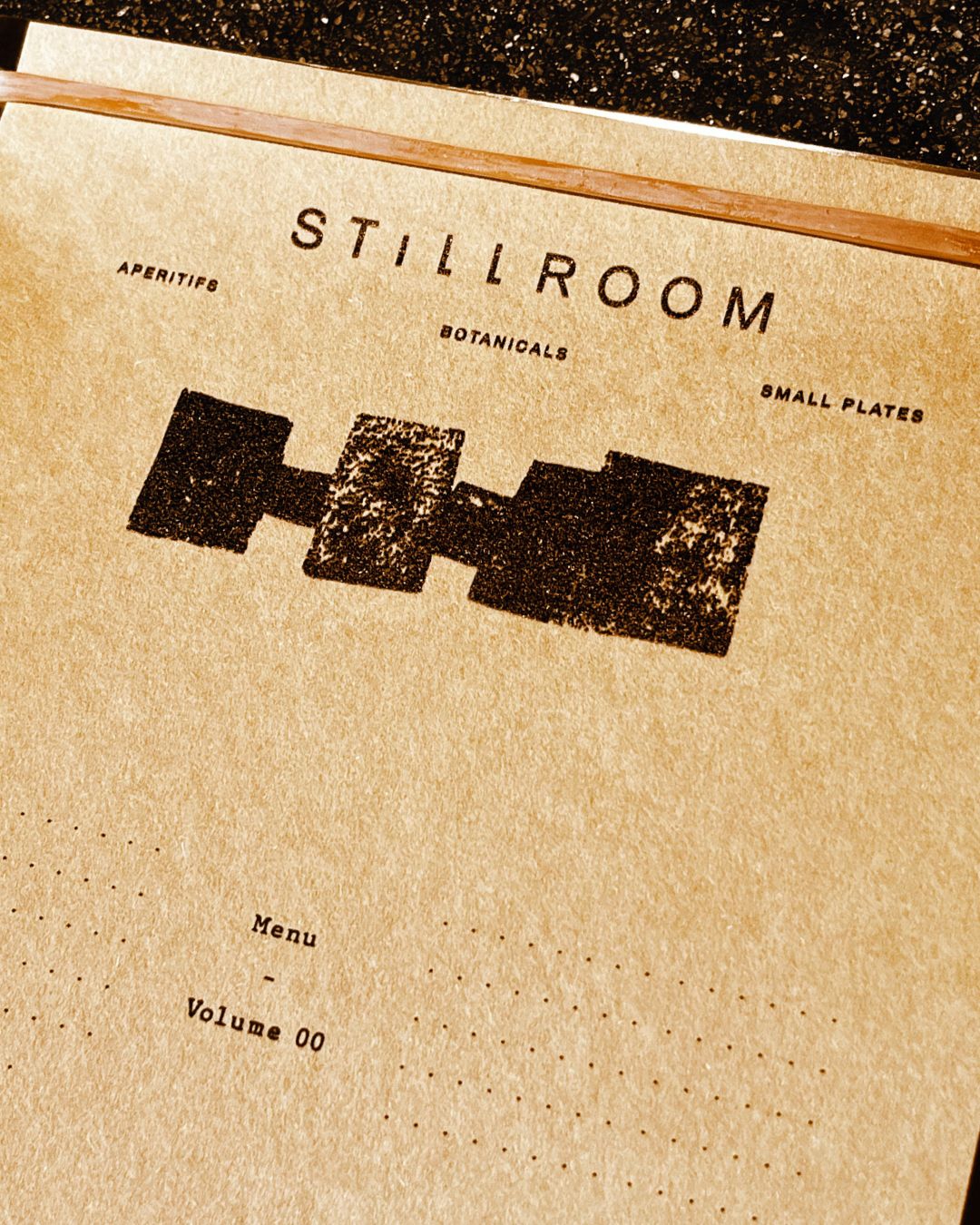
Oaken, a distinguished Indonesian artisan perfume and body care label, has unveiled "The Oaken Stillroom," an innovative concept that bridges the worlds of culinary arts and tinctures. This novel venture, inspired by traditional stillrooms – serene spaces historically dedicated to distilling botanical waters, preparing herbal remedies, and crafting simple dishes – introduces a new sensory dimension at Oaken’s Ubud boutique. The concept translates olfactory experiences into tangible tastes, offering a unique fusion of scent and flavor.
The genesis of The Oaken Stillroom represents a significant evolution for Oaken, a brand that has steadily built its reputation as a curated lifestyle brand since its inception. Founded by Christopher Kerrigan and Cynthia Wirjono, Oaken began as a modest 30-square-meter space in Pererenan, Bali. From these humble beginnings, the brand has cultivated a distinct identity centered on fragrance-based essential products, encompassing perfumes, home fragrances, aromatherapy candles, soaps, and body care. Each product is designed to enhance personal daily rituals, emphasizing a deep connection to natural ingredients and local inspirations.
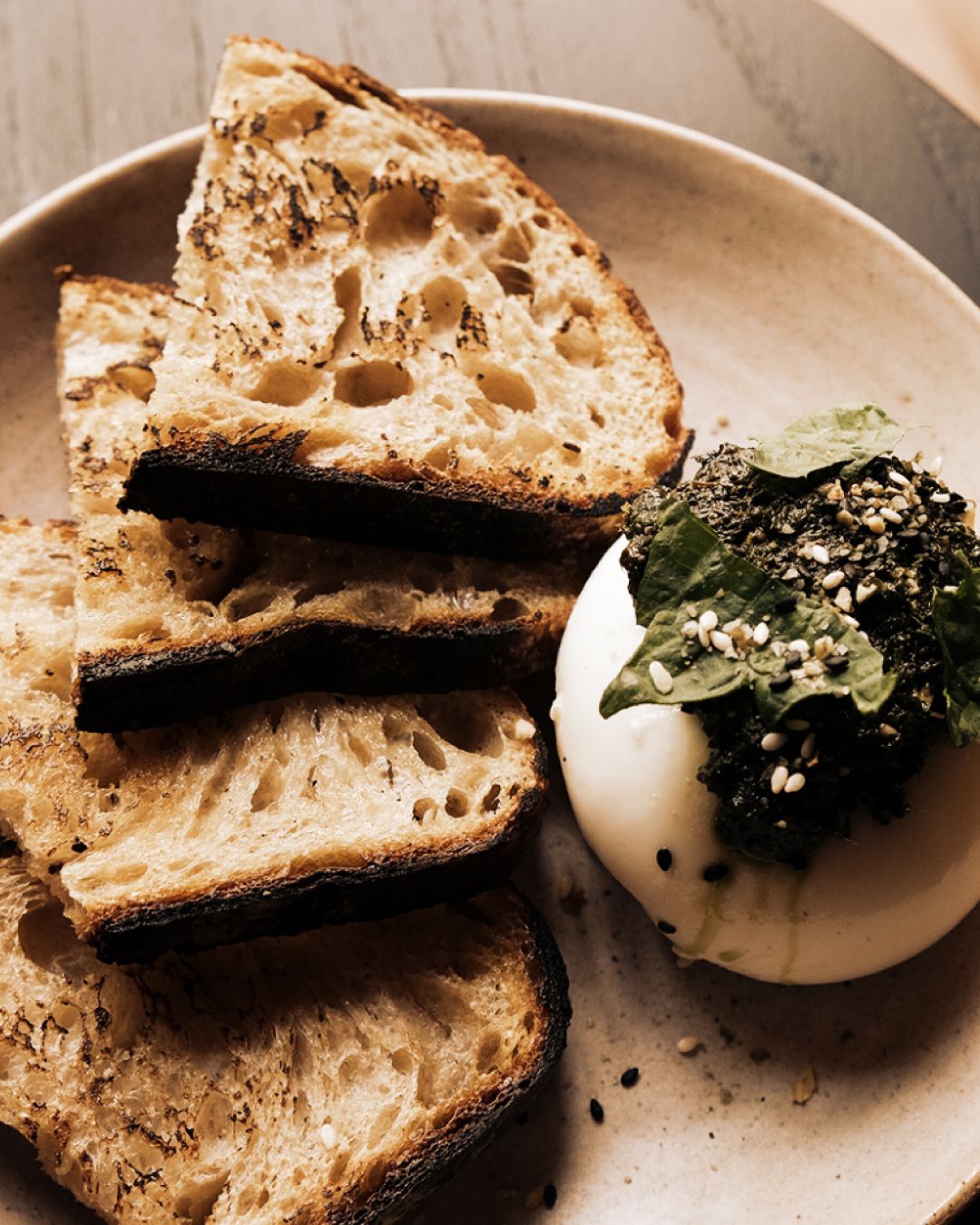
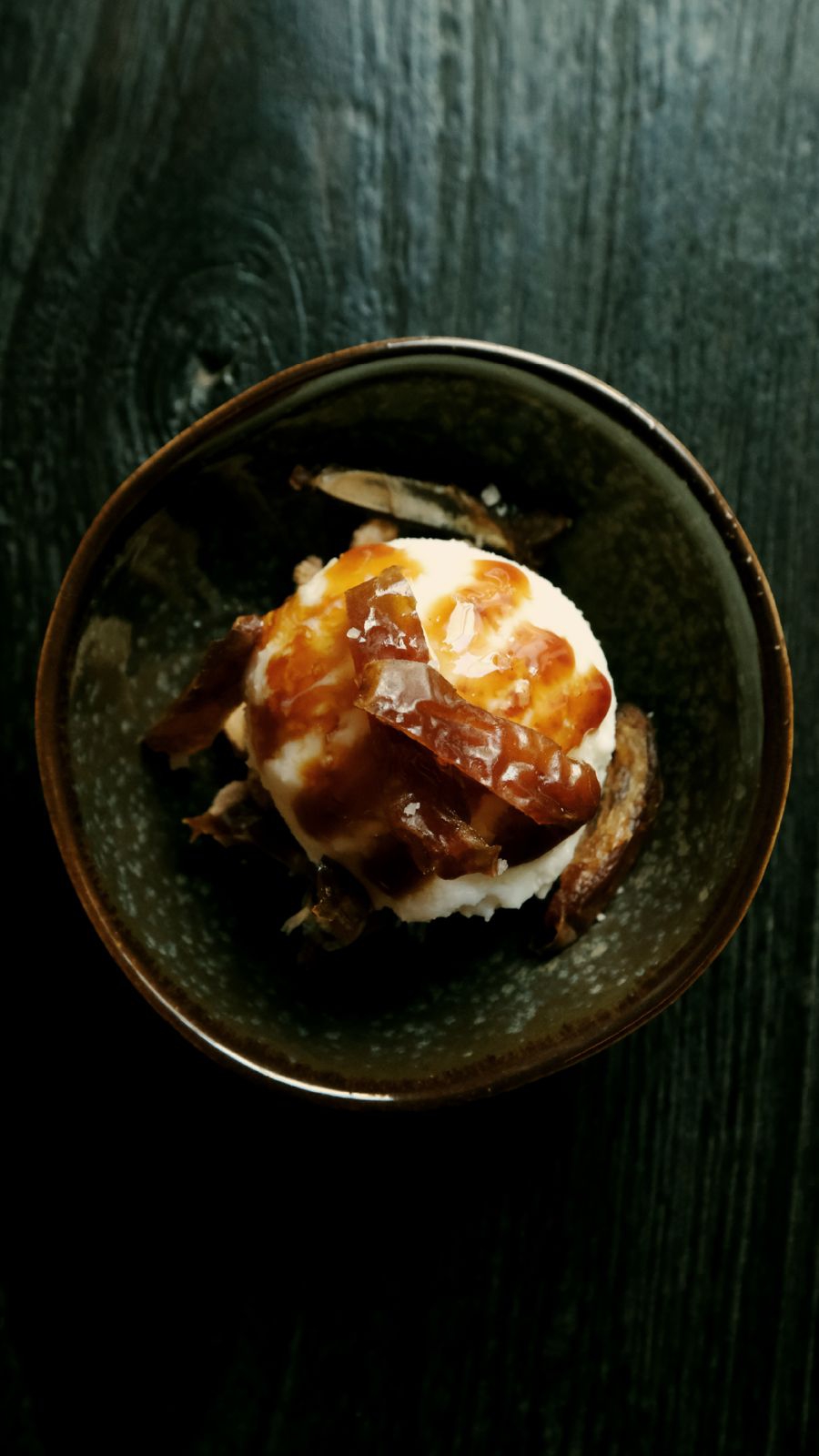
The collaboration that underpins The Oaken Stillroom is with Elemental, a nomadic bar that has since transitioned into an F&B consultancy. This partnership is a natural extension of Oaken Lab’s core philosophy, which deeply explores tinctures, fermentation, and other natural processes. This shared ethos has manifested in a menu of light bites meticulously crafted to highlight aromatic elements. Notable offerings include burrata paired with aromatic spices and pumpkin seeds, and coconut-flavored gelato served with traditional Indonesian palm sugar syrup (juruh) and candied nuts. This culinary exploration underscores Oaken’s commitment to a multi-sensory brand experience.
Christopher Kerrigan, Director and Co-founder of Oaken, articulated the fundamental connection between aroma and taste. "Aroma and taste are intrinsically linked," Kerrigan stated, emphasizing that a significant portion of our gustatory experience is derived from our sense of smell. He further highlighted that many ingredients utilized in perfumery share common ground with those found in the culinary world, a realization that has informed the development of The Oaken Stillroom. This insight into sensory synergy is a cornerstone of Oaken’s innovative approach.
The name "Oaken" itself carries profound meaning, directly translating to "made of oak." This choice signifies core brand values of quality, integrity, and longevity, mirroring the enduring nature of the oak tree. For Christopher Kerrigan, who grew up in Oak Park, Illinois, the name also holds a deeply personal resonance. Beyond its personal significance, Oaken’s identity is firmly rooted in its connection to Indonesia. This connection is expressed through experiential storytelling, drawing inspiration from the use of natural ingredients and the concept of local aromas that emerge from diverse journeys. Consequently, each Oaken product carries a narrative that reflects this rich heritage.
The brand’s journey began in 2018, spurred by Christopher Kerrigan’s personal struggle to find natural deodorants suitable for his sensitive skin. This initial challenge led to extensive experimentation with natural ingredients, a process that involved numerous formula development attempts and ultimately propelled him into the intricate world of perfume making. Both his personal quest for effective natural skincare and his foray into perfumery became integral to the products he would eventually create. This dedication to understanding and harnessing the power of natural ingredients has been a driving force behind Oaken’s success.
The Genesis of Oaken: A Personal Quest for Natural Solutions
The foundational philosophy of Oaken emerged directly from this creative and problem-solving process. "Our whole thing is about originality, and for me, I feel like the perfume is my art," Christopher Kerrigan remarked. This artistic approach imbues Oaken’s products with a distinctive character, fostering a unique connection with customers worldwide. The brand’s commitment to originality and artistic expression resonates deeply, differentiating it in a competitive market.
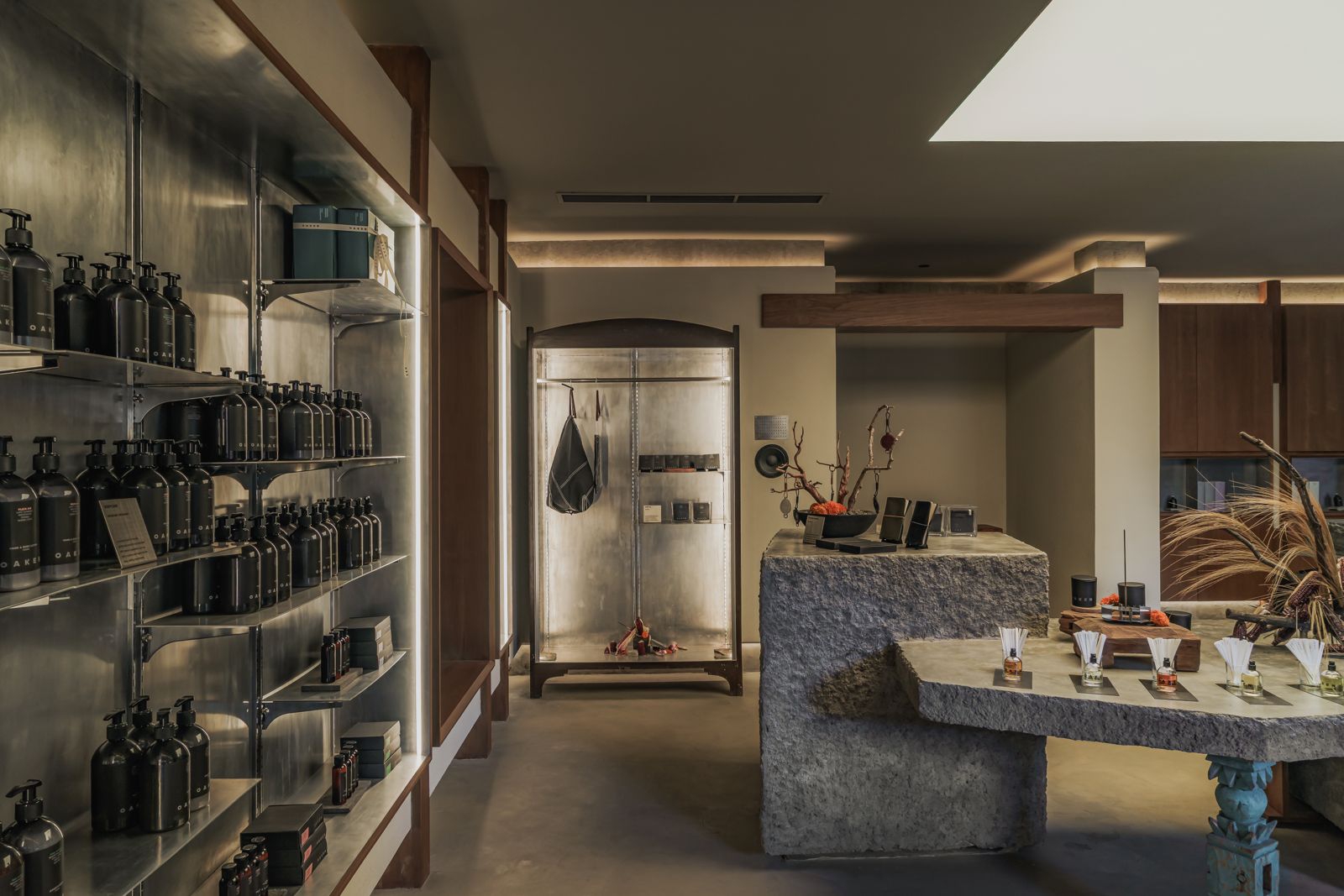
Oaken’s expansion includes several key locations. Beyond its original base in Pererenan, the Ubud boutique serves as a deliberate community hub, designed for gathering, sharing experiences, and engaging in collective activities. The spatial design of the Ubud store is a testament to a successful collaboration with Rentara Studio, a firm that has been instrumental in shaping Oaken’s physical presence since its early stages. Rentara Studio was first engaged to design Oaken’s inaugural booth for the Brightspot Market, a significant early milestone for the brand, just one month before its conceptual development was finalized for launch. This ongoing collaboration has profoundly influenced many aspects of Oaken’s identity, particularly through its emphasis on strong physical spaces. Situated in Ubud, a location known for its spiritual yet contemporary ambiance, the Oaken space achieves a harmonious balance between modern, artsy, and urban aesthetics and its surrounding environment. The brand also plans to re-establish its presence in Jakarta with a stall at Plaza Indonesia, further broadening its accessibility.
The Oaken Stillroom: A Culinary Extension of Olfactory Expertise
The introduction of The Oaken Stillroom marks a pivotal moment for Oaken, signifying a deliberate expansion beyond traditional fragrance and body care into the realm of gastronomy. This initiative is not merely about creating new products but about creating new experiences that engage multiple senses. The inspiration drawn from traditional stillrooms—places of meticulous craft and natural distillation—provides a historical and philosophical anchor for this innovative concept. These historical spaces were sanctuaries of botanical extraction and culinary preparation, reflecting a holistic approach to well-being and nourishment that Oaken aims to revive.
The collaboration with Elemental was a strategic choice, aligning Oaken with a partner that possesses deep expertise in F&B and a shared appreciation for natural processes. Elemental’s transition from a nomadic bar to a consultancy further solidified their capability to translate complex concepts into tangible culinary offerings. Their experience in crafting unique beverage and food experiences, often involving fermentation and natural infusions, made them an ideal partner for Oaken’s ambitious vision. This synergy allows for the intricate layering of flavors that mirrors the complexity of scent profiles in perfumery.
The menu at The Oaken Stillroom is a direct embodiment of this cross-sensory translation. The burrata dish, for example, likely incorporates spices that are not only visually appealing but also contribute to a complex aromatic profile that complements the creamy texture of the cheese. The use of aromatic spices suggests an intentional selection of ingredients known for their distinct olfactory notes, which in turn influence the perception of taste. Similarly, the coconut gelato with juruh and candied nuts offers a familiar yet refined taste experience, elevated by the careful selection of garnishes that may carry subtle aromatic undertones. These dishes are not just food; they are edible compositions designed to evoke specific sensory memories and associations, akin to how a perfume tells a story through its notes.
Supporting Data and Industry Context
The fusion of scent and flavor is a growing trend across various industries, indicating a broader consumer appreciation for multi-sensory experiences. In the food and beverage sector, advancements in flavor science and a renewed interest in artisanal ingredients have led to more sophisticated culinary creations. According to a report by Grand View Research, the global flavor and fragrance market was valued at USD 114.9 billion in 2022 and is projected to grow at a compound annual growth rate (CAGR) of 5.8% from 2023 to 2030. This growth reflects an increasing demand for products that offer enhanced sensory appeal.
The "nose" behind a fragrance often draws parallels with the "chef" in a kitchen, both meticulously selecting and blending raw materials to create a harmonious and evocative final product. Botanicals, herbs, and spices are common threads that bind perfumery and gastronomy. For instance, ingredients like lavender, rose, vanilla, and citrus are staples in both fine fragrance and fine dining. Oaken’s exploration into translating these aromas into tastes taps into this established connection, offering a novel approach to experiential dining.
The rise of "experiential retail" is another significant trend that Oaken’s The Oaken Stillroom exemplifies. Consumers are increasingly seeking more than just products; they desire immersive experiences that engage them on an emotional and intellectual level. A 2023 report by Accenture highlighted that 72% of consumers prefer to engage with brands through experiences rather than advertising. Oaken’s strategy of creating a physical space that offers a tangible link between scent and taste directly addresses this consumer desire for unique and memorable interactions.
Analysis of Implications
The launch of The Oaken Stillroom by Oaken is a strategic move that extends beyond product diversification. It positions Oaken as a pioneer in the Indonesian lifestyle market, blurring the lines between traditionally separate industries like perfumery and culinary arts. This innovative approach has several potential implications:

-
Enhanced Brand Loyalty: By offering a unique and multi-faceted experience, Oaken can foster deeper connections with its customers. The ability to engage with the brand through scent, taste, and a curated environment can create memorable moments that translate into long-term loyalty.
-
Market Differentiation: In a crowded market for lifestyle products, The Oaken Stillroom provides Oaken with a distinct competitive advantage. The concept is novel and has the potential to attract a new segment of consumers interested in sensory exploration and artisanal craftsmanship.
-
Brand Storytelling Amplification: The integration of culinary elements provides new avenues for Oaken to tell its brand story. The ingredients, preparation methods, and flavor profiles can all be imbued with narratives about Indonesian heritage, natural sourcing, and the creative process, further enriching the brand’s identity.
-
Potential for Expansion: The success of The Oaken Stillroom concept could pave the way for further expansion, potentially into other locations or even into developing Oaken-branded food or beverage products in the future. This could solidify Oaken’s position as a holistic lifestyle brand.
-
Economic Impact: The collaboration with Elemental and the focus on artisanal food preparation can contribute to the local economy by supporting local ingredient suppliers and skilled culinary professionals. It also adds to Bali’s reputation as a destination for unique and high-quality experiences.
The successful implementation of The Oaken Stillroom relies on Oaken’s ability to consistently deliver high-quality sensory experiences. The translation of complex aromatic notes into palatable flavors requires significant expertise and careful execution. Furthermore, maintaining the integrity of both the olfactory and gustatory elements will be crucial for the concept’s long-term viability. The brand’s commitment to originality and its deep understanding of natural ingredients, as evidenced by its history, suggest a strong foundation for this ambitious undertaking. The Ubud boutique, with its spiritual and artistic ambiance, provides an ideal backdrop for such an immersive and contemplative experience, inviting visitors to explore the profound connections between what they smell and what they taste.