Eko Sulistyo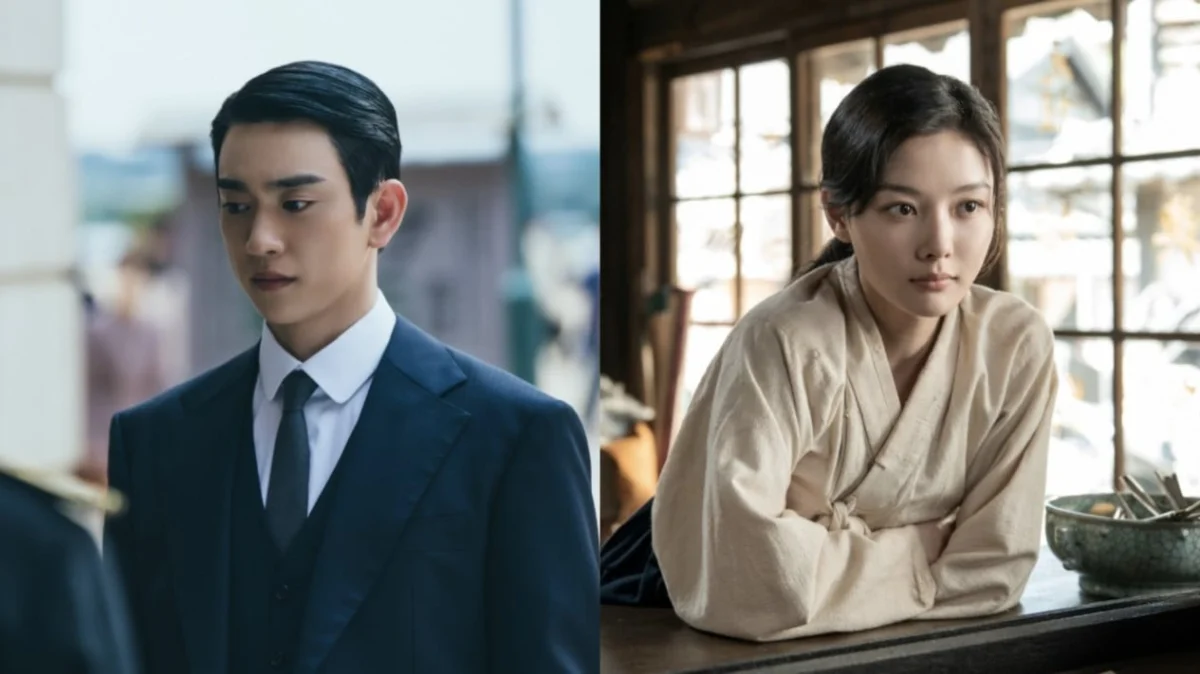
The South Korean entertainment industry is bracing for the premiere of one of the most ambitious television projects of the year, 100 Days of Deception. Scheduled to debut on October 10 at 21:10 KST, the drama marks a significant collaboration between two of the most versatile actors in the industry, Park Jinyoung of the globally acclaimed group GOT7 and the celebrated actress Kim You Jung. Directed by the visionary Yoo In Shik—known for his masterful handling of complex narratives in hits like Extraordinary Attorney Woo and Dr. Romantic—the series promises to weave a compelling tapestry of historical tension, espionage, and human connection set against the backdrop of the Japanese occupation of Korea.
A Narrative of Espionage and Identity
Set in the turbulent era of Gyeongseong—the historical name for present-day Seoul—during the Japanese colonial period, the series focuses on a high-stakes 100-day window that tests the loyalties and moral compasses of its protagonists. The plot centers on Lee Ga Kyeong, portrayed by Kim You Jung, a master pickpocket whose survival instincts in the underbelly of Gyeongseong evolve into a dangerous mission. Driven by a burgeoning commitment to the Korean independence movement, Ga Kyeong infiltrates the highest echelons of the Japanese colonial administration.
Her path inevitably crosses with Kim Tae Woong, played by Park Jinyoung. Tae Woong is a complex character living under the dual identity of Sato Hideo. He is the adopted son of Sato Shinichi, played by the veteran actor Jin Sun Kyu, who holds the position of Inspector General of Korea, the second-highest office within the colonial government. Having returned to Korea after a decade-long absence, Tae Woong operates as a highly skilled translator fluent in Japanese, English, and Korean, making him an indispensable, yet conflicted, asset to the occupation authorities.
Chronology of the Production
The development of 100 Days of Deception has been characterized by meticulous pre-production planning and a focus on historical accuracy. The production team invested months in historical research to recreate the aesthetic and atmospheric conditions of the 1930s.
- Early 2026: Casting announcements began circulating, with Park Jinyoung and Kim You Jung confirmed as the leads. The pairing was met with significant enthusiasm from both K-drama enthusiasts and the international K-pop fan base.
- Mid-2026: Principal photography commenced, with location shoots across various historical sites in Korea, aimed at capturing the authentic architecture and mood of the colonial era.
- September 2026: The official teaser campaigns launched, focusing on the visual chemistry between the two leads and the high-tension espionage elements of the plot.
- October 9, 2026: The final promotional push occurred, with Park Jinyoung providing insights into the thematic depth of the project just hours before the premiere.
Thematic Depth and Historical Context
In recent statements leading up to the premiere, Park Jinyoung highlighted the structural complexity of the show’s writing. He described the narrative as a "web of interconnected emotions," where the fates of the characters are tied to the political instability of the era. According to the actor, the script does not merely focus on the mechanics of espionage but delves into the psychological toll of living a double life.

"When I was reviewing the script, I was struck by the necessity of understanding the past to properly contextualize our present," Park Jinyoung remarked. "This drama allows viewers to experience a visceral connection to a historical era that none of us have lived through, yet it remains a foundational period for our national identity."
This focus on the historical resonance of the 1930s is a growing trend in Korean media. By exploring the nuances of the Japanese occupation through the lens of individual characters, 100 Days of Deception joins a lineage of critically acclaimed works that aim to bridge the gap between historical education and mainstream entertainment.
Industry Implications and Market Analysis
The casting of Park Jinyoung, who has established a successful career as both a musician and an actor, underscores the industry’s strategy of utilizing multi-talented stars to capture both domestic and international audiences. With his established footprint in the global market via GOT7, the drama is expected to perform well on major streaming platforms.
The inclusion of veteran actor Jin Sun Kyu, who has a proven track record in both film and television, adds a layer of gravitas to the production. His character, the Inspector General, serves as the primary antagonist figure, setting the stage for a dramatic conflict that pits the domestic struggle for independence against the machinery of colonial rule.
Industry analysts suggest that the success of 100 Days of Deception will likely hinge on its ability to balance the "spy-thriller" pacing with the emotional stakes of a period romance. The historical setting of the Japanese occupation is a sensitive and well-trodden theme in Korean media; however, by focusing on the specific perspective of translators and undercover infiltrators, the series offers a unique vantage point that distinguishes it from standard period dramas.
Cultural and Historical Significance
The era of the Japanese occupation (1910–1945) remains a defining chapter in modern Korean history. Works that depict this era often face the dual challenge of historical accuracy and the need for narrative innovation. By choosing to frame the story within a 100-day countdown, director Yoo In Shik introduces a sense of urgency that is atypical for longer historical sagas, potentially appealing to younger viewers accustomed to fast-paced streaming content.

The choice of Gyeongseong as the setting is significant. It represents a period of rapid modernization, cultural hybridity, and deep political suppression. The role of a "translator" for the character of Kim Tae Woong is a potent metaphor for the cultural friction of the time—someone who stands between two worlds, translating not just languages, but the conflicting ideologies of the colonizer and the colonized.
Looking Ahead
As the premiere on October 10 approaches, expectations remain high. The promotional efforts have successfully piqued the interest of global viewers, with digital engagement metrics indicating a strong demand for the series across Southeast Asia, North America, and Europe.
The broader implications of this release are twofold. First, it serves as another benchmark for the internationalization of K-drama, proving that historical narratives can transcend borders when paired with high production values and compelling character arcs. Second, it reaffirms the maturity of Park Jinyoung’s acting career, as he moves into more nuanced, morally ambiguous roles that demand significant emotional range.
For the production team, the goal is clear: to deliver a narrative that is both informative and deeply moving. As Park Jinyoung concluded in his final remarks before the launch, the show is an invitation for the audience to reflect on the legacy of the past. Whether the series can live up to the massive anticipation surrounding it remains to be seen, but the confluence of directorial talent, strong source material, and a highly dedicated cast suggests that 100 Days of Deception will be a pivotal moment in the 2026 television landscape.
As the clock ticks down toward the first broadcast, the industry will be watching closely, not just for the ratings, but for the cultural impact of this intricate, espionage-filled exploration of a defining chapter in Korea’s journey toward independence.