Bambang Pamungkas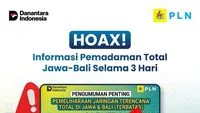
Information circulating widely on social media platforms, suggesting an imminent three-day total power outage across the entire Java-Bali region, has been definitively refuted by PT PLN (Persero), Indonesia’s state-owned electricity company. The unsubstantiated claims, which sparked considerable public anxiety and concern among residents and businesses, have been officially labeled as false, or ‘hoax,’ by the utility provider. This swift debunking aims to calm public fears and reaffirm PLN’s commitment to maintaining a stable and reliable electricity supply across the nation’s most densely populated and economically vital islands.
The Genesis of the Hoax and PLN’s Immediate Response
The alarming message, which began gaining traction through various social media channels and instant messaging applications, posited a complete shutdown of the electricity grid from Java to Bali for a continuous 72-hour period. While the exact origin of the hoax remains unclear, its rapid dissemination underscores the pervasive challenge of misinformation in the digital age. Such claims, particularly those pertaining to critical infrastructure like electricity, have the potential to cause widespread panic, disrupt daily life, and even trigger speculative actions if not addressed promptly and decisively by official sources.
Responding to the escalating concern, PLN issued an official statement urging the public not to succumb to unverified information, especially regarding essential services such as electricity. Through its official communication channels, including social media accounts and press releases, PLN explicitly stated: "Electrizen, be careful with the hoax information circulating regarding a total three-day power outage in the Java-Bali region. PLN continues to strive to provide the best electricity services for the community." This direct address sought to reassure consumers and reinforce the company’s ongoing operational stability. The statement further emphasized the importance of relying solely on information disseminated through PLN’s official platforms to avoid confusion and misinterpretation.
Understanding the Java-Bali Power System: A Complex and Vital Network
The Java-Bali electricity grid is a cornerstone of Indonesia’s national development, powering over 150 million people and supporting a significant portion of the nation’s industrial, commercial, and governmental activities. It is the largest interconnected grid in the country, characterized by a sophisticated network of power generation plants, high-voltage transmission lines, and distribution infrastructure. The system boasts a formidable installed capacity, often exceeding 40,000 MW, designed to meet the peak demand that frequently surpasses 30,000 MW, particularly during hot periods or industrial surges. The grid’s stability is paramount, with redundant systems, advanced monitoring, and sophisticated load management protocols in place to ensure continuous supply and swift recovery in the event of localized disruptions.
A hypothetical three-day total blackout across this vast and critical region would represent an unprecedented catastrophe, far exceeding any operational challenge PLN has faced in recent memory. While localized outages due to maintenance, natural disasters, or equipment failure are a routine part of grid management, a complete system-wide collapse for such an extended duration would imply a systemic failure of extraordinary magnitude, which is highly improbable given the robust design and operational vigilance. The severity of the alleged event is precisely what made the hoax so alarming and effective in generating public fear. Past significant disruptions, such as the major blackout that affected parts of Java in August 2019 due to transmission line issues, though impactful, were quickly contained and restored, demonstrating the resilience and rapid response capabilities embedded within PLN’s operational framework.
Official Channels for Verification: A Shield Against Disinformation
In its effort to combat the spread of misinformation, PLN has consistently directed the public to its verified and official communication channels. These include PLN’s official website (www.pln.co.id), its social media accounts on platforms such as Instagram (@pln_id), Twitter (@pln_id), and Facebook (PLN), which serve as primary sources for accurate and timely updates regarding services, planned maintenance, or any legitimate disruptions. Beyond digital platforms, PLN maintains its 24-hour Contact Center 123, accessible via phone, offering direct assistance and information.
Perhaps the most comprehensive tool for customers is the PLN Mobile application. This versatile platform provides a suite of services, including real-time information on power outages, billing details, new connection requests, and a dedicated Live Chat and Complaint feature. The application acts as a crucial interface, allowing customers to report issues, track resolutions, and receive verified updates directly from PLN, effectively bypassing the unreliable channels where hoaxes often originate. The "Cek Fakta" (Fact Check) segment of PLN’s communication strategy is central to its message: always cross-reference information with official sources. This proactive approach empowers consumers to become critical information consumers, reducing their vulnerability to false narratives.
The Broader Impact: Economic and Social Ramifications of Disinformation
The rapid spread of hoaxes concerning critical infrastructure is not merely an inconvenience; it carries significant economic and social implications. Economically, even the mere rumor of a prolonged power outage can trigger precautionary measures that disrupt supply chains, impact financial markets, and lead to unnecessary losses for businesses. Industries heavily reliant on continuous power, such as manufacturing, data centers, and healthcare facilities, would face severe operational challenges, potentially leading to production halts and equipment damage. Small and medium-sized enterprises (SMEs), often operating on tighter margins, are particularly vulnerable to such disruptions, both real and rumored.
Socially, widespread disinformation erodes public trust in official institutions and creates an environment of anxiety and uncertainty. In the event of a genuine emergency, a public desensitized by false alarms might hesitate to believe official warnings, or conversely, might overreact to minor incidents. Prolonged blackouts, even if only rumored, can lead to disruptions in daily routines, communication breakdowns, and even pose safety risks if essential services like traffic lights, street lighting, and security systems are perceived to be compromised. For a nation like Indonesia, which has experienced significant natural disasters and relies heavily on robust infrastructure, maintaining public confidence in the stability of its essential services is paramount for national resilience.
Government Oversight and Collaborative Efforts Against Misinformation
The Ministry of Energy and Mineral Resources (ESDM), along with other relevant government bodies, plays a crucial role in overseeing PLN’s operations and ensuring national energy security. These institutions are intrinsically linked to PLN’s efforts to maintain grid stability and combat misinformation. In situations like the current hoax, government endorsement of PLN’s official statements lends additional credibility and helps to quash false rumors more effectively. Collaborative efforts between PLN, government ministries, communication regulatory bodies, and media organizations are essential to develop robust strategies for early detection, rapid debunking, and public education on disinformation.
Furthermore, Indonesia has implemented legal frameworks and digital literacy initiatives aimed at curbing the spread of hoaxes and hate speech. These measures underscore the government’s recognition of the serious threat that online misinformation poses to social harmony and national stability. Public education campaigns, often involving various stakeholders, encourage citizens to think critically before sharing information and to prioritize verified sources.
Conclusion: A Call for Vigilance and Responsible Information Sharing
The recent hoax regarding a three-day total power outage in Java-Bali serves as a potent reminder of the persistent challenge posed by misinformation in the digital era. PLN’s swift and unequivocal denial, coupled with its emphasis on utilizing official channels for verified information, is a critical step in maintaining public trust and ensuring operational continuity. The stability of the Java-Bali power grid is not just an engineering feat; it is a fundamental pillar supporting the daily lives and economic activities of millions.
Moving forward, the collective responsibility of citizens, media, and official entities in combating disinformation cannot be overstated. Masyarakat (the community) is urged to exercise heightened vigilance, critically evaluate information encountered on social media, and always refer to official sources like PLN Mobile or PLN’s verified platforms for any updates concerning electricity services. By doing so, the public can actively contribute to a more informed and resilient society, safeguarding against the anxiety and disruption caused by malicious or misinformed narratives. PLN remains committed to its mandate of delivering reliable electricity and fostering transparency in its communication, ensuring that "Electrizen" are well-informed and secure in their energy supply.