Tata Titiana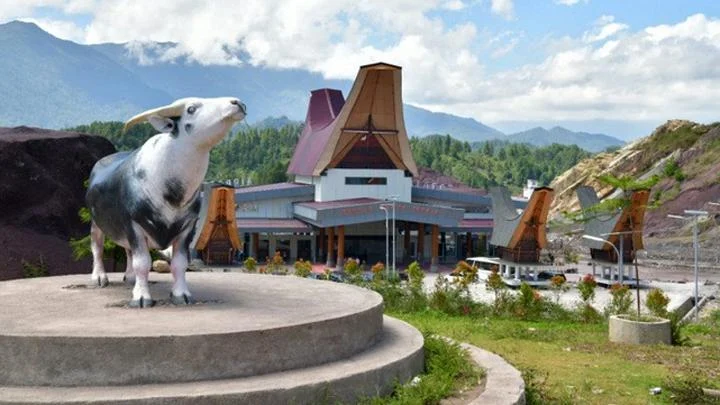
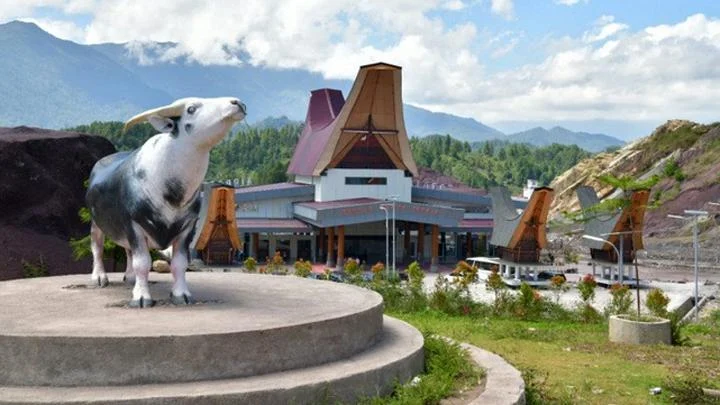
President Joko Widodo officially inaugurated the Toraja Airport, previously known as Buntu Kunik Airport, in Tana Toraja Regency, South Sulawesi, on Thursday, March 18, 2021. The ceremony, broadcast live via the Presidential Secretariat’s YouTube channel, marked a significant milestone for the region, with President Widodo expressing his hope that the new airport will serve as a catalyst for economic growth, job creation, and the development of new economic hubs.
The inauguration signifies the culmination of a long-standing aspiration for improved air connectivity in Tana Toraja, a region renowned for its unique cultural heritage and stunning natural landscapes. For decades, the accessibility of Tana Toraja has been a challenge, relying primarily on road transportation which, due to the mountainous terrain, can be time-consuming and arduous. The establishment of a modern airport is expected to drastically reduce travel time, making the region more accessible to tourists, investors, and its own diaspora.
A Long Road to Inauguration: A Chronology of Development
The journey to the operationalization of Toraja Airport has been a protracted one, marked by initial construction phases, periods of stagnation, and eventual recommencement. Construction of the airport first began in 2011, intended to replace the aging Pongtiku Airport in Ratentayo. However, progress was hampered, and the project faced significant delays.
The pivotal moment for the airport’s realization came during President Joko Widodo’s administration. Recognizing the strategic importance of enhanced connectivity for regional development, construction was re-initiated in 2018. This phase, funded and overseen by the central government, was successfully completed by mid-2020.
The initial phase of operations sees two airlines, Wings Air and Citilink, providing regular flight services connecting Makassar, the provincial capital of South Sulawesi, with Toraja and vice versa. This direct air link is expected to revolutionize travel for both domestic and international visitors, significantly shortening journeys that previously took many hours by road.
Infrastructure and Capacity: Laying the Foundation for Growth
Toraja Airport has been developed with a comprehensive infrastructure plan designed to accommodate increasing air traffic and larger aircraft in the future. The total land area allocated for the airport spans an impressive 141 hectares.
In its initial operational phase, the airport features a runway measuring 1,600 meters in length, suitable for ATR-type aircraft. The apron, the area where aircraft are parked, refueled, and serviced, measures 94.5 x 67 meters, complemented by a taxiway of 124.5 x 15 meters. These dimensions are adequate for the current flight schedules and aircraft types serving the route.
A crucial aspect of the airport’s development is the planned expansion. The second phase of construction aims to extend the runway to 2,000 meters. This extension will enable the airport to accommodate larger aircraft, such as the Boeing 737, thereby increasing capacity and potentially attracting more airlines and routes. The terminal building, designed with a capacity for 150 passengers, covers an area of 1,000 square meters, providing essential facilities for travelers.
The Name Change: Reflecting Local Identity and Consensus
The renaming of the airport from Buntu Kunik to Toraja Airport is a significant aspect of its inauguration, reflecting a process of local consensus and governmental approval. This change was the result of extensive deliberation and agreement between the Tana Toraja Regency government and various adat (traditional customary) leaders representing the 19 sub-districts within Tana Toraja.
Following this local consensus, the proposed name change was formally submitted to the Regional People’s Representative Council (DPRD) for deliberation and ratification in a plenary meeting. Subsequently, the proposal was forwarded to the provincial government and finally to the Ministry of Transportation for official endorsement. This multi-tiered approval process underscores the importance of respecting local cultural identity and ensuring that development projects are aligned with the wishes of the communities they serve.
Engineering Marvel in a Challenging Landscape
The construction of Toraja Airport is a testament to engineering prowess, particularly given the challenging topographical conditions of Tana Toraja. The region is characterized by steep hills and undulating terrain, which posed significant hurdles during the development process.
Minister of Transportation Budi Karya Sumadi highlighted the immense difficulty of the construction, directly attributing it to the steep and complex topography. To create the necessary runway length, three hills had to be meticulously leveled and excavated. The ongoing commitment to overcoming these geographical challenges is evident, as further construction is slated for 2021 to address and remove remaining obstacles on the sides of the runway. This continuous effort aims to ensure the highest standards of safety and operational efficiency for the airport.
President Joko Widodo himself acknowledged the demanding nature of the project in a tweet, stating, "Three hills were cut to build the Toraja Airport runway, which is 2,000 meters long. This airport is important to boost local connectivity and tourism." The accompanying visual, a drone shot of the airport nestled within the landscape, underscored the scale of the engineering feat.
Economic and Tourism Implications: Unlocking Potential
The inauguration of Toraja Airport is poised to have a transformative impact on the local and regional economy. For years, Tana Toraja has been recognized as a destination with immense tourism potential, attracting visitors with its unique ancestral traditions, elaborate funeral ceremonies (Rambu Solo’), traditional Tongkonan houses, and breathtaking natural beauty. However, its remote location has been a significant barrier to wider tourism development.
Enhanced Tourism: The direct air link will make Tana Toraja more accessible to both domestic and international tourists. This is expected to lead to a surge in visitor numbers, benefiting hotels, restaurants, local craft vendors, guides, and other tourism-related businesses. Increased tourist arrivals can translate into significant revenue generation and foreign exchange earnings for the region.
Economic Diversification: Beyond tourism, the improved connectivity can foster economic diversification. Easier access for goods and services can stimulate local industries, agriculture, and trade. Investors may be more inclined to explore opportunities in Tana Toraja, knowing that logistical challenges are significantly reduced.
Job Creation: The direct and indirect effects of increased economic activity will undoubtedly lead to substantial job creation. New businesses will emerge, and existing ones will expand, requiring a larger workforce. The airport itself will also generate employment opportunities in its operations, maintenance, and security.
Regional Connectivity: The airport serves as a vital node in the regional transportation network. It facilitates easier movement of people and goods between Tana Toraja and other major cities in Indonesia, fostering greater integration and economic synergy within the archipelago.
Challenges and Future Outlook: While the outlook is optimistic, challenges remain. Ensuring sustainable tourism practices that respect the local culture and environment will be crucial. Furthermore, the development of complementary infrastructure, such as improved road networks connecting the airport to tourist attractions and the wider regency, will be essential to maximize the benefits of air connectivity. The government’s commitment to continued development, including the second phase of runway expansion, indicates a long-term vision for Toraja Airport as a significant regional gateway.
The transformation of Buntu Kunik into Toraja Airport is more than just an infrastructure project; it is a strategic investment in the future of Tana Toraja, aiming to unlock its full economic and cultural potential and position it more prominently on the national and international stage. The President’s vision of a boosted economy, increased employment, and new economic centers is now one step closer to realization, thanks to this landmark development.