
 Chalifah Fatihah
One of the most profound anxieties experienced by parents is the realization or discovery that the child they have raised and nurtured has engaged in bullying behaviors toward others. Far from being a simple rite of passage or harmless childhood conflict, schoolyard and digital bullying pose severe psychological and developmental risks not only to the victims but also to the perpetrators. Addressing this issue requires moving beyond punitive measures to understand the root causes of aggressive behavior, foster emotional intelligence, and implement structured, proactive intervention strategies within the household and the educational environment.
Contemporary sociological and psychological research indicates that bullying is rarely an isolated phenomenon driven exclusively by an inherent malice or an arbitrary classification of a child as merely "bad." Instead, aggressive behavior in children and adolescents often serves as a maladaptive coping mechanism or an externalized symptom of underlying emotional turmoil, social insecurity, or systemic environmental pressures. Children may resort to intimidation, harassment, or exclusion as a misguided strategy to secure peer acceptance, compensate for deep-seated feelings of inadequacy, attract attention from overworked or absent caregivers, or replicate conflict-resolution models observed within their own domestic spheres or digital consumption habits.
Recognizing these complex dynamics, child psychologists and educational experts emphasize that parents bear a critical responsibility in guiding children toward prosocial behaviors. Mitigating the risk of a child becoming a perpetrator of bullying necessitates early intervention, open communication, and the deliberate teaching of empathy, emotional regulation, and respectful social interaction both inside and outside the home.
The Foundation of Open Communication: Initial Discovery and Assessment
When educational institutions, school counselors, or fellow parents report that a child has engaged in bullying behavior, the immediate parental reaction often oscillates between defensive denial and disproportionate anger. However, child welfare organizations, including the Child Mind Institute, strongly advise against immediate reprimands or severe corporal or psychological punishments upon receiving such reports.
Instead, parents are urged to initiate a calm, structured, and open dialogue to ascertain the objective reality of the situation. This involves listening attentively to the child’s version of events without immediate interruption or judgment. Establishing a safe conversational environment enables parents to discern the underlying motivations driving the behavior—whether the child was attempting to integrate into a dominant peer group, seeking validation, reacting to acute stress, or struggling to process unresolved emotional grievances.
Uncovering the Root Causes of Aggression
Understanding the specific etiology of a child’s aggressive conduct is a mandatory precursor to effective behavioral modification. Children frequently act out due to a complex matrix of psychological and social pressures. Some may seek to project an image of dominance and invulnerability to mask their own internal insecurities, while others may experience low frustration tolerance, impulsivity, or difficulties in emotional regulation. Furthermore, peer pressure plays a formidable role; children often mimic the behaviors of influential peers within their social circles to avoid becoming targets of marginalization themselves.
Crucially, identifying the underlying causes of bullying does not equate to condoning or excusing the behavior. Rather, it provides parents and psychological professionals with the diagnostic clarity necessary to help the child develop healthier, more constructive mechanisms for navigating interpersonal challenges and fulfilling their social needs.
Cultivating Prosocial Relationships and Social Competency
Preventing aggressive behavior requires explicit instruction in positive social engagement. Vague parental admonitions such as "stop being a bully" offer little practical utility for a child who may lack the requisite interpersonal skills to navigate complex social hierarchies. Consequently, parents must model and teach specific, desirable actions.
This proactive approach includes encouraging children to actively invite peers into games and group activities, utilizing courteous language, validating the opinions and boundaries of others, and consciously refraining from exclusionary tactics. By systematically breaking down what constitutes positive peer interaction, children gain a concrete behavioral blueprint that replaces antagonistic tendencies with cooperative engagement.
The Development of Empathy and Perspective-Taking
A core deficit in many children who engage in bullying is an impaired capacity for empathy—the cognitive and emotional ability to comprehend and share the feelings of another person. To counteract this, parents and educators must actively guide children through perspective-taking exercises.
By prompting children to reflect on how a victim might experience fear, humiliation, isolation, or sadness, and drawing parallels to moments when the child themselves felt vulnerable or marginalized, adults can bridge the emotional disconnect inherent in bullying. This cognitive exercise helps perpetrators recognize that their actions inflict genuine psychological harm, thereby fostering intrinsic motivation to alter their behavior out of genuine respect for others rather than merely out of fear of punishment.
The Role of the Domestic Environment: Modeling Positive Conflict Resolution
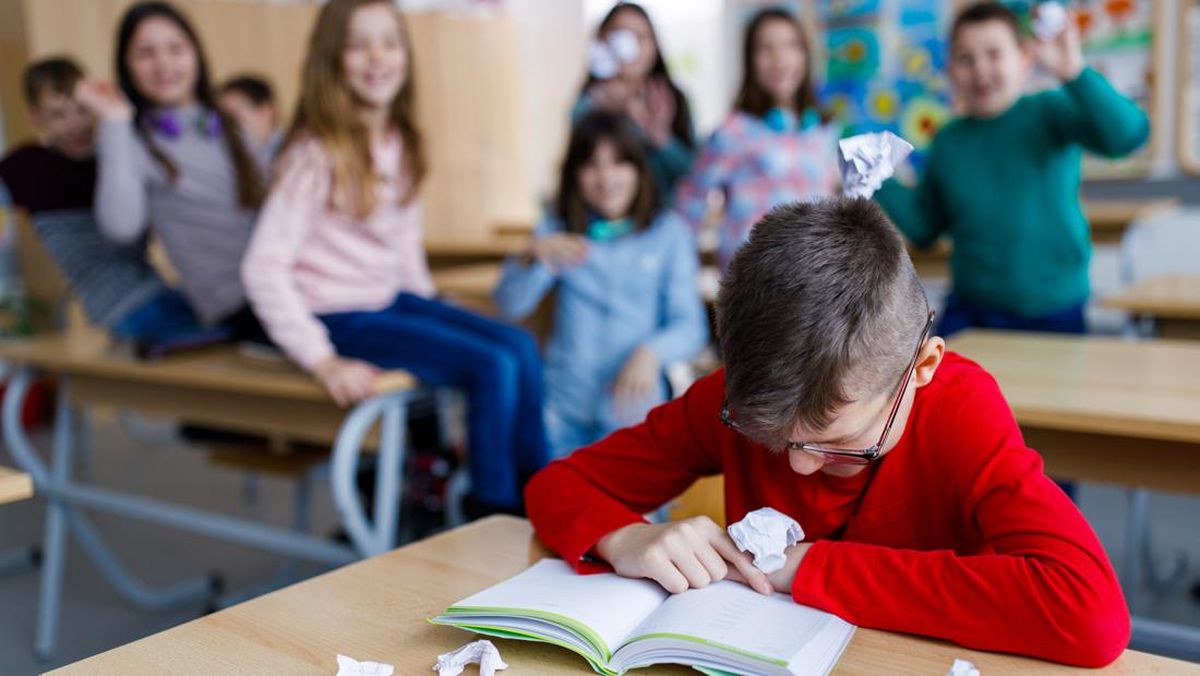
Children are acute observers whose behavioral repertoires are heavily shaped by observational learning within their immediate environment. If a child routinely witnesses domestic conflicts characterized by raised voices, verbal disparagement, emotional manipulation, or physical aggression, they are statistically far more likely to internalize and replicate these maladaptive patterns in their interactions with peers.
Therefore, establishing a peaceful and respectful home environment is paramount. Parents must demonstrate constructive communication, emotional self-regulation, and peaceful conflict resolution. Furthermore, disciplinary practices within the home must eschew degradation, derogatory labeling, and corporal punishment, as these methods inadvertently validate the utility of power imbalances and intimidation as tools for compliance.
Promoting Inclusivity and Respect for Diversity
In an increasingly interconnected global society, children must be taught to value diversity across socioeconomic, cultural, ethnic, religious, and physiological spectra. Prejudices often manifest early through peer socialization or unexamined societal biases, leading children to target peers who deviate from perceived norms.
Parents can counteract this by explicitly teaching that differences in appearance, physical or cognitive ability, economic status, or cultural background are natural facets of human diversity and never justify ridicule or exclusion. Encouraging children to participate in diverse community activities, intercultural programs, and inclusive social groups further broadens their worldview and reinforces a culture of universal respect.
Establishing Clear Consequences and Accountability
While understanding and empathy are foundational, bullying constitutes a serious behavioral infraction that necessitates clear, definitive boundaries and proportional consequences. When a child violates anti-bullying policies, parents and school authorities must enforce predetermined, logical repercussions.
For instance, if a child engages in cyberbullying via digital devices or social media platforms, a measured and effective consequence involves the temporary restriction or close supervision of device usage. The primary objective of such interventions is not punitive retribution, but rather the reinforcement of accountability, ensuring the child understands that harmful actions carry tangible consequences for which they must take full responsibility.
Encouraging Restorative Action and Error Correction
True behavioral correction extends beyond accepting punishment; it requires active remediation. Once a child has calmed down following an incident of bullying, parents should guide them in identifying ways to make amends.
Restorative actions may include a sincere, direct apology to the affected individual or participation in community-oriented tasks that demonstrate a newfound commitment to respectful behavior. The emphasis is placed on helping the child comprehend the real-world impact of their transgressions and empowering them to actively participate in restoring social harmony.
Reinforcing Positive Behavior Through Positive Reinforcement
Behavioral modification frameworks, such as those advocated by Nemours KidsHealth, highlight the critical importance of positive reinforcement. Caregivers frequently focus exclusively on corrective measures when infractions occur, inadvertently neglecting to acknowledge instances where children successfully demonstrate emotional restraint or kindness.
Systematically praising children when they exhibit prosocial behaviors—such as mediating a peer dispute peacefully, including a marginalized classmate, or showing compassion—solidifies these habits. Positive reinforcement communicates that kindness, empathy, and cooperation are recognized, valued, and socially advantageous.
Monitoring Social Ecosystems and Seeking Professional Intervention
Comprehensive prevention also requires vigilance regarding a child’s broader social ecosystem. Parents must maintain open lines of communication regarding their children’s friendships, academic environments, and digital interactions.
In instances where bullying behaviors persist despite concerted parental guidance, collaborative intervention involving school administrators, guidance counselors, and licensed child psychologists becomes essential. Professional mental health support is particularly crucial for children exhibiting chronic aggression, severe emotional dysregulation, or underlying psychological distress. Through a unified, empathetic, and structured approach, families and educational institutions can successfully guide children away from harmful behaviors and toward a future defined by respect, empathy, and integrity.








