Eko Sulistyo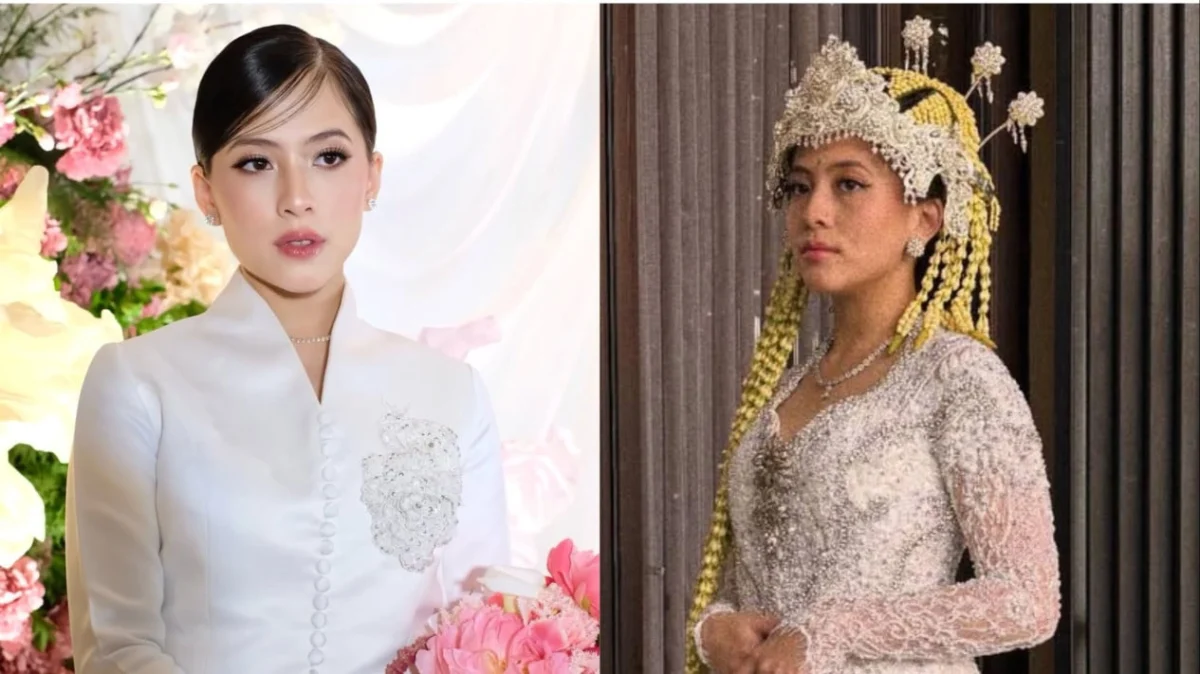
The Indonesian entertainment landscape was recently jolted by the sudden announcement of the marriage between acclaimed actress Adhisty Zara and her partner, Tsaqib. On Sunday, May 31, 2026, the former JKT48 member took to her official Instagram account to share a series of photographs documenting her private wedding ceremony. The announcement was not merely a celebration of union but also served as a dual revelation, as the actress confirmed her pregnancy simultaneously. While the news garnered thousands of congratulatory messages, it also ignited a polarized debate across social media platforms regarding the aesthetic choices of the ceremony, with many netizens comparing the real-life event unfavorably to the actress’s previous fictional portrayals of marriage in television dramas.
Chronology of the Announcement and Public Revelation
The timeline of events began on the afternoon of May 31, 2026, when Adhisty Zara uploaded a carousel of images to her Instagram feed. The photos depicted a solemn and intimate akad nikah (Islamic marriage contract ceremony). Zara was seen wearing a modest, minimalist white kebaya, while Tsaqib wore a matching white beskap. The setting appeared to be a private residence or a small boutique venue, decorated with understated floral arrangements. The caption was brief, expressing gratitude for the new chapter in her life and confirming that she is currently expecting her first child.
This revelation came as a surprise to the general public, as Zara had significantly reduced her public appearances and social media activity in the months leading up to the announcement. Speculation regarding her personal life had been circulating in tabloid circles for weeks, but the confirmation of both a marriage and a pregnancy in a single post created a massive surge in digital traffic. Within hours, the hashtags associated with her name reached the top of trending charts on X (formerly Twitter) and TikTok in Indonesia.
The Contrast Between Fiction and Reality
A significant portion of the public discourse has focused on the visual presentation of the wedding. Adhisty Zara, who has built a prolific career as a leading lady in Indonesian cinema and "Sinetron" (television soaps), has frequently participated in elaborate wedding scenes for her roles. One particular portrayal that remains etched in the minds of her fanbase is her appearance in a traditional Sundanese wedding attire for a past production. In that fictional setting, Zara wore a grand white brocade kebaya paired with the Siger Sunda—a traditional, ornate crown made of silver or gold—symbolizing the elegance and cultural heritage of West Java.
In contrast, her actual wedding to Tsaqib opted for a modern, minimalist aesthetic. The absence of the Siger and the lack of a grand traditional procession left some fans feeling underwhelmed. Social media comments highlighted a sense of "aesthetic disappointment," where followers admitted they had long envisioned Zara’s real-life wedding to be a "National Wedding of the Year" event, characterized by high-fashion traditional garments and a star-studded guest list.
One viral comment on TikTok remarked, "It is quite unfortunate; I had hoped to see Zara in Sundanese traditional dress in real life." Another user added, "The wedding in her films looked more intentional and grand than the real one. It is rare to see a real wedding lose to a fictional setting." These sentiments reflect a broader phenomenon in celebrity culture where the line between a performer’s public "on-screen" persona and their "off-screen" reality becomes blurred, leading fans to project fictional expectations onto the personal lives of celebrities.
Background Context: Adhisty Zara’s Career and Public Image
To understand the weight of this public reaction, one must consider Adhisty Zara’s trajectory in the Indonesian entertainment industry. Born in 2003, Zara rose to prominence as a first-generation member of the idol group JKT48. Her transition from music to acting was met with critical acclaim, particularly after her breakout role in the 2019 film Dua Garis Biru. Ironically, that film dealt with the themes of teenage pregnancy and early marriage, a coincidence that has not escaped the notice of the public following her recent announcement.
Zara has often been at the center of media scrutiny regarding her personal relationships. As a "Gen Z" icon, her every move is tracked by millions of young followers. Her decision to keep her relationship with Tsaqib relatively private until the wedding day marks a departure from her earlier years in the spotlight, where her social life was more transparently documented. Industry analysts suggest that this pivot toward privacy may be a strategic move to protect her growing family and her mental well-being from the often-harsh environment of digital commentary.
Analysis of the Minimalist Wedding Trend
The critique of Zara’s "simple" wedding also highlights a shifting trend in how modern Indonesian celebrities approach marriage. While the traditional "royal-style" wedding remains popular, an increasing number of high-profile figures are opting for "intimate weddings" or "micro-weddings." This trend gained momentum during the COVID-19 pandemic and has persisted as a lifestyle choice for those seeking a more personal and less performative celebration.
From a cultural sociology perspective, the backlash Zara faced indicates a lingering societal expectation that celebrities should serve as "cultural ambassadors." When a celebrity of Sundanese descent, like Zara, chooses not to use traditional signifiers like the Siger or the Siraman ceremony in a public way, some traditionalists and fans view it as a missed opportunity to showcase cultural pride. However, proponents of Zara’s choice argue that a wedding is a personal rite of passage, not a public performance, and that the simplicity of the event reflects a mature focus on the marriage itself rather than the spectacle.
Reactions from Industry Peers and Social Media
Despite the critiques regarding the ceremony’s scale, the Indonesian entertainment community has rallied around the couple. Several former JKT48 members and co-stars from her various film projects have posted messages of support, emphasizing the importance of her happiness and the health of her unborn child.
"Everyone has their own dream wedding. If Zara felt that a quiet, simple ceremony was what she needed, then we should respect that. The most important thing is the sanctity of the vow," said a fellow actress in an anonymous interview with a local entertainment outlet.
On the other hand, the "netizen" reaction continues to be a mix of shock and analysis. Digital data indicates that while 40% of the conversation is focused on the "simplicity" of the wedding, nearly 50% is centered on the timing of the pregnancy, with the remaining 10% discussing her future career prospects. The sudden nature of the announcement has led to intense debate regarding the "double-edged sword" of celebrity privacy in the age of social media.
Broader Implications and Career Outlook
The announcement of Adhisty Zara’s marriage and pregnancy is expected to have a significant impact on her career trajectory. In the Indonesian film industry, the transition from "ingenue" roles to "motherhood" can be a challenging period for actresses. However, given Zara’s proven acting range, many critics believe she will successfully navigate this transition.
There is also the matter of brand endorsements. Zara has been the face of numerous beauty and lifestyle brands targeting the youth demographic. Her new status as a wife and mother-to-be may open doors to new categories of partnerships, such as maternal health, parenting, and home life. Conversely, it may signal a hiatus from the high-energy roles that defined her early twenties.
Furthermore, this event serves as a case study for public relations professionals. The "sudden reveal" strategy—announcing a major life event after it has already occurred—is becoming a preferred method for celebrities to control the narrative. By bypassing the "rumor phase" and going straight to the "official announcement," Zara and Tsaqib were able to manage the initial shock on their own terms, even if they could not control the subsequent aesthetic critiques.
Conclusion: A New Chapter Amidst Public Scrutiny
As of June 2, 2026, the discussion surrounding Adhisty Zara remains a top-tier topic in Indonesian media. While the comparison between her real-life wedding and her television roles continues to fuel social media content, the core of the story remains a significant life transition for one of the country’s most prominent young talents.
The "simplicity" that many fans lamented is, for Zara, likely a deliberate choice for peace and intimacy during a period of profound personal change. As she prepares for both married life and motherhood, the public’s focus will eventually shift from the details of her wedding attire to her future projects and her journey as a parent. For now, the event stands as a reminder of the complex relationship between celebrities and their audiences, where the desire for personal privacy often clashes with the public’s appetite for grand, traditional spectacles. Regardless of the critiques, the marriage of Zara and Tsaqib marks a definitive end to her "idol" era and the beginning of a more mature, albeit highly scrutinized, chapter in her life and career.