Tyo Susilo
Xiaomi, a global technology powerhouse known for its expansive ecosystem of smart devices, is making a significant strategic move into the premium over-ear headphone segment with the imminent launch of the Redmi Headphone Neo. While the company has steadily built a presence in the audio market, primarily through its highly successful line of True Wireless Stereo (TWS) earbuds and a growing portfolio of wireless speakers, this marks its most ambitious foray yet into the competitive landscape of over-ear audio solutions. The Redmi Headphone Neo, as indicated by its appearance on several international e-commerce platforms, promises a compelling blend of advanced features and aggressive pricing, signaling Xiaomi’s intent to challenge established players and capture a larger share of the burgeoning headphone market.
Unveiling the Redmi Headphone Neo: A First Look at Xiaomi’s Over-Ear Debut
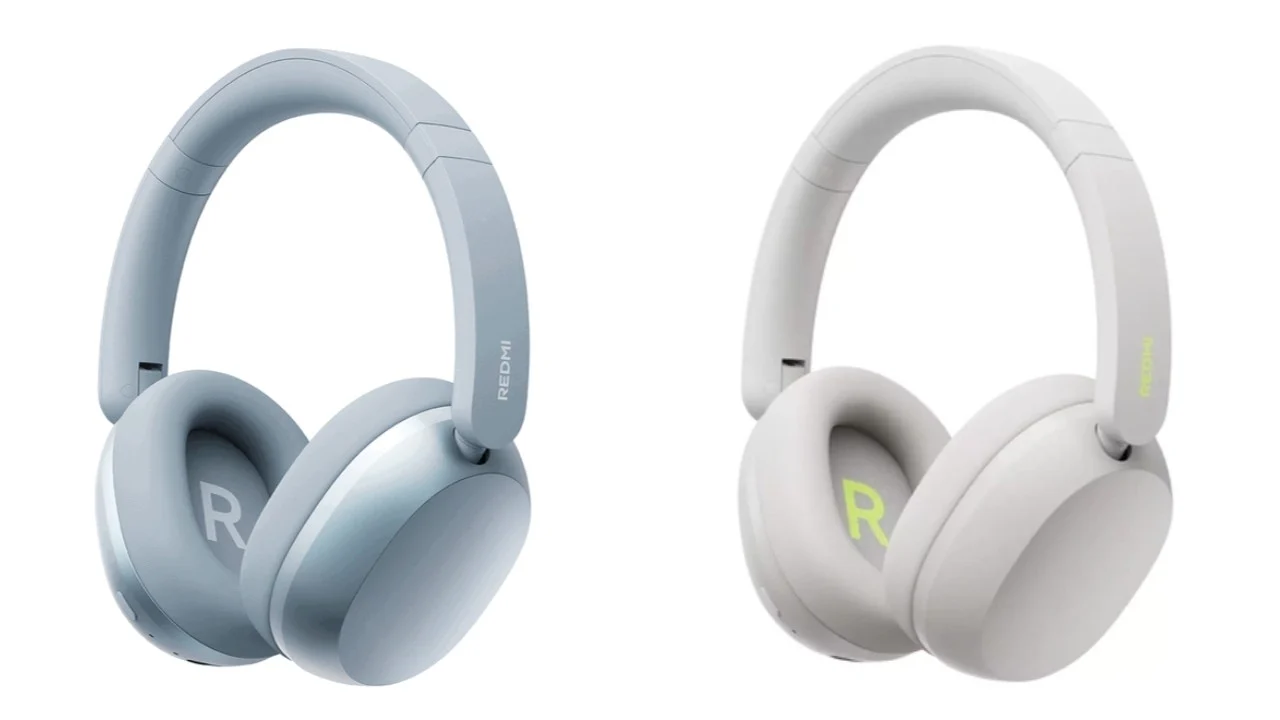
The Redmi Headphone Neo has surfaced on various overseas online marketplaces, including Lazada Philippines, offering a comprehensive glimpse into its specifications and pricing, even in the absence of an official global announcement from Xiaomi. This premature unveiling suggests a launch in the very near future, as the company typically orchestrates such appearances to build anticipation and gauge market reception. The device is presented with a design philosophy consistent with Xiaomi’s broader IoT offerings: understated elegance and minimalist aesthetics, aiming to appeal to a wide demographic.
At the heart of the Redmi Headphone Neo’s audio prowess lies a pair of 40mm titanium-coated drivers. This driver configuration is engineered to deliver a broad frequency response range, spanning from 20 Hz to 40 kHz. This extended range is crucial for reproducing both the deep, resonant bass frequencies and the crisp, detailed treble notes, providing listeners with a rich and immersive audio experience. The use of titanium coating on the drivers is a hallmark of higher-fidelity audio equipment, contributing to enhanced rigidity and reduced distortion, thereby promising clearer sound reproduction across various music genres.
Advanced Noise Cancellation and Connectivity: A Seamless Listening Experience
A standout feature of the Redmi Headphone Neo is its integrated Active Noise Cancellation (ANC) technology. The device claims to offer a noise reduction capability of up to -42dB, a figure that places it firmly in the mid-to-high tier of ANC performance. This level of noise cancellation is designed to effectively mute ambient distractions, from the low hum of airplane engines and commuter train rumble to the chatter of a busy office or coffee shop. This feature is particularly appealing for frequent travelers, commuters, and individuals seeking an immersive audio sanctuary in noisy environments.
In terms of connectivity, the Redmi Headphone Neo leverages the latest Bluetooth 5.4 standard. This ensures a stable, low-latency wireless connection with improved power efficiency compared to previous Bluetooth versions. The inclusion of Bluetooth 5.4 is a forward-looking specification that guarantees compatibility with newer devices and offers enhanced audio streaming capabilities. Beyond wireless audio, the headphones also retain the flexibility of wired listening through a USB-C port. This versatile port not only serves as a conduit for audio playback but also functions as the charging interface, streamlining the user experience and reducing the need for multiple cables. The integration of USB-C for audio also hints at potential support for higher-resolution audio codecs transmitted over wire, a feature increasingly sought after by audiophiles.
Unprecedented Battery Life: Powering Extended Listening Sessions
Perhaps the most remarkable specification revealed for the Redmi Headphone Neo is its exceptional battery life. The company claims an impressive playback time of up to 72 hours on a single charge when the ANC feature is deactivated. This endurance is powered by a substantial 500 mAh battery. To put this into perspective, most competing over-ear headphones in the premium segment typically offer between 30 to 50 hours of playback with ANC enabled. While the exact battery life with ANC activated has not been disclosed, the 72-hour figure in passive mode is a significant achievement and positions the Redmi Headphone Neo as a leader in long-duration listening. This extended battery performance is a major boon for users who regularly undertake long journeys, work extended shifts, or simply prefer not to be tethered to a charger frequently. The efficiency of Bluetooth 5.4 and the optimized power management of the device are likely key contributors to this impressive longevity.
Pricing and Availability: Aggressive Market Entry
The pricing strategy for the Redmi Headphone Neo appears to be characteristically aggressive, a signature move for Xiaomi that has propelled its growth in various product categories. On Lazada Philippines, the headphones are listed for PHP 3,299, which translates to approximately $56 USD or around Rp930,000 in Indonesian Rupiah. This price point positions the Redmi Headphone Neo as a highly competitive offering, likely undercutting many established brands that offer similar features, particularly those with comparable ANC capabilities and driver quality.
The Redmi Headphone Neo is expected to be available in three sophisticated color variants: Obsidian Black, Sand White, and Mist Blue. These color options cater to diverse aesthetic preferences, further broadening its appeal. The widespread appearance on e-commerce platforms outside of China strongly suggests an imminent global rollout, with particular focus on markets where Xiaomi has a significant brand presence. The question of whether these headphones will officially land in Indonesia is a pertinent one, given the country’s robust demand for consumer electronics and Xiaomi’s established market share there.
Strategic Implications: Xiaomi’s Audio Ambitions Intensify
Xiaomi’s persistent expansion into the audio hardware market is a calculated strategy aimed at solidifying its position as a comprehensive smart device provider. The company has consistently demonstrated an ability to disrupt markets by offering feature-rich products at competitive price points, a model that has proven highly successful with its smartphones, wearables, and smart home devices. The introduction of the Redmi Headphone Neo signifies a direct challenge to established audio brands in the premium over-ear segment, a market previously dominated by companies like Sony, Bose, and Sennheiser.
The success of the Redmi Headphone Neo could have several implications for the broader audio industry. Firstly, it could further drive down prices for high-quality ANC headphones, making advanced audio features more accessible to a wider consumer base. Secondly, it could force competitors to re-evaluate their pricing and feature sets to remain competitive. Xiaomi’s vertically integrated approach, from component sourcing to distribution, allows it to maintain tight cost controls, a significant advantage in price-sensitive markets.
Background and Market Context: The Evolution of Audio Devices
The audio market has witnessed a dramatic shift in recent years, driven by advancements in wireless technology, miniaturization of components, and a growing consumer demand for portable, high-quality audio solutions. The rise of streaming services has further fueled this trend, with consumers seeking devices that can deliver an optimal listening experience for their digital music libraries.
Over-ear headphones, once considered the domain of audiophiles and professionals, have seen a resurgence in popularity, driven by their superior comfort for extended wear and their potential for delivering richer, more immersive soundscapes compared to smaller form factors. The integration of ANC has become a key differentiator, transforming headphones from simple audio playback devices into personal sanctuaries that allow users to escape the noise of the outside world.
Xiaomi’s journey into audio began with TWS earbuds, a category where it has achieved remarkable success, becoming one of the leading global vendors. This experience has provided the company with valuable insights into consumer preferences, manufacturing processes, and the competitive dynamics of the audio market. The expansion into wireless speakers and now over-ear headphones represents a logical progression, leveraging its existing brand equity and technological expertise.
The timeline for Xiaomi’s audio product development has been steady and strategic. While specific launch dates for every audio accessory are not always widely publicized, the company has consistently introduced new products, from budget-friendly TWS options to more premium offerings, often under its sub-brands like Redmi and Poco. The Redmi Headphone Neo’s emergence follows this pattern, indicating a well-planned product roadmap.
Potential Reactions and Expert Analysis
While official statements from Xiaomi regarding the Redmi Headphone Neo are pending, one can infer potential reactions from industry analysts and consumers. Tech reviewers are likely to scrutinize the headphones’ audio quality, ANC effectiveness, comfort, build quality, and overall value proposition. Comparisons with established competitors will be inevitable, with a particular focus on how the Redmi Headphone Neo stacks up against offerings in a similar price bracket.
Industry experts might view this launch as a testament to Xiaomi’s growing ambition and its ability to execute complex product strategies across diverse categories. The company’s success in the smartphone market, where it has consistently challenged Apple and Samsung, suggests that it is not afraid to take on market leaders in other sectors. The Redmi Headphone Neo, with its compelling specifications and aggressive pricing, could indeed force a recalibration of market expectations for premium audio hardware.
Broader Impact and Future Outlook
The introduction of the Redmi Headphone Neo has the potential to democratize access to advanced headphone features. By offering a product with 72-hour battery life and -42dB ANC at a price point significantly lower than many premium alternatives, Xiaomi is setting a new benchmark for value. This could spur innovation across the industry as other manufacturers strive to match Xiaomi’s performance and affordability.
Looking ahead, Xiaomi’s continued investment in audio technology is a clear indication of its long-term commitment to this market segment. Consumers can expect further advancements in sound quality, noise cancellation, battery efficiency, and smart features in future audio products from the company. The success of the Redmi Headphone Neo will undoubtedly pave the way for more sophisticated audio devices from Xiaomi, further solidifying its presence as a major player in the global consumer electronics landscape. The company’s ability to integrate these audio devices seamlessly into its existing smart home and mobile ecosystems will be a key factor in its sustained growth and consumer adoption. The Redmi Headphone Neo is more than just a new product; it represents a strategic pivot and a bold statement of intent from one of the world’s leading technology innovators.