Nila Kartika Wati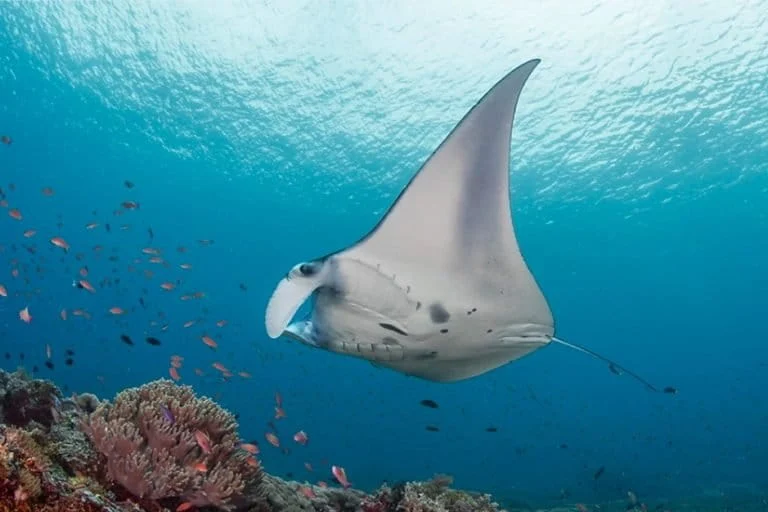
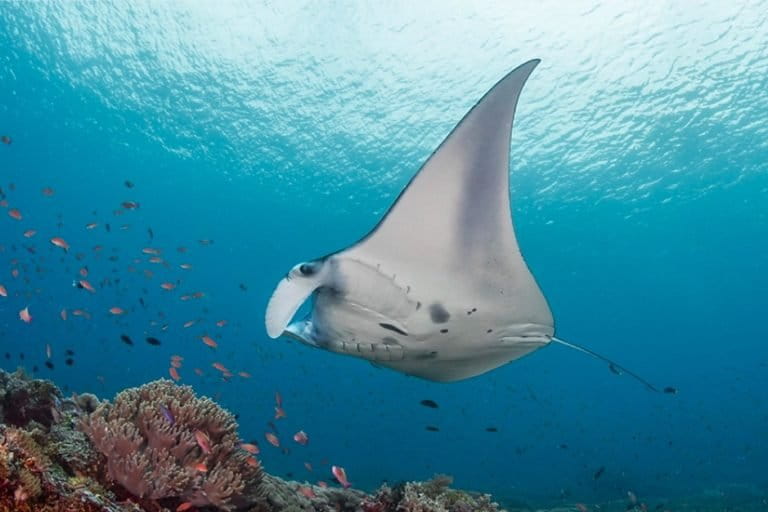
The waters of Indonesia’s Komodo National Park have been identified as a critical global stronghold for the reef manta ray (Mobula alfredi), according to a landmark study that underscores the park’s importance amidst growing environmental pressures. Research published in 2022 revealed that at least 1,085 individual reef manta rays frequent the protected area, marking it as the largest documented population of the species anywhere in the world. This finding has transformed the scientific understanding of the region, shifting its status from a mere regional hotspot to a primary bastion for the survival of a species currently listed as "Vulnerable" on the International Union for Conservation of Nature (IUCN) Red List.
Led by Dr. Elitza Germanov of the Marine Megafauna Foundation, the study utilized over a decade of data to paint a comprehensive picture of manta ray health and behavior within the park. The research highlights that while the 1,085 figure is unprecedented, it likely represents only a portion of the total population, as many individuals may inhabit deeper or less-frequented sectors of the expansive national park. For conservationists, this data serves as a beacon of hope, suggesting that well-managed marine protected areas (MPAs) can indeed provide the necessary conditions for large marine megafauna to thrive, even as their kin face extinction in other parts of the world.
The Ecological Magnetism of Komodo National Park
The concentration of reef manta rays in Komodo National Park is not a matter of chance but a result of the region’s unique oceanographic characteristics. Located within the Coral Triangle—the global epicenter of marine biodiversity—the park sits at a confluence of currents where the Pacific and Indian Oceans meet. This phenomenon, known as the Indonesian Throughflow, brings nutrient-rich deep-sea water to the surface through a process called upwelling. These nutrients fuel massive blooms of zooplankton, the primary food source for filter-feeding manta rays.
Beyond serving as a primary feeding ground, the park provides essential "cleaning stations." These are specific coral reef patches where small cleaner wrasses and other reef fish congregate to remove parasites and dead skin from the mantas’ large bodies. These stations are more than just grooming sites; they are social hubs where mantas interact and where mating rituals often begin. The presence of these multi-functional habitats within a single protected zone makes Komodo an indispensable nursery and sanctuary for the species.
Innovative Research through Citizen Science
One of the most significant aspects of the study is its reliance on "citizen science." Given the vastness of the park’s waters, traditional research teams alone could not have gathered such a massive dataset. Instead, researchers collaborated with dive operators, tourists, and local communities who contributed thousands of photographs of manta rays.
Each reef manta ray carries a unique "fingerprint" in the form of a distinct pattern of spots on its belly (ventral side). By using photo-identification software and manual verification, scientists were able to track individual movements, growth rates, and site fidelity over several years. This collaborative approach not only reduced the cost of the research but also fostered a sense of ownership and environmental stewardship among the local tourism industry. The success of this methodology in Komodo is now being looked at as a blueprint for monitoring wide-ranging marine species in other developing nations.
Biological Vulnerability and the Stakes of Conservation
Despite the high numbers recorded in the park, the biological reality of the reef manta ray makes its population extremely fragile. These animals are "K-strategists," meaning they grow slowly, mature late, and have very low reproductive rates. A female reef manta ray typically does not reach sexual maturity until she is about 10 to 15 years old. Once mature, she may give birth to only one pup every two to five years after a year-long gestation period.
This slow reproductive cycle means that the loss of even a small number of breeding-age adults can have devastating, long-term effects on the population. Unlike many fish species that can rebound quickly from overfishing, manta rays require decades of absolute protection to recover from any significant decline. Consequently, the 1,085 individuals in Komodo represent a "biological bank account" that must be protected with the utmost rigor to ensure the species’ regional and global persistence.
The Legal Framework: Indonesia’s Shift Toward Protection
The discovery of the world’s largest reef manta population comes years after Indonesia made a historic pivot in its marine policy. In 2014, the Indonesian government officially declared the manta ray a protected species throughout its entire nearly 6-million-square-kilometer exclusive economic zone. This move was prompted by the realization that a living manta ray is worth significantly more to the national economy through sustainable tourism than a dead one is for the wildlife trade.
Economic studies have estimated that a single manta ray can generate over $1 million in tourism revenue over its lifetime, whereas its gill rakers—highly prized in some traditional medicinal markets—fetch only a few hundred dollars. While the 2014 ban was a landmark achievement, the 2022 research highlights that legal protection on paper does not automatically translate to safety in the water. The study identified at least 56 individuals with injuries caused by fishing gear, such as scars from nets or hooks, indicating that illegal or "ghost" fishing remains a persistent threat within and around the park boundaries.
Threats from Tourism and Human Encroachment
While tourism provides the economic incentive to protect mantas, it also presents a paradox of pressure. Komodo National Park has seen a surge in visitors over the last decade, leading to an increase in boat traffic and human-wildlife interactions. The study notes that excessive noise from outboard engines and the physical presence of dozens of divers at cleaning stations can disrupt the natural behavior of the rays.
Manta rays are highly sensitive to their environment. Frequent disturbances can drive them away from essential cleaning and feeding sites, potentially impacting their health and ability to reproduce. Furthermore, the risk of boat strikes—where mantas are hit by hulls or cut by propellers—is a growing concern as more high-speed vessels ferry tourists between Labuan Bajo and the park’s dive sites. Researchers and park authorities are now calling for stricter regulations on vessel speeds and a cap on the number of divers allowed at sensitive sites at any given time.
The Looming Shadow of Climate Change
Beyond local human activities, the global crisis of climate change poses an existential threat to the Komodo mantas. Rising sea temperatures can alter the timing and intensity of plankton blooms, potentially leading to food shortages for these massive filter feeders. Additionally, ocean acidification—the result of the ocean absorbing excess atmospheric carbon dioxide—threatens the health of the coral reefs that host the cleaning stations.
The study also pointed toward the pervasive issue of marine plastic pollution. As filter feeders, manta rays inadvertently ingest microplastics while feeding on plankton. These plastics can leach toxins into the animals’ systems, leading to hormonal imbalances and reduced reproductive success. In a region where waste management infrastructure is still developing, the influx of plastic into the marine environment remains a critical hurdle for long-term conservation efforts.
A Call for Integrated Management and Regional Cooperation
The findings of the 2022 report have sparked a call for a more integrated approach to marine management in Indonesia. Experts suggest that protecting the waters within the Komodo National Park is not enough, as manta rays are migratory and often travel beyond the park’s invisible boundaries into unprotected waters. To truly secure the future of the world’s largest population, "blue corridors"—protected migratory routes—must be established to connect Komodo with other known manta habitats like Nusa Penida and Raja Ampat.
Furthermore, there is a pressing need for increased patrolling and enforcement to combat illegal fishing. This requires investment in satellite tracking, drone surveillance, and increased maritime police presence. On the tourism front, the implementation of mandatory "Manta Codes of Conduct" for all dive operators is seen as a necessary step to ensure that human awe does not turn into animal distress.
Broader Implications for Global Marine Biodiversity
The success of the reef manta ray population in Komodo National Park serves as a powerful case study for the global scientific community. It proves that even in a world facing a "biodiversity crisis," there are still pockets of resilience where nature can flourish if given the chance. The data from Komodo provides a baseline for what a healthy, thriving population of large elasmobranchs (sharks and rays) looks like, offering a target for restoration projects in other degraded marine ecosystems.
As Indonesia continues to balance economic development with environmental preservation, the manta rays of Komodo stand as a symbol of the country’s natural heritage. They are not only a biological wonder but also a vital component of the marine ecosystem that supports thousands of local livelihoods. The 2022 study is a reminder that while Komodo is indeed a "ray of hope," that hope must be sustained through constant vigilance, scientific rigor, and a collective commitment to protecting the oceans for future generations. If the threats of illegal fishing, unregulated tourism, and climate change can be successfully mitigated, the "manta capital of the world" will continue to inspire and provide a sanctuary for one of the ocean’s most majestic inhabitants.