Tyo Susilo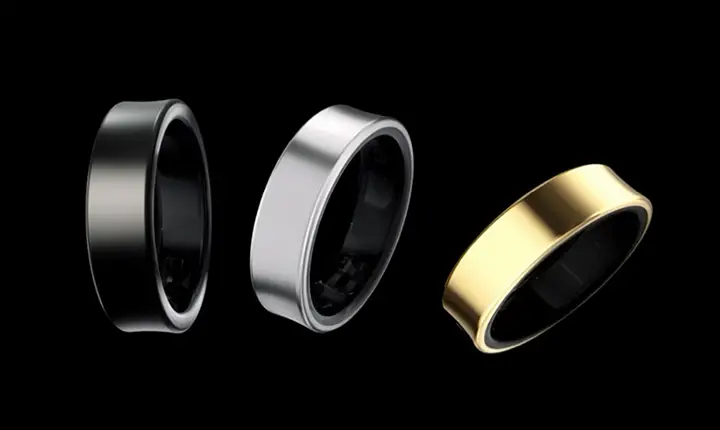
Samsung has officially confirmed that a second-generation Galaxy Ring is currently in development, a move that signals the company’s continued commitment to the wearable technology market and its ambition to differentiate itself in an increasingly competitive landscape. The confirmation came directly from Dr. Hon Pak, Senior Vice President at Samsung, though specific details regarding the device’s specifications and launch timeline remain under wraps. This announcement arrives approximately two years after the initial unveiling of the first Galaxy Ring, a product that aimed to blend sophisticated health tracking with discreet wearable design.
A Strategic Pivot Towards Software Prowess
While the first Galaxy Ring set a precedent for smart ring technology, Samsung is emphasizing that the enhancements in the Galaxy Ring 2 will extend beyond mere hardware upgrades. According to Dr. Hon Pak, the company views the sophisticated software capabilities and the intelligent processing of health data as the primary differentiating factors that will set the Galaxy Ring 2 apart from other smart rings available in the market. This strategic focus suggests a recognition that while sensor technology has become relatively standardized across many wearables, the true innovation lies in how that data is interpreted and presented to the user.
The current generation of smart rings often incorporates similar sensor arrays, capable of monitoring vital metrics such as heart rate, blood oxygen levels (SpO2), and skin temperature, alongside tracking daily activity. However, Samsung appears poised to elevate this by developing advanced algorithms designed to analyze these data points with greater accuracy and provide deeper, more actionable insights. This could translate into more nuanced interpretations of cardiovascular health, sleep patterns, stress levels, and overall wellness, moving beyond simple data collection to personalized health guidance. The success of this approach will hinge on Samsung’s ability to leverage machine learning and artificial intelligence to unlock the full potential of the collected data, offering users a truly personalized health companion.
Expanding the Ecosystem: A Nod to iPhone Users?
Perhaps one of the most significant potential implications of the Galaxy Ring 2, hinted at by Dr. Hon Pak, is the possibility of expanded compatibility with Apple’s iPhone. While not a definitive confirmation, this signal opens a substantial avenue for Samsung to broaden the reach of its Galaxy Ring ecosystem beyond the confines of Android devices. Currently, many of Samsung’s wearable devices and associated health platforms are primarily integrated with the Android operating system. If the Galaxy Ring 2 were to support iPhones, it would represent a significant strategic shift, allowing Samsung to tap into a much larger user base and potentially challenge Apple’s dominance in the premium wearable segment.
This move, if realized, would be a masterstroke in terms of market penetration. The sheer volume of iPhone users globally presents an enormous opportunity. It would also underscore a growing trend in the tech industry towards greater interoperability, where consumers are increasingly looking for devices that can seamlessly integrate across different platforms, rather than being locked into a single brand’s ecosystem. The technical challenges of such cross-platform integration, particularly concerning data synchronization and user experience, are considerable. However, Samsung’s track record with its broader Galaxy ecosystem suggests a capability to navigate these complexities. The potential for a single, sophisticated health tracking ring to be accessible to a vast majority of smartphone users worldwide is a compelling prospect.
Unveiling Potential Upgrades: A Glimpse into the Future
Beyond the confirmed focus on software and the tantalizing prospect of iPhone compatibility, several prior leaks have provided a clearer picture of the anticipated upgrades for the Galaxy Ring 2. These rumored enhancements suggest a comprehensive evolution of the device, addressing key areas of user experience and functionality.
Enhanced Battery Life: A Marathon Runner, Not a Sprinter
One of the most eagerly awaited improvements is in battery performance. Reports suggest that the Galaxy Ring 2 could see its battery life extend significantly, from the approximate one-week duration of its predecessor to an impressive nine to ten days on a single charge. This incremental but crucial upgrade would address a common pain point for many wearable users – the frequency of charging. A longer battery life means less interruption in data collection and a more consistent user experience, especially for individuals who rely on continuous sleep tracking or extended periods of monitoring without convenient access to a charger. In the competitive landscape of wearables, where devices are increasingly expected to be "always on," this extended longevity would be a significant competitive advantage.
A Slimmer, Lighter, and More Comfortable Design
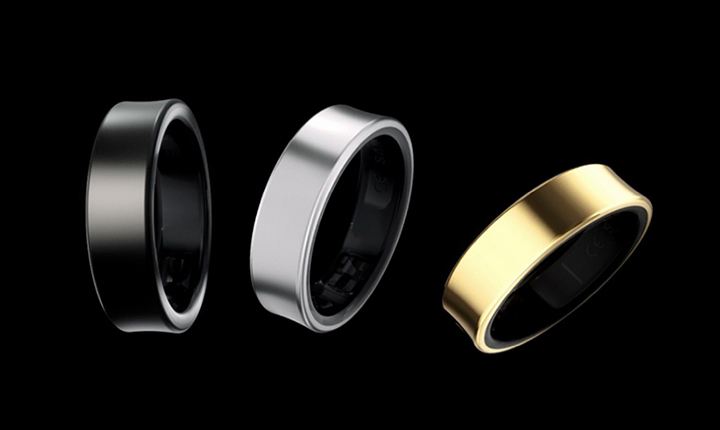
Ergonomics and comfort are paramount for a device worn continuously, especially on the finger. The Galaxy Ring 2 is rumored to feature a more refined design, characterized by a thinner and lighter profile. This design evolution aims to enhance the comfort of the smart ring, making it less obtrusive during everyday activities. The ability to wear the ring comfortably throughout the day, including during sleep and strenuous exercise, is crucial for its effectiveness as a health tracking tool. A lighter and slimmer form factor not only improves wearability but can also contribute to a more seamless integration into a user’s lifestyle, making it feel less like a gadget and more like an extension of themselves. This attention to detail in design can be the difference between a device that is adopted and one that is eventually discarded.
Next-Generation Health Sensors for Precision Monitoring
The core function of any smart ring is its ability to accurately monitor health metrics. The Galaxy Ring 2 is expected to incorporate new sensor technology that will significantly improve the precision of its measurements. This includes rumors of a more accurate skin temperature sensor, which can provide valuable insights into physiological changes, sleep cycles, and potential illness indicators. Furthermore, the device is anticipated to offer more comprehensive cardiovascular health monitoring features. This could encompass advanced heart rate variability (HRV) analysis, improved detection of irregular heart rhythms, and more robust data for assessing overall cardiovascular fitness. Such advancements would position the Galaxy Ring 2 as a more potent tool for proactive health management, empowering users with a deeper understanding of their well-being.
The Broader Context: A Maturing Wearables Market
The development of the Galaxy Ring 2 occurs within a dynamic and rapidly evolving wearables market. The smart ring category, while still nascent compared to smartwatches, has seen increasing interest from both established tech giants and innovative startups. Competitors like Oura Ring have already carved out a significant niche by focusing on advanced sleep tracking and recovery metrics. Apple, the dominant force in the smartwatch market, has also been rumored to be exploring smart ring technology, adding another layer of competitive pressure.
Samsung’s initial foray with the Galaxy Ring was a bold statement of intent, positioning itself as a key player in this emerging segment. The two-year gap between the first generation and the confirmed development of the second suggests a deliberate and iterative approach to product development, allowing Samsung to gather user feedback, refine its technology, and observe market trends. The company’s decision to invest further in this product line, with a clear emphasis on software and potentially cross-platform compatibility, indicates a long-term vision for its role in personal health and wellness technology.
Implications for the Health Tech Landscape
The confirmed development of the Galaxy Ring 2 and its potential features carry significant implications for the broader health technology landscape.
- Increased Competition and Innovation: Samsung’s commitment will undoubtedly spur further innovation from its competitors. The focus on advanced software algorithms and potentially wider platform support will raise the bar for all players in the smart ring market. This will ultimately benefit consumers through better products and more comprehensive health insights.
- Democratization of Advanced Health Tracking: If the Galaxy Ring 2 indeed becomes compatible with iPhones, it could make advanced health tracking more accessible to a wider audience. This could lead to a greater public awareness of personal health metrics and encourage more proactive health management behaviors across diverse demographics.
- The Future of Wearable Form Factors: The success of a more refined and comfortable smart ring could influence the future design of other wearables. As the market matures, there will be a continued push towards more discreet, less intrusive, and more integrated wearable solutions.
- Data Privacy and Security: As wearable devices collect increasingly sensitive personal health data, the emphasis on robust data privacy and security measures will become even more critical. Samsung, like other major tech companies, will face intense scrutiny regarding how it collects, stores, and uses this data. Transparency and strong user controls will be paramount to building trust.
Looking Ahead: An Anticipated Launch
While the confirmation of development is a significant step, the question of when consumers can expect to see the Galaxy Ring 2 in the market remains unanswered. Given the typical product development cycles for consumer electronics, it is plausible that the device could be unveiled sometime in the next year or two. However, without official timelines, the exact launch date remains a subject of speculation. The industry will be closely watching Samsung’s next moves, eager to see how the Galaxy Ring 2 will redefine the capabilities and accessibility of smart ring technology and further solidify Samsung’s position in the competitive wearable tech arena. The wait for a more detailed unveiling of the Galaxy Ring 2 promises to be filled with anticipation, as it holds the potential to be a significant evolution in personal health monitoring.