Tyo Susilo
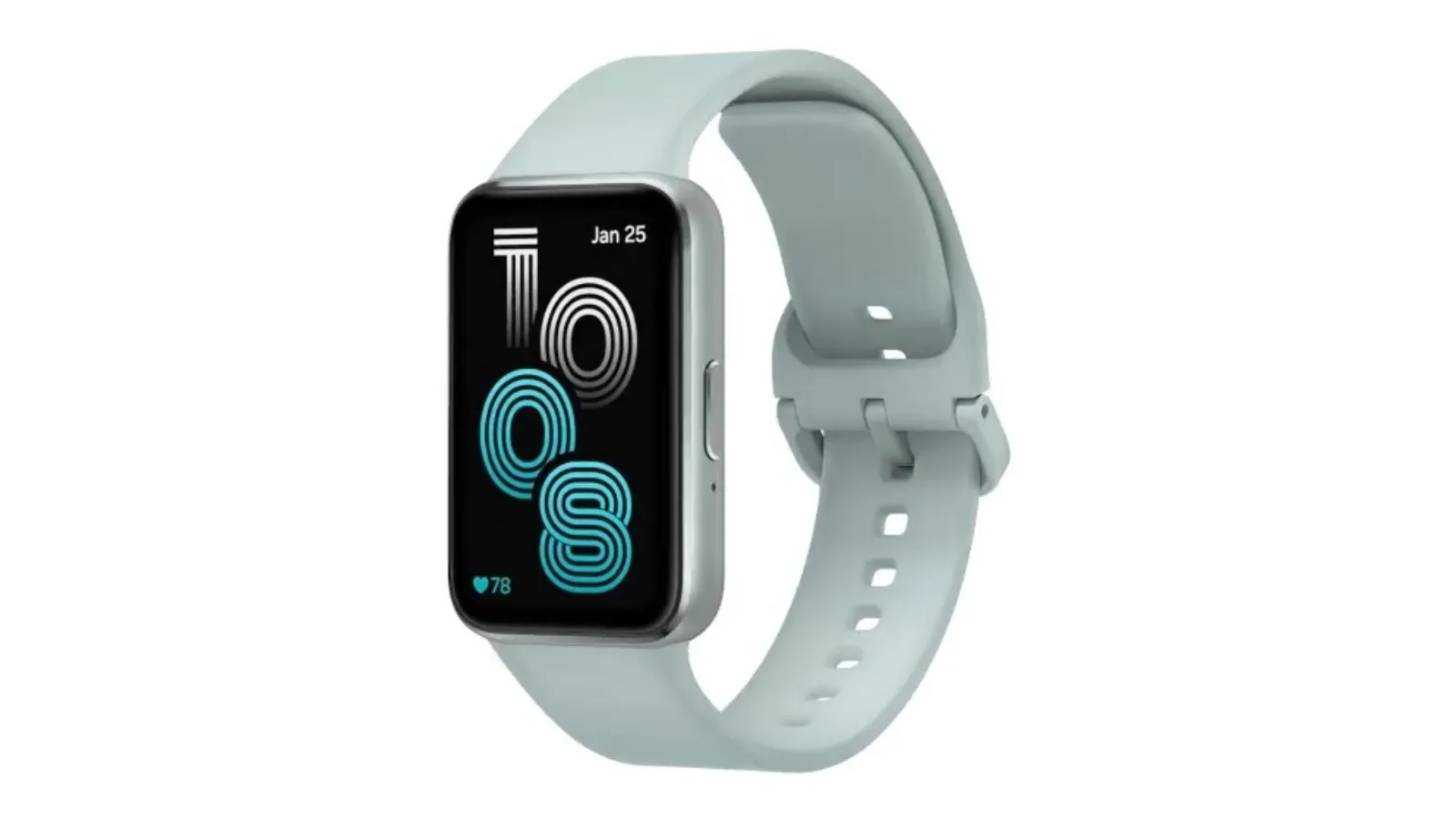
Samsung Electronics is reportedly gearing up to expand its wearable ecosystem with the impending launch of a new-generation fitness tracker, the Samsung Galaxy Fit4. Recent investigative findings derived from a comprehensive application teardown have provided the tech community with its clearest look yet at the upcoming smartband. The newly uncovered 3D renders indicate that Samsung has chosen to retain the core aesthetic and structural language of its predecessor, the Galaxy Fit3, while introducing subtle refinements to color palettes and internal hardware capabilities. As consumer demand for lightweight, health-focused wearables continues to surge globally, the imminent arrival of the Galaxy Fit4 underscores Samsung’s ongoing commitment to capturing the accessible fitness tracker market segment.
Uncovering the Design Language: Familiar Form Factor with Refreshed Color Options
According to detailed digital asset extractions reported by industry observers via recent APK teardowns, the Samsung Galaxy Fit4 maintains the distinct rectangular display housing and rounded corner geometry that defined the Galaxy Fit3. The device preserves the minimalist physical architecture, featuring a single, low-profile physical control button situated on the right-hand edge of the chassis, which assists users in navigating the user interface seamlessly during physical activity.
The leaked 3D visual assets showcase the smartband in three distinct color configurations: classic Black, clean White, and a vibrant Light Blue, often referred to in promotional material leaks as Mint. Notably, this lineup introduces a slight shift from the color strategy employed during the launch of the Galaxy Fit3 in early 2024, which featured a popular Pink Gold variant. In the Galaxy Fit4 generation, the Mint option appears to take the place of Pink Gold, while the hardware framework coloring has been meticulously matched to the tone of the included silicone wrist straps. Samsung continues to rely on durable, skin-friendly silicone bands, cementing the brand’s focus on comfort during rigorous athletic training and continuous everyday wear.
Regulatory Milestones and Chronological Timeline of Leaks
The trajectory toward the commercial availability of the Samsung Galaxy Fit4 has been marked by several significant regulatory footprints and data disclosures over recent months. Industry trackers first caught wind of the device under the official model designation SM-R391, which serves as the internal product identifier within Samsung’s manufacturing and supply chain pipeline.
The chronological progression of leaks and certifications illustrates a steady march toward a commercial rollout:
- Early August 2026: The device officially crossed a critical regulatory threshold by passing through the United States Federal Communications Commission (FCC) certification process on August 4, 2026. Regulatory filing documents associated with model number SM-R391 confirmed vital telecommunication specifications, notably the integration of Bluetooth 5.4 connectivity. This represents an incremental yet meaningful hardware upgrade over the Bluetooth 5.3 standard utilized in the preceding Galaxy Fit3.
- Late August 2026: Initial speculative reports surfaced across technology forums and specialized gadget publications, discussing the potential hardware differences and sensor configurations expected in the upcoming fitness band.
- October 2026: Investigative software analysts discovered official promotional render assets hidden deep within the code of companion software packages during routine APK teardowns. This discovery provided concrete visual confirmation of the device’s exterior design and available colorways, confirming that an official public announcement by Samsung is likely approaching.
Hardware Specifications and Anticipated Health Monitoring Upgrades
While the external architecture of the Galaxy Fit4 closely mirrors that of its predecessor, internal component upgrades are expected to drive the value proposition of the new model. Beyond the transition to Bluetooth 5.4—which promises enhanced connection stability, lower energy consumption, and improved transmission range when paired with host smartphones—early supply chain leaks point to advanced biometric sensor integration.

Reports indicate that the Galaxy Fit4 may house the cutting-edge Goodix GH3036 optical sensor module. This advanced component is designed to deliver superior accuracy in continuous heart rate monitoring, blood oxygen saturation tracking, and detailed nocturnal sleep analysis. Precision in biometric tracking remains a primary battleground for wearable manufacturers, and the adoption of modern optical sensors allows entry-to-mid-tier fitness bands to narrow the performance gap historically reserved for high-end smartwatches.
Despite these anticipated advancements in connectivity and health tracking sensors, certain features remain subjects of speculation. Industry analysts and prospective buyers are closely monitoring whether Samsung will incorporate standalone Global Positioning System (GPS) capabilities or Near Field Communication (NFC) support for contactless transactions into the Galaxy Fit4 chassis. Historically, the Galaxy Fit series has omitted onboard GPS to preserve battery life and maintain a competitive price point, relying instead on connected GPS tethered to a paired smartphone. Whether Samsung alters this hardware strategy for the fourth-generation model remains unconfirmed by official documentation.
Market Context and Strategic Implications for Samsung
The introduction of the Samsung Galaxy Fit4 arrives at a pivotal time in the global wearable technology market. Consumer interest in proactive health management, preventative care, and accessible fitness tracking has reached unprecedented levels. While premium smartwatches offering comprehensive cellular connectivity and advanced computational power continue to dominate headlines, budget-conscious consumers increasingly favor lightweight smartbands for their exceptional battery endurance, unobtrusive profiles, and lower financial barriers to entry.
By maintaining a familiar design language, Samsung likely aims to optimize manufacturing efficiencies and preserve brand recognition within the fitness band category. The Galaxy Fit3 achieved strong market penetration following its February 2024 launch by offering a balanced mixture of essential fitness metrics, an expansive aluminum-bodied screen relative to its class, and reliable cross-platform synchronization within the Android ecosystem—specifically optimized for Samsung Galaxy smartphones running One UI.
The evolution from the Fit3 to the Fit4 suggests an iterative refinement strategy rather than a radical market reinvention. By focusing engineering resources on internal improvements—such as upgraded wireless protocols via Bluetooth 5.4 and more sophisticated biometric sensor arrays—Samsung can deliver tangible performance benefits to end-users while keeping production costs stable. This tactical approach is particularly vital in emerging markets and highly competitive segments where price-to-performance ratios dictate consumer purchasing decisions.
Official Stance and Outlook for Future Announcements
As of the current reporting period, Samsung Electronics has not issued an official press release or provided specific commercial availability dates for the Galaxy Fit4. Representatives for the company maintain a standard corporate policy of declining comment on unreleased products or leaked supply chain information.
Nevertheless, the appearance of production-ready 3D render assets embedded directly within official software packages strongly indicates that internal testing phases are nearing completion. Historically, the emergence of companion app assets serves as a precursor to an official marketing rollout, suggesting that consumers can anticipate further developments or a formal product reveal in the near future. Until official pricing, regional market availability, and comprehensive specification sheets are published by Samsung, tech enthusiasts and fitness tracker consumers will continue to rely on regulatory database entries and software teardowns to chart the development of the company’s next-generation wearable technology.