
 Lina Irawan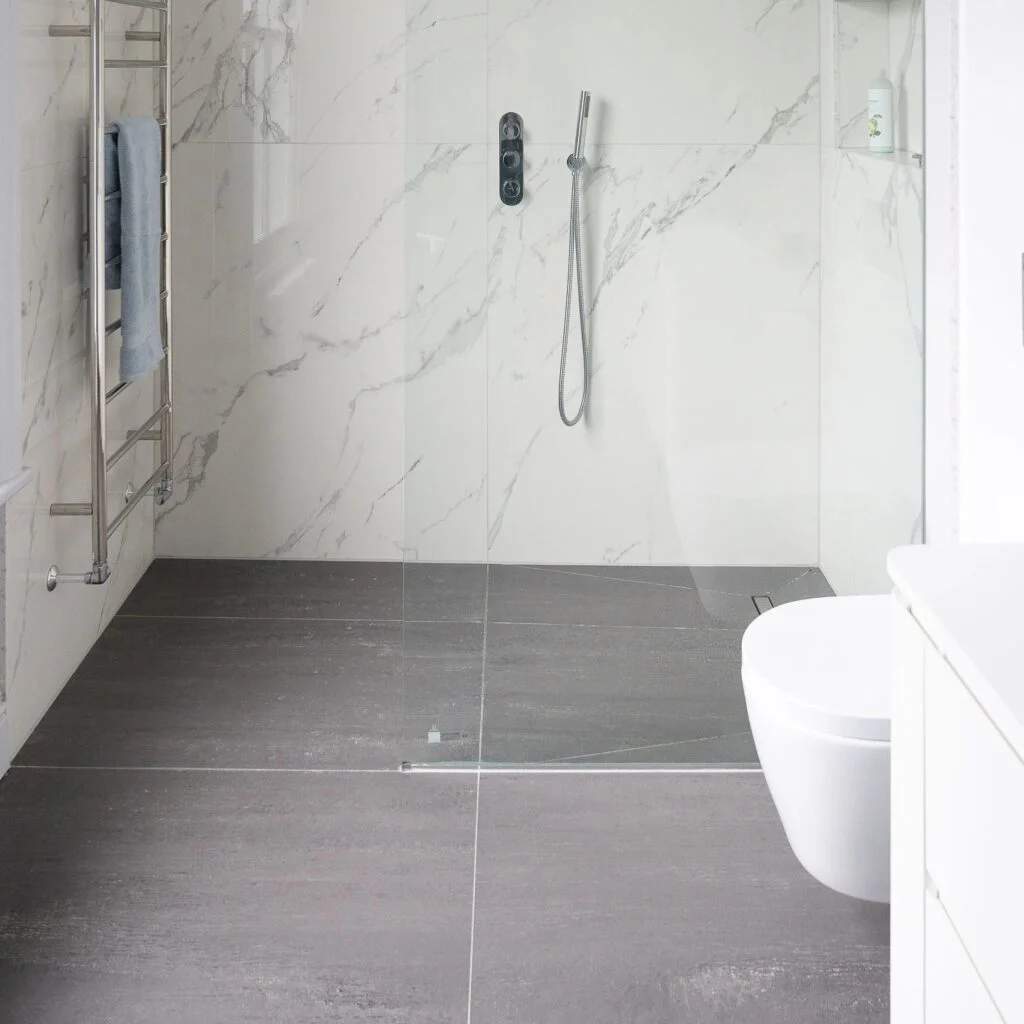
Purchasing bathroom tiles demands exceptional prudence, extending beyond mere aesthetic appeal to encompass critical considerations of safety, durability, and long-term value. Reputable distributors are indispensable partners in this process, offering physical samples, possessing in-depth knowledge of rough-textured floor specifications, and assisting in calculating necessary reserve stock. Furthermore, industry experts, including InteriorDesign.ID, strongly advocate for choosing retailers who are transparent about their products’ water absorption rates—a crucial factor for the longevity and hygiene of any wet area.
The bathroom, by its very nature, stands as the wettest and potentially most hazardous zone within a residence. An ill-informed material choice, particularly when procured from an unverified vendor, can transform this essential space into a dangerous environment prone to slips and falls, endangering family members. Over-reliance on digital catalogs, which frequently present misleading visual representations, is a common pitfall. Direct engagement and consultation with knowledgeable professionals at a physical store provide unequivocal assurance regarding genuine texture, precise technical specifications, and suitability for high-moisture conditions. This hands-on approach and expert dialogue are not merely conveniences but fundamental steps in safeguarding both occupants and investment.
The Perilous Path to a Perfect Bathroom: Why Tile Choice Matters
The seemingly simple act of selecting bathroom tiles carries significant implications for household safety and financial outlay. According to data compiled by the Centers for Disease Control and Prevention (CDC) in the United States, falls in bathrooms are a leading cause of home injuries, with an estimated 235,000 people over the age of 15 visiting emergency rooms each year due to bathroom-related accidents. The majority of these incidents are attributed to slippery surfaces. For vulnerable populations such as young children and the elderly, the risks are substantially amplified. Beyond the immediate danger, incorrect tile selection can lead to premature wear, persistent moisture issues, and costly renovations down the line. A floor chosen for its visual appeal alone, without due consideration for its anti-slip properties or water resistance, can quickly deteriorate, fostering mold growth and requiring extensive, unplanned repairs. The average lifespan of a well-chosen and professionally installed ceramic or porcelain tile floor can exceed 20 years, whereas a substandard choice might necessitate replacement within a few years, incurring significant additional expenses.
Navigating the Retail Landscape: The Imperative of Professional Guidance

The rise of e-commerce has made building materials more accessible, often at competitive prices. However, for critical purchases like bathroom tiles, the risks associated with online transactions—such as receiving defective goods, mislabeled specifications, or inconsistent quality—are considerably high without prior verification of the seller’s track record. This underscores the paramount importance of engaging with professional tile retailers.
Beyond the Catalog: The Value of Physical Interaction
While digital images offer a convenient first glance, they often fail to convey the true texture, sheen, and color depth of a tile. Lighting conditions in photographs can dramatically alter perception, making a seemingly rough tile appear smooth or a subtle color appear vibrant. This discrepancy is particularly critical for bathroom tiles, where tactile qualities directly impact safety. A physical showroom allows consumers to feel the surface, observe it under various lighting scenarios, and gauge its slip resistance firsthand. Leading interior designers consistently emphasize that an in-person visit is non-negotiable for selecting materials that directly impact safety and functionality.
The Trusted Advisor: What Defines a Reputable Tile Retailer
A truly professional tile store operates not merely as a sales outlet but as a technical consultant. Their primary objective is to prioritize the function and safety of wet spaces over fleeting visual trends. This commitment is often evident in the staff’s ability to articulate the fundamental differences between materials like porcelain and standard ceramic, substantiating their claims with technical data. Porcelain tiles, for instance, are denser and less porous than traditional ceramics, making them superior for high-moisture environments.
Experts in the interior design and construction sectors concur that stores with established reputations serve as a critical guarantee for the success and safety of any home renovation project. Such credible establishments typically offer explicit warranties and transparent return policies, providing a crucial safety net for consumers. Moreover, they frequently hold official distributorships for renowned brands, effectively mitigating the risk of purchasing counterfeit or lower-grade (often referred to as ‘KW’ or Grade B) products, a common deceptive practice employed by less scrupulous vendors. Before committing to a purchase, prospective buyers are strongly advised to consult customer reviews, paying particular attention to feedback concerning how complaints are managed—this often provides a more revealing insight into a store’s integrity than mere accolades for low prices.
Decoding Tile Specifications: Safety and Durability at a Glance
Understanding the technical specifications of bathroom tiles is non-negotiable for ensuring both safety and longevity. Professional retailers empower consumers by clearly explaining these vital metrics.

Understanding Water Absorption: The Mold and Mildew Factor
One of the most critical specifications for bathroom tiles is their water absorption rate. This metric indicates how much water a tile can absorb, expressed as a percentage of its weight. Tiles with high water absorption are highly susceptible to moisture penetration, which can lead to a host of problems including mold and mildew growth, unpleasant odors, staining, and even structural damage to the substrate over time. For optimal performance in a wet environment like a bathroom, particularly in shower areas, tiles should have a water absorption rate below 0.5 percent. This standard aligns with international classifications for impervious tiles, such as those categorized as Group Bla by ISO 13006 or vitreous/impervious by ASTM C373. A transparent vendor will readily provide this information, helping consumers avoid the costly mistake of installing unsuitable tiles that will inevitably require premature replacement.
The Anti-Slip Imperative: R-Ratings and Beyond
The slip resistance of a tile is arguably its most critical safety feature in a bathroom. Many tiles feature an "R-Rating" (Ramp Rating) on their packaging, an industry standard derived from a specific test method where a person walks on an inclined ramp coated with oil (for barefoot tests, water is used) while wearing standardized footwear, or bare feet. The R-rating scale ranges from R9 (representing the lowest level of slip resistance, suitable for dry, indoor areas) to R13 (indicating extremely high slip resistance, typically used in industrial or outdoor areas with very high slip risk).
For residential bathrooms, an R-rating of R10 or R11 strikes the optimal balance between adequate slip resistance and ease of cleaning. While R12 or R13 offer superior grip, their highly textured surfaces can feel overly abrasive under bare feet and tend to trap dirt and soap scum, making maintenance more challenging. Some regions, particularly in the US, also utilize the Dynamic Coefficient of Friction (DCOF) rating, where a DCOF value of 0.42 or greater is generally recommended for wet, level floors. A knowledgeable salesperson should be able to explain these ratings and recommend the most appropriate options for different zones within your bathroom.
Size and Grout: A Gripping Combination
The size of the tiles chosen directly influences the amount of grout lines present on the floor. Grout lines, while often seen as purely aesthetic, play a crucial functional role: they provide additional traction for bare feet and create channels for water to drain more effectively. Consequently, smaller tiles, such as mosaics or 20×20 cm tiles, are often an excellent choice for high-splash areas like shower floors, where maximum grip is essential. If larger format tiles (e.g., 60×60 cm) are preferred for aesthetic reasons, it becomes even more critical to select those with a genuinely coarse texture and to ensure the floor is installed with a sufficiently steep slope towards the drain to prevent water pooling. The choice of grout itself also matters; using an epoxy grout can significantly improve hygiene and reduce maintenance due to its non-porous nature.
The Consumer’s Toolkit: A Pre-Purchase Checklist
Once a promising retailer has been identified, a systematic pre-purchase checklist is essential to validate product suitability and secure a sound investment.

The Sample Test: Illuminating True Colors and Textures
Never hesitate to request physical tile samples. Bringing these samples home is crucial for assessing their true color under your bathroom’s specific lighting conditions. Showroom lighting, often powerful and artificial, can drastically alter how colors appear. Place samples on the floor at different times of the day—morning, noon, and night—to observe how their appearance changes with natural and artificial light. A retailer reluctant to provide samples should be a red flag, prompting consideration of alternative suppliers.
Tactile Verification: Ensuring a Safe Grip
The texture of tiles for wet areas must be evaluated directly by touch, using the palm of your hand. Many interior designers go a step further, recommending that consumers test the tile’s grip by dripping water onto the surface in the store and then rubbing it with a finger to assess its traction when wet. Matte, rustic, or embossed finishes are generally the safest choices for preventing slips. Under no circumstances should one compromise on safety by selecting a smooth, slippery texture, regardless of its perceived luxurious appearance.
Strategic Stocking: Mitigating Future Risks
It is a common error to purchase tiles precisely matching the calculated area. However, cutting tiles for room corners, floor drains, or intricate patterns inevitably generates waste. Furthermore, tiles can chip or break during transit or installation. Industry best practice dictates ordering an additional 10% to 15% beyond the initial calculated quantity. This surplus serves a dual purpose: it accounts for wastage during installation and provides crucial spare parts for future repairs, such as replacing a damaged tile years down the line when the original batch may no longer be available.
Zoning for Safety: Tailoring Tiles to Wet and Dry Areas
Different zones within a bathroom have varying safety requirements. The shower area, being the wettest, demands a higher degree of slip resistance than, for instance, the vanity or toilet area. For the shower floor, prioritize specialized anti-slip tiles designed to effectively disperse soapy water. Discuss this crucial distinction between "wet" and "dry" zones with the store staff. Their expert advice can guide you in selecting appropriate materials for each area, thereby enhancing both safety and the overall lifespan of your bathroom flooring.
Aesthetic Harmony and Functional Design: Elevating Your Bathroom
Beyond the fundamental safety and durability aspects, bathroom tiles significantly contribute to the overall aesthetic and ambiance of the space. Strategic material selection and pattern play can transform a utilitarian room into a sanctuary.

Beyond Practicality: Integrating Style
Contemporary bathroom design often seeks to create a spa-like retreat within the home. This involves a thoughtful blend of practicality and style. Current trends lean towards natural aesthetics, such as earth tones, wood-look porcelain, or natural stone patterns, which evoke warmth and tranquility. While visual appeal is important, it must always be balanced with the functional requirements of a wet environment. A professional retailer can help navigate these trends, ensuring that the chosen style does not compromise on essential safety features.
Creative Combinations: Walls, Floors, and Patterns
Mixing wall and floor tiles is an effective technique for adding visual interest and depth to a bathroom. The basic rule remains: thick, heavy floor tiles should not be installed on walls, and slippery wall tiles are unequivocally unsuitable for flooring. A simple yet effective design strategy involves pairing darker floor tiles with lighter wall tiles. Darker floors are more forgiving in terms of concealing dirt and hair, while lighter walls reflect more light, making the space feel larger and brighter. For smaller bathrooms, consider using a patterned tile on just one accent wall to avoid overwhelming the space. When using tiles of the same size for both walls and floors, strive for perfectly aligned grout lines to achieve a cohesive and polished look.
For rectangular tiles, such as subway tiles, experimenting with alternative laying patterns like herringbone or zig-zag can add dynamic visual appeal. Diagonal patterns are particularly effective in narrow bathrooms, creating an optical illusion that makes the space appear longer. If opting for angled patterns, remember to purchase extra tiles, as these patterns typically result in more cutting waste. The transition between wet and dry areas, or between different tile patterns, can be elegantly finished using metal profiles or ceramic trim pieces, which also provide a clean, professional edge.
Safeguarding Your Investment: After-Sales and Common Pitfalls
A successful tile purchase extends beyond the initial transaction to encompass robust after-sales support and an awareness of common renovation errors.
The Fine Print: Warranties, Returns, and Delivery
Before finalizing any purchase, explicitly inquire about the store’s return policy, particularly regarding factory defects. Reputable retailers typically offer a window of 1-3 days for customers to inspect the delivered goods. To safeguard against disputes, make it a standard practice to record an unboxing video at home. This visual evidence serves as valid proof in the event of chipped or damaged tiles, as claims without such documentation are frequently rejected by store management. Consumer protection advocates regularly advise consumers to understand all terms and conditions, especially those pertaining to returns and exchanges, to avoid future frustrations.

Clarify all aspects of delivery and handling costs. Determine whether shipping is entirely free or if it applies only within a specific radius. Crucially, confirm whether the delivery personnel will transport the tiles directly into your home or merely leave them at the curb or outside your gate. Secure a written agreement on these terms upfront to prevent unexpected charges for impromptu labor and to ensure a smooth, stress-free delivery process.
Avoiding Costly Mistakes: What Not to Do
Even with a reputable store, consumer errors can derail a renovation project. One of the most frequent mistakes is purchasing tiles incrementally. Tile batches can vary subtly in color (tonality) due to manufacturing processes. If you return a month later to buy more, the original batch code may be unavailable, or the product might have been discontinued, leading to noticeable color discrepancies on your floor. It is always advisable to purchase all required materials simultaneously. If budget constraints are an issue, it is more prudent to postpone the renovation than to end up with a patchy, unevenly colored floor.
The allure of "clearance sales" and discounted items can also be a trap. These sales often feature discontinued lines or "seconds"—tiles with minor imperfections, such as slight bowing or millimeter differences in size. Such inconsistencies make installation exceedingly difficult for the tiler, often resulting in uneven grout lines, undulating surfaces, and potential water pooling in corners, which negates the very purpose of a safe bathroom floor.
Finally, the often-overlooked detail of grout color can significantly impact the final aesthetic. A high-quality, expensive tile can appear subpar if paired with the wrong grout color. Choose a grout color that is either complementary or slightly darker than your tiles. White grout, while seemingly clean, quickly discolors and darkens in a high-traffic, wet area like a bathroom. Furthermore, consider using epoxy grout, which is pre-mixed with anti-fungal agents. This type of grout is non-porous, highly resistant to staining, and significantly eases the burden of bathroom cleaning, contributing to a more hygienic and durable finish.
In conclusion, the journey to a beautifully tiled bathroom is paved with informed decisions. By prioritizing safety, understanding technical specifications, engaging with credible retailers, and meticulously planning each step, homeowners can ensure their bathroom is not only aesthetically pleasing but also a durable, safe, and hygienic sanctuary for years to come.








