Chalifah Fatihah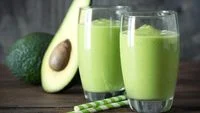
The festive season, often synonymous with indulgence, can leave many grappling with elevated cholesterol levels. As diets typically shift towards richer, more celebratory foods during holidays like Eid al-Fitr, the subsequent return to normalcy can be a critical period for health management. Fortunately, a proactive approach to post-holiday recovery involves incorporating specific beverages known for their cholesterol-lowering properties. These natural options offer a delicious and effective way to support cardiovascular health and mitigate the risks associated with high cholesterol, which can significantly increase the likelihood of serious conditions such as heart disease and stroke.
The Post-Holiday Cholesterol Challenge
The period following major celebrations, particularly Eid al-Fitr, is frequently marked by a relaxation of dietary discipline. This often translates to increased consumption of high-fat, high-sugar foods and beverages, contributing to a surge in LDL (low-density lipoprotein) cholesterol, often referred to as "bad" cholesterol, and triglycerides. Elevated levels of these lipids in the bloodstream can lead to the accumulation of plaque in arteries, a process known as atherosclerosis, which is a primary driver of cardiovascular disease.
Medical professionals consistently advise vigilance regarding cholesterol management. While prescribed medications play a crucial role for individuals diagnosed with hypercholesterolemia, lifestyle interventions, including dietary adjustments and the consumption of specific health-promoting drinks, are equally vital. The inclusion of these natural remedies can complement medical treatments and empower individuals to take an active role in their well-being.
Seven Natural Beverages for Cholesterol Management
Drawing from reputable health sources and scientific understanding, several beverages stand out for their potential to help stabilize cholesterol levels. These drinks are not only beneficial but also easily incorporated into a daily routine, offering a palatable solution for post-holiday health recovery.
1. Green Tea: A Potent Antioxidant Powerhouse
Green tea has long been lauded for its exceptional health benefits, primarily due to its rich content of antioxidants, particularly catechins like epigallocatechin gallate (EGCG). These compounds are instrumental in combating oxidative stress and inflammation within the body. Research published in journals such as the American Journal of Clinical Nutrition has indicated that regular consumption of green tea can lead to significant reductions in total cholesterol and LDL cholesterol levels, as well as lower triglyceride levels. The polyphenols present in green tea also contribute to improved metabolic health and possess anti-inflammatory properties, which are beneficial for overall cardiovascular function.
A meta-analysis of randomized controlled trials, published in the journal Phytomedicine, found that green tea consumption was associated with a statistically significant reduction in LDL cholesterol and total cholesterol. The study reviewed data from over 1,100 participants, reinforcing the efficacy of this widely accessible beverage.
2. Avocado Juice: Monounsaturated Fats for Heart Health
Avocado, often referred to as a "superfood," is a nutritional powerhouse rich in monounsaturated fats. These healthy fats are highly effective in lowering LDL cholesterol while potentially increasing HDL (high-density lipoprotein) cholesterol, often called "good" cholesterol. Monounsaturated fats help to reduce inflammation and improve insulin sensitivity, contributing to better blood sugar control. Avocado juice, made by blending ripe avocado with water or a non-dairy milk, is a creamy and satisfying way to consume these beneficial fats.
Studies, such as one published in the journal Nutrients, have highlighted the significant impact of avocado consumption on lipid profiles. The research indicated that replacing saturated fats with monounsaturated fats from avocado can lead to favorable changes in cholesterol levels.
3. Orange Juice: Vitamin C and Phytosterols for Cholesterol Absorption
Freshly squeezed orange juice is a well-known source of Vitamin C, a powerful antioxidant crucial for immune function and skin health. Beyond its vitamin content, oranges contain plant sterols, also known as phytosterols, and pectin, a type of soluble fiber. Phytosterols are structurally similar to cholesterol and can compete with dietary cholesterol for absorption in the digestive tract, thereby reducing the amount of cholesterol that enters the bloodstream. Pectin also plays a role in binding cholesterol in the gut, preventing its absorption.

Research featured in the Journal of the American College of Nutrition has shown that consuming foods fortified with plant sterols, such as orange juice, can effectively lower LDL cholesterol. The study found a dose-dependent effect, meaning higher intake led to greater cholesterol reduction.
4. Soy Milk: A Plant-Based Cholesterol Reducer
Soy milk, derived from soybeans, is a popular dairy alternative and a valuable source of plant-based protein. Numerous studies have demonstrated its cholesterol-lowering capabilities. The U.S. Food and Drug Administration (FDA) has acknowledged that consuming soy protein as part of a diet low in saturated fat and cholesterol may reduce the risk of heart disease. Soy milk contains isoflavones, a type of phytoestrogen, which are believed to contribute to its cardiovascular benefits.
A comprehensive meta-analysis published in the Journal of the American Heart Association reviewed decades of research and confirmed that soy consumption, including soy milk, is associated with significant reductions in total and LDL cholesterol. The effect is particularly pronounced in individuals with higher baseline cholesterol levels.
5. Beetroot Juice: Nitrates and Antioxidants for Blood Pressure and Cholesterol
Beetroot juice has gained recognition for its remarkable health benefits, largely attributed to its high concentration of nitrates and potent antioxidants like betanin and flavonoids. The nitrates in beetroot are converted to nitric oxide in the body, which helps to relax and widen blood vessels, leading to improved blood flow and lower blood pressure. Furthermore, the antioxidants present in beetroot can help combat oxidative stress and inflammation, which are implicated in the development of atherosclerosis.
Studies, including one published in the journal Food & Function, have suggested that beetroot juice can contribute to lowering LDL cholesterol and increasing HDL cholesterol. The combination of its vasodilating effects and antioxidant properties makes it a dual-action beverage for cardiovascular health.
6. Pineapple Juice: Bromelain’s Arterial Benefits
Pineapple is a tropical fruit known for its unique enzyme, bromelain. Bromelain is a proteolytic enzyme, meaning it can break down proteins, and it is believed to have anti-inflammatory and anticoagulant properties. Some research suggests that bromelain may help to prevent the formation of blood clots and reduce the buildup of cholesterol deposits in the arteries, a process known as plaque formation. Regular consumption of pineapple juice, preferably fresh and unsweetened, can contribute to maintaining healthy cholesterol levels.
While research specifically on pineapple juice’s direct impact on cholesterol is ongoing, the anti-inflammatory and anti-atherosclerotic properties of bromelain are well-documented. Its inclusion in a balanced diet is considered beneficial for vascular health.
7. Berry Juices: Antioxidant-Rich for HDL and LDL Balance
Berries, including strawberries, blueberries, raspberries, and cranberries, are renowned for their exceptionally high antioxidant content, particularly anthocyanins, which give them their vibrant colors. These antioxidants are potent fighters against free radical damage and inflammation. Berries are also a good source of soluble fiber, such as pectin, which plays a crucial role in managing cholesterol levels. Soluble fiber binds to cholesterol in the digestive system and helps remove it from the body.
Studies published in journals like Circulation have consistently shown that berry consumption is associated with improved cardiovascular markers, including higher HDL cholesterol levels and lower LDL cholesterol and blood pressure. Juices made from a blend of berries offer a concentrated dose of these beneficial compounds.
Beyond Beverages: A Holistic Approach to Cholesterol Management
While these seven beverages offer significant potential for stabilizing cholesterol levels, it is crucial to remember that they are most effective when integrated into a comprehensive healthy lifestyle. This includes:
- Regular Physical Activity: Aim for at least 150 minutes of moderate-intensity aerobic exercise or 75 minutes of vigorous-intensity aerobic exercise per week.
- Balanced Diet: Emphasize whole foods, fruits, vegetables, lean proteins, and healthy fats. Limit saturated and trans fats, added sugars, and processed foods.
- Adequate Sleep: Prioritize 7-9 hours of quality sleep per night, as poor sleep can negatively impact cholesterol levels.
- Stress Management: Chronic stress can contribute to unhealthy lifestyle choices and hormonal imbalances that affect cholesterol. Techniques like mindfulness, yoga, or meditation can be beneficial.
- Moderation with Alcohol: If you consume alcohol, do so in moderation. Excessive alcohol intake can negatively impact cardiovascular health.
The post-holiday period presents an opportune moment to reassess dietary habits and prioritize health. By incorporating these natural, cholesterol-friendly beverages into a balanced diet and a healthy lifestyle, individuals can effectively manage their cholesterol levels and foster long-term cardiovascular well-being. Consulting with a healthcare professional or a registered dietitian is always recommended for personalized advice and to ensure these dietary changes align with individual health needs and any existing medical conditions.