Eko Sulistyo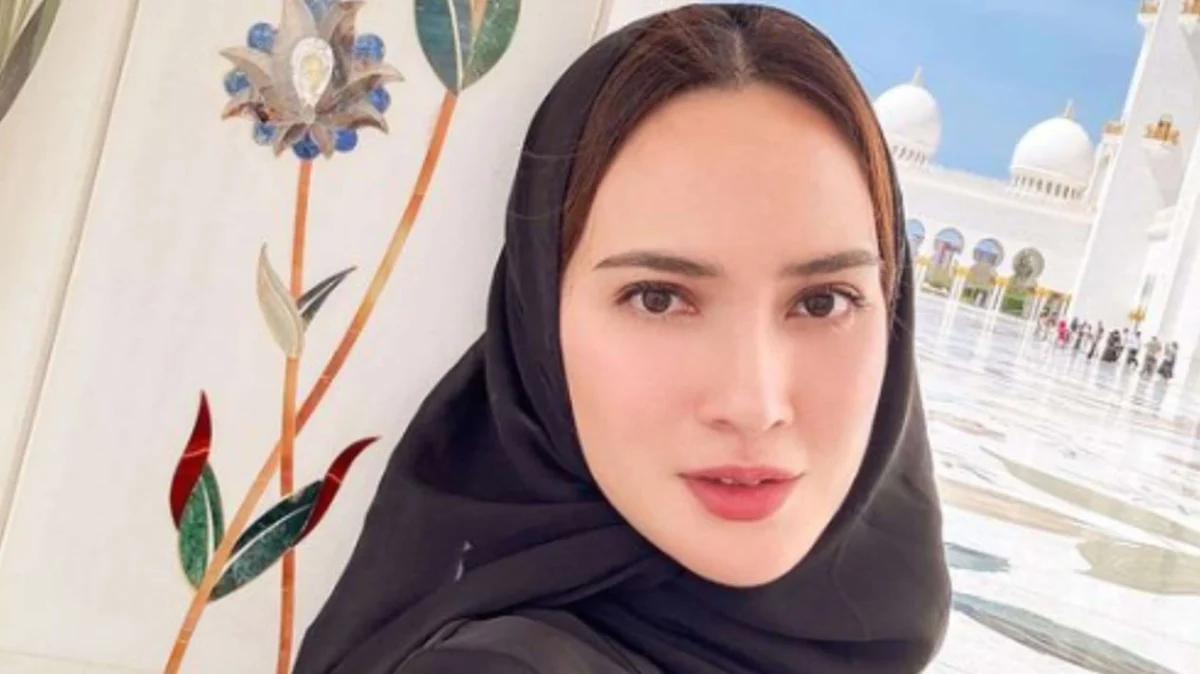
The life of Indonesian actress Shandy Aulia, born Nyimas Shandy Aulia, serves as a poignant case study of the intricate dynamics inherent in interfaith families within the Indonesian cultural landscape. While widely recognized for her breakout role as Tita in the 2003 cinematic phenomenon Eiffel… I’m in Love, her personal narrative offers a deeper reflection on identity, pluralism, and the private challenges faced by families navigating diverse religious traditions. Born in Jakarta on June 23, 1987, as the youngest of four daughters, Shandy’s early years were defined by a household where her father, Kemas Yusuf Effendy, a man of Palembang heritage, practiced Islam, while her mother, Elsye Dopong, who hailed from Manado, adhered to the Christian faith.
The Foundation of a Multicultural Upbringing
Shandy Aulia’s familial background is rooted in the rich cultural tapestry of Indonesia. Her father, Kemas Yusuf Effendy, carried the title "Nyimas," a traditional honorific signifying noble lineage from the Palembang sultanate, which was passed down to Shandy. This dual heritage—combining the Islamic traditions of South Sumatra with the Christian-influenced culture of North Sulawesi—created a unique environment for the four siblings.
However, the cohesion of this multicultural unit faced a significant rupture when Shandy was only three years old. The parents’ decision to separate resulted in a distinct division within the family structure. Shandy remained with her mother, while her three elder sisters—Putri, Dian, and Vivi—were raised under the guidance of their father. This physical and ideological separation fundamentally influenced the trajectory of Shandy’s spiritual exploration.
Chronology of Spiritual Development
The formative years of Shandy’s life were characterized by a fluid exposure to both Islam and Christianity. Because of her father’s background and her periodic interactions with her siblings and paternal relatives, Shandy was introduced to the rituals of Islam, including learning the basics of prayer (salat). Simultaneously, under the guardianship of her mother, she was deeply integrated into Christian worship and liturgy.
This period of "dual-immersion" is not uncommon in Indonesian interfaith households, where children are often encouraged to understand the tenets of both parents’ religions. For Shandy, this was a lived reality rather than an abstract concept. However, as she reached the threshold of adulthood, the necessity of establishing an independent identity became apparent.
At the age of 17, Shandy reached a pivotal moment in her personal development. After years of navigating two religious frameworks, she arrived at the decision to formally embrace Christianity. This choice marked a departure from the religious practice of her father and elder siblings, setting a new course for her personal faith journey.
Familial Reactions and the Process of Acceptance
In any conservative or traditional societal framework, the divergence of a child’s religious path from that of the patriarch is often met with emotional resistance. Reports indicate that Shandy’s father, Kemas Yusuf Effendy, felt a profound sense of sadness upon learning of his daughter’s decision. Within the context of Islamic tradition, where the father plays a central role in the spiritual guidance of his children, this reaction was rooted in a genuine desire for his daughter to remain within the faith tradition he held dear.
It has been noted that for a significant period following her decision, her father maintained a hopeful stance, frequently offering prayers that she might eventually find what he considered "hidayah" (divine guidance) to return to or delve deeper into Islamic studies. This dynamic highlights the emotional labor involved in maintaining familial bonds when core belief systems diverge. Despite these theological differences, the family has largely managed to preserve their relationships, prioritizing kinship over dogmatic uniformity.
Contextualizing Interfaith Dynamics in Indonesia
The situation surrounding Shandy Aulia is representative of a broader sociological phenomenon in Indonesia. According to data from the Ministry of Religious Affairs and various sociological studies on Indonesian demographics, the prevalence of interfaith marriages remains a subject of ongoing debate. While the legal framework surrounding interfaith marriage in Indonesia is complex—often requiring one party to technically convert or seek court dispensations—the cultural reality of children growing up in "mixed" households is increasingly visible in the public sphere.
Experts in sociology suggest that children raised in such environments often develop a heightened sense of religious tolerance, but they also face significant pressure to define their own identities as they reach maturity. The experience of "choosing" a religion is a transformative event that can either solidify or strain parent-child relationships, depending on the level of mutual respect and the family’s ability to compartmentalize theological disagreements.
Professional Career and Public Scrutiny
Shandy Aulia’s professional trajectory has often intersected with the public’s interest in her private life. Since her debut in the early 2000s, her career has spanned numerous high-profile film projects, endorsements, and entrepreneurial ventures. As a public figure, her life is subject to a high degree of media visibility, which often leads to intense scrutiny of her personal decisions, including her marriage, parenting, and religious identity.
The public’s fascination with her religious background is, in part, a reflection of the Indonesian public’s tendency to view celebrities not just as entertainers, but as templates for social behavior. By openly discussing her background, Shandy has contributed to a national conversation about the feasibility of maintaining strong family ties across religious lines. Her ability to remain close with her father, despite the clear difference in their religious paths, serves as an example of pragmatism in navigating the nuances of faith-based family structures.
Sociological Implications and Future Outlook
The case of Shandy Aulia serves as a microcosm of the evolving Indonesian family structure. As the country becomes more connected through global influences and internal migration, the blending of ethnic and religious backgrounds is becoming more common. This trend suggests that the rigid social boundaries that once dictated religious uniformity within families are being challenged by individual agency.
The implications for Indonesian society are twofold. First, it underscores the resilience of family units when they adopt a stance of pluralism. By focusing on shared values rather than strict religious adherence, families can overcome the potential for fragmentation. Second, it highlights the ongoing tension between traditional religious authority and the modern individual’s right to self-determination.
As Shandy Aulia continues her journey both in the public eye and within her private life, her story remains an important reference point. It reminds observers that at the heart of every headline about celebrity religious identity lies a human story of reconciliation, the search for personal meaning, and the complexities of filial piety in a diverse nation.
Conclusion
The narrative of Shandy Aulia is defined by more than just her success on the silver screen. It is a story of navigating two distinct cultural and religious worlds, a process that required personal fortitude and a willingness to confront the expectations of her family. Through her journey, she has highlighted the importance of mutual respect in interfaith families, proving that while religious divergence can create challenges, it does not necessarily equate to the loss of familial connection. Her life continues to resonate with many Indonesians who find themselves walking similar paths, balancing the weight of tradition with the pursuit of personal authenticity. As the discourse on religious pluralism in Indonesia evolves, figures like Shandy Aulia will remain central to the discussion, representing the multifaceted nature of modern identity.