 Eko Sulistyo
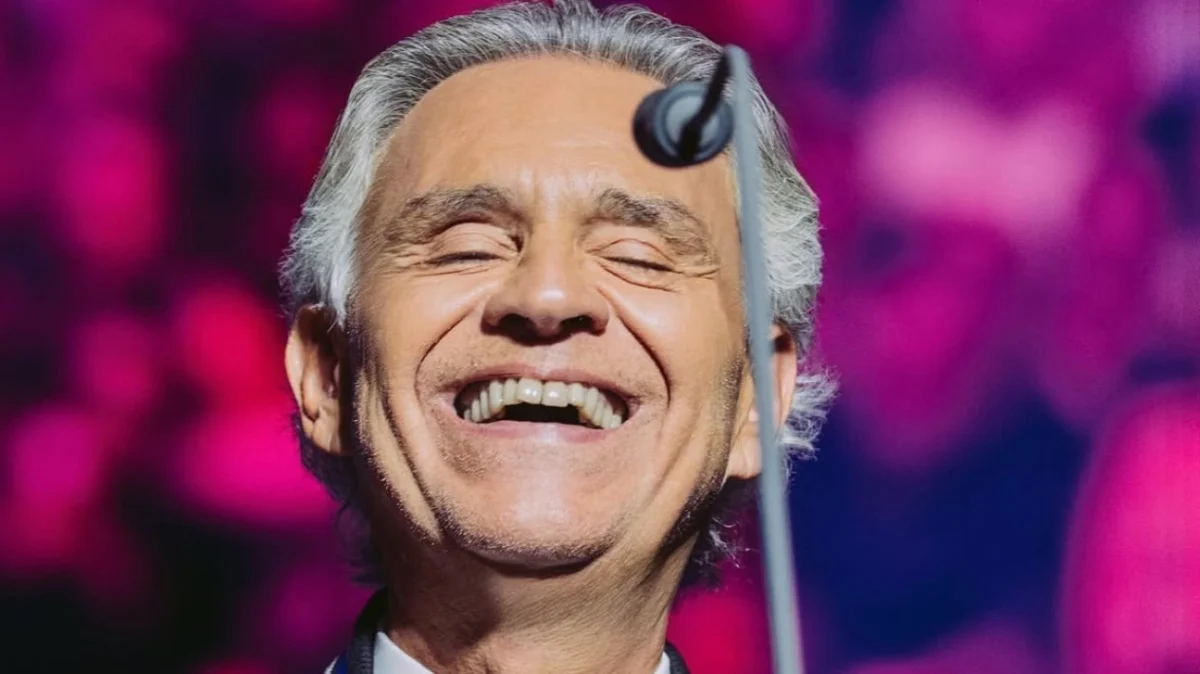
The fate of the highly anticipated concert by world-renowned Italian tenor Andrea Bocelli at the Borobudur Temple complex in Magelang, Central Java, remains shrouded in uncertainty as of Saturday, October 24, 2026. Despite the local police officially revoking the event permit for the scheduled performance on October 31, 2026, a final definitive stance from the organizers and government authorities has yet to be formally declared. The situation has evolved into a complex intersection of international politics, cultural heritage preservation, and domestic diplomacy.
The Genesis of the Controversy
The controversy surrounding Andrea Bocelli’s visit to Indonesia centers on geopolitical tensions rather than the musical quality of the performance itself. The primary catalyst for the widespread public and organizational pushback is the alleged association between the tenor and the State of Israel. Critics, spearheaded by various civil society groups and religious organizations, have pointed to historical reports regarding Bocelli’s participation in events that are perceived to be supportive of Israeli institutions or the Israel Defense Forces (IDF).
Specifically, detractors have highlighted a 2010 gala event in Los Angeles, which reports suggested involved fundraising activities for the IDF, and a 2022 performance in Tel Aviv. For many in Indonesia—a country with a long-standing and vocal commitment to the Palestinian cause—these associations are viewed as antithetical to the nation’s foreign policy stance. The Indonesian government has historically maintained a policy of strong support for Palestinian sovereignty and has frequently used international platforms to condemn the occupation of Palestinian territories.
The Role of the Indonesian Ulema Council (MUI)
In an effort to navigate the escalating tensions, the Indonesian Ulema Council (MUI) has stepped into a mediatory role. On Thursday, October 22, 2026, the Secretary-General of the MUI, Buya Amirsyah Tambunan, convened a strategic dialogue involving interfaith leaders to deliberate on the matter. This forum, described as a "tabayun" (a process of verification and clarification), was designed to gather diverse perspectives before the Council finalizes its official position.
"This is a forum for tabayun to examine the issue from various perspectives," Amirsyah stated during the session. "Previously, representatives from the Ministry of Tourism and Creative Economy had visited the MUI to discuss the matter. Now, we are consulting with interfaith leaders to ensure that any decision taken is comprehensive, fair, and cognizant of the broader national interest."
Amirsyah emphasized that the MUI is acutely aware of the delicate balance between maintaining Indonesia’s moral stance on international conflicts and the practical needs of the national tourism and creative economy sectors. The government has heavily invested in the Borobudur area as a "Super Priority Tourism Destination," and international events are seen as vital to revitalizing the local economy post-pandemic. However, the MUI insists that such economic objectives must not override the nation’s core principles.
Chronology of the Standoff
The tension surrounding the concert has developed rapidly over the past month:
- Early October 2026: Initial announcements regarding the Bocelli concert generate excitement, but social media campaigns begin to gain traction, highlighting the singer’s past associations with Israel.
- Mid-October 2026: Civil society groups and student organizations organize protests in Magelang and Jakarta, demanding the cancellation of the event.
- October 20, 2026: Local authorities in Central Java, citing public order concerns and the potential for civil unrest, announce the revocation of the police permit for the concert.
- October 22, 2026: The MUI holds a high-level dialogue with interfaith leaders to seek a middle ground between humanitarian concerns and economic reality.
- October 24, 2026: As the October 31 date approaches, organizers remain in a state of limbo, with no official announcement regarding a potential postponement or permanent cancellation.
Official Responses and Diplomatic Implications
The MUI’s Chairman for Foreign Relations, Sudarnoto Abdul Hakim, has been one of the most vocal opponents of the concert. He has consistently urged the Indonesian government to remain steadfast in its opposition to what he characterizes as complicity with the Israeli occupation.
"I must reiterate that the plan for the Andrea Bocelli concert should be scrapped to protect our stance on humanity," Sudarnoto stated. He argued that allowing the concert to proceed would send a conflicting message to the international community regarding Indonesia’s diplomatic consistency.
From the perspective of the Ministry of Tourism and Creative Economy, the challenge is significant. The Borobudur area is meant to serve as a beacon of cultural diplomacy. Hosting world-class performers is a key component of this strategy, intended to attract high-spending international tourists. However, the current political climate has forced the ministry to weigh the value of international cultural exposure against the risk of alienating a significant portion of the domestic population.
Economic and Cultural Analysis
The potential cancellation of the concert carries implications beyond the immediate loss of ticket revenue. Borobudur, as a UNESCO World Heritage site, is a symbol of Indonesia’s cultural diversity and religious harmony. The use of such a site for international events carries the weight of national prestige.
Economically, the "event tourism" sector in Indonesia has been growing at an estimated rate of 8-10% annually prior to 2026. Concerts of this magnitude typically generate significant revenue for local hospitality, transportation, and small-to-medium enterprises (SMEs) in the Magelang region. A cancellation would likely result in substantial financial losses for local vendors and service providers who had prepared for the influx of thousands of attendees.
However, analysts suggest that the reputational cost of proceeding with an event that triggers widespread social friction might outweigh the immediate economic benefits. By engaging in a dialogue with interfaith leaders, the MUI is attempting to institutionalize the protest movement, moving it from the streets into a structured policy debate. This approach is intended to prevent the issue from spiraling into communal conflict.
The Path Forward: What to Expect
As the clock ticks toward October 31, the situation remains fluid. The Indonesian government is currently in a difficult position: to allow the concert is to ignore the strong pressure from influential religious and civil organizations; to formally ban it may risk potential legal challenges from promoters and complicate future international cultural agreements.
Observers suggest that a "third way" might be sought—perhaps a postponement until such time that the geopolitical context is less volatile, or an explicit clarification from the artist regarding their political stances. Nevertheless, given the hardening of positions within the MUI and the active revocation of the permit by local law enforcement, the likelihood of the concert proceeding on the original date appears increasingly slim.
The MUI has requested that the public remain patient while the final deliberations are concluded. They have committed to respecting the eventual decision made by the state, provided that it aligns with the broader values of the Indonesian public. For now, the world of music and the world of politics remain locked in a tense standoff at the foot of one of the world’s most significant Buddhist monuments.
Implications for Future International Performances
This incident serves as a significant case study for international event promoters looking to bring global talent to Indonesia. It highlights the necessity for rigorous "reputational due diligence" regarding artists’ past public statements and political associations. In an era of global connectivity, local audiences are increasingly attuned to the geopolitical backgrounds of international performers.
Furthermore, this situation underscores the growing influence of civil society and religious organizations in shaping the national cultural calendar. Moving forward, event organizers in Indonesia will likely need to coordinate more closely with cultural and religious stakeholders during the early planning stages to ensure that high-profile events do not inadvertently become lightning rods for political controversy.
The resolution of the Andrea Bocelli concert saga will undoubtedly set a precedent for how Indonesia manages the intersection of global entertainment and local political sensitivities. Until the official statement is released, the silence surrounding the concert venue stands in stark contrast to the heated debate taking place in the halls of government and the public square.