
 Chalifah Fatihah
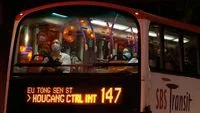
Public transportation systems around the world constantly strive to balance efficiency, safety, and passenger comfort. In densely populated urban centers where millions of commuters rely daily on buses and trains to navigate bustling metropolises, maintaining social decorum within shared spaces is an ongoing challenge. Among global transit networks, Singapore has long maintained a reputation for meticulous cleanliness, punctuality, and strict adherence to social regulations. Building upon this legacy of civic order, the government of Singapore has announced a comprehensive regulatory framework designed to crack down on anti-social behavior aboard public buses and within transport hubs. Commuters who engage in disruptive habits—such as playing music at high volumes without headphones or placing their feet on bus seats—now face substantial monetary penalties under newly minted legislation.
The announcement, issued by Singapore’s Land Transport Authority (LTA), marks a significant tightening of behavioral standards within the island nation’s expansive bus network. Effective September 23, 2026, these regulations empower transport authorities to levy fines of up to S$500 (approximately Rp7 million) for various forms of public nuisance. By extending regulatory frameworks that were previously more heavily enforced within the Mass Rapid Transit (MRT) rail system to surface-level transport, the Singaporean government aims to cultivate a more considerate, secure, and pleasant commuting environment for all passengers.
Chronology and Legislative Background
The journey toward these modernized transport regulations began taking legislative shape long before the official announcement in September 2026. The foundational legal backing for these punitive measures stems from the broader Transport Sector Act, which was officially passed by the Singaporean parliament in October 2025. This overarching legislation was formulated to establish a unified and robust regulatory approach toward disruptive and destructive behavior across all major modes of public transit, seamlessly bridging gaps between rail and bus operations.
On Monday, September 21, 2026, the LTA formalized the implementation timeline by releasing an official statement detailing the specific parameters of the new Bus Services Industry Regulations 2026. Transport authorities recognized that while Singapore’s public transit network boasts world-class reliability, verbal disputes, noise pollution, and physical disregard for shared property occasionally degrade the daily commuting experience. The impending rollout in late September 2026 serves as a definitive signal that anti-social tendencies will no longer be met with mere social disapproval, but rather with legally binding financial consequences.
Specific Infractions and Associated Penalties
Under the newly established Bus Services Industry Regulations 2026, the LTA has categorized a specific suite of disruptive behaviors as direct offenses against public order. The rules apply universally to all public buses operating within the city-state, as well as at bus interchanges, terminals, and designated passenger shelters.
Among the primary infractions targeted by the legislation are:
- Acoustic Nuisance: Playing audio, music, or video media out loud through mobile device speakers without the use of headphones.
- Disrespectful Posture: Placing feet, footwear, or luggage onto bus seats, thereby soiling or damaging public seating meant for subsequent commuters.
- Environmental Degradation: Littering within the bus cabin, bus stops, or terminals.
- Consumption Violations: Eating or drinking inside the bus, which violates longstanding transit hygiene norms traditionally associated strictly with underground rail networks.
For standard disruptions—such as playing loud music or putting feet on seats—the maximum statutory penalty is capped at S$500. However, the regulatory framework draws a sharp distinction between routine breaches of etiquette and more severe offenses. For actions that deliberately cause physical obstructions, create safety hazards at terminals, or lead to extensive defacement or contamination of bus property, authorities are authorized to issue maximum fines scaling up to S$5,000 (approximately Rp70 million). The LTA emphasized that these steeper penalties for severe infractions are entirely aligned with existing punitive measures found within the Rapid Transit Systems Regulations, ensuring legal consistency across all public transport sectors.
Operational Protocols and Enforcement Mechanisms
Enforcing behavioral compliance across thousands of daily bus trips requires a carefully structured operational protocol that protects drivers while maintaining strict accountability. To prevent bus captains from becoming distracted by enforcement duties, the LTA has structured the administrative process to keep drivers focused exclusively on safe vehicle operation.
Under the new guidelines, bus drivers are not granted the direct authority to issue administrative penalty notices. Instead, a bus captain’s primary responsibility remains driving the vehicle safely and navigating traffic. If a driver encounters disruptive behavior, they are authorized to issue verbal warnings instructing the passenger to cease the infraction. Should the passenger refuse to comply, the driver may request that they alight from the vehicle. In scenarios involving severe escalation, threats, or outright defiance, bus captains are instructed to contact the Bus Operations Control Centre or immediately summon the police for intervention.
For the issuance of formal penalties, the framework mirrors the established protocols utilized in the rail system. Authorized personnel—such as designated ticket inspectors, transport marshals, and terminal staff—possess the authority to issue an Administrative Notice of Offense (NOO) to suspected violators. Following the issuance of the notice, the LTA conducts a thorough investigation before finalizing administrative actions or collecting the assessed fines.
Official Rationales and Objectives
The primary objective behind the implementation of these stringent rules is the preservation of public comfort and operational continuity. In its official statements, the LTA highlighted that public transport functions fundamentally as a shared community space. Consequently, every individual commuter bears a personal responsibility to contribute to an orderly and pleasant travel atmosphere.
"In handling disruptive behavior on buses, the priority is to minimize inconvenience to other passengers and ensure that bus services are not disrupted," the LTA stated. By curbing loud audio devices and unsanitary habits, the government hopes to reduce friction among commuters, thereby lowering the incidence of verbal altercations and stress during peak travel hours.
Furthermore, transport authorities have factored social sensitivity into the enforcement equation. Despite the rigidity of the S$500 fine framework, the LTA and public bus operators have assured the public that enforcement personnel will continue to exercise professional discretion and fairness. Special consideration and empathetic handling will be applied in cases involving vulnerable individuals, such as passengers with specific physical or mental health conditions that may impact their behavioral regulation.
Broader Socio-Economic Implications and Public Reaction
The introduction of these regulations carries notable socio-economic implications for Singapore’s urban landscape. As a global financial hub dependent on high workforce mobility and seamless tourism transport, maintaining public civility is viewed not merely as a matter of etiquette, but as an essential component of urban livability.
Public response to the announcement has been largely supportive, reflecting a broader societal consensus in Singapore that favors orderly governance and collective civic responsibility. Frequent commuters have long expressed frustration over disruptive noise pollution—such as passengers engaging in loudspeaker phone calls or listening to media without headphones—during their morning and evening commutes. By establishing a clear, enforceable financial deterrent, the government has provided tangible backing to social norms that many citizens felt were eroding.
At the same time, transport economists and urban planners note that strict regulatory measures require adequate public awareness campaigns to prevent misunderstandings during the initial rollout phase. The success of the September 2026 implementation will largely depend on clear signage across buses and terminals, as well as compassionate communication from frontline transport staff during the transition period.
Ultimately, Singapore’s aggressive stance on bus etiquette underscores a broader philosophy of urban management: shared spaces demand shared standards of respect. As the Bus Services Industry Regulations 2026 take effect, commuters across the island-state are reminded that personal convenience ends where public disruption begins, ensuring that the nation’s public transport network remains a safe, peaceful, and efficient artery for urban life.