Tyo Susilo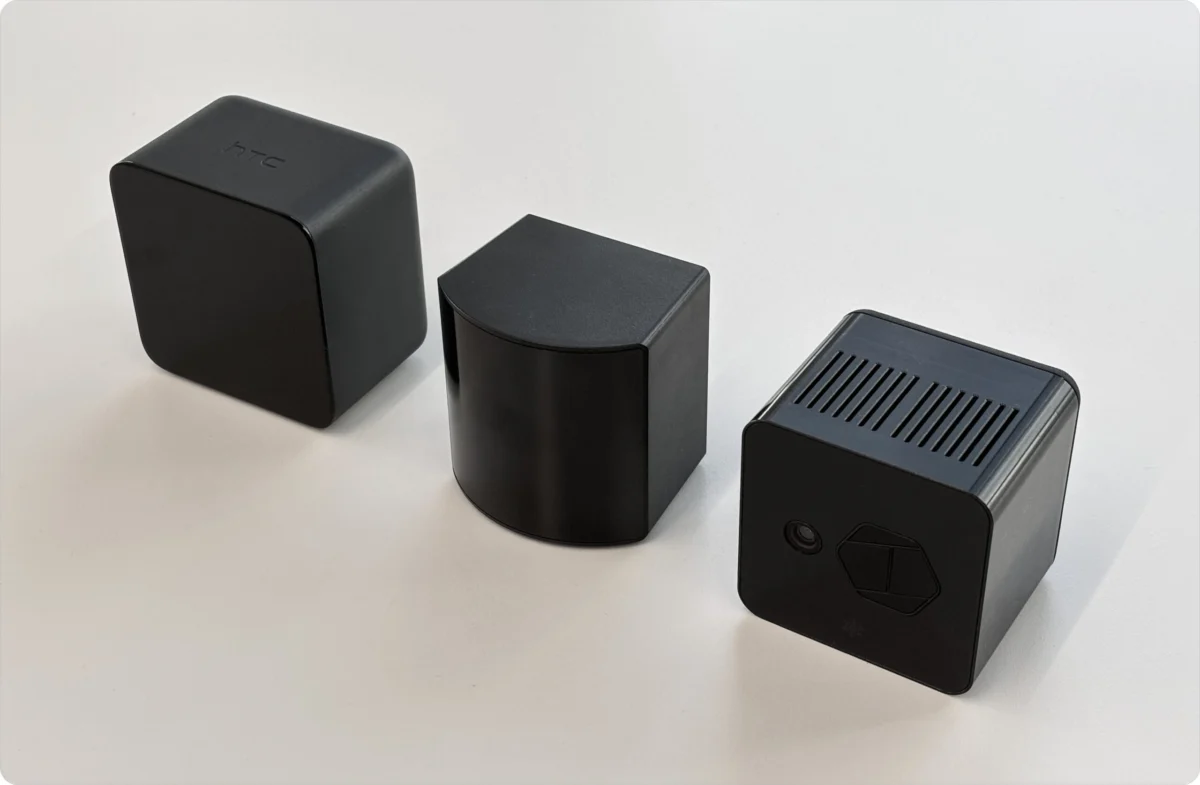
The landscape of virtual reality immersion is undergoing a significant architectural shift as hardware manufacturers and third-party innovators race to eliminate the cumbersome physical and computational barriers that have long limited full-body tracking (FBT). Soulart, an emerging player in the VR peripherals market, has officially announced the development of "Station," a standalone motion-tracking device engineered to deliver comprehensive full-body tracking capabilities. Unveiled via the company’s official social media channels, the hardware is explicitly being built to support upcoming ecosystems like the Steam Frame, addressing a critical spatial limitation inherent in modern inside-out tracking headsets. While standalone headsets have largely liberated users from the tangled cables and external base stations of the past, they have historically struggled to natively translate a user’s lower-body movements into virtual spaces without auxiliary sensor networks. Soulart’s Station aims to bridge this technological gap by combining localized processing power with high-refresh-rate spatial mapping, promising a streamlined path toward untethered, full-fidelity avatar movement.
The Genesis of Untethered Full-Body Tracking in Virtual Reality
To understand the engineering challenge Soulart is attempting to solve, one must examine the evolution of virtual reality tracking paradigms. Traditional high-end VR systems, such as the Valve Index or legacy Vive setups, rely on external lighthouse base stations that emit infrared sweeps to track specialized sensors embedded in headsets and peripheral trackers. While remarkably accurate, this lighthouse architecture demands a dedicated, stationary physical space, meticulous hardware calibration, and a powerful tethered PC to process positional data.
Conversely, modern standalone headsets utilize inside-out tracking powered by onboard cameras and computer vision algorithms. These devices excel at tracking the headset and hand controllers because those objects remain within the direct field of view of the device’s outward-facing lenses. However, the user’s torso, hips, and feet routinely fall into blind spots, obscured by the body itself or external obstructions. Historically, achieving full-body tracking on standalone or hybrid platforms required users to wear independent IMU-based trackers—such as Sony’s Mocopi or various proprietary pucks—that communicated via Bluetooth or Wi-Fi, often requiring complicated calibration routines, continuous syncing, and a secondary host device to aggregate the telemetry.
Soulart’s Station disrupts this conventional dynamic by shifting the computational burden entirely off the host PC and placing it within a self-contained, smart base unit. Equipped with an integrated Neural Processing Unit (NPU), the Station independently executes complex computer vision and machine learning models to map user kinetics in real time, bypassing the need for headset-integrated processing or high-end desktop hardware.
Technical Specifications and Performance Metrics
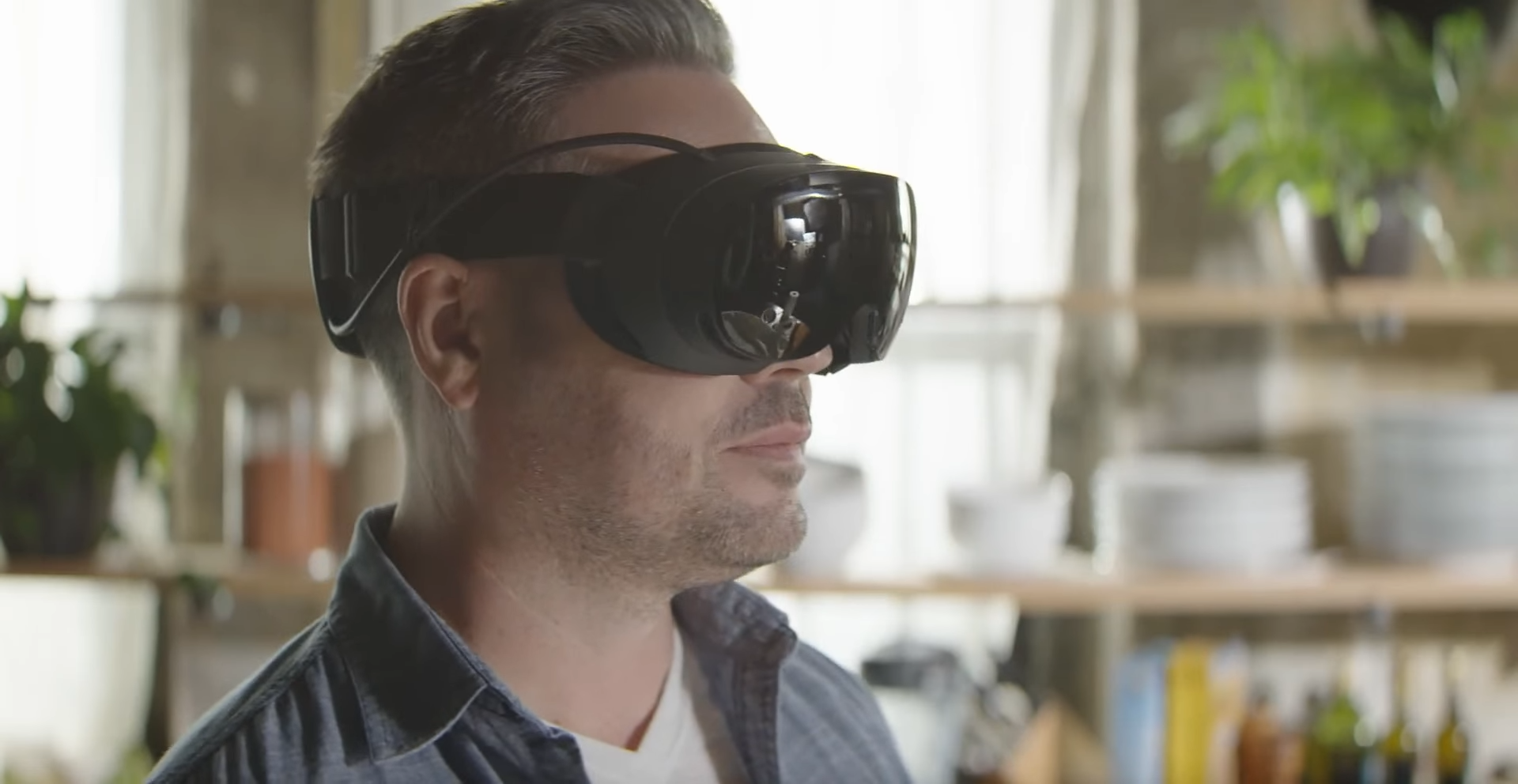
According to early technical disclosures provided by Soulart, the Station is built to handle demanding tracking scenarios within standard residential and studio environments. A single Station unit is theoretically capable of mapping a spatial footprint of up to 50 square meters, making it versatile enough for both compact gaming rooms and expansive virtual reality arcades.
Performance-wise, the device targets an operational frequency of up to 120Hz. This high refresh rate is essential for mitigating motion sickness, reducing input lag, and ensuring that fast-paced physical actions—such as dancing, martial arts simulations, or dynamic combat in virtual environments—are mirrored with minimal perceptible delay. Soulart notes that while a single Station unit is sufficient to capture comprehensive skeletal movement from a stationary or semi-mobile vantage point, multiple units can be deployed in a tandem configuration to eliminate residual occlusion zones and enhance tracking fidelity in larger setups.
Nevertheless, integrating machine learning models into real-time positional tracking introduces unique engineering compromises. Industry analysts and early hardware briefings highlight that NPU-driven inferencing, while exceptionally effective at predicting obscured joints and smoothing jitter, inherently introduces a nominal degree of latency and marginal tracking errors compared to direct line-of-sight laser or optical triangulation. Soulart’s ongoing hardware optimization focuses heavily on minimizing this algorithmic latency to ensure the peripheral remains competitive with traditional tethered tracking solutions.
Target Ecosystems: VRChat and the Steam Frame Integration
The commercial positioning of the Station targets a rapidly expanding demographic within the virtual reality community: social VR enthusiasts and virtual content creators. Soulart has explicitly identified platforms like VRChat as primary targets for the hardware. Over the past several years, social virtual reality platforms have transformed from niche gaming spaces into complex social ecosystems where user expression is dictated by custom avatars. The explosive growth of Virtual YouTubers (VTubers) and social VR performers has driven unprecedented demand for affordable, accessible full-body tracking that does not require commercial-grade motion capture studios.
Furthermore, Soulart’s strategic alignment with the Steam Frame represents a potentially lucrative intersection of hardware ecosystems. The Steam Frame—Valve’s anticipated evolution in standalone VR architecture—relies on advanced inside-out tracking paradigms. By developing native standalone support for the Steam Frame, Soulart envisions a plug-and-play operational model where the Station communicates directly with the VR environment via SteamVR, allowing any compatible game or social application to immediately recognize and ingest full-body positional data without intermediate software wrappers or complex diagnostic setups.
If successfully realized, this integration eliminates the traditional friction points of full-body tracking. Users will no longer need to synchronize separate battery-powered trackers to individual body straps, nor will they require an active connection to a high-end desktop workstation to run positional inversion algorithms. The Station acts as an intelligent sentinel in the room, quietly processing skeleton tracking data and feeding it directly into the virtual ecosystem.

Commercial Outlook, Pricing Strategy, and Projected Timeline
Despite the technical ambition surrounding the announcement, the Soulart Station remains firmly in the pre-production phase. Because the hardware is still navigating its early engineering cycles, exact consumer release dates have not been finalized. Soulart has indicated that the device is tentatively projected to retail at a price point below $400 per unit, a competitive valuation positioned to capture mid-to-high-tier enthusiasts who might otherwise be priced out of professional optical capture systems.
To fund the transition from prototype development to mass manufacturing, Soulart plans to launch a crowdfunding campaign via Kickstarter. This strategy aligns with how many specialized hardware startups validate market demand and secure capital without immediately committing to large-scale industrial manufacturing runs. Consequently, industry observers advise a degree of cautious optimism regarding the timeline and final specifications. The integration with the Steam Frame, while actively under development, is contingent upon both the finalized specifications of Valve’s unreleased hardware and the stability of Soulart’s own software pipeline at the time of commercial launch.
Broader Industry Implications for Untethered VR Peripherals
The development of devices like the Soulart Station reflects a broader maturation trend within the virtual reality hardware market. As standalone headsets capture an increasingly dominant share of the consumer market, hardware developers are recognizing that the future of VR lies in modular expansion rather than monolithic, closed-ecosystem hardware updates.
By offloading heavy AI and spatial computing tasks onto dedicated peripheral hardware like an NPU-equipped base station, companies can enhance the capabilities of existing headsets without forcing consumers to purchase entirely new head-mounted displays. If Soulart successfully delivers on its technical promises, the Station could establish a new blueprint for peripheral design—one where smart, decentralized computing units augment standalone headsets to provide professional-grade functionality in consumer-friendly packages.
As the virtual reality community awaits further updates regarding the Steam Frame and Soulart’s upcoming Kickstarter campaign, the prospect of seamless, untethered full-body tracking edges closer to mainstream viability, promising to fundamentally alter how users interact, socialize, and express themselves within virtual environments.