
 Lina Irawan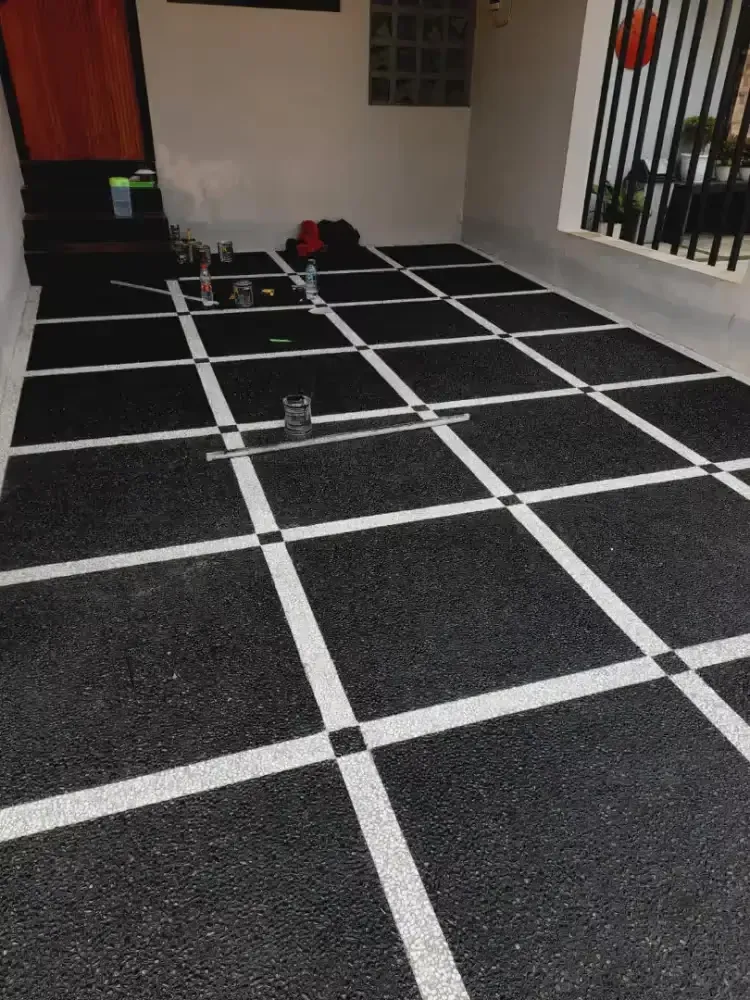
Black tire marks marring carport surfaces are a common aesthetic and maintenance challenge for homeowners, stemming not merely from dirt but from a complex chemical interaction between hot rubber tires and porous flooring materials. These unsightly stains occur when plasticizers, chemical compounds used to maintain tire flexibility and durability, migrate from heated rubber into the microscopic pores of the carport surface. Conventional scrubbing often proves ineffective as the plasticizer compounds become deeply embedded and harden within the material. This issue necessitates a proactive approach, integrating informed material selection, strategic design, and specialized maintenance protocols to achieve lasting cleanliness and preserve property aesthetics.
The Underlying Science of Tire Mark Formation
The persistent nature of tire marks is rooted in a combination of chemical and physical processes. Understanding these mechanisms is crucial for effective prevention and remediation.
Plasticizer Migration: A Chemical Interaction
Modern automotive tires are engineered with a blend of synthetic rubbers and various additives, including plasticizers. These plasticizers are crucial for enhancing the tire’s elasticity, grip, and resistance to environmental factors like extreme temperatures and UV radiation. When a vehicle travels, friction between the tires and the road surface generates significant heat, often raising tire temperatures considerably. Upon parking, these hot tires come into direct contact with the cooler carport floor. This temperature differential and direct pressure facilitate the migration of plasticizer compounds from the heated rubber into the underlying surface. As these compounds cool and solidify within the floor’s pores, they leave behind stubborn, dark stains that resemble a permanent stamp. This process is particularly pronounced in warmer climates, where ambient temperatures further contribute to tire heating.
Surface Porosity: The Absorption Factor
The susceptibility of a carport surface to tire marks is directly linked to its porosity. Materials commonly used for carports, such as standard poured concrete, unsealed natural stone, or conventional paving blocks, possess numerous microscopic pores. These capillary structures act like tiny sponges, readily absorbing liquids and residues. When plasticizers migrate from tires, they don’t simply rest on the surface; they penetrate these pores, becoming chemically bonded or physically trapped. Once embedded, these stains are resistant to superficial cleaning agents like household soaps, which are designed to break down fats and proteins, not polymer-based residues. According to a 2022 study on material science, unsealed concrete can have a water absorption rate as high as 6-10%, making it highly vulnerable to deep-seated staining.

Dry Steering: Abrasive Force and Residue Accumulation
Beyond chemical migration, mechanical abrasion also contributes significantly to tire mark formation, especially in compact parking areas. "Dry steering" refers to the act of turning the steering wheel while the vehicle is stationary or moving very slowly. This maneuver generates intense friction between the tire and the ground, essentially grinding away microscopic particles of rubber. In carports, particularly those with limited maneuverability, drivers frequently engage in dry steering to position their vehicles. This forceful rubbing deposits a concentrated layer of rubber residue onto the floor, which then becomes compressed and embedded, creating dense, dark marks. The frequency and intensity of dry steering directly correlate with the severity and permanence of these abrasive stains.
Criteria for Stain-Resistant Carport Materials
Selecting the right material is the first and most critical step in preventing tire marks. Carport surfaces must withstand heavy loads, resist chemical infiltration, and be easy to maintain.
Exceptional Load-Bearing Capacity
A carport floor must be engineered to support substantial static and dynamic loads. The average family car weighs approximately 1,500 kilograms (around 3,300 pounds), with larger SUVs and trucks exceeding 2,500 kilograms (over 5,500 pounds). The material must endure this weight without cracking or deforming. Even minor cracks can become reservoirs for dust, debris, and plasticizer migration, compromising the surface’s integrity and appearance. For concrete, a minimum compressive strength of K250 (equivalent to approximately 20-25 MPa or 3,000-3,600 psi) is recommended, with K300 or higher preferred for optimal durability. High-grade paving blocks should also meet or exceed K300 specifications, indicating a dense, tightly bound material less susceptible to penetration. Civil engineering standards often cite minimum flexural strengths to prevent cracking under dynamic loads.
Optimized Surface Texture for Performance and Durability
The ideal carport texture strikes a balance between providing adequate traction and minimizing tire abrasion. A smooth surface is prone to slippage when wet, posing a safety hazard. Conversely, excessively rough textures, such as sharply exposed aggregate or very coarse natural stone, can act like sandpaper, prematurely wearing down tire treads and depositing more rubber particles. A matte finish or a finely textured, slightly undulating surface is generally recommended. These finishes offer sufficient grip without causing excessive tire wear. Textures that are too aggressive can lead to increased maintenance as more rubber is abraded and deposited.
Ease of Maintenance and Long-Term Durability
Future maintenance is a key consideration. The chosen material should be easy to clean with standard high-pressure washing equipment and resistant to common automotive fluids like oil and grease. Minimizing wide grout lines is also crucial, as these vulnerable areas quickly collect dirt and rubber residue. If grout is unavoidable, using epoxy-based grout fillers provides superior water and chemical resistance compared to traditional cementitious grout, offering a non-porous barrier against stains. According to industry experts, selecting materials with low water absorption rates (below 0.5% for porcelain tiles) significantly reduces the likelihood of deep-seated staining and simplifies routine cleaning.

Recommended Carport Material Options
Several material choices offer robust protection against tire marks, combining durability with aesthetic appeal.
- Flamed Andesite Stone: Andesite, a volcanic rock, is renowned for its hardness and durability. The "flamed" finish process involves superheating the stone surface, causing a thermal shock that spalls off small fragments, creating a naturally rough, anti-slip texture. Its inherent gray tones are excellent at camouflaging minor tire marks and road dust. However, despite its density, andesite still possesses microscopic pores. Therefore, application of a penetrating stone sealer is essential to block plasticizer absorption and ensure long-term stain resistance.
- Heavy-Duty Embossed Ceramic Tiles: Modern ceramic tile manufacturers produce heavy-duty lines specifically designed for outdoor, high-traffic areas. These tiles are typically thicker and fired at higher temperatures than standard interior tiles, resulting in significantly lower porosity (often near zero for porcelain varieties). Choosing variants with an embossed (raised pattern) texture enhances wet traction. Their dense, vitrified bodies make them virtually impervious to plasticizer migration. Cleaning typically involves simple pressure washing and light scrubbing. Porcelain tiles, for instance, often have a PEI (Porcelain Enamel Institute) rating of IV or V, indicating high resistance to abrasion.
- Stamped Concrete (Textured Concrete): This versatile option allows homeowners to mimic the look of natural stone, brick, or pavers without the maintenance challenges associated with numerous grout lines. Concrete is poured as a monolithic slab, and while still wet, specialized stamps are pressed into the surface to create desired patterns. The key to its stain resistance lies in the heavy-duty acrylic sealer applied as a final protective layer. This durable, non-porous coating effectively prevents plasticizer migration and makes the surface highly resistant to permanent black marks. It also offers excellent resistance to oil and other automotive fluids.
- High-Strength Paving Blocks (K300+): Premium paving blocks, manufactured using hydraulic presses, achieve a high density and compressive strength (K300 or higher). Their interlocking design distributes weight effectively, making them highly durable. The permeable gaps between blocks, typically filled with sand, allow rainwater to drain naturally into the ground, reducing surface pooling. Opting for darker shades like charcoal, dark gray, or terracotta can help camouflage marks. Post-installation, applying a clear concrete sealer further enhances their stain resistance by closing surface pores. Permeable interlocking concrete pavers (PICPs) also contribute to sustainable stormwater management.
- Rough Plaster (Semen Plester Kamprot): This technique involves spraying a cement-sand mortar mixture onto the floor, creating a uniform, speckled texture. The uneven surface minimizes the direct contact area between the tire tread and the carport floor, thereby reducing the risk of heat transfer and plasticizer migration. A critical final step is the application of a high-quality polyurethane sealer, which provides a robust, impermeable barrier against oil, grease, and tire residues, ensuring the surface remains easy to clean.
- Unpolished Homogeneous Tiles: Unlike standard ceramic tiles that have a glazed top layer, homogeneous tiles (often porcelain) have consistent material and color throughout their entire body. This "through-body" composition makes them exceptionally hard, scratch-resistant, and capable of withstanding heavy loads, ideal for SUVs and trucks. Unpolished or rustic variants offer a naturally slip-resistant surface, and their extreme density (water absorption rates often below 0.1%) makes them highly resistant to liquid and chemical absorption, including tire plasticizers.
- Grass Block (Turf Pavers): For an eco-friendly and aesthetically pleasing option, grass blocks combine a strong concrete grid structure with permeable sections for growing grass. The vehicle’s tires primarily rest on the thick concrete grids, minimizing direct contact with expansive flat surfaces. This significantly reduces the area where tire marks can form. Maintenance primarily involves regular grass trimming, contributing to a cooler microclimate and improved stormwater drainage.
Strategic Color and Pattern Choices for Visual Camouflage
Beyond material properties, the visual characteristics of your carport surface can play a significant role in masking inevitable imperfections.
Avoiding Extremes: Brights and Solid Blacks
While seemingly counterintuitive, extremely light colors like white, cream, or solid yellow are highly impractical for carports. They act as a stark canvas, making every speck of dirt, dust, and tire mark glaringly obvious. Conversely, a plain, solid black surface is also problematic. While it might seem to hide dark marks, solid black actually accentuates gray road dust and highlights scratches and imperfections with high contrast, leading to a perpetually dusty and unkempt appearance.
Embracing Mid-Tone Hues
The safest and most effective color strategy involves selecting mid-tone shades. Colors such as medium gray, charcoal, dark terracotta, or earthy browns naturally blend with the typical color of road dust and tire residue. These hues create a visual harmony that allows minor stains and accumulated dirt to recede into the background, giving the impression of a consistently cleaner surface even between washes. This principle aligns with interior design practices where mid-tones are often used in high-traffic areas to mask wear and tear.

Leveraging Speckled Patterns and Natural Motifs
Surfaces featuring variegated patterns, natural stone veins, or speckled designs are far more forgiving than uniform, solid colors. Terrazzo-style patterns, natural andesite, or fractured stone motifs inherently disrupt the visual continuity, making it harder for the human eye to pinpoint isolated stains. The random nature of these patterns effectively breaks up the distinct lines of tire marks, integrating them into the overall texture and making them less noticeable. This design principle is widely used in commercial flooring for high-traffic environments.
Effective Cleaning Protocols for Carport Surfaces
Even with the best materials, periodic cleaning is essential. However, the right tools and techniques can significantly reduce cleaning time and effort.
Essential Tools: Stiff Brushes and High-Pressure Washers
For effectively removing sticky rubber residues, soft-bristled brooms or brushes are inadequate. A stiff-bristled nylon brush or, for very stubborn marks on concrete, a fine brass wire brush designed for masonry, is necessary. The rigid bristles provide the abrasive power needed to dislodge embedded particles. A high-pressure washer (typically 1,500-2,500 PSI) is an invaluable tool, capable of forcefully dislodging dirt and residue from textured surfaces and flushing out contaminants from pores, dramatically reducing manual scrubbing effort. Different nozzle attachments (e.g., 25-degree for general cleaning, 15-degree for stubborn spots) can optimize cleaning efficiency.
Specialized Cleaning Agents: Beyond Dish Soap
Household detergents like dish soap or laundry detergent are formulated to break down organic fats and proteins, making them ineffective against the polymer compounds in rubber and petroleum-based oils. For automotive stains, a dedicated automotive degreaser or a concrete cleaner is required. These industrial-strength formulations contain specialized surfactants and solvents designed to emulsify and break down hydrocarbon-based residues and rubber plasticizers. Apply the degreaser directly to the tire marks, allowing it to penetrate and react for approximately five to ten minutes before scrubbing. Always follow manufacturer’s instructions and wear appropriate personal protective equipment.
Targeted Circular Scrubbing Technique
Avoid wasting effort by scrubbing the entire carport. Focus specifically on the tire tracks and stained areas. After allowing the degreaser to dwell, lightly wet the area with warm water. Scrub the stains using a vigorous circular motion. This technique is superior to back-and-forth scrubbing as it helps to lift embedded particles out of the pores more effectively, ensuring a deeper clean. The combination of chemical action, warm water, and mechanical agitation maximizes stain removal.

Natural Alternative: Baking Soda Paste
For those preferring chemical-free solutions, a thick paste made from warm water and baking soda (sodium bicarbonate) can be effective. Apply the paste generously over the tire marks and let it sit for about 15-20 minutes. Baking soda acts as a mild abrasive and a gentle alkaline agent, which can help break down some organic residues. Once slightly dry, scrub the area with a stiff nylon brush and then rinse thoroughly with clean water. While generally safer, it may require more effort and repeated applications for deep-seated stains compared to specialized degreasers.
The Indispensable Role of Protective Coatings (Sealants)
Even the most robust materials can succumb to staining without proper protection. Sealants are the frontline defense against plasticizer migration.
Impenetrable Barrier Against Plasticizer Absorption
Sealants primarily function by creating a protective layer that prevents foreign substances from entering the material’s pores. There are two main types:
- Penetrating Sealers: These clear, breathable sealers penetrate deep into the material’s capillaries, reacting chemically to form a hydrophobic barrier within the pores. They don’t form a surface film, maintaining the material’s natural look and texture. When hot tires come into contact with a surface treated with a penetrating sealer, plasticizers are blocked from entering the pores and remain on the outermost layer, making them easier to clean.
- Topical (Film-Forming) Sealers: These sealers create a visible, durable film on the surface of the material. This film acts as a physical barrier, protecting against abrasion, water, and chemical penetration. Epoxy and acrylic sealers are common topical types for carports, offering a robust, non-porous layer that prevents plasticizer migration into the substrate. Stains are contained on this protective film, which can then be cleaned or, in extreme cases, stripped and reapplied.
Scheduled Reapplication for Sustained Protection
The protective capabilities of sealants are not permanent. Over time, exposure to UV radiation, rainwater, abrasion from tires, and cleaning chemicals will gradually degrade the sealant layer. The typical lifespan of a carport sealer ranges from one to three years, depending on the product type, traffic volume, and environmental conditions. A simple test to determine if reapplication is needed is the "water bead test." Pour a small amount of water onto the dry carport surface. If the water beads up into tight droplets, the sealer is still effective. If the water soaks into the surface or spreads out thinly, it indicates that the protective layer has worn away, and it’s time to reapply. Regular reapplication is a cost-effective strategy to maintain the aesthetic appeal and structural integrity of the carport.
Advanced Technical Design Considerations

Beyond material selection and maintenance, the fundamental design of the carport itself plays a crucial role in its long-term cleanliness and durability.
Precise Floor Slope for Effective Drainage
Standing water on a carport floor exacerbates staining by trapping dust, dirt, and rubber particles, creating a muddy, stain-prone slurry. Proper drainage is paramount. The carport floor should be constructed with a precise slope, typically between 1% and 2%, directed towards a designated drainage system such as a trench drain or catch basin. This means the floor should drop approximately one to two centimeters for every meter of length. This subtle elevation difference ensures that rainwater, wash water, and any spills rapidly flow off the surface, preventing pooling and minimizing the contact time for potential staining agents. Inadequate slopes can lead to chronic dampness, encouraging mold growth and making cleaning significantly harder.
Incorporating Expansion Joints (Tali Air)
"Tali air," or expansion joints, are essential structural features in concrete and paved carports. These are deliberately created gaps or grooves along the perimeter of the carport where it meets the building’s foundation or other fixed structures, as well as at regular intervals across larger slabs. Their primary function is twofold:
- Thermal Expansion and Contraction: Concrete and other rigid materials expand and contract with temperature fluctuations. Without expansion joints, these stresses would lead to uncontrolled cracking (hairline cracks) within the slab. Expansion joints provide designated relief points, accommodating these movements and preserving the structural integrity of the surface.
- Water Management: The "tali air" can also function as a discreet channel, guiding any remaining surface water towards the primary drainage system, preventing it from pooling against walls or flowing into adjacent areas. Proper sealing of these joints with flexible, weather-resistant materials is also important to prevent water infiltration into the sub-base, which can undermine the stability of the carport.
Broader Implications and Long-Term Value
Investing in a well-designed, stain-resistant carport goes beyond mere aesthetics. It significantly contributes to property value and reduces long-term maintenance costs. An immaculate, durable carport enhances curb appeal, a critical factor in real estate. From an environmental perspective, choosing permeable pavers or grass blocks can aid in stormwater management, reducing runoff and replenishing groundwater. Utilizing eco-friendly cleaning agents and sealants further supports sustainable living.
In conclusion, preventing persistent tire marks on carport surfaces is not a superficial task but a multi-faceted challenge requiring a comprehensive strategy. This involves a deep understanding of the chemical and physical interactions that cause staining, careful selection of low-porosity, high-durability materials, strategic color and texture choices for visual camouflage, adherence to effective cleaning protocols, and, crucially, the consistent application of protective sealants. Furthermore, fundamental design considerations such as precise drainage slopes and the incorporation of expansion joints are vital for long-term performance. By integrating these expert recommendations from the initial planning stages with architects and contractors, homeowners can ensure their carports remain pristine, functional, and valuable assets for years to come.








