Eko Sulistyo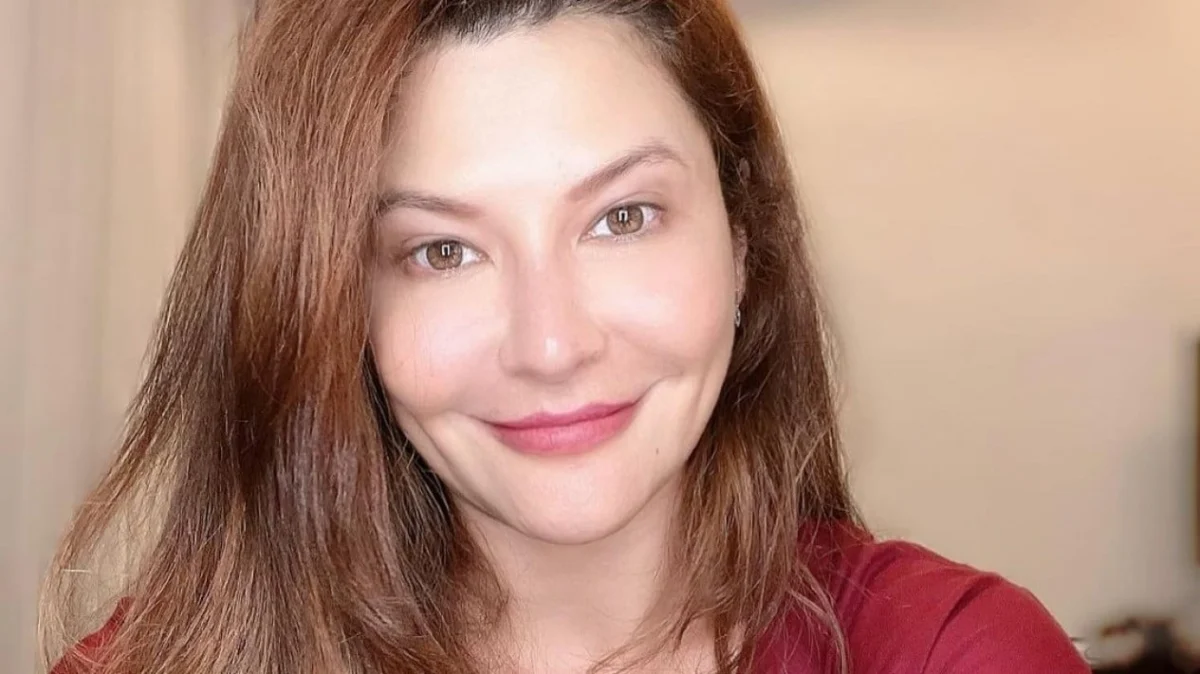
The landscape of Indonesian entertainment news was recently dominated by the nuptials of Teuku Rassya, the son of veteran actress and iconic figure Tamara Bleszynski. While the wedding of a high-profile celebrity offspring typically generates headlines for its opulence and guest list, this particular event became the center of a different kind of public discourse. The focal point of the conversation was not the bride’s gown or the floral arrangements, but rather the notable absence of Tamara Bleszynski during the sacred akad nikah (religious wedding ceremony) held on April 14, 2026. As images and videos from the event circulated across social media platforms, eagle-eyed netizens quickly pointed out that Tamara was only visible during the evening reception, and even then, she appeared to be dressed in attire that differed from the coordinated uniforms worn by the core family members.
The absence of a mother at such a pivotal moment in her son’s life immediately ignited a firestorm of speculation. In the digital age, where public figures’ lives are often pieced together through the lens of Instagram stories and TikTok clips, the vacuum of information was quickly filled with theories of family estrangement, lingering resentment from past domestic issues, and a supposed rift between Tamara and her eldest son. However, after several days of mounting pressure and viral commentary, Tamara Bleszynski has officially broken her silence, providing a poignant clarification that seeks to dispel the narrative of a fractured family.
A Timeline of the Wedding Festivities and Public Reaction
The wedding of Teuku Rassya was designed to be a multi-stage celebration, beginning with the intimate and religiously significant akad nikah on the morning of April 14, 2026. This ceremony is traditionally the most important aspect of an Indonesian wedding, representing the legal and spiritual union of the couple in the presence of their parents and close relatives. When the official photos from the morning ceremony were released, the absence of Tamara Bleszynski was glaring. Teuku Rassya’s father, Teuku Rafly Pasya, was present alongside his current wife and their children, creating a picture of a complete family unit that excluded Tamara.
As the day progressed to the evening reception, Tamara did eventually appear. However, her presence raised further questions among the public. Unlike the "seragam keluarga" (family uniforms) typically worn by the parents of the groom—which usually involve matching colors and traditional fabrics like batik or kebaya—Tamara opted for an elegant but distinct outfit. To many observers, this suggested she was attending as an honored guest rather than as a member of the inner family circle.
Social media platforms, particularly Instagram and X (formerly Twitter), became hubs for analysis. Commentators argued that if the relationship were truly harmonious, Tamara would have been a central figure in the morning prayers and would have been styled in coordination with the rest of the family. The narrative of "the excluded mother" began to trend, prompting a wave of both sympathy for Tamara and criticism toward Rassya for allegedly neglecting his maternal bond.
Tamara Bleszynski’s Emotional Response
Addressing the rumors directly, Tamara Bleszynski utilized her official Instagram account, @tamarableszynskiofficial, to share her perspective on the events of April 14. Her post, which was published late in the evening following the festivities, was characterized by a poetic and deeply emotional tone, a hallmark of her public communication style. Rather than engaging in a defensive rebuttal of specific rumors, she chose to focus on the spiritual and emotional weight of the day.
"Alhamdulillah, 14 April 2026. There is a vibration that cannot be spelled out by words, or interpreted by the false perceptions of those who only watch from the sidelines," Tamara wrote. This opening statement served as a direct rebuke to the armchair psychologists of social media who had spent the previous 24 hours diagnosing her family’s internal dynamics. By referring to "false perceptions," she signaled that the visual cues—or lack thereof—that the public relied upon did not reflect the private reality of her relationship with her son.
Tamara’s message continued with a heartfelt tribute to her two sons, Teuku Rassya and Kenzou Leon Bleszynski Lewis. "Mama always feels that sincerity is real in the warmth of your hugs. Thank you, Rassya and Kenzou, for being the cool water for my soul and the reason for Mama to keep moving forward. Your devotion is the most beautiful gift, a small heaven that Allah has entrusted to this world," she added. By emphasizing the "warmth of their hugs" and their "devotion" (bakti), Tamara effectively countered the narrative that there was any lack of respect or love between her and her children.
The Explanation of "Miscommunication"
While Tamara’s response focused on the emotional bond, Teuku Rassya had previously attempted to manage the brewing controversy by providing a more logistical explanation for his mother’s absence during the akad nikah. According to statements attributed to the young actor and entrepreneur, Tamara was indeed invited and included in the entire planning process of the wedding.
Rassya suggested that the decision for Tamara to attend only the reception was a personal choice, influenced by a logistical breakdown involving the Wedding Organizer (WO). He hinted that a "miscommunication" occurred in the days leading up to the event, which may have led to confusion regarding the scheduling or the specific roles Tamara was expected to play during the morning ceremony. In the high-pressure environment of a celebrity wedding, where dozens of vendors and family members must be coordinated, such administrative errors are not uncommon, though they are rarely scrutinized with the intensity seen in this case.
Industry experts note that "miscommunication" is often a diplomatic term used by public figures to cover internal family disagreements or simple logistical failures without placing blame on any specific individual. Regardless of the underlying cause, Rassya’s clarification sought to take the heat off the idea that he had intentionally excluded his mother.
Historical Context: The Bleszynski-Pasya Family Dynamic
To understand why the public was so quick to assume a conflict, one must look back at the history of Tamara Bleszynski and Teuku Rafly Pasya. Their divorce in the mid-2000s was one of the most publicized and contentious legal battles in the history of Indonesian entertainment. At the center of that conflict was a long and painful custody battle over Teuku Rassya.
For years, the media followed the narrative of a mother struggling to maintain a connection with her son amidst a backdrop of legal restrictions and public accusations. While the family eventually found a path toward a more stable co-parenting relationship, the public memory of those early struggles remains vivid. Whenever there is a perceived distance between Tamara and Rassya in the modern day, the public reflexively reverts to the old narrative of a "broken home."
This historical baggage adds a layer of complexity to any public event involving both sides of the family. The fact that Teuku Rafly’s current family was present in full force at the akad nikah while Tamara was absent provided the perfect visual metaphor for those looking to revive old stories of exclusion.
Analysis of the "Guest Status" and Wardrobe Choice
The debate regarding Tamara’s wardrobe at the reception—specifically the lack of a family uniform—touches upon deep-seated cultural norms in Indonesia. In traditional Indonesian wedding culture, the seragam (uniform) is a powerful symbol of unity and belonging. It identifies who belongs to the "inner circle" of the family.
By not wearing the uniform, Tamara inadvertently signaled a "guest" status to the public. However, social analysts suggest that for a woman of Tamara’s stature—a legendary actress often referred to as the "Cindy Crawford of Indonesia"—her personal brand and sense of style might supersede traditional family uniform requirements. It is also possible that the decision was a deliberate move to avoid further friction with the other side of the family, choosing to attend in a way that was respectful but independent.
The Role of Social Media in Amplifying Family Private Matters
The incident highlights the evolving relationship between celebrities and their audience. In the past, a celebrity’s absence from a private family event might have gone unnoticed or been relegated to a small gossip column. Today, every frame of a wedding video is scrutinized by thousands of followers who act as "digital detectives."
The speed at which the "estrangement" narrative took hold demonstrates the power of social media to create a reality that may not exist. Tamara’s decision to respond on Instagram was a strategic move to regain control of her own story. By using emotional language and religious expressions (such as Alhamdulillah), she appealed to the values of her Indonesian audience, effectively neutralizing the criticism.
Broader Implications for Celebrity Privacy
This episode serves as a case study in the challenges of modern celebrity parenting. For Teuku Rassya, who has grown up in the spotlight, his wedding was not just a personal milestone but a public production. The pressure to present a "perfect" family image is immense, and any deviation from that perfection is treated as a scandal.
For Tamara Bleszynski, the event was a reminder that despite her semi-retirement from the screen and her move to Bali to focus on her culinary business, she remains a figure of intense public interest. Her every move is interpreted as a statement on her past and her character.
Conclusion: A Family Moving Forward
As the dust settles on the wedding of Teuku Rassya, the primary takeaway is the resilience of the bond between Tamara and her sons. Despite the logistical mishaps, the lack of matching outfits, and the absence during the morning prayers, Tamara’s public declaration of love for Rassya and Kenzou serves as the final word on the matter.
The "misperceptions" she noted in her post are a byproduct of a society that often prefers a dramatic narrative over a mundane reality. While the public may continue to dissect the nuances of the Bleszynski-Pasya family tree, the individuals involved seem focused on maintaining their peace away from the "edges" of public perception. The wedding, ultimately, was a success—not because it satisfied the expectations of the internet, but because it marked the beginning of a new chapter for Teuku Rassya, supported by both his parents in their own respective ways.