Nila Kartika Wati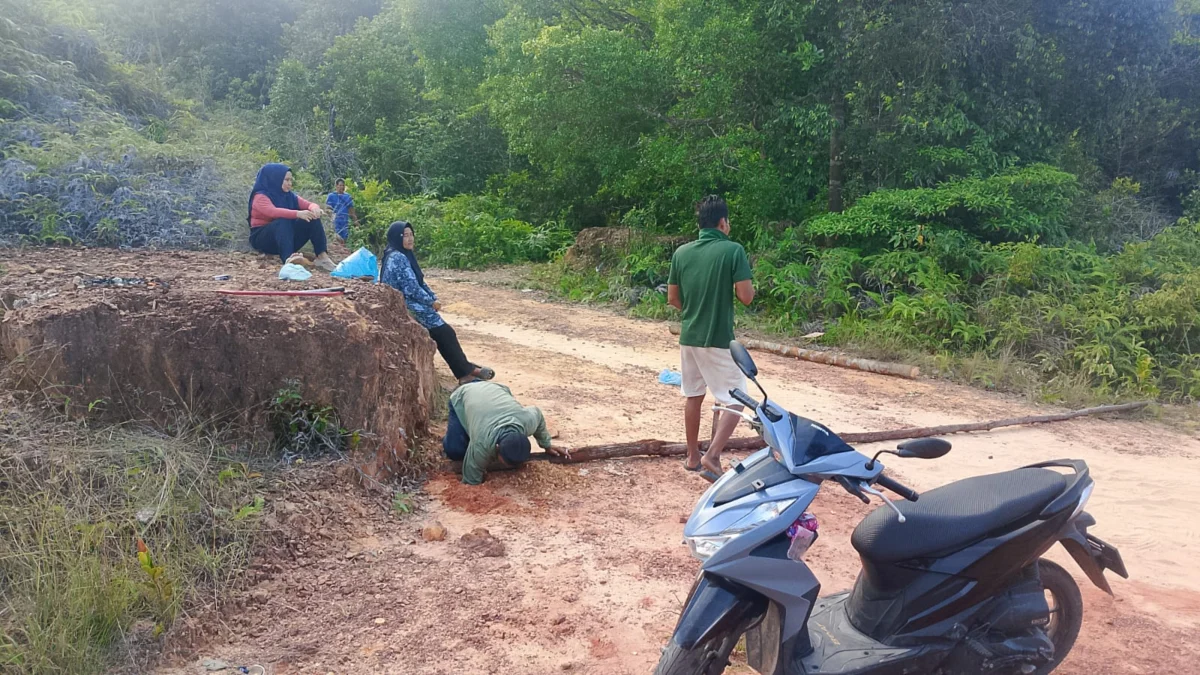
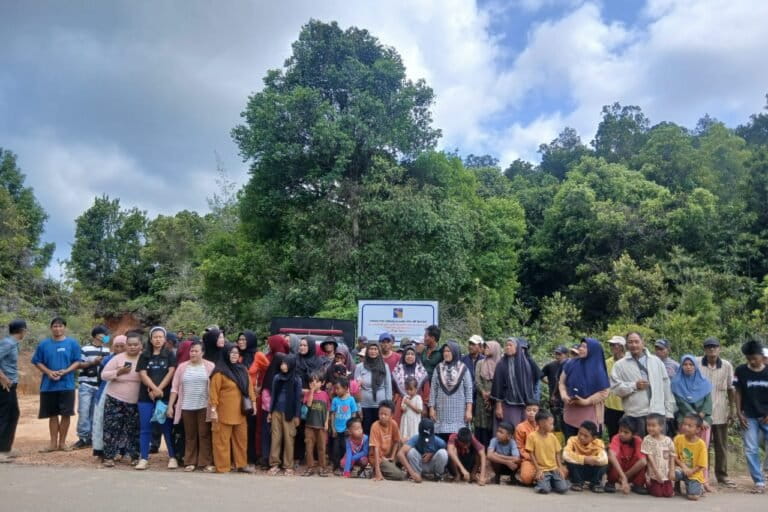
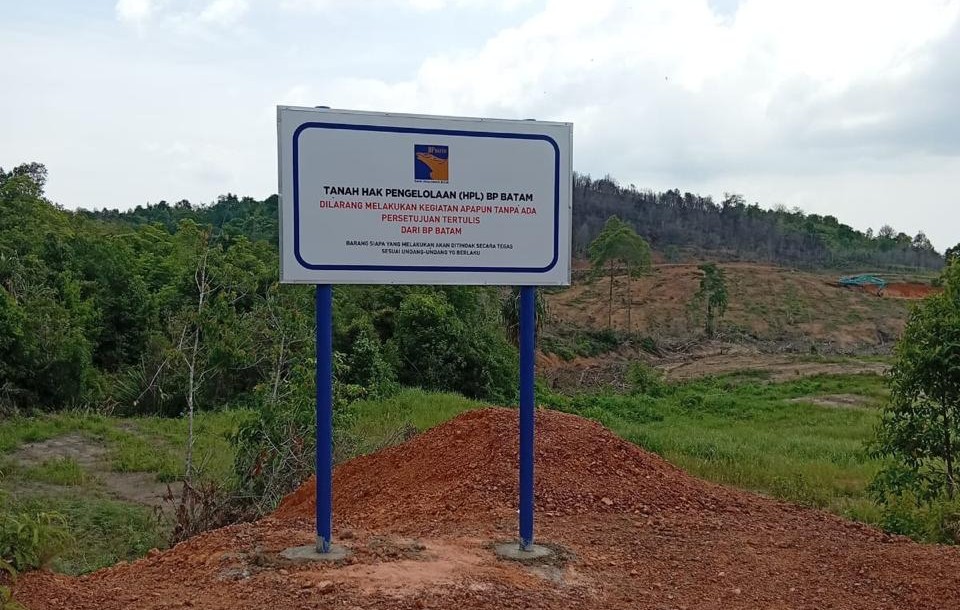
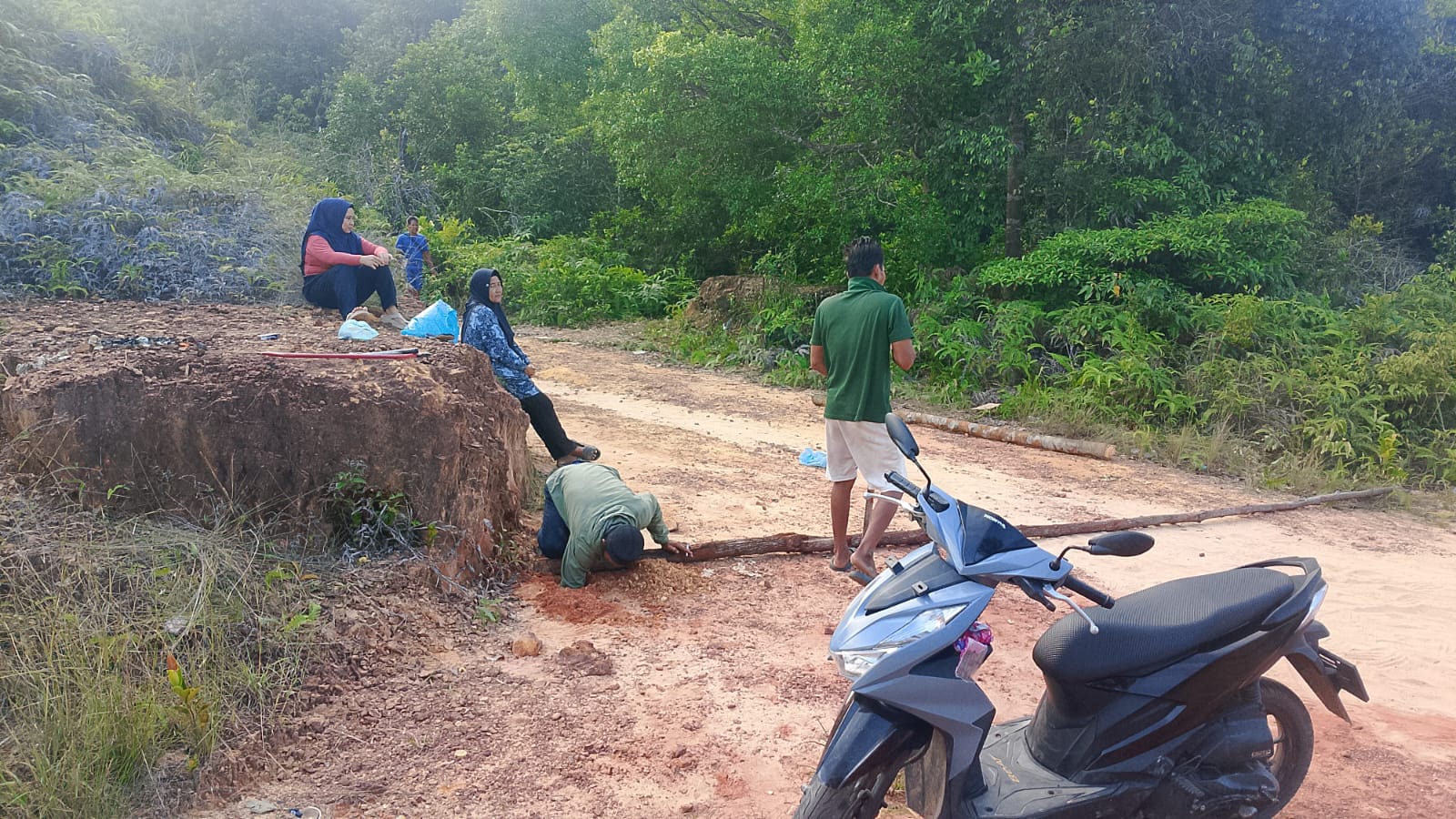
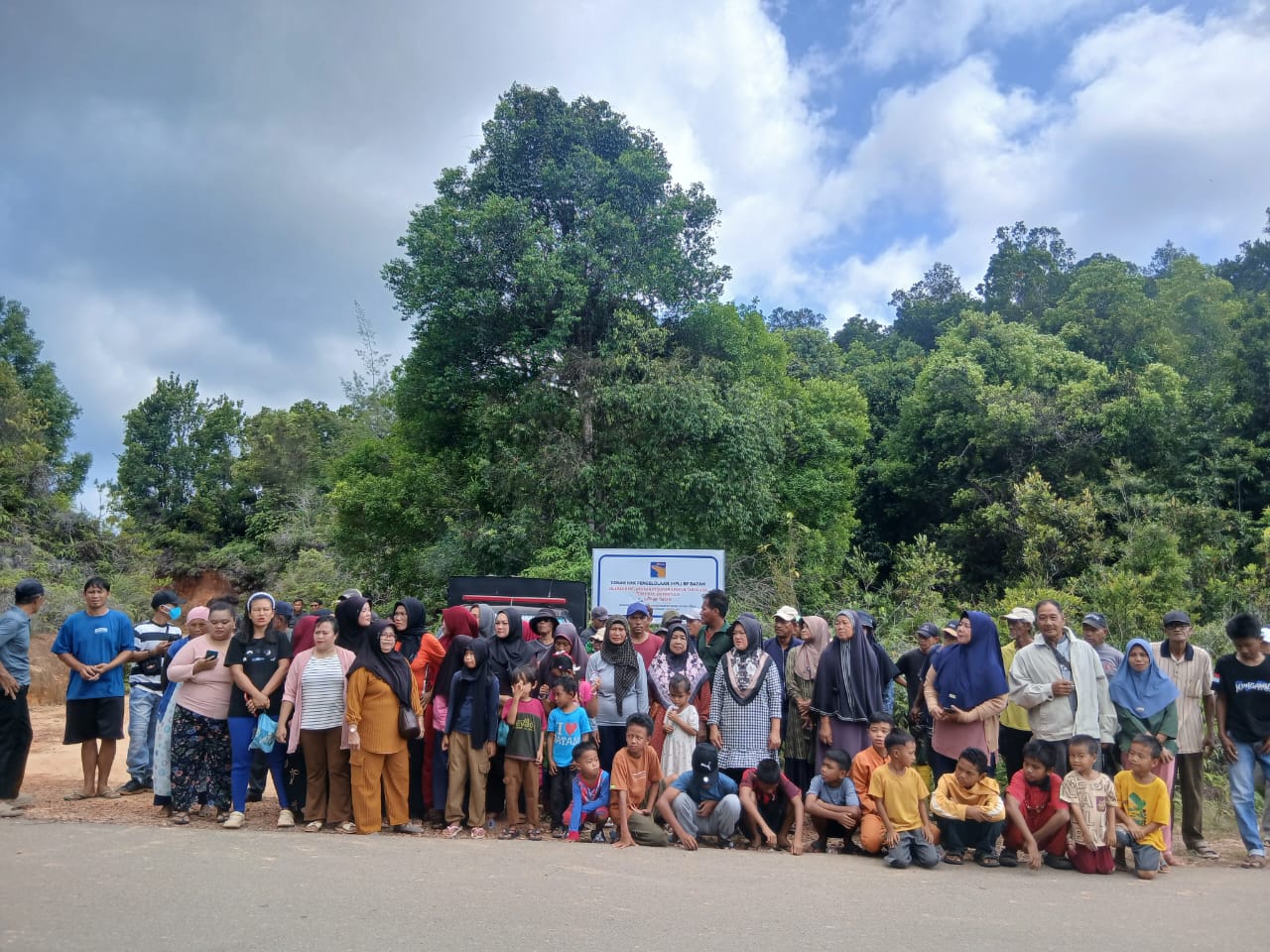
The atmosphere in Kampung Pantai Melayu, Rempang Island, Batam, escalated into a heated confrontation on Tuesday morning, July 14, 2026, as local residents blocked attempts by the Batam Indonesia Free Zone Authority (BP Batam) to install land management rights (HPL) signboards. The dispute centers on an 18.5-hectare plot of land designated for the construction of a "Sekolah Rakyat" (People’s School), a flagship educational initiative under the administration of President Prabowo Subianto. However, residents assert that the proposed site overlaps with ancestral lands and community-managed areas that have never been formally relinquished.
The confrontation, captured in viral video footage, showed Kompol Yudiarta Rustam, the Head of Intelligence and Security (Kasat Intelkam) for the Batam Police, at the scene in civilian clothing. Accompanied by other officers, Yudiarta attempted to enter Kampung Pantai Melayu, but was met with a human blockade of residents, primarily women, who demanded to see legal permits and questioned the lack of prior notification. "This is our land; you entered without asking for permission," one resident shouted during the standoff. The situation intensified when the officer was filmed stepping onto a vehicle and shouting at a woman, "I have no business with you," before driving further into the village, further inflaming local resentment.
A Pattern of Escalation: The 2026 Chronology of Conflict
The July 14 incident is not an isolated event but rather the latest in a series of skirmishes between the Rempang community and state authorities that have persisted throughout the first half of 2026. According to data compiled by the Rempang Galang United Community Alliance (Amar-GB), a clear pattern of "silent mapping" and unannounced land marking has emerged, leading to repeated friction.
The timeline of recent tensions includes:
- March 9, 2026: Residents discovered BP Batam personnel installing land stakes for the school project without any prior consultation with village elders or local officials.
- June 9, 2026: Protests erupted in Kampung Pantai Melayu when residents found that land markers had been placed deep within residential boundaries.
- June 15–16, 2026: Conflict shifted to the Sei Raya forest area. Residents intercepted a BP Batam team conducting topographic surveys and coordinate mapping, forcing them to halt operations after they were found using tarpaulins to mark specific zones within community-managed forests.
- June 20, 2026: Personnel from the Riau Islands Regional Police’s Special Crimes Unit (Satreskrimsus) arrived in Kampung Tanjung Lonce to take maritime coordinates, causing further panic among coastal residents.
- July 1, 2026: Officials from the Sei Jang Duriangkang Watershed Management Office (BPDAS) entered community lands without notifying neighborhood (RT) or sub-district (RW) heads.
- July 2, 2026: BPDAS officials returned with representatives from the state electricity company, PT PLN, to document forest rehabilitation plants, a move residents viewed as a precursor to land clearing.
- July 14, 2026: The most recent confrontation in Kampung Pantai Melayu over the installation of HPL signboards.
The Disputed 18.5 Hectares: Legal and Social Friction
The "Sekolah Rakyat Merah Putih" is intended to be an integrated educational facility covering 18.5 hectares. Amsakar Achmad, the Head of BP Batam—who also serves ex-officio as the Mayor of Batam—has stated that the project is currently in the land-clearing phase. According to official government statements, the land falls under the HPL status of BP Batam.
However, the local community provides a more complex breakdown of the land’s history. Residents claim that of the 18.5 hectares, 12 hectares were previously managed by a businessman named Hanjaya (also known as Acai). Hanjaya is currently facing legal proceedings for allegedly occupying 303 hectares of the Rempang Island Hunting Park conservation forest. While the government claims to have "freed" these 12 hectares, the remaining 6.5 hectares are the primary source of the current conflict. These 6.5 hectares consist of active residential areas, orchards, and ancestral plots that the community maintains they have occupied for generations.
Gerisman Ahmad, a prominent community leader in Pantai Melayu, emphasized that the residents do not oppose the construction of a school in principle. "We do not reject development. But the condition is simple: do not disturb the people’s settlements. We have already installed our own boundary markers and ropes, yet BP Batam continues to ignore them and install their own stakes," Ahmad said. He warned that the government’s approach is creating unnecessary horizontal conflict, noting that when residents react, they are often labeled as troublemakers, despite the government being the party that initiated the disturbance.
Institutional Criticism and Human Rights Concerns
The heavy-handed involvement of the police in what is essentially a civil land dispute has drawn sharp criticism from environmental and legal advocacy groups. Teo Reffelsen, Manager of Defense for WALHI National (The Indonesian Forum for the Environment), argued that the Rempang issue is not a matter of public order or security, but a fundamental dispute over land rights and indigenous territories.
"The police must remain neutral and prioritize the respect for human rights," Reffelsen stated. "They should not be used as a tool to facilitate the seizure of land or the criminalization of residents who are simply defending their living space."
Echoing this sentiment, Rina Mardiana from the Indonesian Caucus for Academic Freedom (KIKA) criticized the ethical foundation of the school project. She argued that building an educational institution through intimidation and military-style approaches contradicts the very purpose of education. "An institution meant to foster reason and freedom of thought cannot be born out of fear and the deprivation of rights. A school built on a foundation of rights violations teaches the wrong lesson to future generations," Mardiana said.
Furthermore, legal experts from the Pekanbaru Legal Aid Institute (LBH Pekanbaru) and the Indonesian Legal Aid Foundation (YLBHI) have called for an immediate halt to the project until a "meaningful participation" process is conducted. Wira Ananda of LBH Pekanbaru noted that the dual role of the BP Batam head as the Mayor of Batam should theoretically make him more sensitive to the voices of his constituents, yet the current policy remains top-down and coercive.
The Shadow of Rempang Eco-City
The current tension over the school project is widely viewed by observers as a proxy for the broader, more controversial Rempang Eco-City National Strategic Project (PSN). The Eco-City project, which aims to transform the island into a multi-billion dollar industrial and tourism hub, saw massive protests and violent clashes in late 2023 when the government announced plans to relocate thousands of residents.
Eko Yunanda, Executive Director of WALHI Riau, suggested that the "Sekolah Rakyat" project might be a strategic maneuver to secure land for the Eco-City project under a more socially palatable guise. "We suspect that government projects like this school are being used as instruments to gain control over community land. The government should revoke the Rempang Eco-City PSN status and formally recognize the community’s land rights instead of finding new ways to push them out," Yunanda argued.
Miswadi, an official from the Amar-GB alliance, shared this skepticism. He noted that since the inception of the Eco-City plan, residents have faced various pressures to vacate their land, ranging from relocation offers to the sudden reclassification of their villages as "conservation forests."
"BP Batam acts as if this land is theirs by default, but they must resolve the status with the actual owners first," Miswadi said. "They should engage in dialogue until an agreement is reached, not suddenly show up with signs and armed guards as if we are criminals."
Implications and the Need for Dialogue
The ongoing conflict in Rempang poses significant risks to both social stability and the success of the government’s development goals. The use of "coercive communication"—characterized by unannounced surveys, the installation of stakes under guard, and the dismissal of local grievances—has severely eroded trust between the citizenry and the state.
From a policy perspective, the Rempang case highlights the pitfalls of the "National Strategic Project" (PSN) framework when it bypasses local land tenure systems and customary rights. Analysts suggest that for the "Sekolah Rakyat" or any other project to be sustainable, the government must shift from a security-led approach to a rights-based approach. This would involve:
- Transparent Land Audits: A public and verifiable audit of land documents to clarify HPL boundaries versus community claims.
- Genuine Consultation: Moving beyond "socialization" (informing residents of decisions already made) to "meaningful participation" (incorporating resident feedback into project design and location).
- Demilitarization of Land Disputes: Ensuring that police and security forces are not deployed for land-marking activities, which should remain a civil administrative process.
As of July 15, 2026, BP Batam and the Polresta Barelang (Batam, Rempang, Galang Police) have remained largely silent in response to media inquiries regarding the specific clash in Pantai Melayu. Ariastuty Sirait, BP Batam’s Deputy for General Services, did not respond to requests for comment.
The residents of Rempang, meanwhile, remain on high alert. The "Sekolah Rakyat," which was intended to be a symbol of national progress and educational equity, currently stands as a symbol of division. Without a significant change in the government’s strategy, the 6.5 hectares of disputed land in Pantai Melayu may continue to be a flashpoint for a much larger struggle over the soul and future of Rempang Island.