Eko Sulistyo
The landscape of Indonesian entertainment news has been marked by a series of high-profile developments that captured public attention throughout the weekend of September 19–20, 2026. At the center of the discourse is the veteran comedian and television personality Andre Taulany, whose personal life remains a focal point of intense media scrutiny. Concurrently, the entertainment industry is grappling with the legal troubles of social media personality Julia Prastini, known as Jule, whose arrest on drug-related charges has sparked widespread discussion regarding the responsibilities and conduct of public figures in the digital age.
The Andre Taulany and Amanda Rigby Narrative: A Study in Public Perception
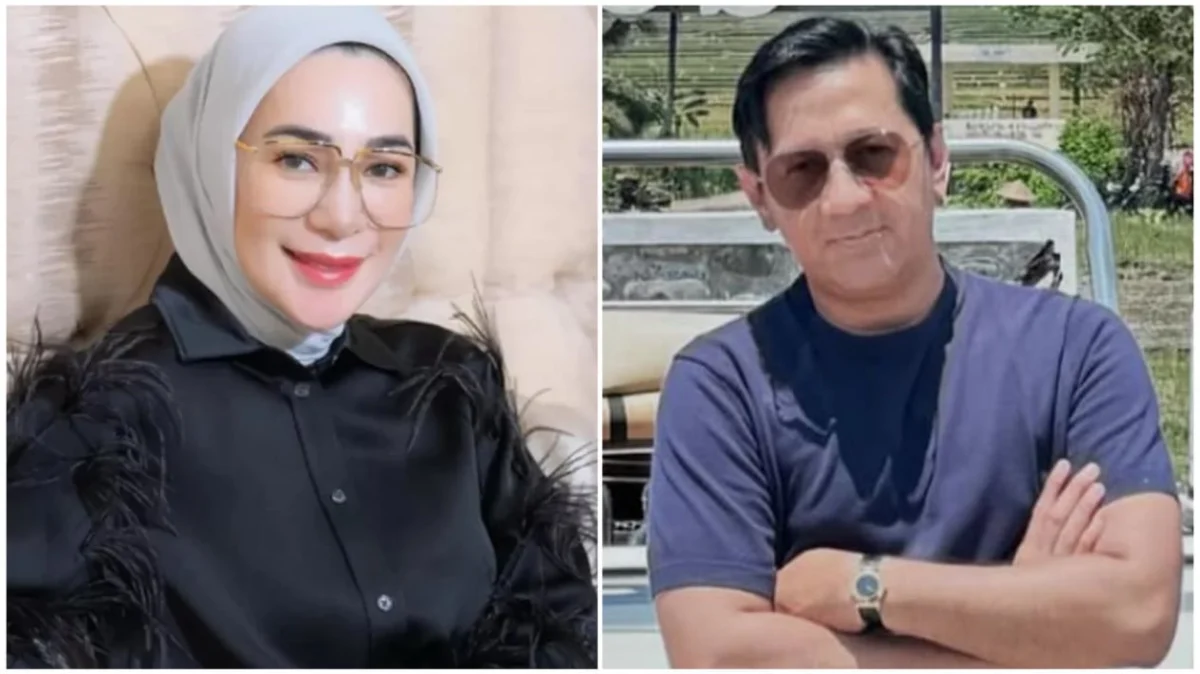
The intersection of Andre Taulany’s private life and his professional associations has become a recurring theme in domestic media. Recently, rumors regarding a burgeoning relationship between the comedian and actress Amanda Rigby have gained significant traction. This speculation reached a new peak when social media users began drawing visual comparisons between Rigby and Taulany’s former spouse, Rien Wartia Trigina, widely known as Erin.
For many followers of the Indonesian entertainment scene, the comparison is rooted in aesthetic similarities, with netizens circulating side-by-side images of Rigby and a younger Erin. While such comparisons are common in celebrity culture—often driven by fans’ desire to find patterns or "types" in the romantic lives of public figures—they nonetheless place a considerable spotlight on the individuals involved.
From a journalistic perspective, the phenomenon underscores the intense public interest in Taulany’s post-divorce life. Following his high-profile separation, any association with other figures in the industry is naturally amplified by social media algorithms and audience engagement metrics. Taulany’s reaction to these comparisons has been characterized by a measured approach, typical of a seasoned professional accustomed to the pressures of the spotlight. By acknowledging the public’s fascination without fueling unnecessary rumors, Taulany attempts to maintain a boundary between his public persona and his private evolution.
The Unintended Involvement of Dewi Gita
The complexity of digital-era rumors was further illustrated this week when the renowned singer and actress Dewi Gita found herself unexpectedly linked to the ongoing discussions surrounding Andre Taulany. The connection emerged from speculative discourse on social media platforms, where users attempted to identify the real-life identity of an individual referred to as "Degoy" in leaked digital communications.
In an era where screenshots of private conversations—whether authentic or fabricated—can circulate with viral velocity, public figures are increasingly vulnerable to being pulled into narratives they have no part in. Dewi Gita, a respected figure in the music industry and wife of fellow musician Armand Maulana, became the subject of fan-driven sleuthing simply due to coincidental linguistic similarities in online speculation. This incident highlights the significant risks associated with digital misinformation. Experts in media studies often point to such occurrences as evidence of the "echo chamber" effect, where unverified claims gain legitimacy through repetitive sharing, regardless of their factual accuracy.
The Legal Troubles of Julia Prastini (Jule)
While the discourse around Taulany remains rooted in social speculation, the situation surrounding social media personality Julia Prastini, popularly known as Jule, presents a concrete legal matter. On Saturday, September 19, 2026, confirmed reports emerged regarding her arrest by authorities in connection with narcotics possession.
According to official statements provided by Kasi Humas of the Soekarno-Hatta Airport Police, Ipda Ade Mona Prihatna, the arrest took place earlier in the week, specifically on Monday, September 14, 2026. Jule was apprehended at an apartment complex located in South Jakarta, a location frequently associated with high-profile residences in the capital. The confirmation by law enforcement served to transition the matter from the realm of internet gossip to a formal criminal investigation.
Jule, who rose to prominence through various online platforms, has previously navigated several controversies, making this latest development particularly significant for her followers and the brands she may represent. The legal proceedings are currently in their preliminary stages, with authorities tasked with determining the extent of the possession and the legal implications thereof under Indonesian law.
Chronology of the Jule Case
- Monday, September 14, 2026: Julia Prastini (Jule) is apprehended by the Soekarno-Hatta Airport Police at an apartment in South Jakarta.
- Tuesday, September 15 – Friday, September 18, 2026: Rumors of the arrest begin to surface on social media platforms, though details remain unconfirmed and subject to speculation.
- Saturday, September 19, 2026: Ipda Ade Mona Prihatna officially confirms the arrest to the media, providing the first authorized account of the event.
- Current Status: The investigation is ongoing, with legal experts suggesting that the outcome will depend on the findings of the toxicology reports and the specific statutes regarding narcotics possession under the Indonesian legal code.
The Broader Implications for Indonesian Entertainment
The juxtaposition of these two major news items—the romantic speculation surrounding a veteran entertainer and the legal crisis of a digital-native celebrity—reveals a clear shift in how information is consumed in Indonesia.
The Andre Taulany saga reflects a traditional form of celebrity journalism where the audience’s emotional investment in a star’s life cycle leads to persistent, albeit harmless, scrutiny. The media’s role here is to report on the public’s sentiment, serving as a mirror to the audience’s ongoing interest in Taulany’s life.
Conversely, the Jule case underscores the growing intersection between the "influencer economy" and the criminal justice system. As social media figures gain as much visibility as traditional television stars, the public expectation for their conduct has shifted. When such individuals face legal consequences, it prompts a wider discussion about the impact of influencer culture on youth audiences. The arrest of a prominent influencer often leads to a "de-platforming" effect, where brands distance themselves from the individual to mitigate reputational risk.
Media Responsibility and Ethical Reporting
In reporting on these events, the media must balance the public’s "right to know" with the necessity of factual accuracy. The inclusion of Dewi Gita in the conversation surrounding Taulany serves as a cautionary tale for outlets that might prioritize speed over verification. By relying on unverified internet theories, the media risks causing reputational harm to individuals who have no connection to the subject matter.
Furthermore, regarding the Jule case, the journalistic approach must remain strictly objective. While the arrest is a matter of public record, the narrative must avoid sensationalism. The judicial process in Indonesia is rigorous, and it is imperative that the public waits for the findings of the investigation before drawing conclusions.
Conclusion: A Weekend of Reflection
The events of the weekend of September 19–20, 2026, offer a comprehensive snapshot of the current state of entertainment news in Indonesia. From the lighthearted yet persistent obsession with the romantic lives of television icons to the sobering reality of legal infractions among social media stars, the news cycle remains as diverse as it is unpredictable.
As the week progresses, it is expected that further details regarding the Jule case will be released by the authorities, providing clarity on the charges. Meanwhile, Andre Taulany will likely continue to manage his public image with the same composure that has sustained his multi-decade career. For the public and the media alike, these developments serve as a reminder of the evolving nature of fame, the weight of public perception, and the importance of maintaining an objective stance in an increasingly noisy digital landscape. The role of the media in this context is not merely to report the news, but to provide the necessary context that allows the public to distinguish between hearsay and verified reality.