Chalifah Fatihah
Bangkok, Thailand – In a significant policy shift aimed at curbing a rise in transnational crime, the Thai government has officially reduced the visa-free stay duration for foreign nationals from 93 countries. The decision, ratified during a cabinet meeting on Tuesday, May 19, 2026, marks a bold move for a nation heavily reliant on its thriving tourism sector, which contributes over 10% to its Gross Domestic Product (GDP).
The previous uniform 60-day visa-free period, implemented in July 2024 as an economic stimulus following the COVID-19 pandemic, has now been abolished. Under the new regulations, the duration of visa-free entry will be determined on a country-by-country basis following an evaluation process. The majority of nations will now face a maximum stay of 30 days, with a select group being granted only 15 days.
Shift Away from Automatic Extensions
A key change accompanying the reduced visa-free period is the removal of automatic extensions. Previously, tourists could extend their stay once by visiting an immigration office. Now, any extension will require a discretionary approval from immigration officers, who will demand strong justifications for the extended stay. This move aims to prevent individuals from overstaying their permitted duration and potentially engaging in illicit activities.
The countries affected by this significant reduction include 29 nations from the European Schengen Area, the United States, Israel, and several South American countries. This broad scope underscores the government’s intention to address a perceived systemic issue rather than target specific nationalities.
Addressing Transnational Crime as the Primary Driver
The impetus behind this stringent policy change is the escalating concern over transnational criminal activities involving foreign nationals. Recent operations by the Royal Thai Police have led to the apprehension of numerous foreign individuals implicated in large-scale drug trafficking, human trafficking networks, and the operation of illegal businesses using fraudulent visa permits.
"Tourists bring positive impacts to the economy, but the current loose scheme has been exploited by some individuals to commit crimes," stated government spokesperson Rachada Dhanadirek. This sentiment was echoed by Minister of Foreign Affairs, Sihasak Phuangketkeow, who emphasized that the tightening of visa regulations is an integral part of Thailand’s broader strategy to combat transnational crime. He stressed that the policy is not discriminatory but targets individuals who abuse the visa system, regardless of their nationality.
A Complex Economic Landscape
The timing of this policy shift is particularly noteworthy, occurring at a time when Thailand’s tourism sector has yet to fully recover to its pre-pandemic levels. Data from the Ministry of Tourism revealed a 3.4% decline in foreign tourist arrivals during the first quarter of 2026 compared to the same period in the previous year.
The most substantial downturn was observed in the Middle Eastern tourist segment, which plummeted by nearly a third. This sharp decline is largely attributed to the geopolitical instability caused by the Iran War, which has disrupted flight routes and deterred travel from the region.
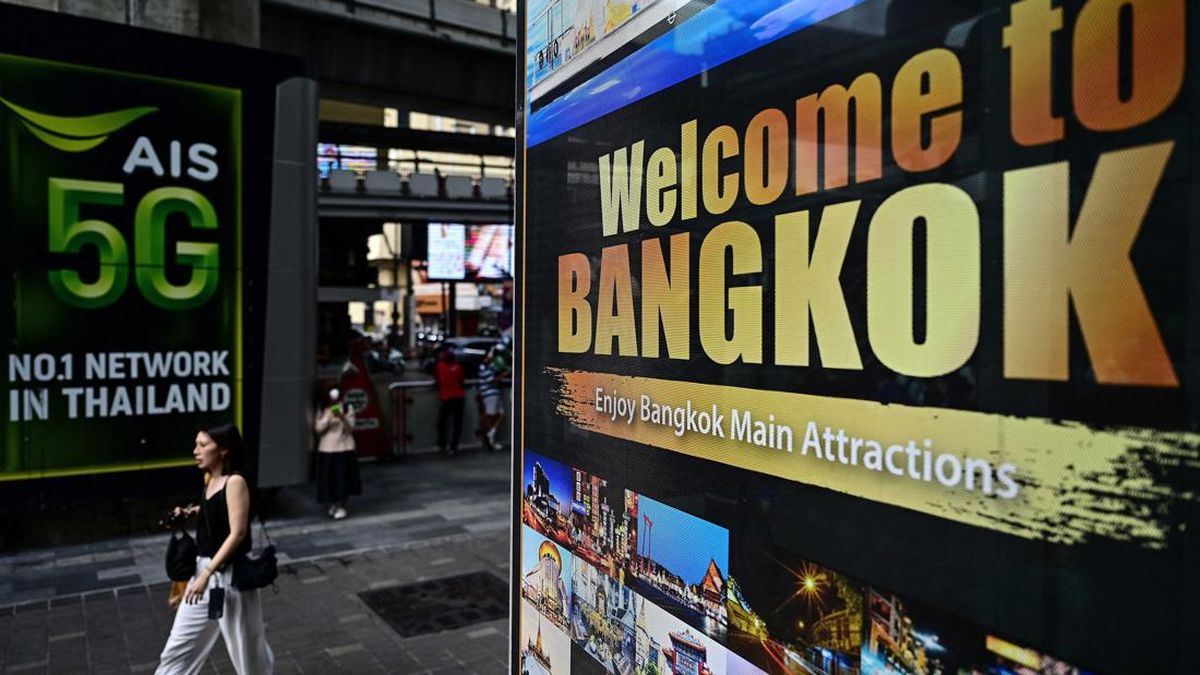
Despite these headwinds, the Thai government remains optimistic about its tourism targets. For 2026, the nation aims to attract 33.5 million foreign tourists, a marginal increase from the 33 million arrivals recorded in 2025. The success of this ambitious target will likely depend on the government’s ability to balance security concerns with its commitment to fostering a welcoming environment for legitimate tourists.
Background and Chronology of Policy Shifts
The visa-free policy in Thailand has evolved significantly over the years, driven by economic imperatives and, more recently, by security concerns.
- Pre-2024: Thailand historically offered varying visa durations and requirements for different nationalities. Many key tourist markets enjoyed relatively straightforward entry processes.
- July 2024: In a bid to revitalize the economy post-pandemic, the Thai government implemented a blanket 60-day visa-free stay for citizens of 93 countries. This was a significant extension for many, aimed at boosting visitor numbers and extending their spending within the country.
- Early 2025 – Late 2025: Reports began to emerge from law enforcement agencies detailing an increase in foreign nationals involved in criminal activities, often facilitated by overstays or misuse of visa exemptions. This led to internal discussions about revising the policy.
- May 19, 2026: The Thai cabinet officially approves the reduction of visa-free stays from 60 days to a maximum of 30 days for most of the 93 countries, with some facing a 15-day limit. The policy also mandates discretionary visa extensions, removing the automatic renewal option.
The decision to revert to a more restrictive policy, and even shorten it further for many, signals a clear prioritization of national security and public order over the potential for increased tourism revenue from extended stays.
Broader Implications and Expert Analysis
The new visa policy is expected to have several ripple effects. For legitimate tourists, it means a need for more careful planning and potentially a shorter duration for their visits. This could impact the travel patterns of long-staying visitors, such as digital nomads or those seeking extended vacations, who may now need to consider visa applications or shorter, more focused itineraries.
For the tourism industry, particularly businesses that cater to longer-term visitors, there may be a need to adapt their offerings and marketing strategies. Hotels offering weekly or monthly rates might see a decline in demand from this segment. However, the overall impact on visitor numbers remains to be seen, as the appeal of Thailand as a destination remains strong due to its cultural attractions, natural beauty, and culinary scene.
Economists are closely monitoring the situation. While the government aims to mitigate criminal activity, a significant reduction in tourist stays could, in the short term, affect overall tourism expenditure. However, proponents of the policy argue that a safer and more secure environment will ultimately bolster long-term confidence and attract more discerning travelers.
The Ministry of Tourism and Sports, while acknowledging the security rationale, is likely to be working on strategies to compensate for any potential decline in visitor numbers or spending. This could involve intensified marketing efforts in countries not affected by the strictest visa regulations, or a focus on attracting higher-spending, shorter-staying tourists.
The government’s approach underscores a delicate balancing act: maintaining Thailand’s allure as a premier tourist destination while simultaneously fortifying its borders against criminal elements. The success of this new policy will be measured not only by a reduction in crime statistics but also by the continued resilience and recovery of its vital tourism industry. The coming months will provide crucial data on how these changes affect traveler behavior and the broader economic landscape of the Kingdom.