Lina Irawan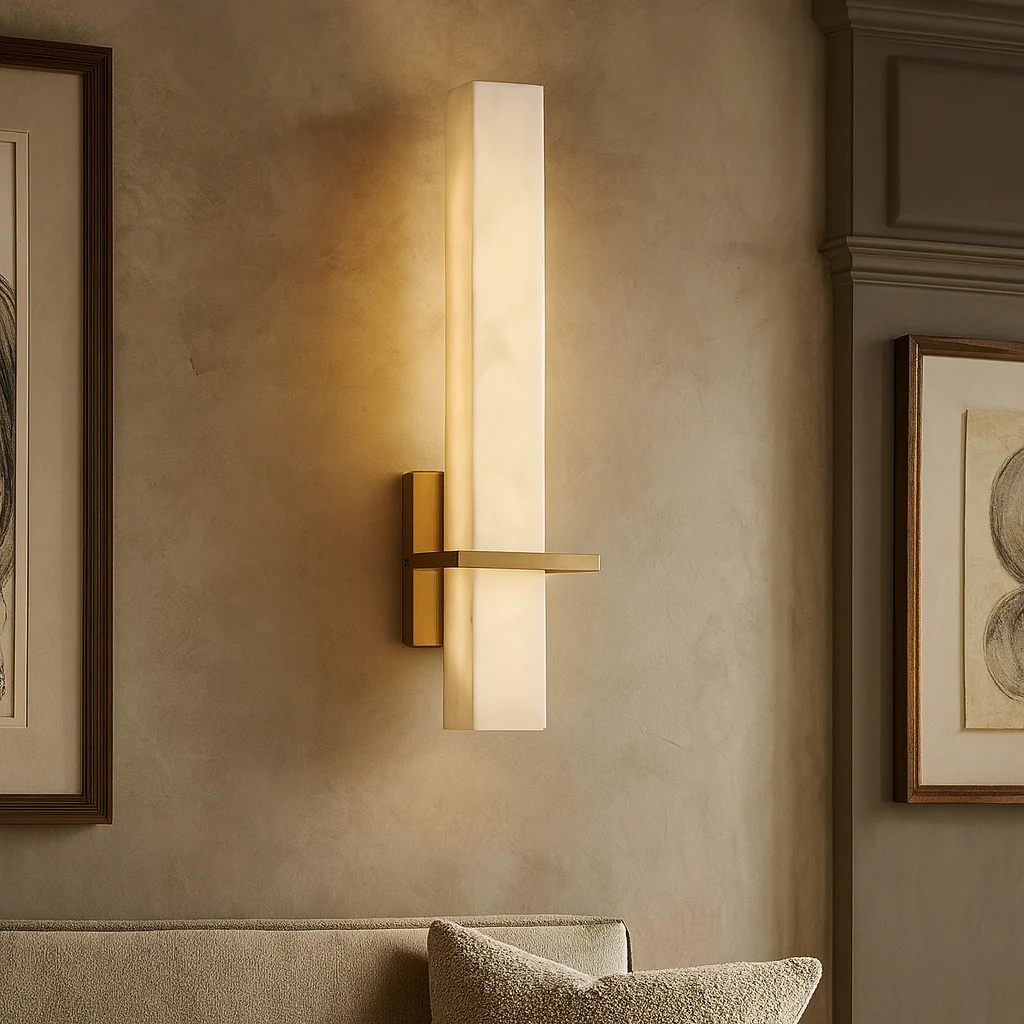
Bedside lighting serves a crucial role beyond mere illumination; it provides localized, gentle light that signals the body to prepare for rest and facilitates comfortable reading without eye strain. The choice between a wall sconce and a table lamp hinges significantly on the spatial dynamics and aesthetic aspirations of the individual bedroom. For those desiring an uncluttered nightstand surface, wall sconces offer an elegant, space-saving solution. Conversely, if practicality and ease of installation are paramount, obviating the need for wall alterations, a table lamp presents a more straightforward option. The expert team at InteriorDesign.ID has compiled comprehensive guidelines on arranging bedside lighting to ensure optimal illumination and proportion within your personal sanctuary.
The Biological Imperative: Light, Melatonin, and Circadian Rhythms
The profound impact of light on human physiology, particularly our sleep-wake cycle, cannot be overstated. Overhead ceiling lights, typically emitting bright, often cool-toned illumination, can deceive the brain into perceiving daylight, thereby disrupting the body’s natural circadian rhythm. This exposure to intense light, especially in the evening hours, actively inhibits the production of melatonin, the hormone vital for initiating and maintaining sleep. Consequently, individuals may find themselves struggling to fall asleep, experiencing fragmented rest, and waking feeling unrefreshed.
Bedside lighting directly addresses this challenge by positioning the light source below eye level. This strategic placement creates a more subdued, localized glow around the bed, allowing the eyes to relax and the body to gradually transition into a state of deep rest. The softer illumination signals to the brain that the day is concluding, encouraging melatonin synthesis and promoting a more natural progression towards sleep. Studies have consistently demonstrated that exposure to blue-rich light in the evening can suppress melatonin by up to 50%, highlighting the critical importance of warm, dim lighting in the hours leading up to bedtime. Thoughtful bedside lighting, therefore, transcends mere decor, becoming an indispensable tool for fostering optimal sleep hygiene and overall well-being.

Architectural Integration vs. Flexible Functionality: Wall Sconces vs. Table Lamps
Configuring the area around the headboard necessitates a deliberate choice of lighting fixture, one that harmonizes with the nightstand’s capacity and overall room design. Each option, the wall sconce and the table lamp, presents distinct installation requirements, functional advantages, and aesthetic implications.
The Enduring Appeal of Wall Sconces: Advantages and Design Impact
Wall-mounted lights, or sconces, are celebrated for their ability to free up valuable surface area on your nightstand. This allows the entire tabletop to be utilized for essential items such as a book, a glass of water, or a mobile phone, eliminating the risk of accidentally knocking over a lamp. Aesthetically, sconces draw the eye upwards, creating an illusion of higher ceilings and contributing to a more expansive feel, particularly beneficial in smaller rooms. The uncluttered surface of a nightstand also simplifies daily cleaning, making it easier to maintain a dust-free environment. From a design perspective, sconces offer a sleek, integrated look, often chosen to complement architectural features or reinforce a minimalist aesthetic. They can be particularly impactful in symmetrical arrangements, flanking the bed to create a balanced and sophisticated focal point.
Navigating Sconce Installation: Hardwired vs. Plug-in Considerations
The primary consideration for wall sconces is their installation. Hardwired sconces require electrical wiring to be routed within the wall, typically necessitating minor wall demolition and the expertise of a licensed electrician. This option, while offering a clean, cable-free appearance, often violates rental agreements in apartments or leased properties due to its permanent nature. The fixed position of hardwired sconces also limits flexibility; once installed, relocating your bed or reconfiguring the room layout becomes significantly more complex. As a practical alternative, plug-in sconces offer greater versatility. These fixtures are mounted to the wall, with their power cords designed to run down the wall and plug directly into a floor outlet. While the visible cord may be a minor aesthetic compromise, plug-in sconces provide a non-permanent solution that is ideal for renters or those who frequently rearrange their living spaces.
The Versatility of Table Lamps: Convenience and Modern Features
Table lamps epitomize convenience. Their installation requires no more than purchasing the lamp, placing it on a nightstand, and plugging it into a nearby electrical outlet. This plug-and-play simplicity means there’s no need for internal wall wiring or professional electrical work. The inherent portability of table lamps allows for effortless rearrangement alongside the nightstand whenever a room’s layout is modified. Modern table lamp designs frequently incorporate additional practical features, such as integrated USB charging ports in their bases, catering to the ubiquitous presence of electronic devices in contemporary lifestyles. This added functionality makes them highly appealing for those seeking multi-purpose bedside solutions.

Acknowledging Table Lamp Limitations: Space and Stability
Despite their convenience, table lamps do come with certain limitations. Their base invariably occupies a portion of the nightstand’s surface, which can make smaller nightstands feel cramped and cluttered. The visible power cord, often trailing behind the table, can accumulate dust and contribute to a less tidy appearance if not properly managed. Furthermore, the freestanding nature of table lamps introduces a risk of accidental dislodgement. In a state of semi-consciousness, such as reaching for a phone in the morning, there’s a tangible chance of knocking over and damaging a beloved lamp. This vulnerability to accidental impact is a practical consideration, particularly in active households or those with pets.
Beyond Aesthetics: The Technicalities of Optimal Illumination
A lamp’s visual appeal during the day does not guarantee comfortable illumination at night. The direction of light, its intensity, and crucially, the bulb’s color temperature are all pivotal in determining the quality of your sleep environment.
The Science of Warmth: Understanding Color Temperature (Kelvin)
Light color is measured in Kelvin (K). For bedside lighting, the ideal range is generally restricted to 2700K to a maximum of 3000K. A bulb at 2700K emits a warm, soft yellow glow, closely resembling candlelight. This warm spectrum is soothing to tired eyes and is conducive to relaxation, as it minimizes the blue light component that signals wakefulness. Conversely, installing a bright white bulb (above 4000K) in the sleeping area is counterproductive; its higher blue light content actively suppresses melatonin production and cues the brain to remain alert, making it significantly harder to fall asleep. The importance of selecting the correct color temperature is rooted in human biology, directly influencing the body’s natural sleep-wake cycle.
The Right Glow: Deciphering Brightness (Lumens) and Dimmability
The brightness of light is measured in lumens. For activities such as reading before bed, an illumination level of approximately 400 to 450 lumens is generally recommended. This is roughly equivalent to a 4 to 5 Watt LED bulb. If the primary purpose is merely soft ambient lighting for relaxation, 200 to 300 lumens will suffice. The ability to adjust light intensity is a significant advantage. Bulbs equipped with a dimmable feature allow you to manually control the light output, offering flexibility to adapt the brightness to different activities or moods. This adjustability ensures that the light is never too harsh when winding down, nor too dim when needing to focus on a task like reading.

Precision in Placement: Achieving Ergonomic Lighting
Incorrect placement of a bedside lamp can result in direct glare into the eyes, diminishing comfort and functionality. Specific measurement guidelines, calculated from a seated position in bed, are crucial for optimal illumination.
Strategic Sconce Height for Glare-Free Reading
The general standard for wall sconce installation height ranges from 135 cm to 150 cm from the floor. However, the most accurate method for determining optimal placement involves sitting upright against the headboard. The ideal light source position should be precisely level with your shoulder line, or a maximum of 5 cm above it. This ensures that the light is directed downwards onto your reading material, effectively illuminating the page without directly entering your line of sight and causing uncomfortable glare. This ergonomic consideration is paramount for comfortable and prolonged reading sessions in bed.
Proportional Perfection: Table Lamp Dimensions and Nightstand Harmony
For table lamps, the bottom edge of the lampshade must be level with your chin when you are seated and leaning against the headboard. A table lamp positioned too high will allow light to spill out from underneath the shade, creating glare. Conversely, a lamp that is too short will fail to adequately illuminate the reading area, forcing you to crane your neck downwards, which can lead to discomfort. The recommended total height for a table lamp, measured from the tabletop surface, typically ranges from 60 cm to 70 cm.
Matching Nightstand and Lampshade Dimensions: The diameter of the lampshade should never exceed the width of the nightstand. Ideally, the lampshade should occupy no more than one-third of the total surface area of the table. Beyond mere size, the material and style of the lamp base should complement the nightstand. For instance, a robust solid wood nightstand pairs well with a sturdy ceramic lamp base, establishing a grounded aesthetic. Conversely, a sleek glass table with slender legs would be more harmoniously matched with a thin metal lamp stand, contributing to a lighter, more modern feel. This thoughtful coordination ensures a cohesive and visually pleasing bedside arrangement.

Tailored Lighting Solutions for Every Bedroom Scale
The dimensions of the sleeping area significantly influence the most functional and aesthetically appropriate type of bedside lighting to install.
Maximizing Space: Bedside Lighting for Compact Rooms (Below 12m²)
Small bedrooms demand visual strategies to prevent a cramped sensation. Swing-arm wall sconces are an excellent solution; their adjustable arms allow the light to be pulled closer for reading and then folded flat against the wall when not in use, preserving floor and surface space. Traditional nightstands can be replaced with floating shelves, which, by leaving the floor clear of table legs, instantly make a small room feel more expansive and open. Another innovative solution for compact spaces is the use of pendant lights suspended from the ceiling. When hung strategically, these can provide direct illumination without occupying any precious floor or surface area. The key is to select fixtures that are proportionate to the room size and contribute to a sense of airiness rather than bulk.
Grandeur and Function: Lighting for Expansive Master Suites (Above 20m²)
Larger rooms inherently accommodate more substantial furniture and fixtures without feeling overwhelmed. In a spacious master bedroom, tall table lamps adorned with thick linen shades can create a robust and elegant compositional balance within the room. Pendant lights, artfully suspended from the ceiling to hover above the nightstands, are also a popular and sophisticated choice for larger bedrooms. When implementing pendant lights, their bottom edge should typically align with the average height of a table lamp shade, approximately 50 to 60 cm above the nightstand surface. This ensures both functional illumination and a harmonious visual integration within the broader design scheme. Large rooms offer the luxury of incorporating multiple layers of lighting, allowing for greater control over ambiance and functionality.
Embracing Innovation: The Rise of Smart Bedside Lighting

The advent of smart lighting technology has revolutionized how we interact with our bedroom illumination. Smart bulbs, controllable via a smartphone app or voice commands, offer unprecedented flexibility and personalization. Users can program automated on/off schedules, allowing the lights to gradually dim at, say, ten o’clock in the evening, gently signaling the body to prepare for sleep. Conversely, features like "sunrise wake-up" can gradually increase light intensity in the morning, mimicking the natural dawn and providing a more gentle, natural awakening experience than an abrupt alarm. Beyond scheduling, smart lighting often allows for dynamic adjustment of both brightness and color temperature, enabling users to shift from bright, cool light for morning tasks to warm, dim light for evening relaxation with ease. This integration into smart home ecosystems elevates bedside lighting from a simple utility to a sophisticated tool for optimizing sleep and enhancing daily routines.
Common Missteps in Bedside Lighting Design
Despite the clear benefits of thoughtful bedside lighting, several common design errors can undermine its ergonomic function and impact sleep quality:
- Incorrect Height: Positioning a lamp too high or too low leads to direct glare or insufficient illumination for reading, causing eye strain and discomfort.
- Wrong Color Temperature: Using bright, cool white bulbs (above 4000K) in the evening actively suppresses melatonin, making it harder to fall asleep and disrupting the body’s natural rhythm.
- Overly Bright Bulbs: Even with the correct color temperature, excessive lumen output can be jarring and disruptive to a relaxing environment. A lack of dimmable options exacerbates this issue.
- Mismatched Scale: A lampshade that is too large for the nightstand or a lamp that is disproportionate to the bed can create a cluttered or unbalanced aesthetic, detracting from the room’s harmony.
- Neglecting Cable Management: Trailing or tangled cords behind table lamps contribute to visual clutter and can be dust traps, undermining the clean aesthetic of the bedside area.
- Sole Reliance on Overhead Lighting: Using only a bright ceiling light for all evening activities in the bedroom fails to create the localized, soft light necessary for winding down and preparing for sleep.
- Ignoring Switch Accessibility: A bedside lamp with an awkwardly placed or hard-to-reach switch can be frustrating, especially in the dark or when half-asleep.
Making the Informed Choice: Sconce or Table Lamp?
The ultimate decision between a wall sconce and a table lamp boils down to personal preferences, lifestyle, and the physical characteristics of your bedroom. Wall sconces provide a solution for those who prioritize an uncluttered nightstand and a permanent, integrated aesthetic, particularly for homeowners who are less likely to frequently rearrange furniture. They offer a sophisticated, architectural touch that can elevate the overall design of the room. On the other hand, table lamps offer unparalleled ease of installation and relocation, making them an ideal choice for renters or individuals who enjoy the flexibility of repositioning their decor. They also allow for the placement of decorative objects on a wider nightstand, contributing to a personalized touch.

Irrespective of the chosen model, the fundamental principles of effective bedside lighting remain constant. Prioritizing a warm color temperature within the 2700K to 3000K range is crucial for promoting relaxation and supporting healthy sleep patterns. Equally important is ensuring that the light switch is easily accessible from the bed, enhancing convenience and user experience. Thoughtful consideration of these factors will transform your bedside lighting from a mere accessory into a vital component of a comfortable, functional, and sleep-promoting bedroom environment. The holistic impact of well-designed bedside lighting extends far beyond visual appeal, directly influencing your circadian rhythm, mood, and overall quality of rest.