
 Lusiana Hamidun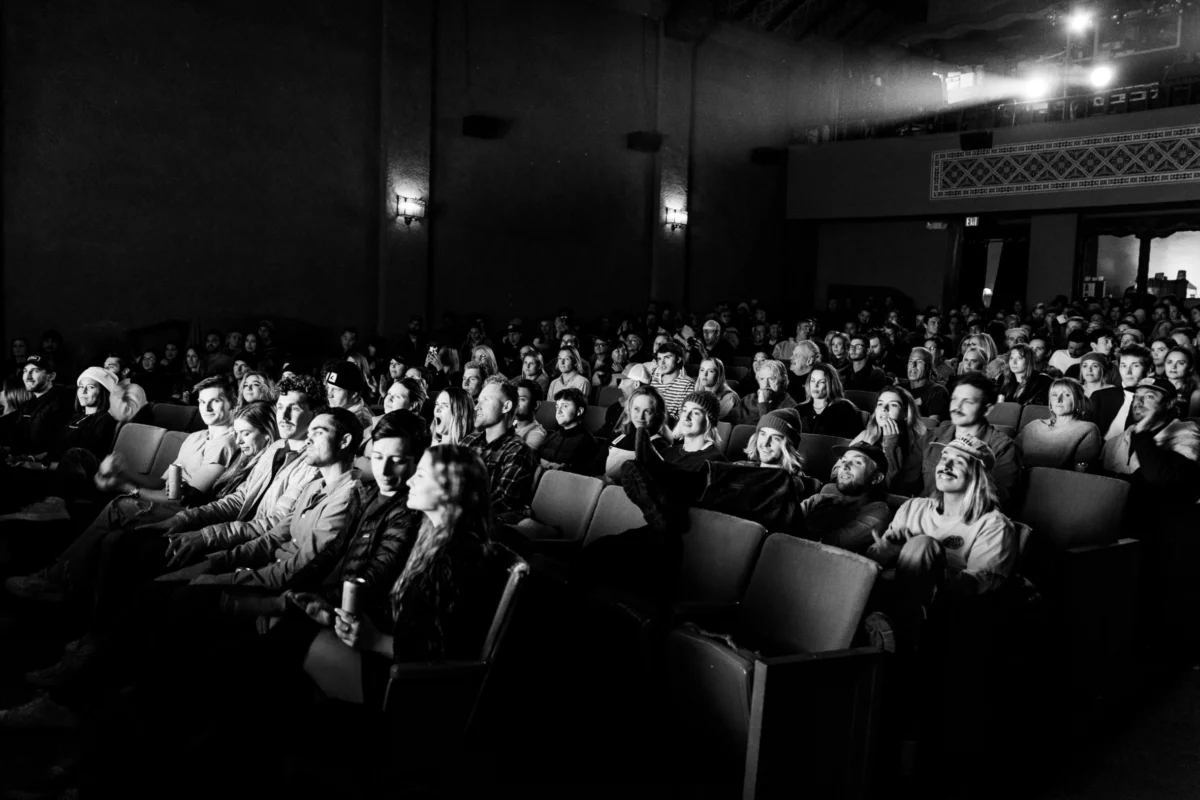
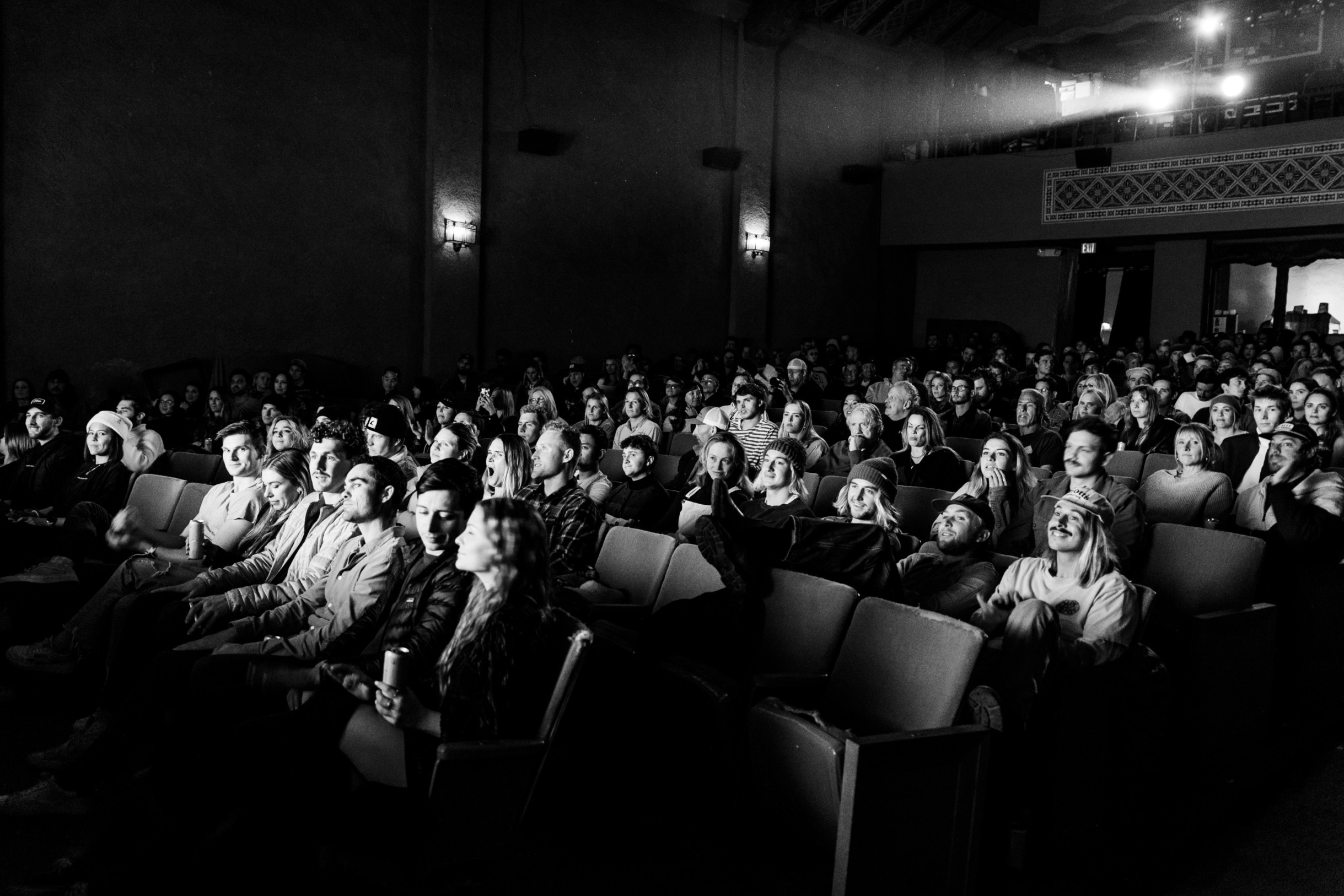
The modern cinematic experience has evolved significantly from the golden age of Hollywood theaters to today’s luxury multiplexes. While the primary objective of visiting a cinema remains the consumption of visual storytelling, the venue has simultaneously transformed into a social hub where personal expression through fashion plays a significant role. Choosing an ensemble for a theater outing involves navigating a unique set of environmental variables, primarily the stark contrast between the external climate and the regulated, often frigid, temperatures of air-conditioned screening rooms. Achieving a balance between sartorial elegance and ergonomic comfort is a challenge that requires careful consideration of textile choices, layering techniques, and footwear functionality.

The Evolution of Theater Attire and Environmental Context
Historically, attending the cinema was considered a formal social event, often requiring evening wear or semi-formal attire. As the industry democratized in the mid-20th century, casual wear became the standard. Today, the "athleisure" and "smart-casual" movements have defined the contemporary aesthetic. According to recent surveys on consumer behavior in entertainment venues, approximately 68% of cinema-goers prioritize comfort over trend-driven aesthetics when selecting an outfit for a session lasting two to three hours.
The primary constraint in any theater is the physical environment. Most commercial cinemas maintain a climate-controlled setting, typically ranging between 18 and 22 degrees Celsius (64 to 72 degrees Fahrenheit). Prolonged sedentary activity in these conditions can lead to physical discomfort if the attire is not adequately insulated. Fashion analysts suggest that the "layering principle" is the most effective strategy for managing thermal regulation while maintaining a polished look.
Strategic Layering: The Science of Comfort
The core of a functional cinema wardrobe rests on the ability to shed or add layers. The modern moviegoer must account for the commute to the theater, the potentially warmer lobby area, and the cold auditorium.
- The Base Layer: Opt for breathable fabrics such as cotton, modal, or bamboo-blend jerseys. These materials offer moisture-wicking properties, ensuring that if a viewer feels too warm during an intense film, the fabric does not trap perspiration.
- The Mid-Layer: This is the most crucial component for thermal management. Knitwear, such as merino wool or lightweight cashmere sweaters, provides excellent insulation without adding significant bulk.
- The Outer Layer: A structured jacket or an oversized trench coat serves as a versatile piece that can be removed and used as an extra cushion or a blanket during the film, adding a layer of practical utility to the ensemble.
Chronology of Trends: From Streetwear to Elevated Basics
In the current fashion cycle, the integration of streetwear into cinema attire has seen a notable surge. The rise of "Y2K" aesthetics and the resurgence of baggy silhouettes have made comfort a stylistic statement rather than a compromise.

In the early 2020s, the shift toward post-pandemic dressing emphasized "elevated comfort." This trend saw a move away from rigid, high-compression denim toward relaxed-fit trousers, cargo pants, and wide-leg silhouettes. By 2023, industry data from major retail fashion outlets indicated a 40% increase in the sale of "lounge-to-street" garments, confirming that consumers are increasingly unwilling to sacrifice comfort for the sake of formal appearances.
Curating the Perfect Look for Social Outings
When the theater visit is part of a larger social itinerary—such as a dinner date or a post-movie gathering—the outfit must remain versatile.

Casual Assemblies for Friends
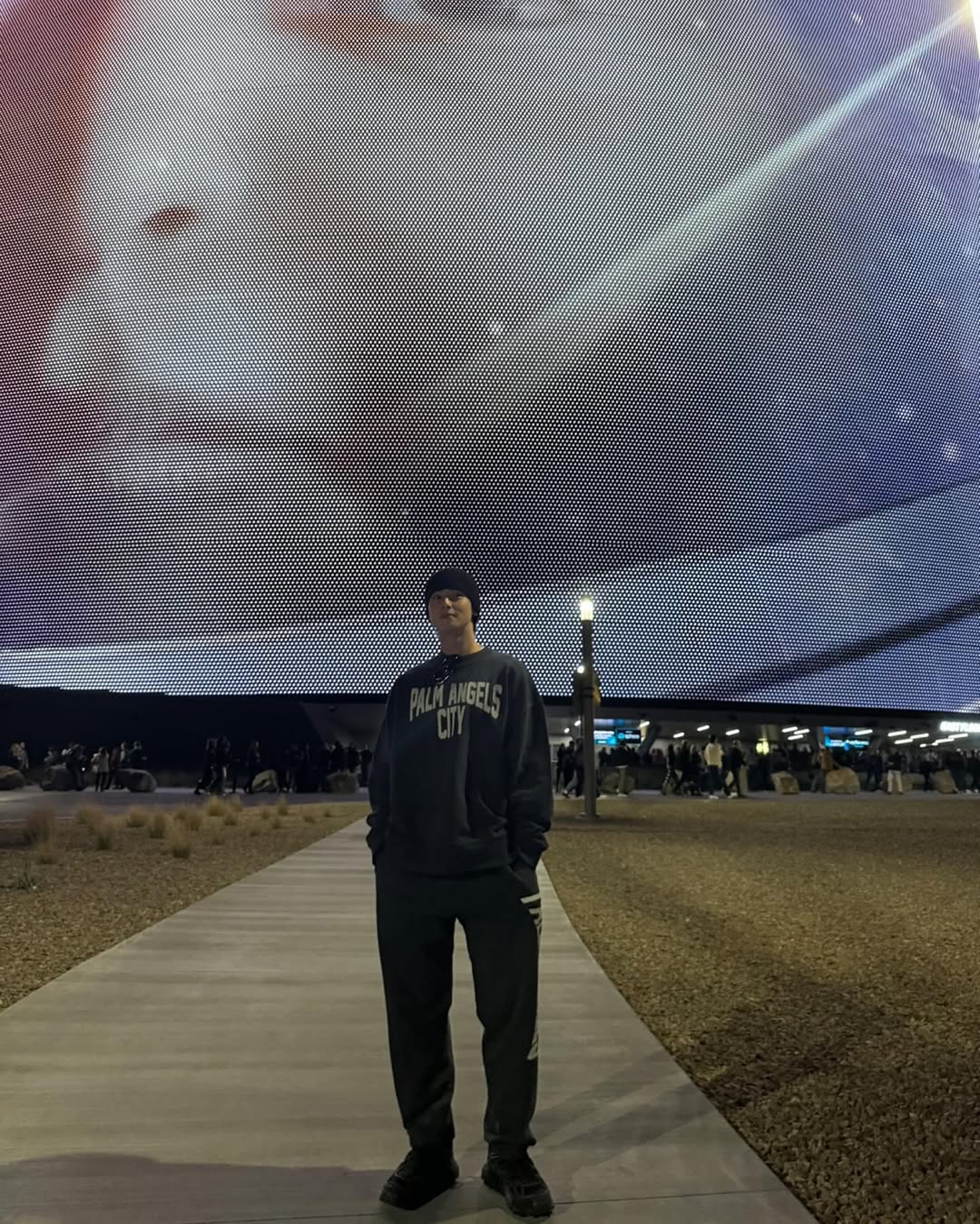
For informal movie nights, the focus shifts to relaxed silhouettes. Cargo pants, often characterized by their multiple pockets and durable fabric, provide a utilitarian edge that pairs well with cotton fleece hoodies. Fashion stylists note that the inclusion of loafers—a classic, flat-soled shoe—bridges the gap between rugged functionality and sophisticated grooming. This combination is particularly effective for those who transition from a cinema setting to a casual dining environment, as it avoids the "sloppy" appearance of overly casual gym attire.
The Smart-Casual Date Aesthetic
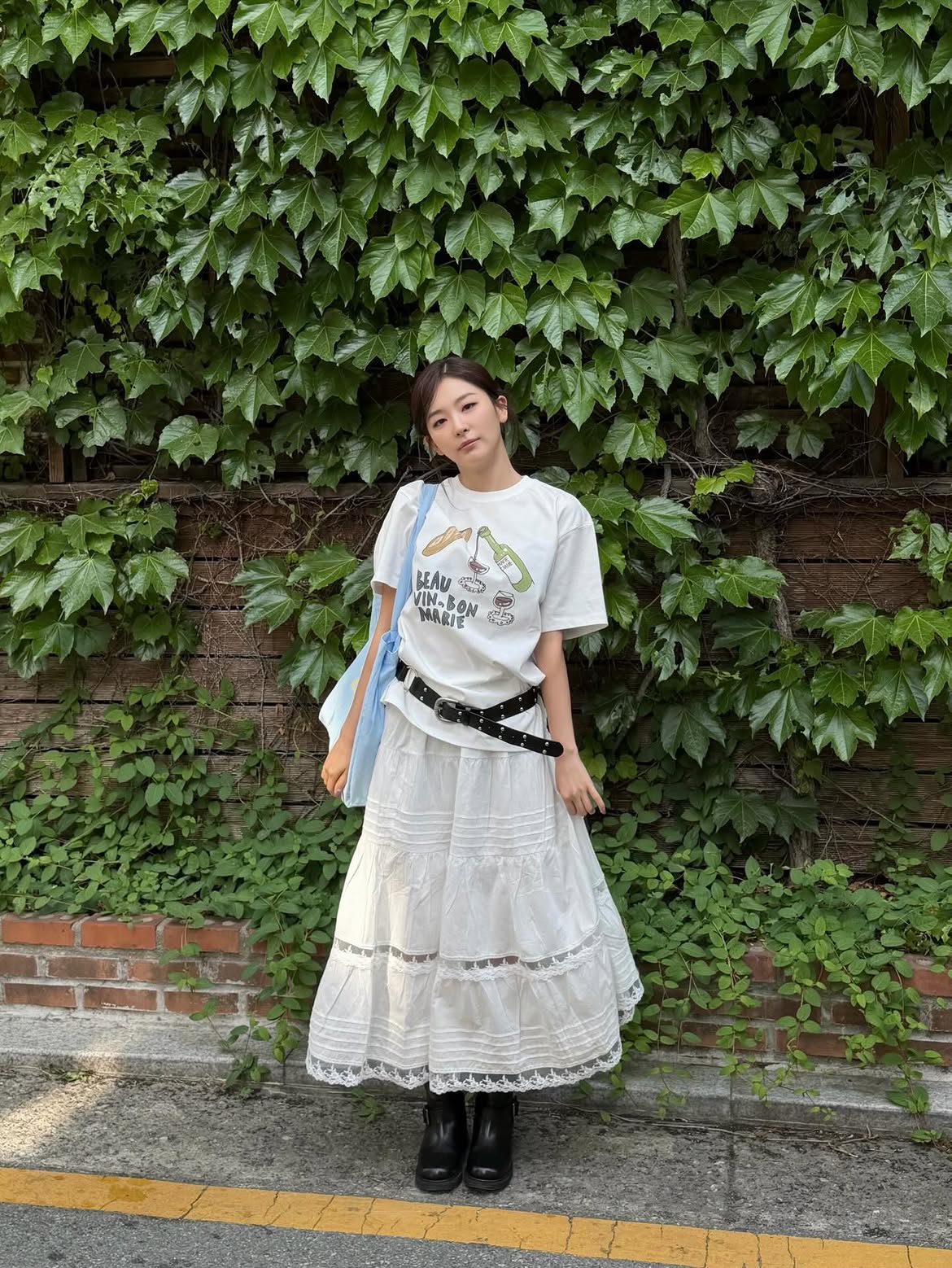
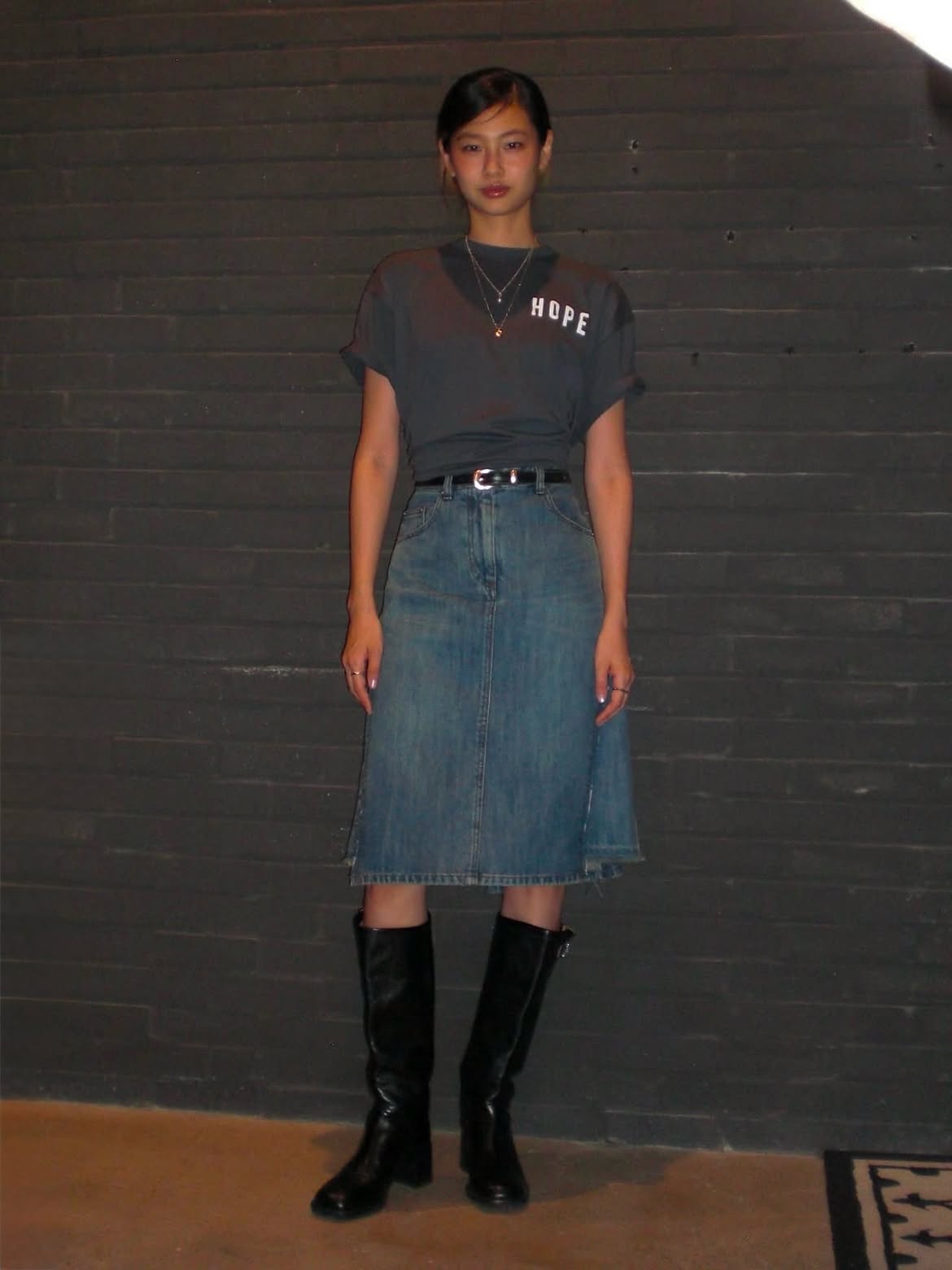
Dating in a cinema environment requires a more deliberate approach to aesthetics. For men, the "t-shirt and shirt" layering technique remains the gold standard. A crisp, open-collared shirt over a high-quality cotton t-shirt, paired with straight-leg denim, projects an image of effortlessness. For women, the "model off-duty" look—characterized by knit tops, tailored trousers, and an oversized blazer—offers a silhouette that is both professional and relaxed. The addition of a small shoulder bag maintains the refinement of the look without the inconvenience of bulky accessories that could hinder seating comfort.
Impact of Footwear on Cinema Experience
Footwear selection is frequently overlooked, yet it is arguably the most important element for long-term comfort. High-heeled shoes, while visually striking, can become a source of physical distress during long screenings. The consensus among style experts is the prioritization of flats or low-profile footwear. Loafers, chunky sneakers, and suede boots offer the necessary arch support for navigating theater aisles and the stability required for prolonged sitting.
Broader Implications for the Fashion Industry
The demand for "cinema-appropriate" clothing has influenced how brands market their collections. Retailers are increasingly emphasizing the "versatility" of their products, labeling items as "transitional" or "multi-occasion." This shift reflects a broader societal trend where the boundaries between home, work, and leisure wear are blurring.
Industry analysts observe that this trend is not merely a passing phase but a structural change in consumer behavior. As theaters continue to offer premium services—such as recliners, table service, and private screenings—the wardrobe requirements are expected to evolve further toward luxury loungewear. High-end textiles like silk blends, premium knits, and soft-touch denims are becoming the preferred choices for the modern, discerning moviegoer.
Professional Guidance for the Discerning Viewer
When planning an outfit for an upcoming screening, consider the following checklist to ensure optimal comfort and style:
- Fabric Texture: Avoid heavily embellished or beaded items that might catch on theater seating.
- Thermal Buffer: Always carry an extra layer, even in warmer months, to counteract industrial-strength air conditioning.
- The "Dinner Transition": Test your outfit for potential wrinkling. If you plan to dine out after the movie, select wrinkle-resistant fabrics like synthetic blends or high-twist wools.
- Pocket Utility: Choose bottoms with secure pockets to hold essentials, as small bags can be cumbersome in crowded theater rows.
Ultimately, the goal of cinema attire is to eliminate physical distraction. When the body is comfortable, the mind is free to fully engage with the film. The most successful outfits are those that function as an extension of the individual’s personality while respecting the functional requirements of the venue. By blending modern trends with practical considerations, the contemporary moviegoer can achieve a look that is both visually compelling and undeniably comfortable, ensuring that the focus remains exactly where it should be: on the screen.








