Lina Irawan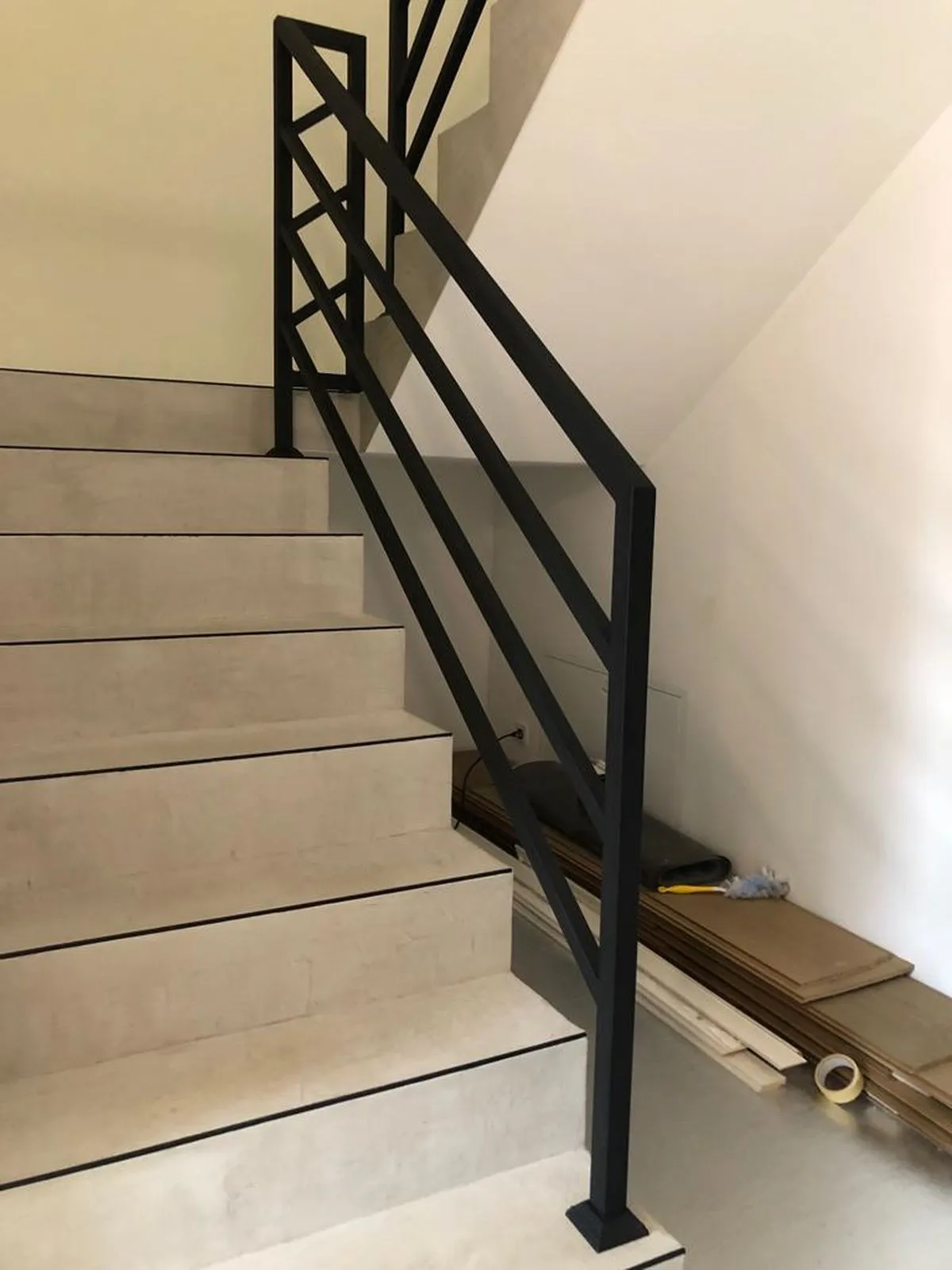
Minimalist iron handrails, characterized by their clean lines and unembellished forms, represent a sophisticated fusion of aesthetic appeal, structural integrity, and ergonomic comfort in contemporary interior design. Far from being mere functional components, these handrails are meticulously engineered to provide a secure grip while seamlessly integrating into modern architectural spaces, avoiding the visual bulk often associated with heavier materials. Their primary function remains unambiguous: to prevent falls and provide stable support during ascent and descent. However, as championed by design experts, a truly superior handrail transcends basic load-bearing capacity, offering an intuitive and comfortable tactile experience that significantly impacts daily use and overall longevity. This comprehensive analysis delves into the critical specifications, ergonomic considerations, material science, finishing protocols, and integration strategies that define high-quality minimalist iron handrails, ensuring both enduring performance and timeless design.
The Enduring Appeal of Minimalist Iron Handrails in Modern Design
The widespread adoption of minimalist design principles across residential and commercial architecture has elevated the status of seemingly simple elements like handrails. In an era where less is often considered more, minimalist iron handrails offer a compelling solution by providing robust support without visual clutter. Their inherent strength allows for slender profiles, which contribute to an open and airy feel, crucial for modern interiors that prioritize spaciousness and light. This design philosophy emphasizes functionality and clean aesthetics, making iron an ideal material due to its exceptional strength-to-weight ratio and versatility in fabrication. The absence of intricate ornamentation ensures that the handrail serves as a subtle, elegant line, guiding the eye and enhancing the architectural flow rather than dominating it.
Beyond Aesthetics: The Imperative of Ergonomic Design
The interaction between the human hand and the handrail is a critical factor often overlooked in design. For an element touched daily, ergonomic considerations are paramount. A well-designed handrail must conform naturally to the palm, providing a secure and comfortable grip for users of all ages and physical capabilities. Designs that are excessively wide, overly flat, or feature sharp angles are inherently uncomfortable and can compromise safety, particularly during sudden loss of balance. Research in human factors and anthropometry suggests an optimal diameter range of 3 to 5 centimeters for handrails. This specific dimension allows fingers to encircle the profile completely, enabling a firm and instinctive grip.

Round pipes or hollow square sections with adequately rounded edges are universally recommended for their ergonomic superiority. These shapes distribute pressure evenly across the palm, minimizing discomfort. Conversely, thin flat strips installed vertically, while aesthetically striking in some ultra-modern contexts, can exert painful pressure on the hand, particularly when significant body weight is applied. The ergonomic integrity of the handrail is not merely a matter of comfort but a fundamental safety requirement, reducing the risk of slips and falls by promoting a natural and secure hold.
Engineering Excellence: Material Selection for Durability and Style
The choice of material is fundamental to the performance and visual impact of a minimalist iron handrail. Compared to alternatives like wood, stainless steel, or glass, iron (specifically steel alloys) stands out for its unique blend of strength, malleability, and aesthetic adaptability. Its high density allows for smaller material dimensions without compromising structural integrity. For instance, while a 4×4 cm wooden beam might be prone to warping or breakage under load, a steel hollow section of the same dimensions offers vastly superior rigidity and strength, enabling the creation of visually light yet incredibly robust staircases. Furthermore, steel’s ease of fabrication allows for seamless bends and joints, accommodating complex stair configurations without awkward transitions.
-
Hollow Galvanized Steel: The Modern Standard
Hollow sections, typically square or rectangular, provide a crisp, linear aesthetic that aligns perfectly with minimalist principles. For optimal performance, galvanized hollow steel is highly recommended. Galvanization involves coating the steel with a protective layer of zinc, which acts as a sacrificial anode, providing superior corrosion resistance compared to bare steel. The recommended thickness for handrails is between 1.2 mm and 1.6 mm. This gauge ensures adequate resistance to dents from impacts and prevents deformation under sustained grip pressure. The zinc coating also offers enhanced protection against the corrosive effects of hand perspiration, which contains salts that can accelerate rust formation on untreated metals. -
Round Mild Steel Pipe: Classic Comfort
Cylindrical pipe sections offer the ultimate in gripping comfort, making them particularly suitable for households with elderly residents or young children, as they eliminate sharp edges entirely. Often favored in Scandinavian or Japandi interior styles, round pipes contribute to a softer, more organic aesthetic. It is crucial to specify mild steel pipes with a standard wall thickness to prevent unwanted deflection or bending, especially over longer spans. Mild steel, a type of carbon steel with a low carbon content, balances strength with ductility, making it easy to form and weld. -
Solid Flat Strip: Avant-Garde Minimalism
For certain ultra-modern or industrial designs, thick solid flat steel strips are employed. These create a remarkably slender profile when viewed from the side, expanding to a wider surface when viewed from above. The fabrication of such handrails demands exceptional precision, particularly in beveling and smoothing every edge to ensure safety and comfort. Any sharp or unfinished edge would render the handrail impractical and hazardous. This material choice is often paired with frameless glass panels or tensioned wire rope balustrades to amplify its sleek, contemporary appeal. The minimum recommended thickness for solid flat strip handrails to prevent deflection under body weight is 8 to 10 mm.
The Science of Protection: Advanced Finishing Techniques
One of the most common complaints regarding iron handrails is premature rusting, almost invariably stemming from inadequate surface preparation and finishing. A robust finishing process is critical for both aesthetics and longevity.
-
Meticulous Surface Preparation
Before any coating is applied, the iron surface must be scrupulously cleaned. This involves removing all traces of oil, grease, dust, and welding slag using industrial-grade thinners or specialized degreasers. Any contaminants will compromise the adhesion of subsequent paint layers, leading to flaking and premature failure. After cleaning, all weld seams and rough spots must be meticulously ground smooth, creating a uniform and defect-free surface. This grinding process should eliminate any bumps, pits, or sharp edges, ensuring a perfectly smooth texture that is safe and pleasant to touch. The goal is a surface as flawless as an automotive body panel. -
The Critical Role of Epoxy Primer
The application of an epoxy primer is an indispensable step. Epoxy primers are two-part coatings known for their exceptional adhesion to metal substrates and their superior barrier properties. They chemically bond with the metal, creating a tough, impermeable layer that actively resists oxidation, the primary cause of rust. This primer also fills any microscopic scratches or pores left by grinding, further enhancing the smoothness of the final finish. Opting for cheaper, inferior primers (such as traditional red lead or alkyd-based primers) is a false economy, as their inadequate adhesion and protective qualities will inevitably lead to early coating failure under the stress of daily handling and environmental exposure. -
Superior Topcoats: Powder Coating vs. Polyurethane Duco
For the final topcoat, two primary options offer excellent durability and aesthetic quality:-
Powder Coating: This method involves electrostatically applying a dry powder (typically polyester or epoxy-polyester) to the metal surface, which is then cured under high heat in an oven. The heat causes the powder to melt and flow into a continuous, thick, and highly durable film. Powder coating offers exceptional chip resistance, abrasion resistance, and color retention. It is also an environmentally friendly option as it contains no volatile organic compounds (VOCs). However, powder coating typically requires off-site application in a specialized facility, which can be a logistical consideration for on-site installations.

-
Polyurethane (PU) Duco Paint: When on-site application is necessary, automotive-grade polyurethane (PU) duco paint is an excellent alternative. Known for its toughness, flexibility, and superior UV resistance, PU paint delivers a hard-wearing finish that resists fading and degradation. It involves a multi-layer application process, including base coats and often a clear coat, similar to car painting. While it requires skilled application and proper ventilation, a high-quality PU finish provides comparable longevity and aesthetic appeal to powder coating, especially when applied meticulously by experienced professionals.
-
Adhering to Standards: Safety and Installation Guidelines
The functional efficacy and safety of a handrail are directly tied to adherence to established installation standards. These guidelines are rooted in ergonomic principles and building codes designed to prevent accidents.
-
Ergonomic Height and Wall Clearance
The ideal height for a handrail, measured from the nose of the stair tread (the leading edge of each step) to the top of the handrail, is typically between 90 and 100 centimeters. This range accommodates the average adult’s comfortable grip height, preventing stooping (if too low) or shoulder strain (if too high).
For wall-mounted handrails, a minimum clearance of 4 to 5 centimeters from the wall is critical. This space ensures that users’ knuckles do not scrape against the wall while gripping the rail, preventing injury and enhancing comfort. -
Structural Integrity: Bracket Placement and Anchoring
Handrail support brackets must be strategically placed to prevent sagging or undue deflection. The maximum recommended spacing between brackets is 1.2 meters. Exceeding this distance can compromise the handrail’s rigidity, making it feel unstable and potentially unsafe under load.
For wall-mounted handrails, secure anchoring is paramount. Brackets must be firmly fastened into solid structural elements such as brickwork, concrete, or directly into steel studs within partition walls using robust anchor bolts (e.g., expansion bolts or chemical anchors). Installation on flimsy gypsum board partitions without anchoring to underlying structural supports is a significant safety hazard, as the handrail could easily detach under stress. If gypsum board is unavoidable, specialized heavy-duty anchors designed for hollow walls or locating and securing to metal studs are essential, often requiring blind brackets for a neat finish. -
Child Safety: Baluster Spacing
In staircases incorporating balusters (vertical posts supporting the handrail), the spacing between them is a critical safety consideration, especially in homes with young children. Building codes universally recommend a maximum gap of 10 to 12 centimeters between balusters. This standard is designed to prevent a child’s head from passing through the gaps, thereby eliminating a serious entrapment risk. This seemingly minor detail is a non-negotiable safety feature that must be meticulously observed during fabrication and installation.
Harmonizing with Interiors: Design Integration
The minimalist iron handrail, while discreet, plays a significant role in defining the character of an interior space. Its design should complement, rather than compete with, the overall aesthetic.
-
Industrial Chic: Robust and Raw
In industrial-themed interiors, characterized by exposed structural elements, raw materials, and utilitarian aesthetics, a black matte finish on an iron handrail is ideal. Pairing it with exposed brick walls, concrete finishes, or distressed timber flooring creates a cohesive and authentic look. A slightly textured (sand texture) finish can further enhance the raw, masculine appeal. To balance the inherent coolness of metal, integrating warm elements like solid wood stair treads (e.g., teak or merbau) introduces a natural touch, preventing the space from feeling overly austere. -
Scandinavian Serenity: Light and Functional
For Scandinavian interiors, which prioritize light, simplicity, and functionality, handrails should maintain a subtle presence. Colors such as white, cream, or light grey are preferred, often applied to slender round pipe profiles to minimize visual impact. This blends harmoniously with white walls, natural wood flooring (like light oak or pine vinyl), and minimalist furnishings, contributing to a serene and uncluttered atmosphere. The handrail becomes an unobtrusive yet essential line in a calm, airy space. -
Contemporary Luxury: Sleek and Refined
In contemporary luxury settings, minimalist iron handrails can be elevated through sophisticated detailing and material combinations. Thin iron profiles, often paired with frameless tempered glass panels, create an impression of lightness and transparency. The introduction of metallic accents, such as brass, polished gold, or rose gold, for connection points or bracket covers, adds a touch of understated opulence. This style emphasizes precision engineering and high-quality finishes, reflecting a refined aesthetic.
Avoiding Common Pitfalls: Ensuring Long-Term Performance

Several common mistakes can severely compromise the safety, durability, and aesthetic quality of iron handrails. Awareness and avoidance of these pitfalls are crucial for a successful installation.
-
Under-specifying Material Thickness: The temptation to reduce costs by using thin-gauge steel (below 1 mm) is a critical error. Such material will invariably feel flimsy, vibrate under pressure, and lack the necessary rigidity to inspire confidence or provide reliable support during an emergency. This compromises the fundamental safety purpose of a handrail.
-
Substandard Welding: Relying on superficial "tack welds" rather than continuous, full-penetration welds is extremely dangerous. Tack welds are prone to failure under sudden, heavy loads, such as when someone slips and relies heavily on the handrail. Structural welds must be robust and expertly executed to ensure the handrail remains a steadfast support system.
-
Incorrect Baluster Spacing: As previously emphasized, neglecting the 10-12 cm rule for baluster spacing creates a serious child entrapment hazard. This is a non-negotiable safety standard that must be strictly adhered to.
-
Lack of Professional Fabrication and Installation: The creation and installation of high-quality iron handrails require specialized skills in metalwork, welding, finishing, and structural anchoring. Engaging unqualified contractors often leads to shortcuts, poor workmanship, and ultimately, an unsafe and unsatisfactory product.
Longevity and Upkeep: A Guide to Routine Maintenance

With proper initial processing and installation, a minimalist iron handrail can offer decades of service. Handrails installed indoors, away from direct weather exposure, can easily last 15 to 30 years without significant structural rust. The primary maintenance involves routine cleaning and addressing minor cosmetic wear.
- Routine Cleaning: Weekly cleaning with a damp microfiber cloth is sufficient to remove dust, fingerprints, and perspiration residue without scratching the finish. Avoid harsh chemical cleaners, alcohol-based solutions, or bleaches, as these can degrade the clear coat or paint finish over time.
- Addressing Minor Damage: Should a small rust spot appear due to a scratch or chip, immediate intervention is key. Gently sand the affected area with fine-grit sandpaper, apply a rust converter, and then touch up with matching paint using a small brush. This localized repair prevents the rust from spreading and preserves the integrity of the finish.
- Consideration of Metal Temperature: It is a characteristic of metal to assume the ambient temperature of its environment. In cooler climates or during colder periods, metal handrails may feel cold to the touch. For those who find this sensation uncomfortable, integrating a solid wood capping or grip over the iron structure in the primary gripping area can provide a warmer tactile experience without sacrificing the structural benefits of iron.
Investment in Quality: Understanding Cost and Value
The cost of a minimalist iron handrail is typically quoted on a per-linear-meter basis, encompassing material, fabrication, standard painting, and installation. For a standard minimalist design using 4×4 cm galvanized hollow steel with a duco paint finish, costs generally range from IDR 450,000 to IDR 650,000 per linear meter (approximately USD 30-45).
Premium specifications, such as powder coating, solid wood integration, or more intricate designs, can elevate the cost to IDR 750,000 to IDR 1,200,000 per linear meter (approximately USD 50-80). It is imperative to request a detailed Bill of Quantities (RAB – Rencana Anggaran Biaya) or a transparent quotation that clearly outlines the material specifications (type and thickness of iron), brand and type of paint, and scope of work. This ensures transparency and prevents misunderstandings regarding the quality and components used. Investing in higher quality materials and finishes upfront offers significant long-term value through enhanced durability, reduced maintenance, and superior aesthetics.
Innovating Safety: Integrated Lighting Solutions
Modern handrail design extends beyond basic functionality to incorporate advanced features like integrated lighting. Skilled fabricators can create discreet channels within the underside of the handrail profile, allowing for the installation of LED strip lights. These lights are typically covered with a silicone diffuser, which softens the light and disperses it evenly. The downward-facing light illuminates the stair treads gently, providing enhanced visibility and safety during nighttime use without harsh glare. This feature is particularly beneficial for homes with children or elderly residents. Planning for integrated lighting must occur early in the design phase to allow for the seamless concealment of electrical wiring within the iron pipe’s hollow structure, maintaining the clean aesthetic.

Minimalist iron handrails, when designed and executed with precision, represent a harmonious blend of form, function, and safety. Their enduring appeal in contemporary design underscores the importance of thoughtful material selection, meticulous craftsmanship, and adherence to ergonomic and safety standards. By understanding these critical elements, homeowners and designers can ensure that their staircases are not only visually striking but also provide reliable, comfortable, and safe passage for years to come.