Lusiana Hamidun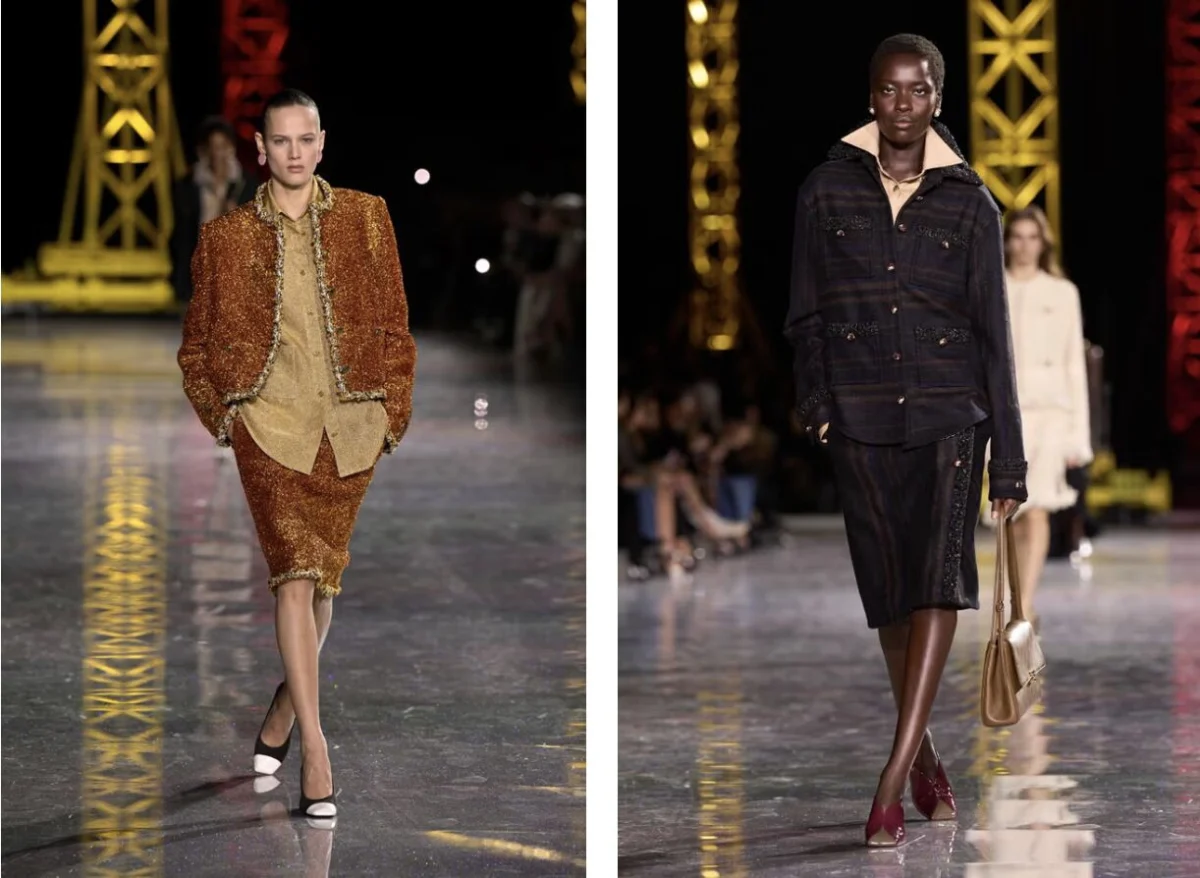
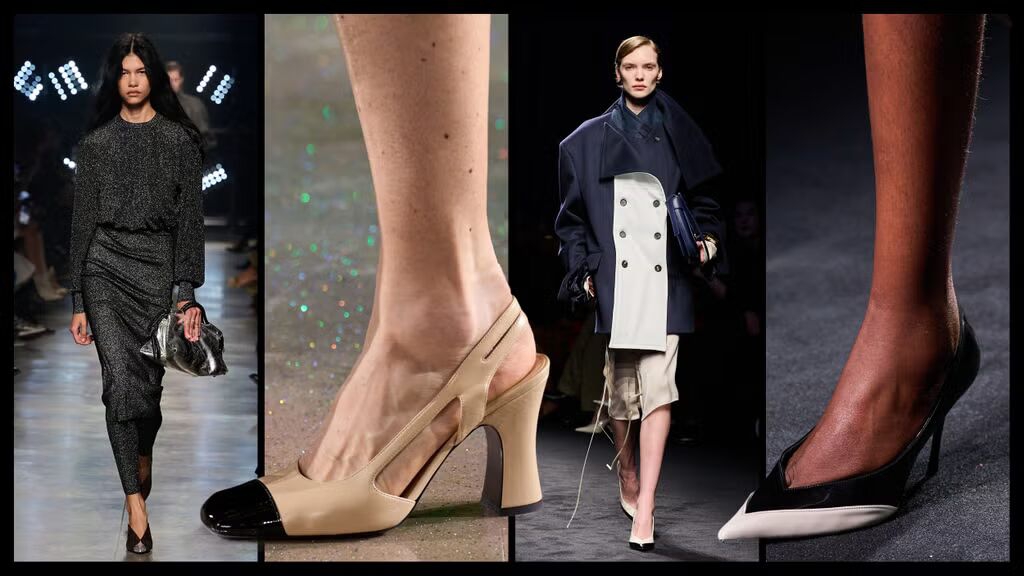
In 1957, Gabrielle "Coco" Chanel forever altered the trajectory of luxury footwear when she introduced the two-tone slingback pump. Developed in collaboration with the esteemed footwear artisan Massaro, the shoe was more than a fashion statement; it was an exercise in functional engineering. By pairing a beige leather body with a contrasting black toe cap, Chanel achieved a dual objective: the beige elongated the wearer’s leg, while the darker toe cap visually minimized the foot, creating a sense of proportion that felt both refined and practical. Nearly seven decades later, this silhouette has transcended its origins as a seasonal novelty to become a foundational element of the global wardrobe, consistently appearing on high-fashion runways and in mass-market retail alike.
The Genesis of an Icon: 1957 and the Philosophy of Practical Elegance
To understand the longevity of the two-tone shoe, one must look at the mid-20th-century fashion landscape. Post-war fashion was defined by rigid structures and often impractical designs. Chanel, however, sought to marry aesthetics with mobility. The 1957 debut of the slingback was predicated on the idea of the "total look." Chanel famously believed that a woman’s accessories should be as versatile as her lifestyle.
Massaro, the Parisian shoemaker who became synonymous with Chanel’s footwear, executed the design with meticulous attention to balance. The placement of the black tip was not merely decorative; it was a protective measure, designed to hide scuff marks and daily wear, thereby extending the life of the shoe. This fusion of utility and aesthetic sophistication resonated with a generation of women entering the workforce and traveling with increased frequency. By the time the shoe solidified its status in the late 1950s, it had become the hallmark of the modern, liberated woman.
Chronology of Influence: From Classic Pumps to Contemporary Interpretations
The evolution of the two-tone shoe has been cyclical, characterized by decades of dormancy followed by sudden, aggressive resurgences in the luxury market.
- 1957: The official launch of the Chanel-Massaro slingback, marking the introduction of the beige-and-black colorway.
- 1980s-1990s: The resurgence of the cap-toe style as a status symbol in corporate environments, popularized by the power-dressing movement.
- 2015: Karl Lagerfeld’s reintroduction of the classic Chanel slingback during the Autumn/Winter 2015 show, which catalyzed a massive industry-wide trend that lasted for several seasons.
- 2023-2026: A broader industry movement where "quiet luxury" and archival-inspired designs have brought the cap-toe aesthetic back to the forefront of footwear design.
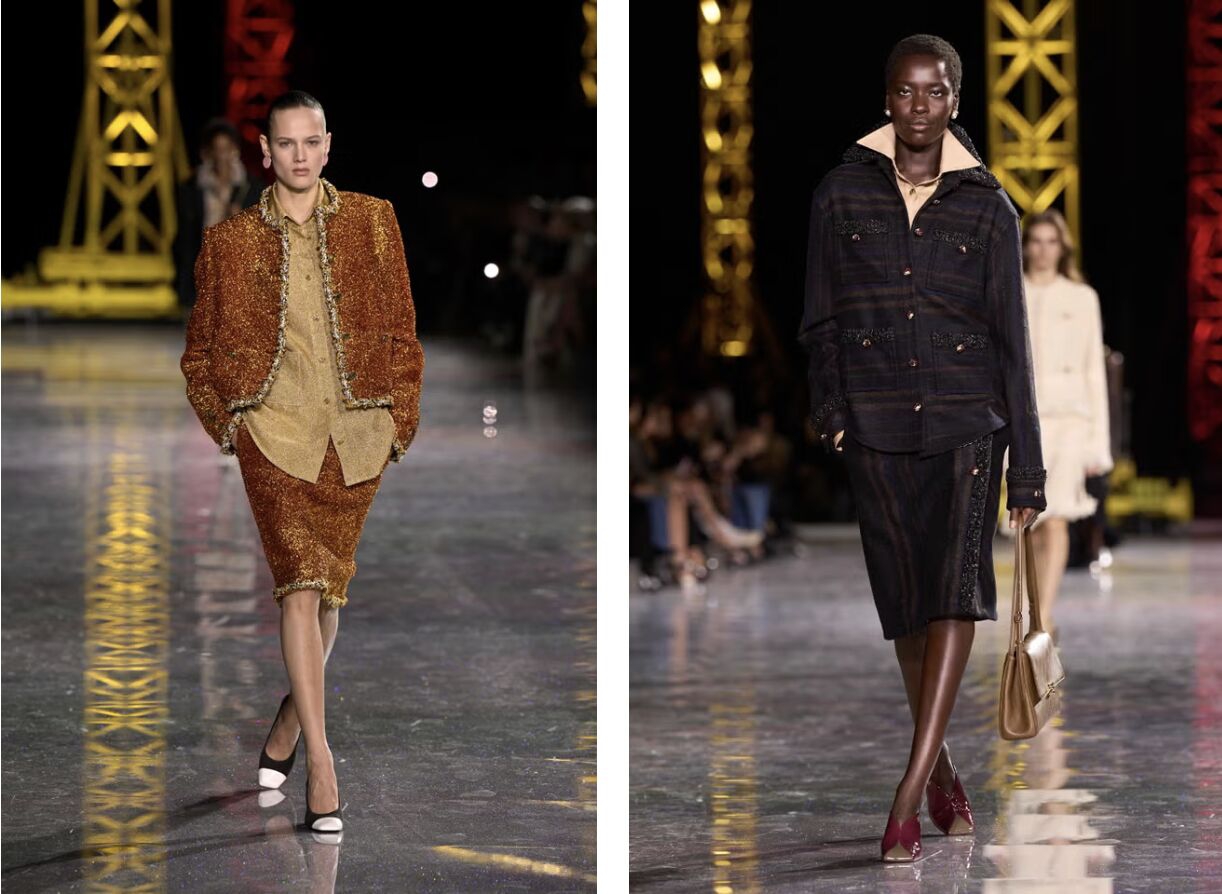
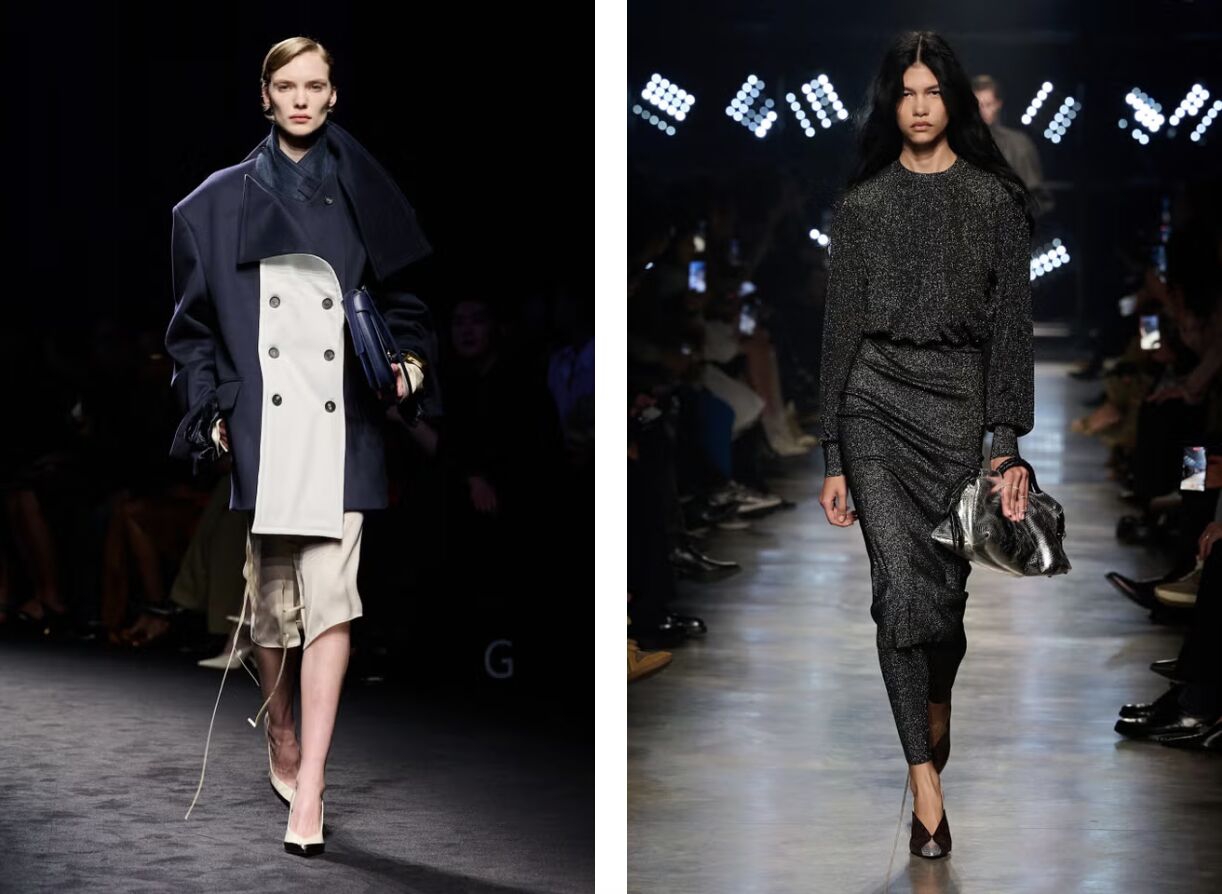
The current landscape, as observed in the Autumn 2026 runway presentations, shows that designers are no longer content with mere replication. Matthieu Blazy, currently defining a new chapter at Chanel, has begun incorporating architectural shifts, such as square-toe profiles and V-shaped vamps, which update the 1957 template for a contemporary consumer who values both heritage and avant-garde structure.
Market Analysis and Industry Responses
The persistence of the two-tone aesthetic in the current retail market is supported by robust data regarding consumer behavior. According to luxury resale and retail reports, "cap-toe" footwear consistently ranks among the top-performing search terms in the footwear category. The appeal lies in the versatility of the design; it functions as a "neutral" shoe that still provides a focal point for an outfit.
Major luxury houses have responded to this demand with varied interpretations. Maximilian Davis, at the helm of Ferragamo, has leaned into the "nautical codes" of the 1950s, utilizing the high-contrast palette to evoke a sense of heritage and precision. Conversely, labels such as Isabel Marant have pushed the design toward the expressive, utilizing textured materials like snakeskin and vibrant color blocking to appeal to a younger, trend-driven demographic.
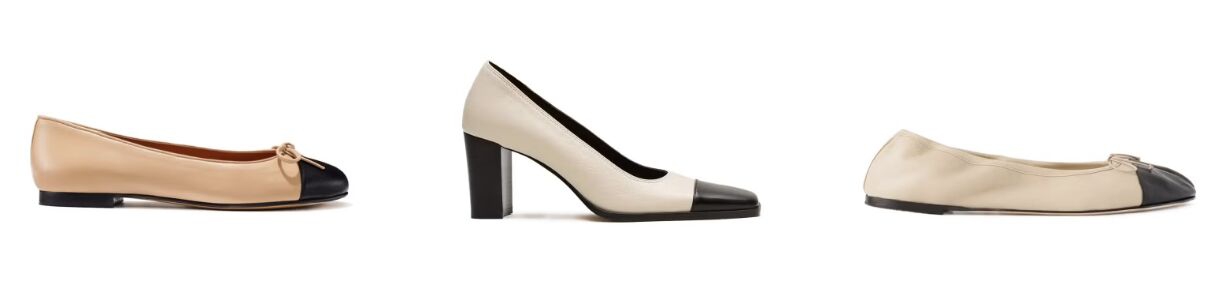
Industry analysts note that this trend is not a fleeting fad but rather a reflection of a broader shift toward "investment dressing." In an economic environment where consumers are increasingly selective, the two-tone shoe offers a "high-utility-to-cost" ratio. Unlike seasonal statement pieces that lose relevance within a quarter, the two-tone pump is viewed as a "trans-seasonal" asset.
The Global Footprint: Diversification of the Silhouette
While the slingback remains the gold standard, the design language of the two-tone aesthetic has successfully migrated to other silhouettes. The rise of the ballet flat—a staple of the 2020s—has been heavily influenced by the cap-toe trend. Brands like Margaux, Repetto, and even avant-garde labels like Maison Margiela (with the Tabi split-toe) have embraced the dual-tone motif.
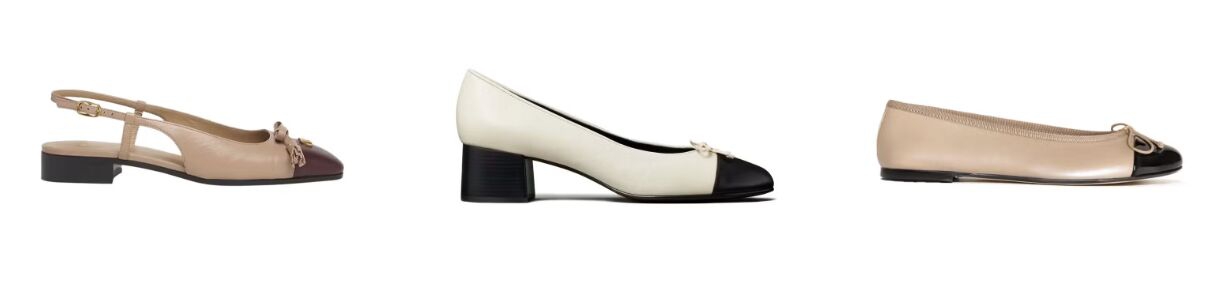
This diversification has expanded the accessibility of the look. Consumers can now choose between:
- The Professional Pump: Often characterized by a stiletto or block heel, suited for corporate environments.
- The Elevated Flat: Providing comfort without sacrificing the "put-together" appearance of a traditional heel.
- The Slingback: The bridge between the two, offering a sophisticated silhouette that works for both formal and casual settings.
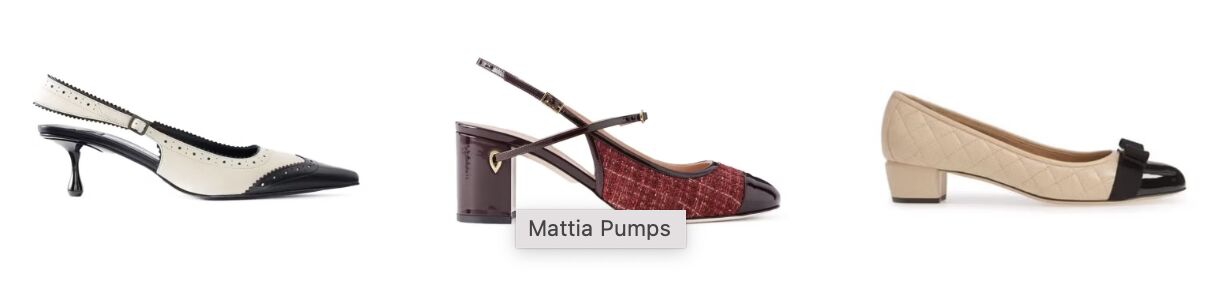
The variety of materials now being employed—ranging from traditional patent leather and suede to modern tweed and synthetic glitter—reflects the democratization of the trend. Where once the two-tone shoe was a singular status symbol, it has now become a canvas for brand identity across every price point, from high-street retailers like J.Crew to legacy fashion houses.
The Broader Impact: Why the Trend Persists
The enduring nature of the two-tone shoe provides a fascinating case study in fashion psychology. It is one of the few designs that effectively bridges the gap between different aesthetic archetypes. It is simultaneously "preppy," "minimalist," and "classic."
Furthermore, the design addresses a fundamental human desire for visual harmony. The human eye is drawn to the contrast of the cap-toe, which provides a sense of "finish" to an outfit. When a consumer puts on a pair of cap-toe pumps, the contrast creates a clear termination point for the leg, which, as Chanel understood in 1957, creates a flattering, elongated silhouette. This is not merely a matter of style, but a matter of optical proportion that remains universally appealing regardless of changes in hemlines or silhouettes.
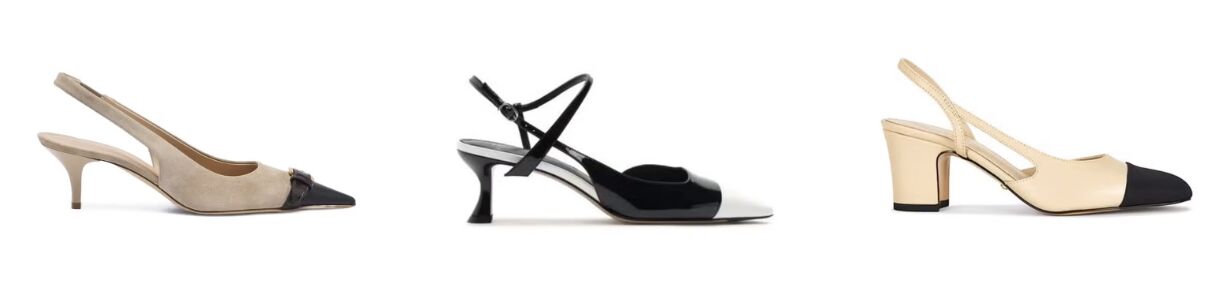
Looking Toward the Future
As we analyze the trajectory of fashion through 2026 and beyond, it is evident that the two-tone shoe will continue to hold a prominent position in both luxury and ready-to-wear markets. The ability of designers to reinterpret the shoe through new heel shapes, toe profiles, and material combinations ensures that the concept remains fresh.
For the contemporary consumer, the message is clear: investing in a two-tone shoe is not merely an acquisition of a trend, but an entry into a historical lineage of design. Whether through the refined elegance of a Jimmy Choo slingback or the playful texture of a Julie Kegels ballerina, the two-tone aesthetic remains one of the most reliable pillars of modern style. As the industry continues to move toward more sustainable and long-lasting fashion cycles, the two-tone shoe stands as a testament to the power of a design that was, and remains, ahead of its time.
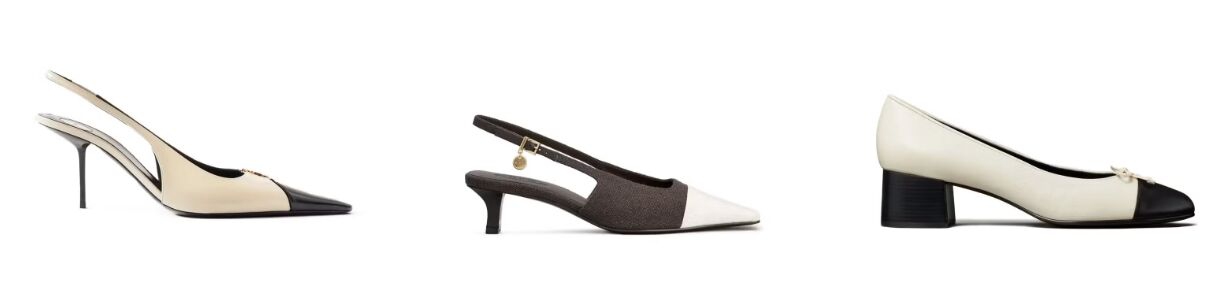
The current market offerings, spanning from Saint Laurent’s structured babylone pumps to the minimalist flats of Dear Frances, confirm that the versatility of the two-tone approach is effectively limitless. As long as there is a demand for footwear that balances visual impact with everyday comfort, the two-tone shoe will continue to be a staple of the global fashion narrative, maintaining its status as a timeless icon for years to come.