
 Lina Irawan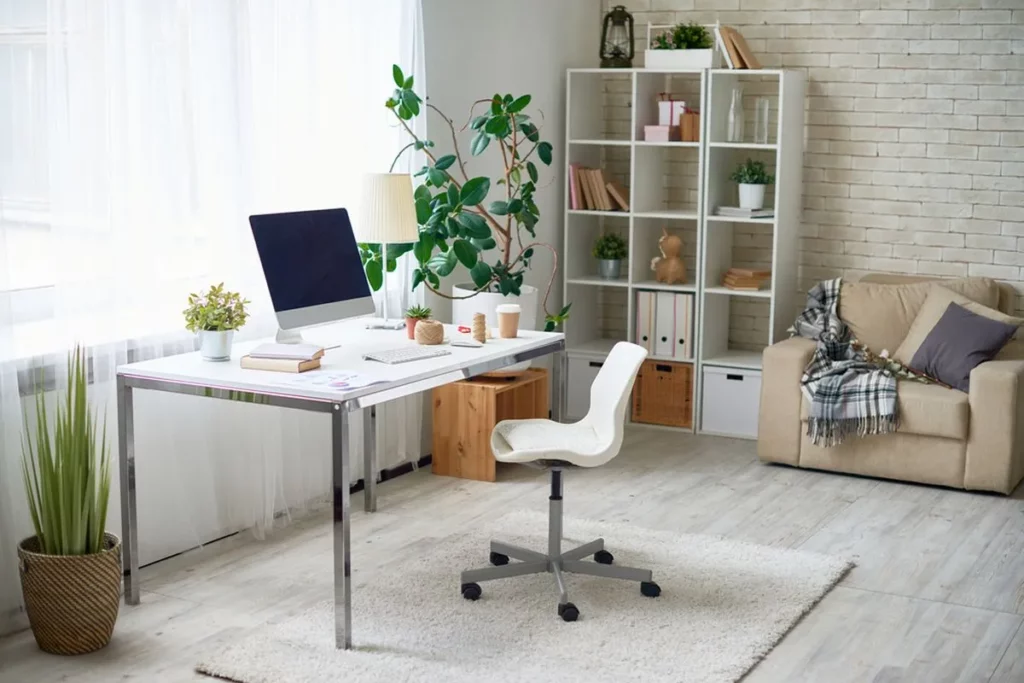
The global health crisis of several years ago irrevocably altered professional landscapes, decisively proving that remote work could match, if not exceed, the productivity levels traditionally associated with corporate offices. As of 2026, this paradigm shift has not only endured but has also matured, catalyzing profound innovations in the design and conceptualization of home workspaces. The primary focus this year extends beyond mere aesthetics, encompassing critical elements such as advanced ergonomics, sustained productivity, and a profound connection to the natural world. According to leading interior practitioners, an exemplary home office environment must be underpinned by abundant natural lighting, meticulously chosen ergonomic furniture, and a layout thoughtfully designed to foster comfort and minimize distractions. This article delves into the core inspirations, strategic arrangement tips, and inventive solutions for even the most spatially constrained areas, ensuring a comfortable and highly productive remote working experience.
The Enduring Shift: Remote Work’s New Normal
The initial, often improvised, home office setups adopted during the early stages of the pandemic have given way to sophisticated, purpose-built environments. What began as a temporary necessity has solidified into a fundamental aspect of modern work culture for a significant portion of the global workforce. Data from various industry analyses indicate that a substantial percentage of companies, estimated to be between 40-60% across diverse sectors, anticipate maintaining either fully remote or hybrid work models well beyond 2025. This enduring shift has propelled the home office from a makeshift corner to a vital, integrated component of residential architecture and interior design. The evolution reflects a broader societal acknowledgment that work-life integration, rather than strict separation, is becoming paramount, necessitating spaces that support both professional demands and personal well-being.
Pillars of 2026 Home Office Design: Ergonomics and Well-being

Central to the 2026 home office design philosophy is the unwavering commitment to ergonomics and the holistic health of the occupant. A well-designed workspace is no longer a luxury but a critical investment in spinal health, cervical alignment, visual comfort, and overall physical and mental well-being. Ergonomics specialists universally underscore that prolonged periods in inadequately configured workstations contribute significantly to musculoskeletal disorders, eye strain, and chronic fatigue, impacting long-term productivity and health.
Key ergonomic principles that demand meticulous attention include:
- Adjustable Seating: The cornerstone of an ergonomic setup is a high-quality office chair offering comprehensive adjustability. This includes seat height, depth, armrest height and swivel, lumbar support, and tilt tension. The objective is to ensure that feet are flat on the floor or a footrest, knees are at a 90-degree angle, and the back is adequately supported in its natural curve.
- Standing/Adjustable Desks: The integration of sit-stand desks has become a widely recommended practice. These desks allow users to alternate between sitting and standing positions throughout the day, mitigating the risks associated with prolonged sedentary behavior, such as poor circulation, back pain, and reduced metabolic activity. The ability to effortlessly transition between positions is crucial for maintaining energy levels and focus.
- Monitor Placement: Monitors should be positioned at arm’s length, with the top of the screen at or slightly below eye level. This minimizes neck strain and encourages a neutral head position. For dual monitor setups, proper alignment to prevent excessive head turning is essential.
- Peripheral Ergonomics: Keyboards and mice should be positioned to allow wrists to remain straight and relaxed, avoiding awkward angles. Ergonomic keyboards and vertical mice are increasingly popular choices to reduce the risk of repetitive strain injuries.
- Lighting Optimization: Beyond general room lighting, dedicated task lighting on the desk is crucial. This reduces eye strain by illuminating the immediate work area without causing glare on screens. Adjustable brightness and color temperature settings offer further customization to suit different tasks and times of day.
According to Dr. Anya Sharma, a consultant in occupational health and ergonomics, "The trend towards personalized ergonomic solutions is accelerating. It’s not just about buying an ‘ergonomic’ chair; it’s about understanding individual body mechanics and configuring the entire workstation to support optimal posture and movement throughout the workday. Employers and individuals are increasingly recognizing that this investment yields significant returns in health, comfort, and sustained productivity."
Integrating Nature: The Rise of Biophilic Workspaces
The demand for biophilic design, which integrates natural elements into the built environment, has seen an unprecedented surge in 2026. This approach acknowledges the profound psychological and physiological benefits of connecting with nature, even within an urban dwelling. Studies consistently demonstrate that exposure to natural elements can reduce stress, improve mood, enhance cognitive function, and increase overall well-being.

Elements of biophilic design in the home office include:
- Natural Materials: Utilizing wood, stone, and natural fibers for furniture, flooring, and accents. A solid wood desk, for instance, not only offers durability but also brings an organic warmth to the space.
- Abundant Greenery: Incorporating a variety of indoor plants, from small desk plants to larger potted specimens. Plants not only purify the air but also add vibrant life and visual interest. Consider low-maintenance options like snake plants, ZZ plants, or Pothos for busy professionals.
- Natural Light and Views: Maximizing access to natural light is paramount. Large windows, sheer curtains, or strategic placement of the desk to face a garden or a pleasant outdoor view can significantly enhance mood and concentration.
- Natural Textures and Patterns: Introducing textiles with natural patterns, stone accents, or even a small water feature can create a calming, sensory-rich environment.
- Aromatherapy: Diffusers with essential oils like citrus (for alertness) or peppermint (for concentration) can subtly enhance the biophilic experience, tapping into the olfactory sense to influence mood and productivity.
Architectural reviews from firms specializing in residential design indicate a 30% increase in client requests for integrated biophilic elements in home office projects compared to just two years prior, highlighting its growing importance.
Beyond Functionality: Aesthetic Versatility and Personalization
While functionality and ergonomics form the foundation, the home office in 2026 is also a canvas for personal expression and aesthetic preferences. The generic, sterile office cubicle aesthetic has been firmly rejected in favor of spaces that reflect individual personality and inspire creativity. Several distinct styles have gained prominence:
- Modern Minimalist: Characterized by clean lines, uncluttered surfaces, and a neutral color palette. This style employs sleek furniture with metallic accents, hidden storage, and diffused LED lighting to create a calm, focused environment free from visual distractions. Ideal for those who thrive in simplicity and order.
- Artistic & Expressive: This vibrant style caters to creative professionals, encouraging the display of art, motivational posters, and personal collections. Brightly colored chairs, unique lighting fixtures, and open shelving for art supplies are common. The key is to balance visual stimulation with an ergonomic setup to ensure creativity doesn’t compromise comfort.
- Classic Elegance: Evoking timeless sophistication, this style features rich, dark woods, leather seating, and traditional accents. Think solid wood desks, upholstered leather chairs, and soft-fabric lampshades. Often integrated with a personal library, it exudes an aura of warmth and intellectual gravitas, suitable for those who appreciate heritage and luxury.
- Industrial Chic: Embracing raw materials like exposed brick, concrete, metal, and reclaimed wood. This style often features industrial-style pendant lighting, metal shelving, and minimalist furniture. To counteract potential harshness, incorporating greenery and comfortable ergonomic seating is vital to maintain comfort and prevent the space from feeling cold.
- Resort & Relaxation: Inspired by high-end spas and luxury resorts, this style emphasizes comfort, soothing colors, and sensory details. Pastel palettes, plush ergonomic chairs, soft rugs, and aromatherapy create a tranquil atmosphere conducive to focused yet relaxed work. A vision board or whiteboard can be integrated subtly to maintain professional function.
"The psychological impact of working in a space that genuinely reflects your personality and tastes cannot be overstated," notes Maya Chen, a renowned interior designer. "It transforms a mere workspace into a sanctuary, fostering a deeper sense of ownership and intrinsic motivation."

Optimizing Space: Solutions for Compact Living
The reality for many remote workers is the absence of a dedicated room. In apartments or smaller homes, intelligent space utilization is paramount. Design experts emphasize that previously overlooked nooks and crannies can be transformed into highly productive workstations.
Innovative solutions for maximizing space include:
- Nook and Alcove Offices: Utilizing recessed areas, unused closets (with doors removed or bi-fold options), or even deep shelves transformed into a compact desk. These areas offer a sense of enclosure and separation without requiring an entire room.
- Wall-Mounted Desks and Shelving: Floating desks or shelves that fold away when not in use are perfect for small spaces, preserving floor area. Vertical shelving above the desk maximizes storage without encroaching on the workspace.
- Mezzanine Levels: For homes with high ceilings, a mezzanine can be an ingenious way to create an entirely separate, elevated workspace, offering both physical and psychological separation from the main living areas.
- Under-Stair Workstations: The often-neglected space beneath staircases can be customized with built-in desks, shelving, and lighting, transforming a dead zone into a functional office.
- Multifunctional Furniture: The integration of furniture that serves dual purposes is crucial. This includes sofa beds that convert from a seating area to a sleeping space, or modular units that combine storage with a pull-out desk. Chairs that can be easily tucked away or serve as occasional seating in another room also contribute to spatial efficiency. Lockable cabinets or drawers are essential for maintaining privacy and securing sensitive documents, especially in shared living environments.
"The challenge in compact living is not about fitting more things, but about making existing things work harder and smarter," explains Mr. Budi Santoso, an urban living design consultant. "Smart, modular, and collapsible furniture is no longer a niche market; it’s a mainstream necessity for urban dwellers."
The Science of Productivity: Lighting and Color Psychology

Research consistently demonstrates that environmental factors such as lighting and color profoundly influence mood, energy levels, and cognitive performance. Thoughtful application of these elements is therefore a critical component of effective home office design in 2026.
-
Lighting Strategy:
- Natural Light: Prioritizing natural daylight is paramount. Positioning the desk near a window allows for maximum exposure, boosting mood and regulating circadian rhythms. To manage glare and excessive heat, use sheer blinds or adjustable louvers that diffuse sunlight while maintaining brightness.
- Layered Artificial Lighting: A multi-layered lighting approach is ideal.
- Ambient Lighting: General overhead lighting (ceiling fixtures, recessed lights) provides overall illumination.
- Task Lighting: A dedicated desk lamp is indispensable for direct illumination of the work surface, reducing eye strain during reading or detailed tasks. Dimmable options and adjustable heads are highly recommended.
- Accent Lighting: Decorative lamps or LED strips under shelves can add depth and warmth to the space, enhancing the overall aesthetic without being distracting.
- Color Temperature: For productive work, cooler white light (4000K-5000K) is often preferred as it mimics natural daylight and promotes alertness. However, for evening work or tasks requiring relaxation, warmer light (2700K-3000K) can be beneficial. Smart lighting systems with adjustable color temperature are increasingly popular, allowing users to tailor their environment throughout the day.
-
Color Psychology:
- Neutrals (White, Cream, Pastel): These colors create a sense of spaciousness and calm, serving as an excellent backdrop for focus. They also allow other design elements to stand out without overwhelming the space.
- Blues and Greens: Known for their calming and stress-reducing properties, light shades of blue or green can enhance concentration and foster a sense of tranquility, making them ideal for high-pressure tasks.
- Yellows and Oranges (Accents): While full walls of bright yellow or orange might be too stimulating, judicious accents can inject energy and creativity. A yellow desk accessory or an orange throw pillow can provide a subtle, uplifting boost.
- Greys: Versatile and modern, grey can be soothing and sophisticated. Paired with natural textures and warmer accents, it creates a balanced, professional environment.
"The right combination of light and color can significantly impact a person’s cognitive load and emotional state," states Dr. Lena Persson, an environmental psychologist. "A well-lit, thoughtfully colored space can be a powerful tool against work-from-home burnout."
Technological Integration and Connectivity

Beyond the physical aesthetics, the 2026 home office is deeply intertwined with seamless technological integration. Reliable connectivity and smart device management are fundamental to sustained productivity.
- Robust Network Infrastructure: High-speed internet is a given, but a strong Wi-Fi signal throughout the workspace, potentially supported by mesh Wi-Fi systems or wired Ethernet connections for critical devices, ensures uninterrupted workflow.
- Integrated Charging Solutions: Desks with built-in wireless charging pads and discreet USB ports eliminate cable clutter and ensure devices are always powered.
- Smart Home Integration: Smart lighting systems, climate control (smart thermostats), and even smart blinds can be programmed to optimize the work environment based on schedules, external conditions, or voice commands, enhancing comfort and efficiency.
- Cable Management: Effective cable management solutions are crucial for maintaining a clean, uncluttered workspace. This includes cable trays under desks, cable sleeves, and grommets to route wires discreetly, reducing visual noise and potential tripping hazards.
- High-Quality Peripherals: Investment in high-resolution monitors, noise-cancelling headphones, and quality webcams is essential for effective virtual collaboration, minimizing distractions and enhancing communication clarity.
Economic and Societal Implications
The sustained evolution of home office design carries significant implications across various sectors:
- Real Estate Market: The demand for homes with dedicated office spaces or adaptable layouts is increasing. Real estate agents report a noticeable premium on properties featuring well-appointed, flexible work zones, influencing purchasing decisions and property valuations. This also fuels innovation in residential development, with more floor plans incorporating explicit "flex rooms" or designated office nooks.
- Furniture and Design Industry: Manufacturers are responding with innovative, modular, and ergonomic furniture lines tailored for home use. The emphasis is on versatility, space-saving designs, and aesthetic appeal that blends with residential decor rather than mimicking corporate office furniture. The market for smart home office accessories, from advanced lighting to cable management solutions, is also booming.
- Mental Health and Work-Life Balance: A thoughtfully designed home office can serve as a psychological boundary between work and personal life, a challenge frequently cited by remote workers. A dedicated, well-organized space helps in creating a routine and mentally ‘switching off’ after work hours, potentially mitigating burnout and enhancing overall mental well-being. Conversely, a poorly designed space can blur these lines, leading to increased stress.
- Urban and Suburban Development: The permanence of remote work could continue to influence migration patterns, with some workers opting for suburban or rural areas offering more space for dedicated home offices and a higher quality of life, potentially leading to a decentralization of urban populations.
In conclusion, the home office of 2026 is a testament to resilience and innovation, born from necessity but refined by evolving needs and technological advancements. Its design is a sophisticated blend of ergonomics, biophilia, and personalized aesthetics, meticulously crafted to support both professional output and personal well-being. Whether embracing minimalist simplicity, industrial edge, or resort-like tranquility, the overarching principle remains clear: optimal productivity is inextricably linked to comfort and a deep sense of personal connection to one’s workspace. As remote and hybrid work models continue to embed themselves in the global economy, the home office will undoubtedly remain a dynamic frontier of design, continuously adapting to foster creativity, efficiency, and a harmonious balance of life and work.








