Lusiana Hamidun
The U.S. sunscreen industry is on the cusp of a significant transformation following the U.S. Food and Drug Administration’s (FDA) recent approval of new sunscreen ingredients. For decades, American consumers have contended with sunscreen formulations often perceived as less effective and less cosmetically elegant than those available internationally, particularly from regions like France and South Korea. This disparity was largely attributed to a limited palette of FDA-approved UV filters. The long-awaited clearance of novel ingredients, after a 25-year hiatus, signals a crucial step towards aligning U.S. sun protection products with global quality standards, potentially ushering in a new generation of sunscreens that offer enhanced efficacy and improved user experience.
This regulatory milestone arrives at a time when beauty brands are expected to begin integrating these new filters, such as bemotrizinol, into their product lines. While consumers and industry insiders anticipate these advancements, many beauty editors and skincare enthusiasts have long cultivated their own strategies for achieving optimal sun protection. A notable, albeit complex, approach gaining traction involves the thoughtful layering, or "cocktailing," of multiple sunscreen products. However, this practice, while seemingly intuitive for achieving a personalized ideal formula, requires careful consideration and adherence to expert guidance to ensure safety and efficacy.
The notion of becoming a "sunscreen mixologist" resonates with those who find single-product solutions inadequate for their specific needs. The desire to combine the benefits of different formulations—perhaps the broad-spectrum coverage of one with the aesthetic finish of another—is understandable. Yet, dermatologists and cosmetic chemists universally caution against the simplistic act of mixing sunscreens in the same way one might blend lotions. This is not akin to creating a DIY skincare concoction, which is strongly discouraged by all credible skin health professionals. The science behind sunscreen formulation is intricate, and haphazardly combining products can lead to unintended consequences that compromise the very protection one seeks.
The Science Behind Sunscreen Formulation and the Risks of Mixing
"Sunscreen formulas are meticulously developed and rigorously tested, meaning that mixing them can lead to unexpected interactions," explains Dr. Dendy Engelman, a board-certified cosmetic dermatologist and Mohs surgeon at Shafer Clinic in New York City. "For instance, certain mineral and chemical active ingredients can negate each other’s effectiveness when combined. Furthermore, if sunscreens with different SPF levels are blended, we lose certainty about the resulting level of protection, thereby increasing the risk of skin damage from sun exposure."
The potential for reduced efficacy stems from the chemical and physical interactions that can occur between the active sunscreen filters and other ingredients within the formulations. Mineral sunscreens, which primarily rely on zinc oxide and titanium dioxide, create a physical barrier on the skin. Chemical sunscreens, on the other hand, absorb UV rays and convert them into heat. When these different types of filters are combined, or when filters with similar mechanisms of action are mixed, the delicate balance of the formulation can be disrupted. This disruption can lead to a phenomenon known as "filter breakdown," where the individual filters may degrade or become less stable, ultimately diminishing their ability to provide the stated level of sun protection.
Moreover, the SPF (Sun Protection Factor) value is not simply additive. Doubling the amount of sunscreen or mixing two SPFs does not necessarily double the protection or yield a higher, predictable SPF. The FDA’s testing protocols are designed to measure the protection offered by a single, well-formulated product. When formulations are mixed, the precise SPF of the resulting mixture becomes unknown, creating a significant risk of inadequate protection. This uncertainty can lead to overconfidence in sun protection, resulting in increased UV exposure and a higher likelihood of sunburn, premature aging, and an elevated risk of skin cancer.
Expert-Recommended Layering Techniques for Enhanced Sun Protection
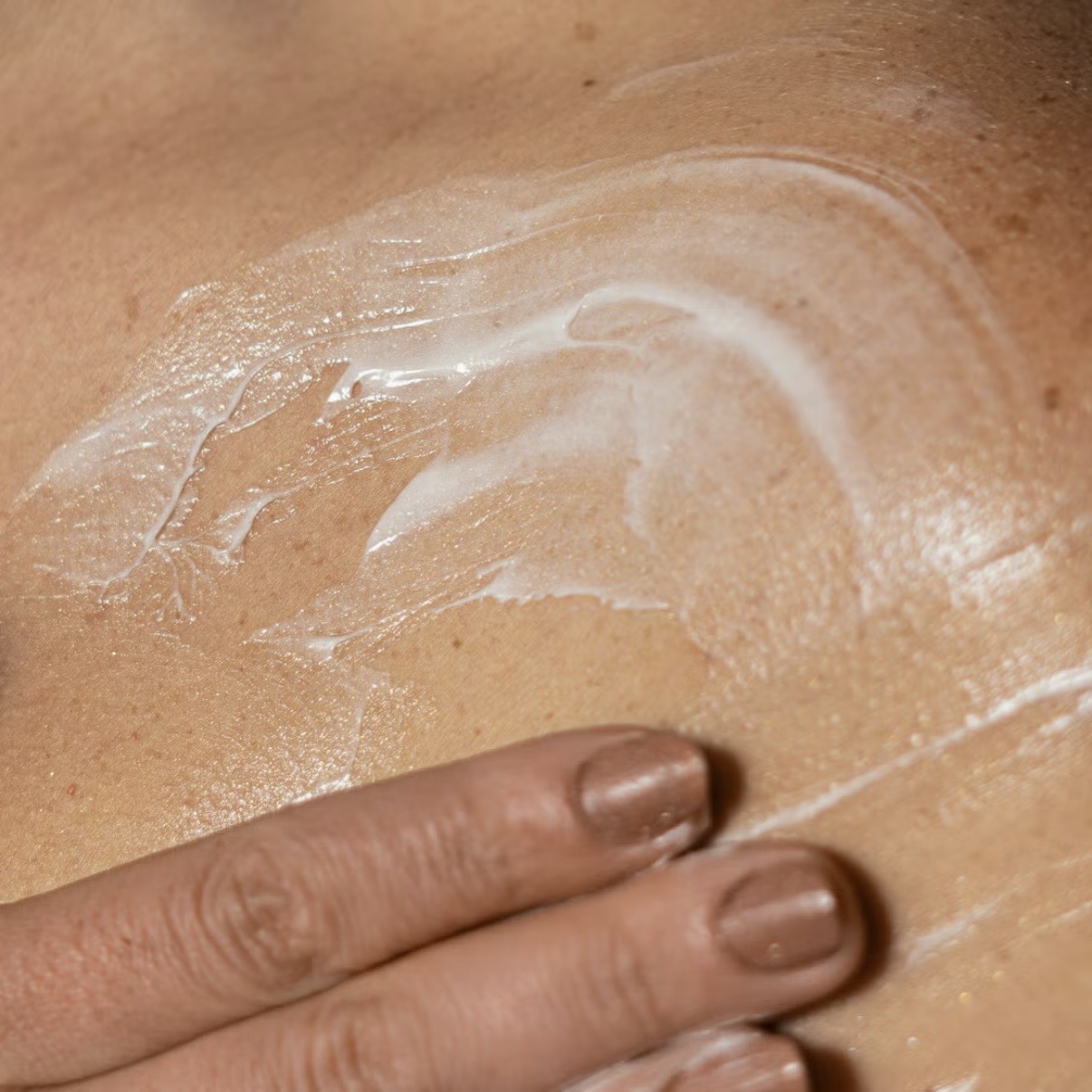
Despite the inherent risks associated with physically mixing sunscreens, the goal of achieving personalized and robust sun protection is not entirely unattainable. Dr. Engelman clarifies that while combining formulas directly is ill-advised, layering them strategically can offer a more tailored and effective solution without compromising protection. "Apply one formula first, allow it to absorb fully for about 15 minutes, then proceed with the next formula and let it absorb well before adding another product," she advises. "This method helps prevent unwanted interactions between ingredients or formulas while providing consistent and predictable protection."
This expert-endorsed layering technique mimics the principles of a well-structured skincare routine, where products are applied in order of their viscosity and absorption rate. The general rule of thumb is to start with the lightest textures and progress to the richest. This allows each layer to penetrate the skin effectively before the next is applied, minimizing the chance of pilling or dilution of active ingredients.
A Strategic Approach to Sunscreen Layering: Texture and Finish Considerations
For individuals seeking to enhance their sun protection through layering, Bazaar’s editorial team has developed a personalized strategy that prioritizes both efficacy and cosmetic appeal. This approach involves selecting sunscreens with complementary properties to address various needs, such as texture, finish, and specific concerns.
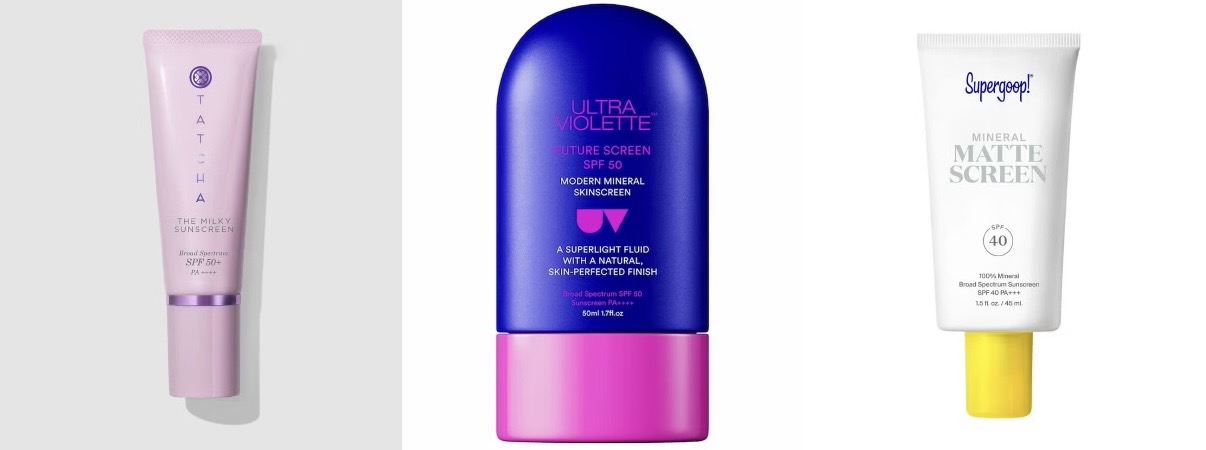
The layering process typically begins with a lightweight, fluid formula. Products like Tatcha The Milky Sunscreen SPF 50 or Ultra Violette Future Screen SPF 50 are excellent starting points due to their sheer texture and ease of application. These initial layers provide a foundational broad-spectrum defense without feeling heavy on the skin.
Following the application of a fluid sunscreen, the next step often involves incorporating a formula that offers a richer feel or a desirable aesthetic effect, such as a subtle glow. Sunscreens like YSE Beauty Skin Glow SPF 30 Primer or InnBeauty Project Mineral Sun Glow Broad Spectrum Sunscreen SPF 43 PA+++ with Peptides fall into this category. These products can enhance the skin’s radiance and provide a smooth canvas for makeup, while simultaneously boosting the overall UV protection.
For those concerned with managing shine, particularly in the T-zone, a final layer of a matte-finish sunscreen or a powder sunscreen can be beneficial. Supergoop! Mineral Matte Screen SPF 40 is a popular choice for its ability to absorb excess oil and provide a velvety finish. Alternatively, a sunscreen powder like iS Clinical PerfecTint Powder SPF 40 can be strategically applied throughout the day to touch up protection and control shine without disturbing makeup. This multi-layered approach ensures comprehensive coverage and addresses individual skin needs, from hydration and glow to oil control.
The Evolving Landscape of U.S. Sunscreen Regulations
The recent FDA approval of new sunscreen ingredients is a landmark event with significant implications for public health and the beauty industry. For decades, the U.S. regulatory framework for sunscreen ingredients has lagged behind other global markets. While the European Union and countries like Japan and South Korea have approved a wider array of UV filters, the FDA’s approval process for these ingredients has been notoriously slow.
The previous regulatory landscape meant that many of the most advanced and cosmetically pleasing sunscreen filters available internationally were not permitted for use in the United States. This often resulted in American sunscreens relying on a smaller selection of filters, which could lead to less elegant formulations—sometimes described as greasy, chalky, or difficult to blend. The new approvals, including ingredients like bemotrizinol (also known as Tinosorb S) and bimetrizole triazine (also known as Tinosorb M), are expected to change this dynamic. These filters offer high efficacy, broad-spectrum protection, and good photostability, meaning they remain effective under sunlight.
The timeline for these advancements can be traced back to legislative changes. The CARES Act, passed in March 2020, included provisions aimed at modernizing the FDA’s approach to sunscreen regulation. This legislation established a new pathway for approving over-the-counter (OTC) sunscreen active ingredients, which was designed to accelerate the review process and bring new options to consumers more quickly. The recent approvals are a direct result of this legislative reform.
Broader Implications and Consumer Impact
The introduction of these new sunscreen filters has the potential to revolutionize the U.S. sunscreen market. Consumers can anticipate a wider variety of products that are not only more effective but also more enjoyable to use. This improved user experience is critical, as it is directly linked to consistent and correct application. When sunscreens feel good on the skin, are non-greasy, and blend seamlessly, individuals are more likely to incorporate them into their daily routines.
Furthermore, the enhanced protection offered by these new filters could contribute to a reduction in the incidence of skin cancer, including melanoma, which is one of the most common and deadliest forms of cancer. According to the American Academy of Dermatology, skin cancer is the most common cancer in the United States, with an estimated 1 in 5 Americans developing skin cancer in their lifetime. Consistent and effective sun protection is a cornerstone of skin cancer prevention.
The cosmetic industry is expected to respond swiftly to these regulatory changes. Brands are likely to invest in research and development to create innovative formulations that leverage the new ingredients. This could lead to a surge in new product launches, offering consumers more choices than ever before.
However, as the industry embraces these advancements, the importance of proper application remains paramount. Even the most advanced sunscreen formula will be ineffective if not used correctly. The expert advice on layering, rather than mixing, sunscreens provides a practical framework for consumers to maximize their protection. It emphasizes that understanding product formulations and following recommended application techniques are as crucial as the ingredients themselves.
Expert Opinions and Future Outlook
Dermatologists and skincare experts are optimistic about the future of sun protection in the U.S. The FDA’s move is seen as a long-overdue step that will bring American consumers closer to the high standards of sun protection available globally.
"This is a significant win for public health," stated Dr. Engelman. "Having access to a broader range of UV filters will allow for the development of sunscreens that offer superior protection and are more appealing to consumers. We anticipate seeing products that are lighter, more effective, and better suited for various skin types and concerns."
The trend towards more sophisticated sunscreen formulations is also reflected in the increasing integration of skincare benefits within sun protection products. Many new sunscreens now offer moisturizing properties, antioxidant protection, and skin-brightening ingredients, transforming them from mere protective barriers into multi-tasking skincare essentials.
Looking ahead, the continued evolution of sunscreen technology, coupled with increased consumer awareness and adherence to expert advice on application, will be key to further reducing the burden of sun-related skin damage and skin cancer. The recent FDA approvals represent a pivotal moment, signaling a new era of robust and enjoyable sun protection for all.
Bazaar’s Recommended Sunscreen Favorites for Year-Round Protection
While the industry adapts to new regulations, Bazaar continues to champion the importance of consistent sun protection. Sunscreen is not merely a summer essential; it is a critical component of any year-round skincare regimen. The following are a selection of Bazaar’s favorite sunscreens, chosen for their efficacy, texture, and finish, offering excellent options for layering or standalone use.
Featured Sunscreens:
- Tatcha The Milky Sunscreen SPF 50: A lightweight, fluid formula that provides broad-spectrum protection without a heavy feel. Its sheer finish makes it ideal for layering.
- Ultra Violette Future Screen SPF 50: This Australian brand is renowned for its sophisticated sunscreens. Future Screen offers excellent protection and a comfortable, non-greasy finish.
- Supergoop! Mineral Matte Screen SPF 40: Perfect for those with oily or combination skin, this mineral sunscreen provides a matte finish, helping to control shine and serving as an excellent primer for makeup.
- INNbeauty Project Mineral Sun Glow Broad Spectrum Sunscreen SPF 43 PA+++ with Peptides: This option combines mineral sun protection with skin-loving peptides and a subtle glow, making it a multi-functional product.
- Good Weather Skin The One Daily Sun Cream in Warm Glow SPF 30: A tinted option that offers a natural, warm glow, suitable for those seeking a subtle enhancement to their complexion while protecting their skin.
- YSE Beauty Skin Glow SPF 30 Primer: This product functions as both a primer and a sunscreen, offering a luminous finish and preparing the skin for makeup application.
These selections represent a range of formulations designed to meet diverse needs, underscoring the principle that finding the right sunscreen—and using it correctly—is fundamental to maintaining healthy skin.