
 Lina Irawan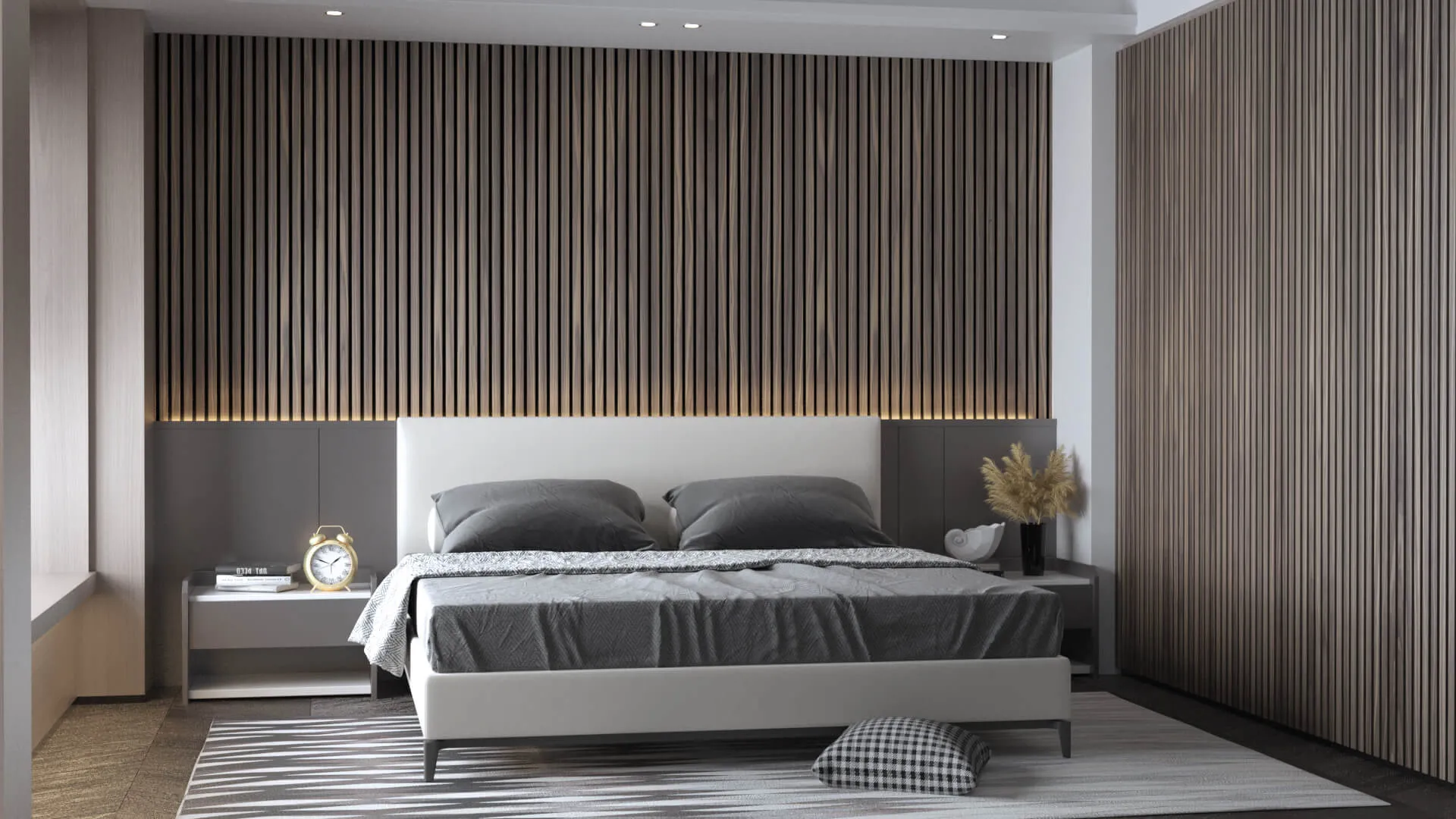
The allure of Polyvinyl Chloride (PVC) wall panels for bedroom renovations is undeniable: a swift installation process, an aesthetically pleasing finish, and a budget-friendly price point. However, beneath this veneer of convenience and style lies a profound and often overlooked health hazard, particularly for the most intimate and crucial space in any home – the bedroom. This seemingly innocuous choice, driven by immediate visual appeal and cost-effectiveness, carries substantial long-term risks for respiratory health and overall well-being.
The bedroom serves as a vital sanctuary for rest and cellular recovery, a space where individuals spend a minimum of eight hours each night, inhaling the same enclosed air. Consequently, the evaluation of interior materials must extend far beyond mere metrics of "cheap and fast." From a medical perspective and through the lens of Indoor Air Quality (IAQ) parameters, encasing a sleeping environment with synthetic polymers like PVC is increasingly being recognized by health and building science experts as a significant misstep, or even a critical blunder.
The Aesthetic Illusion Versus Building Physics Reality: Unpacking the Dangers of PVC
The widespread adoption of polymer-based panels often stems from a compelling visual illusion. The dry-fit installation process, requiring no messy cement, promises to transform flawed walls into pristine surfaces almost instantaneously. Yet, this rapid transformation frequently overshadows a fundamental understanding of "building physics"—the natural mechanisms inherent to architectural structures. Conventional brick or concrete walls possess inherent permeability, allowing them to "breathe" and naturally regulate indoor humidity levels and air circulation. When rigid PVC sheets are affixed absolutely over these natural surfaces, this essential physiological mechanism of the building is effectively stifled. This disruption is the core of the problem, transforming what appears to be a cosmetic upgrade into a potentially toxic artificial ecosystem within the home.
The journey towards modern, synthetic building materials gained significant momentum in the post-World War II era, driven by innovation, mass production capabilities, and the desire for faster, cheaper construction. PVC, with its versatility and durability, quickly became a staple in various applications, from piping to flooring and, eventually, interior wall finishes. Initially lauded for its practical advantages, the long-term health and environmental implications of PVC and other synthetic polymers were not fully understood or prioritized. Over the past few decades, however, as indoor environments have become increasingly sealed for energy efficiency, and scientific understanding of air quality has advanced, the hidden drawbacks of materials like PVC have come into sharper focus. This shift in understanding has prompted medical professionals, environmental scientists, and building experts to issue warnings, particularly regarding spaces like bedrooms where prolonged exposure occurs. The following sections delve into seven critical medical and scientific reasons why PVC panels pose a serious threat to bedroom health.
1. Persistent Emission of Carcinogenic Volatile Organic Compounds (VOCs)
One of the most concerning aspects of PVC wall panels is their continuous emission of Volatile Organic Compounds (VOCs). Both the virgin PVC material itself and the industrial-grade adhesives often used for installation (such as polyurethane-based glues) are significant sources of these airborne chemicals. VOCs are organic chemicals that have a high vapor pressure at room temperature, causing them to "off-gas" into the ambient air. Common VOCs found in PVC products can include phthalates (used as plasticizers), formaldehyde, benzene, and toluene, among others. This "outgassing" process saturates the bedroom air with chemical particles that, when inhaled over extended periods, pose a substantial risk of cellular damage.

The World Health Organization (WHO) and environmental agencies globally classify many VOCs as irritants, allergens, and even carcinogens. Exposure can lead to immediate symptoms such as headaches, dizziness, nausea, and irritation of the eyes, nose, and throat. Chronic exposure, especially in a confined space like a bedroom, is linked to more severe long-term health issues, including respiratory problems, liver and kidney damage, central nervous system damage, and an increased risk of various cancers. For instance, some phthalates have been identified as endocrine disruptors, potentially affecting hormonal balance and reproductive health. The constant, low-level release of these compounds creates an insidious chemical cocktail that individuals unknowingly inhale throughout their sleep cycle.
2. Creation of a Fatal Fungal Incubator
Traditional, permeable wall materials like brick or plaster naturally allow for moisture exchange, preventing the buildup of dampness. Sealing these walls absolutely with impermeable PVC sheets traps moisture against the structural surface, eliminating any pathway for evaporation. This creates a dark, stagnant, and perpetually damp microenvironment directly behind the PVC panels—conditions ideal for the proliferation of toxic black mold, Stachybotrys chartarum, and other hazardous fungal spores.
Stachybotrys chartarum is particularly dangerous due to its production of mycotoxins, which are potent toxic compounds. Exposure to these spores, even if not directly visible, can occur through microscopic particles that seep through panel seams or are released into the air. The health consequences are severe, ranging from chronic respiratory infections, asthma exacerbation, and allergic reactions to more serious conditions like pulmonary hemorrhage (especially in infants), neurological problems, fatigue, and impaired immune function. The hidden nature of this mold growth means homeowners often remain unaware of the problem until health symptoms manifest, or extensive damage becomes visible, making early detection and remediation extremely challenging and costly.
3. Inducement of Room Asphyxia and Natural Oxygen Depletion
Installing PVC panels effectively wraps a bedroom in a gigantic, airtight plastic bag. This dramatically halts the natural moisture equilibrium and micro-air exchange that occurs through conventional building structures. The walls, in essence, experience "asphyxia" or a "failure to breathe." This phenomenon leads to a significant decrease in micro-ventilation within the room, resulting in stagnant, stuffy air and a measurable decline in the quality of oxygen available for respiration during sleep.
Human respiration continuously consumes oxygen and releases carbon dioxide. In a poorly ventilated, sealed environment, CO2 levels can rise, and oxygen levels can subtly decrease. While not immediately life-threatening in most residential settings, chronic exposure to elevated CO2 and reduced oxygen can lead to poor sleep quality, daytime fatigue, difficulty concentrating, and a general feeling of malaise. The body’s restorative processes are compromised when the air quality is suboptimal, turning the intended sanctuary into an environment that actively hinders recovery.
4. Air Intoxication Leading to Morning Headaches and Discomfort

A common complaint among individuals sleeping in rooms with poor IAQ is waking up with headaches, a dry throat, or persistent nasal congestion. This is often a direct consequence of air intoxication. The distinctive chemical odor of plasticizers, particularly phthalates, continuously off-gases from PVC materials. In a sealed bedroom, this chemical aroma becomes trapped and is relentlessly recirculated, especially by air conditioning systems. Counterintuitively, the cooling effect of AC can exacerbate the problem by creating a more stable, enclosed environment where these compounds accumulate, increasing the respiratory system’s exposure to concentrated chemical particles.
The symptoms experienced are a clear indication that the body is reacting to an unhealthy indoor environment. These acute reactions are the early warning signs of chronic exposure, suggesting that the body is under stress even during periods meant for rest and recuperation. The constant presence of these irritants can also lead to chronic inflammation of the respiratory passages, making individuals more susceptible to infections and other lung conditions.
5. Disruption of Deep Sleep Cycles through Acoustic Distortion
The impact of PVC panels extends beyond chemical and biological hazards to affect neurological health, specifically the quality of sleep. The hard, non-porous surface of polymer PVC is highly reflective of sound waves, contrasting sharply with the more absorbent qualities of traditional plaster or textured wall finishes. This aggressive sound reflection creates an acoustic phenomenon known as "flutter echo"—a rapid succession of distinct echoes caused by sound waves bouncing between parallel reflective surfaces. The resulting sharp, piercing auditory effect, even if subtle, can be subconsciously stressful.
This reduction in acoustic quality silently triggers sensory stress on the brain, significantly hindering the body’s ability to achieve and maintain the crucial deep sleep phase. Deep sleep is essential for physical restoration, memory consolidation, and hormonal regulation. Constant, albeit subtle, auditory disruption can keep the brain in a state of heightened arousal, preventing the necessary relaxation required for restorative sleep. Over time, chronic sleep deprivation or poor sleep quality can contribute to a range of health issues, including impaired cognitive function, mood disorders, weakened immune response, and an increased risk of cardiovascular disease.
6. Exacerbation of Asthma and Respiratory Allergies
For vulnerable populations, including infants, young children, and individuals with a clinical history of asthma or severe respiratory allergies, PVC panels represent a direct and potent threat. The combination of micro-dust accumulation, mold spores seeping from panel gaps, and the ongoing emission of chemical gases (VOCs) creates a hazardous environment. These factors act as direct triggers, capable of inducing acute asthma attacks or severe allergic respiratory reactions.
Children are particularly susceptible due to their developing respiratory systems, higher breathing rates relative to their body size, and closer proximity to floor-level contaminants. The enclosed nature of a PVC-paneled room concentrates these triggers, leading to chronic inflammation of the airways, increased mucus production, and heightened bronchial hyper-responsiveness. This constant exposure can transform a mild condition into a severe, frequently debilitating health issue, requiring ongoing medical intervention and significantly impacting quality of life.

7. Accelerated Chemical Release Due to Thermal Radiation and Degradation
Bedrooms featuring windows that receive direct sunlight exposure are at an even higher risk. The constant radiation of UV light and heat directly impacts the surface of PVC panels. PVC is known for its relatively high thermal expansion coefficient. When exposed to extreme heat from sunlight and subsequently cooled by air conditioning, this repeated cycle of expansion and contraction gradually degrades the polymer’s integrity.
This thermal stress accelerates the breakdown of the PVC material, leading to an increased and more rapid release of plasticizers (like phthalates) and other chemical additives into the ambient air. Over time, the material can become brittle, discolored, and more prone to off-gassing its constituent chemicals. This chemical leaching, amplified by environmental factors, means that the panel’s toxicity actually increases over its lifespan, continuously introducing more harmful particles into the bedroom environment. Studies on plastic degradation highlight that these processes can also contribute to the generation of microplastic particles, which are another emerging health concern if inhaled.
Conclusion: Prioritizing "Breathable" Materials for Health and Well-being
From the combined perspectives of medical science and architectural health, it is strongly advised to eliminate the use of pure PVC panels in primary bedrooms, and especially in children’s rooms. The perceived benefits of quick installation and immediate aesthetics are vastly outweighed by the profound and insidious health risks they present.
Instead, a judicious selection of conventional, "breathable" materials that are medically certified as safe is paramount. Recommended alternatives include precisely plastered walls finished with certified Zero-VOC emulsion paints. These paints, often carrying certifications like Greenguard or LEED, minimize chemical emissions. Another excellent option is non-woven wallpaper, which allows walls to breathe, is typically free of PVC, and often uses water-based, low-VOC adhesives. For those seeking textured or natural finishes, untreated wood panels or panels finished with low-VOC sealants are also viable.
While the installation processes for these healthier alternatives may require more time and perhaps a slightly higher initial investment, this decision represents a crucial long-term investment in a non-carcinogenic, toxin-free living space. Opting for materials that support healthy oxygen circulation and genuinely contribute to restful, restorative sleep is not merely a design choice but a fundamental commitment to the health and well-being of the occupants. The bedroom, truly, should be a sanctuary for health, not a silent source of environmental pollutants.








