Nila Kartika Wati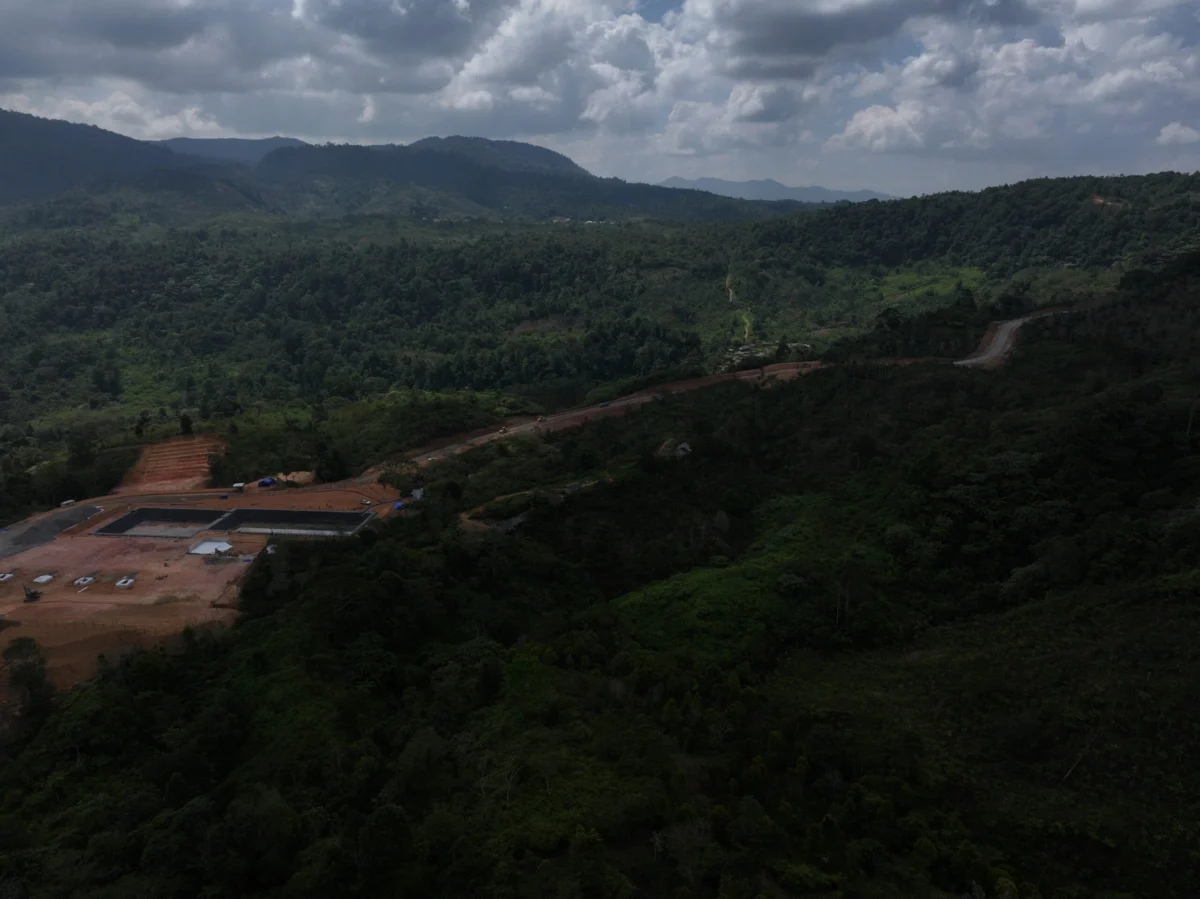
The expansion of geothermal energy projects within Indonesia’s protected conservation areas has ignited a fierce debate regarding the true cost of the nation’s transition to renewable energy. Recent investigative findings by a collaborative team of journalists have uncovered the construction of significant industrial infrastructure—including a 16-kilometer road and extensive pond systems—deep within the pristine wilderness of the Bukit Barisan Selatan National Park (TNBBS) in Lampung. This development, permitted under the newly enacted Law No. 32 of 2024 concerning the Conservation of Living Natural Resources and Ecosystems, raises critical questions about whether the pursuit of “clean” energy is coming at the expense of one of the world’s most vital tropical rainforests.
The Landscape of Concern
Taman Nasional Bukit Barisan Selatan is not merely a local forest reserve; it is a UNESCO World Heritage site and a crucial component of the Tropical Rainforest Heritage of Sumatra. The park serves as a sanctuary for some of the world’s most endangered species, including the Sumatran tiger, the Sumatran elephant, and the Sumatran rhino. It is a biodiversity hotspot characterized by high levels of endemism and complex ecological functions that regulate the climate and water cycles of the surrounding regions.
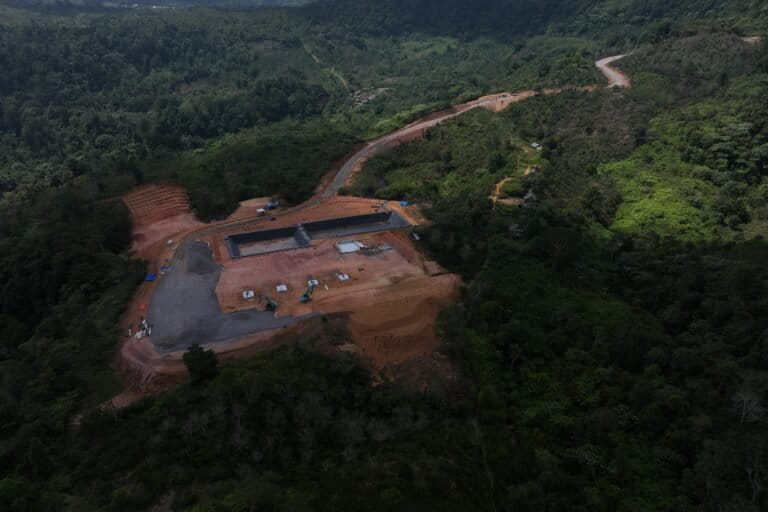
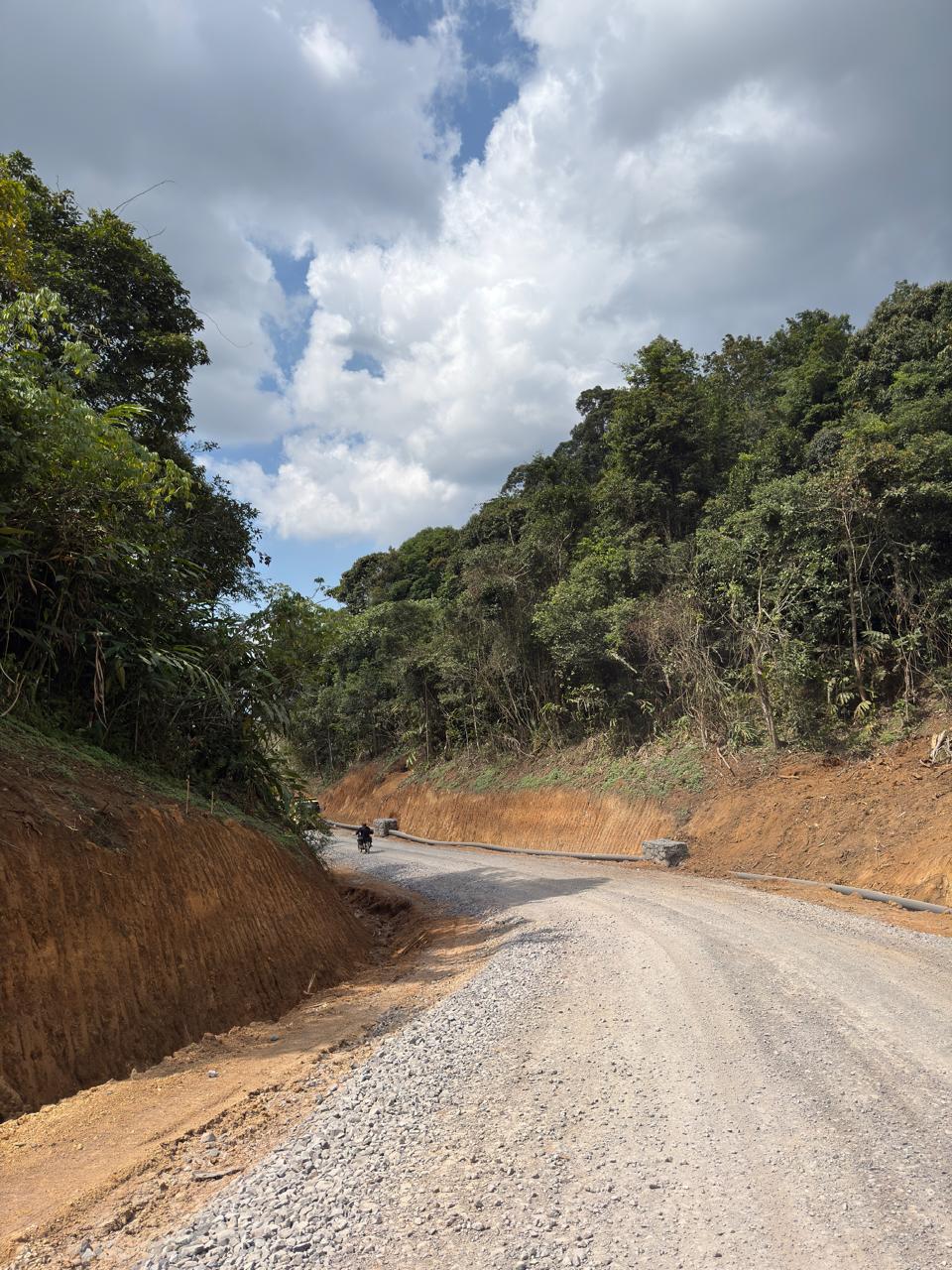
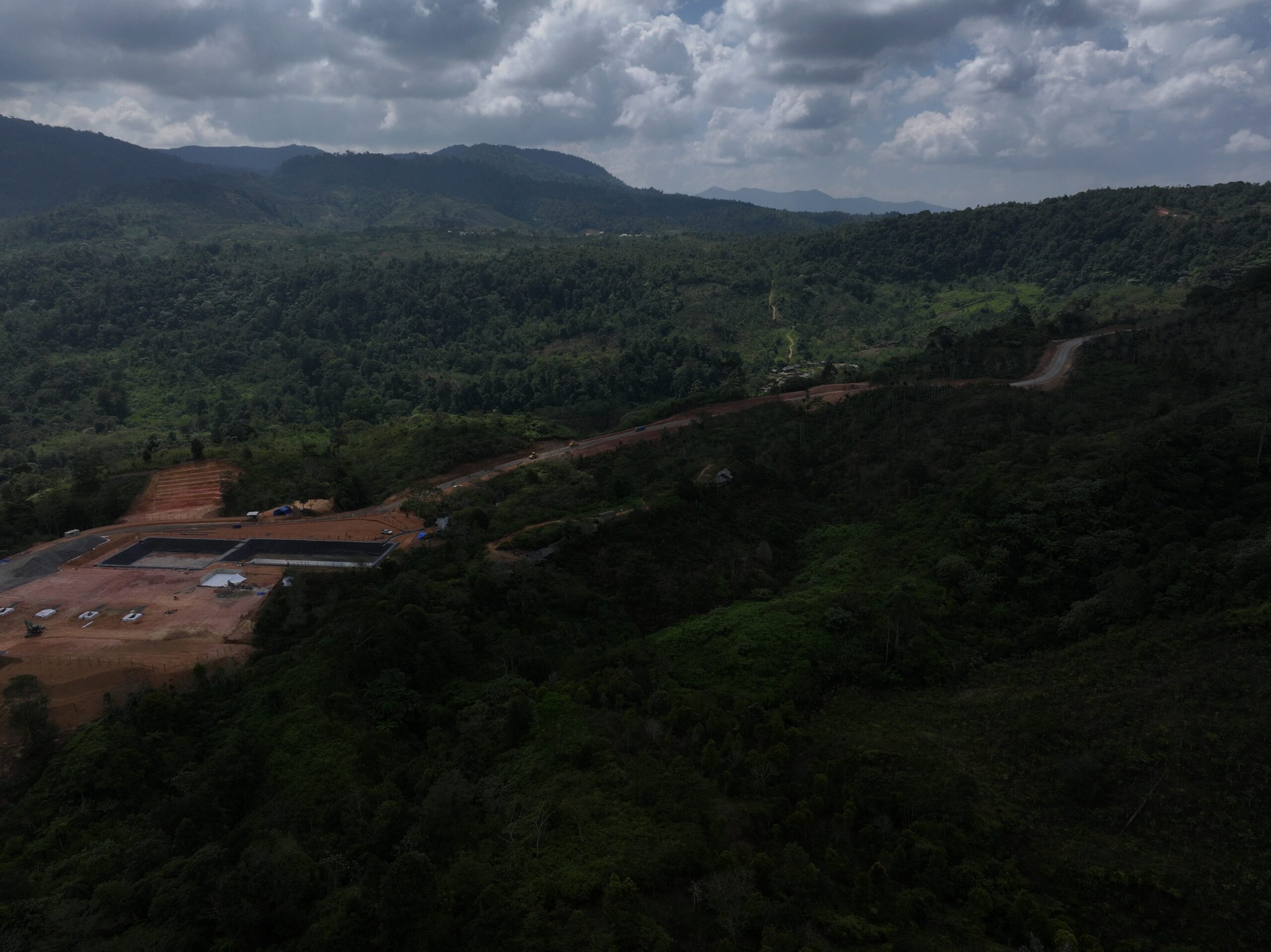
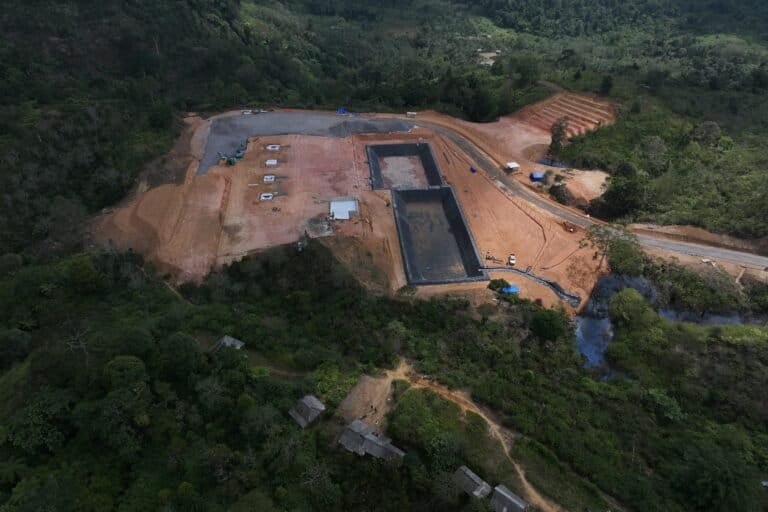
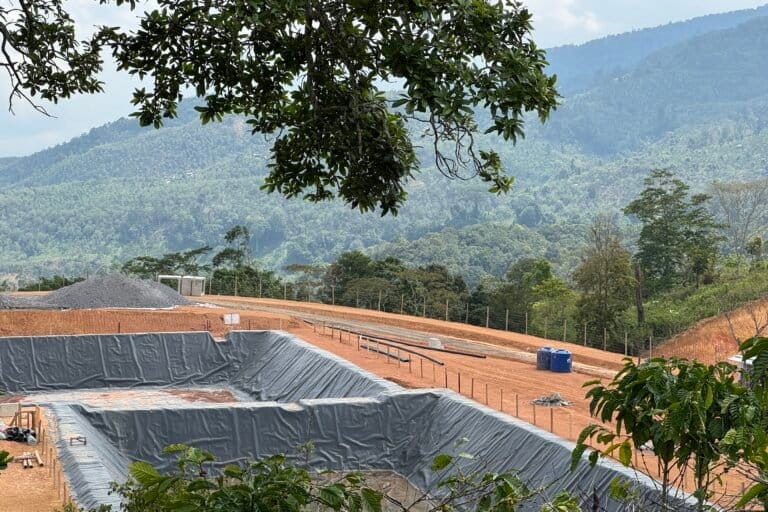
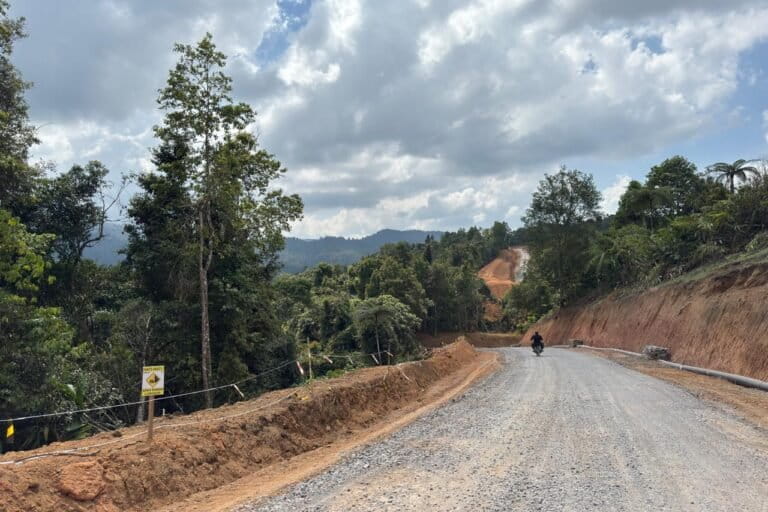
When investigators surveyed the area in early August 2026, the visual evidence of industrial encroachment was stark. A 16-meter-wide industrial road had been carved through the jungle, extending from the village of Sri Menanti into the heart of the park. The environmental impact was immediate: trees felled to clear the path remained fresh, their leaves still green, signaling that the destruction was recent and ongoing. Aerial photography confirmed the scale of the operation, revealing a sprawling site featuring massive, excavated ponds and heavy machinery, such as blue-painted excavators, lying in wait to further alter the topography.
Legislative Shifts and Policy Loopholes
The catalyst for this development is the 2024 revision of the Conservation of Living Natural Resources and Ecosystems (KSDAHE) Law. While the government promotes geothermal energy as a cornerstone of its "Green Economy" strategy, critics argue that the new legislation provides a "red carpet" for extractive industries to operate within protected zones that were previously strictly off-limits.
Suprinti Yohar, Director of Forests at Yayasan Auriga Nusantara, noted that while the government may utilize legal frameworks to justify the entry of geothermal projects into national parks, the technical reality remains problematic. "The government can manipulate the entry of geothermal projects into national parks through legislation," Yohar explained. "However, one must first scrutinize the Environmental Impact Assessment (AMDAL). Building roads and large-scale industrial structures fundamentally alters the landscape, fragmenting habitats that should remain undisturbed."
Lack of Transparency and Public Accountability
A recurring theme in the discourse surrounding the TNBBS project is the profound lack of transparency. Irfan Tri Musri, Executive Director of the Indonesian Forum for the Environment (WALHI) in Lampung, has repeatedly called for public disclosure of the project’s documentation, particularly regarding disaster risk assessments.
"There has never been a study or documentation accessible to the public regarding this project," Musri stated. "We are demanding transparency. How can a project of this magnitude proceed without an open public discourse or clear evidence that it will not compromise the integrity of the ecosystem?"
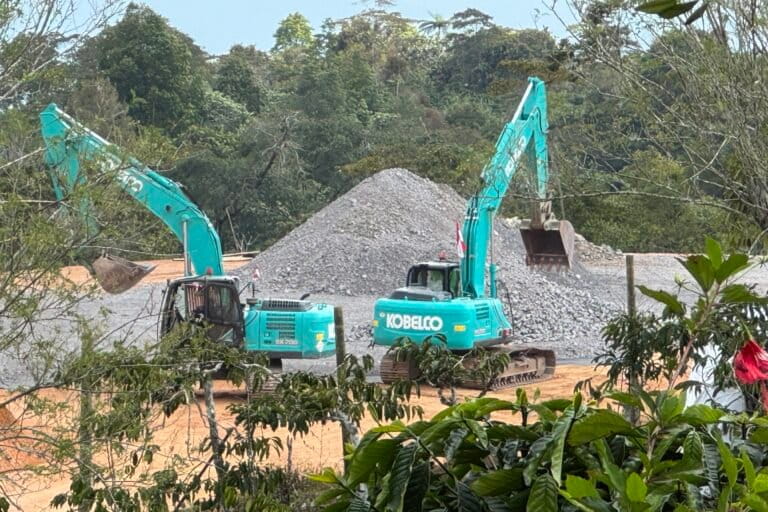
This concern is amplified by the inherent nature of geothermal operations. The process involves more than just tapping into steam; it necessitates the construction of wellpads, complex networks of steam pipelines, electrical substations, and the constant movement of heavy equipment. Each of these components contributes to forest fragmentation, which scientists warn can sever wildlife corridors, increase the risk of human-wildlife conflict, and facilitate the entry of illegal loggers or poachers into previously inaccessible areas.
Institutional Silence: A Timeline of Evasion
The investigation into the project has been met with a wall of silence from local and regional authorities. Attempts by the investigative team to secure comment from key stakeholders highlight a systemic avoidance of accountability:
- August 6, 2026: The team attempted to reach out to the Governor of Lampung, Rahmat Mirzani Djauzal, following his return from an official visit to China. Despite efforts to arrange an interview, the response remained non-committal.
- August 6, 2026: A visit to the office of the TNBBS Management Agency (Balai Besar) resulted in an evasive encounter. While staff initially claimed officials were in a meeting, subsequent reports from credible sources confirmed that the Head of the Agency, Hifzon Zawahiri, and the Head of the Technical Division, Teguh Ismail, were indeed on-site. When the team followed up via digital communication, the officials ceased all responses once the subject of the illegal road construction was raised.
- Ongoing: The Lampung Provincial Communications and Informatics Office (Diskominfo) questioned the premise of the inquiry, with Head of the Office Ganjar Jationo asking, "Is it actually forbidden? Do you think it is wrong? I need to understand your perspective first."
This pattern of deflection suggests that while the project may be legally sanctioned under the new 2024 law, the ethical and ecological implications remain a point of significant embarrassment for the local administration.
The Cost of "Green" Energy
The contradiction of destroying a UNESCO World Heritage site to produce renewable energy is not lost on the global conservation community. The "Green Economy" narrative typically focuses on carbon emission reductions, but this narrow focus often ignores the "day-to-day" ecological costs. When the infrastructure required to harness renewable energy destroys carbon sinks—such as the primary forests of Bukit Barisan Selatan—the net benefit to the environment becomes questionable.
Data indicates that the construction of infrastructure in protected areas increases the "edge effect," where the perimeter of the forest becomes susceptible to invasive species and increased light penetration, effectively degrading the quality of the habitat even if the surrounding trees remain standing. For large mammals like the Sumatran elephant, the road acts as a physical barrier that restricts migration, leading to genetic isolation and increased vulnerability.
Broader Implications for Indonesia’s Heritage
The case of TNBBS serves as a litmus test for the enforcement of the 2024 KSDAHE Law. If industrial projects are allowed to bypass traditional conservation standards under the guise of "national strategic interests," the precedent could lead to the degradation of protected areas across the archipelago.
As the government continues to push for an ambitious geothermal energy target, the need for a comprehensive, science-based approach to spatial planning becomes urgent. Experts argue that energy development must be strictly decoupled from high-value conservation zones. The current trajectory in Lampung suggests that without significant pressure from civil society and international oversight, the "Green Energy" label may become a mask for the continued erosion of Indonesia’s most precious ecological assets.
The findings presented here are part of a broader investigative series, Geothermal in World Heritage Forests, which will provide a more detailed analysis of the policy, the ecological impact, and the potential for long-term damage to the region. As the project continues to unfold, the silence from the authorities remains the loudest component of the entire operation, leaving a public—and a global community—to wonder at what price this energy will eventually be bought.