
 Nila Kartika Wati
For 57-year-old Esau Sidemo, a routine fishing expedition from his home in Bido Village on Batang Dua Island, Ternate, transformed into a harrowing 26-day struggle for survival in the vast, unforgiving expanse of the Pacific Ocean. When his small ketinting boat suffered a catastrophic engine failure, Sidemo was left at the mercy of treacherous currents that dragged him hundreds of kilometers from the safety of the Maluku archipelago. His survival was not merely a matter of endurance, but a testament to the extreme volatility inherent in the lives of traditional Indonesian fishermen who navigate the thin line between livelihood and catastrophe.
During his nearly month-long drift, Sidemo’s existence was reduced to a primal search for sustenance. He survived by consuming raw fish that leaped into his vessel, scavenging seabirds, and harvesting floating, rotten coconuts. In the most desperate hours, he resorted to drinking his own urine to stave off dehydration under the relentless tropical sun. His ordeal ended only when a French-flagged cargo vessel spotted his distressed craft, rescuing him and transporting him to China before he was finally repatriated to Indonesia. “It is nothing short of a miracle,” Sidemo remarked upon his return, noting that his daily prayers for reunion with his family were his only anchor during the long, silent nights at sea.
A Pattern of Increasing Maritime Risk
The plight of Esau Sidemo is not an isolated anomaly, but rather a chilling indicator of a systemic crisis within the maritime sector of North Maluku. The region, characterized by its complex geography and reliance on small-scale fishing, has seen a marked uptick in maritime distress calls. According to data provided by Basarnas Ternate (the National Search and Rescue Agency), the year 2025 alone saw 49 distinct search and rescue operations conducted in the region. These missions accounted for 122 lives saved, seven confirmed fatalities, and 20 individuals who remain missing at sea—a grim statistic that underscores the lethal potential of routine fishing in an era of environmental instability.
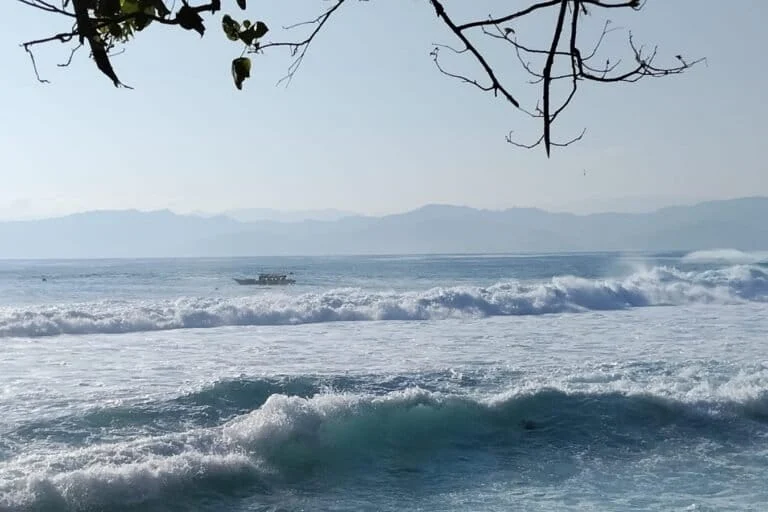
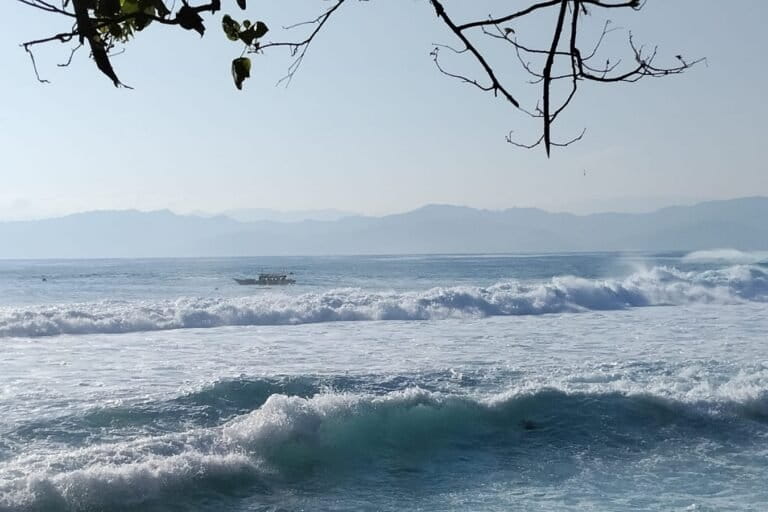
The geographical nature of North Maluku creates a perfect storm for accidents. The archipelago, surrounded by deep, high-energy waters, is susceptible to rapid weather shifts. Basarnas Ternate Chief Iwan Ramdani noted that in several of the recorded incidents, wave heights surged to 2.5 meters, far exceeding the safety limits for traditional ketinting boats. These vessels, often lacking advanced navigation or communication equipment, are fundamentally ill-equipped to handle the increasingly violent sea states that now define the region.
The Impact of Climate Volatility on Traditional Knowledge
For generations, Indonesian fishermen have relied on traditional ecological knowledge—a sophisticated understanding of seasonal wind patterns, lunar cycles, and water temperatures—to navigate the ocean. However, this repository of knowledge is rapidly becoming obsolete. Gafur Kaboli, a tuna fisherman and Secretary of the Indonesian Traditional Fishermen’s Association (KNTI) in North Maluku, argues that climate change has rendered traditional navigation markers unreliable.
“The frequency of victims linked to climate change impacts continues to climb as weather patterns become erratic,” Kaboli stated. He explained that the once-predictable monsoonal shifts are now punctuated by extreme, unpredictable weather events, leaving fishermen with little warning before being caught in life-threatening conditions. This loss of predictive power is a major driver behind the increased rate of maritime accidents, as fishermen venture out under the assumption of fair weather, only to be trapped by sudden, intense storms.
The Economic Squeeze: Fuel, Distance, and Declining Stocks
Beyond the direct threat to life, traditional fishermen are facing an existential economic crisis. As near-shore fish stocks are depleted—largely due to overfishing and habitat destruction—fishermen are forced to travel significantly further from the coast. Historically, a successful catch of tuna could be secured within a 12-mile radius. Today, that radius has expanded to 15 miles or more, necessitating longer trips and vastly increased fuel consumption.
Where a daily fishing trip once required 20 to 30 liters of fuel, the current reality demands 100 to 150 liters to cover the distance for a two-to-three-day excursion. This transition is not merely a logistical shift; it is an economic barrier that deepens the cycle of poverty. With overhead costs skyrocketing, the margins for profit have vanished, leaving families in coastal villages increasingly vulnerable to debt and food insecurity. A KNTI survey conducted in January revealed that 95 percent of fishermen across 350 coastal villages were negatively impacted by extreme weather, with 63 percent forced to cease operations entirely, leading to a 50 percent decline in daily household income.
Environmental Degradation and Industrial Intrusion
The vulnerability of the small-scale fishing sector is further compounded by the encroachment of extractive industries. Data from the environmental advocacy group WALHI indicates that approximately 248 mining permits have been issued across 43 of Indonesia’s small islands. The environmental fallout from these operations is direct and devastating.
In Kabaena, for instance, octopus fishermen have reported that their traditional fishing grounds have been rendered unproductive, likely due to the leaching of nickel waste into the marine ecosystem. Similarly, in Wawonii, the construction of terminals for nickel processing plants has necessitated land reclamation that directly obstructs access to traditional coastal fishing zones. These industrial developments prioritize mineral extraction at the expense of local food sovereignty, effectively forcing fishermen to navigate even further out into the open, dangerous waters to find fish, thereby exacerbating the risk of accidents like the one experienced by Esau Sidemo.
A Call for Institutional Reform
The current framework for protecting Indonesia’s traditional fishermen is widely considered inadequate. Experts point to the suspension of government-sponsored insurance programs and the lack of subsidized investment in modern safety equipment since 2021 as a failure of policy. While the resilience of individual fishermen is profound, it is not a substitute for comprehensive institutional support.
The implications of failing to act are significant. If the current trajectory of climate-driven weather instability and environmental destruction continues, the traditional fishing industry—a cornerstone of Indonesian culture and a vital source of protein—faces potential collapse. To mitigate these risks, stakeholders are calling for a multi-faceted approach:
- Enhanced Early Warning Systems: Providing fishermen with localized, real-time meteorological data to replace outdated traditional forecasting methods.
- Safety Equipment Mandates: Establishing affordable access to personal locator beacons (PLBs), satellite communication devices, and standard safety gear for all small-scale vessels.
- Social Safety Nets: Reinstating government-backed insurance schemes that provide financial protection for families during periods of climate-induced inactivity or following maritime accidents.
- Environmental Protection of Fishing Grounds: Restricting industrial mining and reclamation projects that directly impact coastal and near-shore ecosystems, ensuring that local fishing communities retain their primary livelihood resources.
The story of Esau Sidemo is a sobering reminder that the ocean is a place of immense beauty but also lethal indifference. As Indonesia grapples with the dual challenges of climate change and industrial expansion, the safety and sustainability of its traditional fishing fleet must move from the periphery of policy to the center. The lives of thousands of families depend on a fundamental shift in how the nation values both its maritime resources and the people who risk their lives to harvest them. Without structural reform, the "miracles" that bring men like Sidemo home will become increasingly rare, and the costs of inaction will be measured in lost lives and the irreversible erosion of a way of life that has sustained the archipelago for centuries.