Nila Kartika Wati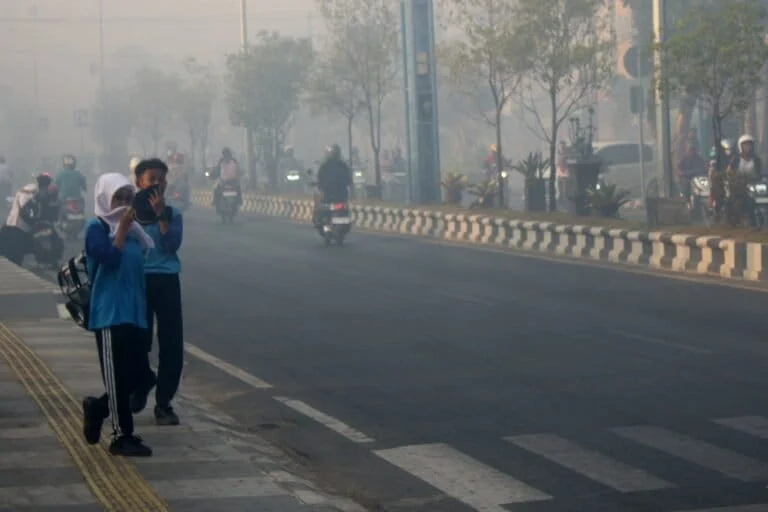
The prolonged drought currently gripping Indonesia has catalyzed a catastrophic series of forest and land fires (karhutla) that are currently ravaging vast swathes of Kalimantan, Sumatra, and Papua. This environmental crisis has transcended the status of a localized ecological disaster, evolving into a severe public health emergency. As the dry season persists with unrelenting intensity, millions of citizens find themselves confined within a thick, toxic shroud of particulate matter. The human cost is already mounting; not only are civilian populations suffering from respiratory ailments, but frontline personnel—including firefighters and volunteers—have begun to succumb to the cumulative effects of prolonged exposure to hazardous smoke.
The Scope of the Environmental Crisis
The current iteration of the Indonesian forest fire crisis is exacerbated by anomalous climatic conditions. The ongoing drought, characterized by a significant deficit in annual rainfall, has turned forest floors and peatlands into tinderboxes. Peatlands, which are common in many of the affected regions, are particularly problematic; once ignited, these fires can burn underground for months, resisting conventional suppression efforts and releasing vast quantities of carbon dioxide and hazardous fine particulate matter (PM2.5) into the atmosphere.
As of mid-August 2026, the Ministry of Health reported that over 3 million residents across 37 districts and municipalities—spanning seven of the hardest-hit provinces—have been directly exposed to dense haze. This exposure is not merely an inconvenience; it represents a significant breach of the fundamental right of citizens to inhabit a healthy environment. The haze, composed of carbon monoxide, nitrogen dioxide, sulfur dioxide, and particulate matter, poses an immediate threat to cardiovascular and respiratory health.
Chronology of the 2026 Outbreak
The current escalation follows a predictable but devastating pattern. The early months of 2026 saw a lower-than-average precipitation level, setting the stage for the dry season that began in earnest in May. By June, satellite monitoring systems operated by the Meteorology, Climatology, and Geophysics Agency (BMKG) began detecting an exponential increase in hotspots.
Throughout July, the fires gained momentum, moving from localized agricultural clearing incidents to uncontrolled forest infernos. By August 15, the Ministry of Health initiated a comprehensive data tracking mechanism to monitor the health impacts of the intensifying haze. Between August 18 and September 21, 2026, the data revealed a rapid deterioration in public health, with 174,694 confirmed cases of Acute Respiratory Infection (ARI) linked directly to the air quality in the affected regions.
The most vulnerable demographic remains children under the age of five. Of the total cases recorded within this specific five-week window, 40,363 were toddlers. Pediatric health experts emphasize that children are particularly susceptible to the toxic effects of haze due to their developing lungs and higher respiratory rates, which increase their intake of pollutants relative to their body size.
Supporting Data and Public Health Impact
The sheer scale of the health crisis is evidenced by the surge in clinical visits across community health centers (Puskesmas) in provinces such as West Kalimantan, Central Kalimantan, South Sumatra, and Riau. The 174,694 cases of ARI represent only those who sought medical attention; public health officials suggest the actual number of individuals suffering from mild respiratory distress—such as coughing, throat irritation, and eye inflammation—is likely significantly higher.
The economic implications of this health crisis are profound. Beyond the immediate cost of emergency medical care, the loss of labor productivity due to illness and the closure of educational institutions to protect students from toxic air represents a significant contraction in local GDP. Furthermore, the loss of biodiversity and the destruction of carbon-sequestering peatlands represent a long-term environmental liability that will require decades of restoration efforts.
Official Responses and the Mitigation Gap
In response to the mounting pressure, the central government has deployed additional water-bombing aircraft and cloud-seeding operations to induce artificial rain. However, these measures have been criticized by environmental NGOs as reactive rather than preventative. Critics argue that the state’s failure to strictly enforce land-clearing bans and its inability to address the systemic conversion of forests into industrial palm oil plantations remain the primary drivers of the annual haze phenomenon.
The Ministry of Environment and Forestry (KLHK) has maintained that legal enforcement actions are ongoing, with several corporate entities currently under investigation for alleged negligence in maintaining firebreaks on their concessions. Nevertheless, the recurrence of these fires year after year suggests that existing deterrents—including administrative sanctions and revocation of business licenses—have not been sufficient to curb the illegal use of fire as a cheap land-clearing tool.
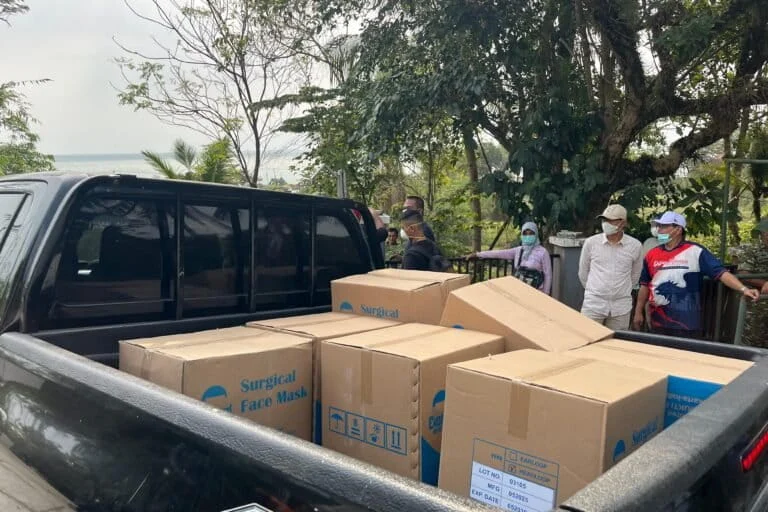
The loss of life among firefighters and volunteers has added a somber dimension to the crisis. These individuals, often working with limited personal protective equipment (PPE) in high-heat and high-smoke environments, are at the highest risk of acute pulmonary failure. Their deaths have prompted calls for better institutional support and safety protocols for those engaged in the frontlines of the battle against the flames.
Broader Implications: A Fundamental Human Rights Issue
The current crisis has reignited a national debate regarding the state’s obligation to provide a healthy environment. Under Indonesian law, the right to a healthy environment is a constitutional mandate. When the state fails to prevent, mitigate, or manage the smoke pollution, it effectively infringes upon the citizens’ right to health and safety.
Legal experts have suggested that the cumulative impact of the smoke on the health of millions could lead to a wave of climate-related litigation. In similar cases in other jurisdictions, courts have recognized that governments have a "duty of care" to protect their populations from the foreseeable risks of environmental degradation. As the haze persists, the question remains whether existing laws are robust enough to hold those responsible—both private actors and regulatory bodies—accountable for the preventable loss of health and life.
Analysis of the Path Forward
Looking toward the remainder of the year, the transition into the rainy season will likely be the only definitive end to the current burning cycle. However, relying on seasonal changes is not a sustainable policy. To prevent a repeat of the 2026 crisis in future years, several strategic shifts are required:
- Landscape Restoration: The massive restoration of degraded peatlands is essential. Wetting the peat makes it resistant to ignition, acting as a natural firebreak.
- Supply Chain Transparency: The Indonesian government must enforce stricter traceability in the agricultural supply chain, ensuring that no commodities produced on illegally burned land reach international or domestic markets.
- Community-Based Fire Management: Empowering local communities to act as first responders, equipped with adequate training and communication technology, has proven more effective than relying solely on centralized, top-down responses.
- Health Infrastructure Strengthening: Hospitals and clinics in fire-prone regions must be equipped with permanent air filtration systems and adequate supplies of oxygen and nebulizers to manage the seasonal spike in respiratory cases.
The human tragedy unfolding in the smoke-filled skies over Kalimantan, Sumatra, and Papua is a stark reminder of the fragile balance between economic development and environmental stewardship. The 174,694 lives touched by illness in just over a month serve as a barometer of the severity of the crisis. As the smoke continues to linger, the Indonesian government faces an urgent mandate: to evolve from a reactive stance to one of proactive, systemic environmental management that prioritizes the lives of its citizens over the convenience of industrial expansion. The path forward requires a firm commitment to the rule of law, sustainable land-use practices, and a recognition that clean air is not a luxury, but a fundamental necessity for the survival of the nation’s people.