Chalifah Fatihah
The pulse of Blok M is beating stronger than ever. This vibrant district in South Jakarta, long considered the epicenter of youth culture, shopping, and culinary delights, is experiencing a remarkable resurgence. Once the undisputed primadona for young Jakartans from the 1980s through the early 2000s, Blok M has navigated periods of quietude and revival, its enduring spirit rekindled by a blend of nostalgia and strategic revitalization.
The story of Blok M is not merely one of commercial success; it is a narrative deeply woven into the fabric of Jakarta’s urban development and social history. As the central hub of the planned Kebayoran satellite city, Blok M was conceived in 1948 with a clear vision: to serve as a nexus for commerce and community. Its strategic location, placed at the heart of the Kebayoran Baru master plan envisioned by Moh Soesilo, positioned it as a vital connector for surrounding neighborhoods. Upon its completion and operationalization, Blok M quickly began to foster a vibrant local ecosystem.
The Golden Era: Blok M as a Youthful Nexus (1980s – Early 2000s)
The true ascent of Blok M to prominence began in the 1980s. According to Jakarta historian Andi Achdian, this period coincided with a significant upswing in Indonesia’s economy. This economic growth fostered the rise of a burgeoning middle class, which in turn fueled a more consumerist culture. For Blok M, already designed with retail in mind, this presented an unparalleled opportunity. It rapidly transformed into the quintessential destination for Jakartans, particularly young people, seeking not just to shop but to socialize and experience the pulse of the capital.
"Blok M, having been designed as a commercial center from its inception, became a crucial site for youth culture and hangout spots during that era," Achdian explained to CNNIndonesia.com. The area became synonymous with being "gaul" – the Indonesian slang for being fashionable and socially adept.
This era saw Blok M capture the attention of media and filmmakers alike, with its bustling streets and vibrant atmosphere frequently serving as the backdrop for cinematic scenes. The completion of the new Blok M bus terminal further amplified its connectivity and influx of visitors. This infrastructural enhancement not only facilitated easier access for commuters but also spurred the proliferation of businesses, cementing Blok M’s status as an indispensable commercial and social hub.
"It effectively integrated residential, commercial, and transportation zones, functioning as a vital hub to connect with other areas," noted Achdian, who also serves as the Head of the Sociology Department at the Faculty of Social and Political Sciences, Universitas Nasional (UNAS).
The opening of Blok M Plaza in 1990 served as a definitive marker of the district’s upscale appeal, solidifying its position as a premier shopping destination for Jakarta’s middle-class residents. During its zenith, Blok M was a place that seemingly never slept. Daytime was characterized by vibrant shopping activity, while evenings came alive with a dazzling array of nightlife, including bars, cafes, and karaoke establishments. This dynamic environment naturally drew in young people, making it the preferred spot for after-school gatherings and weekend outings.
"Blok M was the central area for young people to hang out. It wasn’t just one specific subculture; various youth subcultures emerged and thrived there," Achdian observed. The air in Blok M was filled with the sounds of lively entertainment, a testament to its enduring appeal as a social magnet. However, as the article points out, sustained popularity is not always a guaranteed outcome.
The Period of Dormancy: A Fading Glow
Despite its illustrious past, Blok M experienced a period of decline. The article alludes to this phase as "mati suri," a Malay term signifying a state of suspended animation or near-death. During this time, the once-vibrant Mal Blok M saw a significant number of its shops shuttered, leaving behind a palpable sense of emptiness. This stark contrast to its former glory, particularly the energetic atmosphere of the 1990s and early 2000s, was a clear indicator of its waning appeal.
Several factors likely contributed to this downturn. Evolving consumer preferences, the emergence of new shopping malls in different parts of the city, and potentially shifts in urban development priorities could have all played a role in diminishing Blok M’s draw. Without continuous adaptation and innovation, even the most popular urban centers can lose their luster. The district, which once commanded the attention of the city, found itself struggling to retain its former prominence.
The Power of Nostalgia and Renewal: Reclaiming the Rhythm
The article highlights a crucial element in Blok M’s resurgence: nostalgia. The fond memories of its golden era continue to draw visitors back, eager to revisit the familiar corners and recapture a sense of their youth. This sentimental connection has proven to be a powerful force, injecting new life into the area.
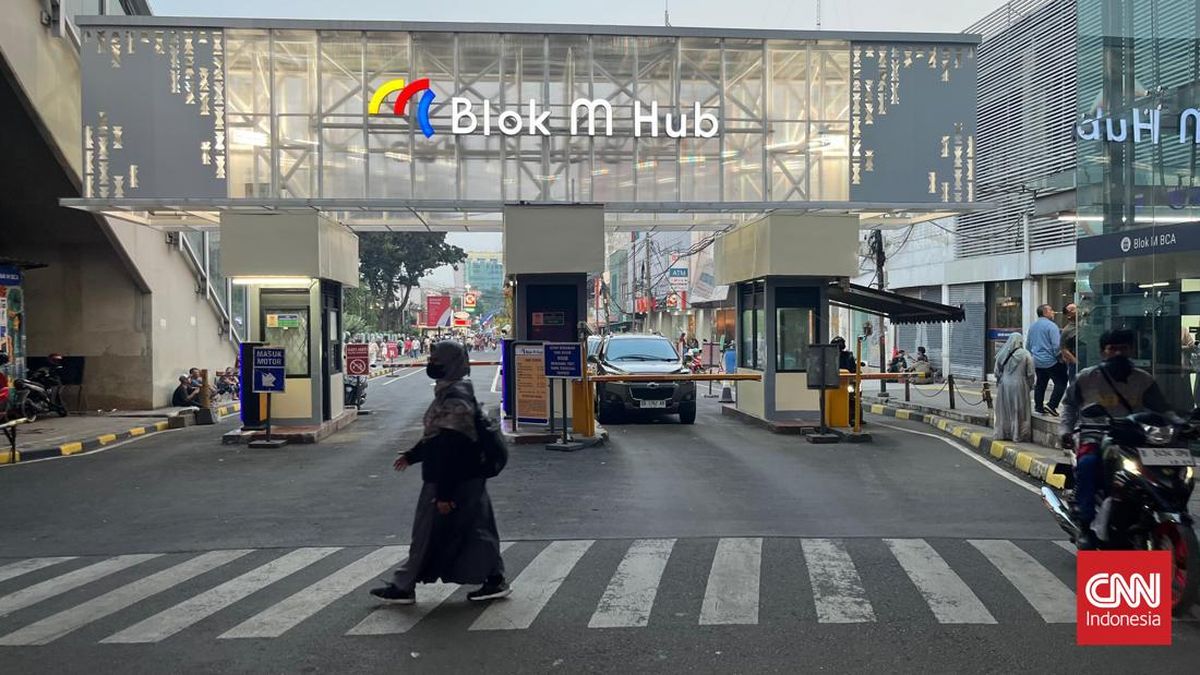
Beyond sentimental value, recent efforts have been made to revitalize Blok M, transforming it into a modern, integrated urban hub. The "Blok M Hub" concept, as suggested by the accompanying image, points towards a strategic effort to redefine and re-energize the district. This likely involves a multi-faceted approach encompassing urban planning, infrastructure upgrades, and the introduction of contemporary attractions and amenities that appeal to current generations while honoring the area’s heritage.
The ongoing revitalization projects aim to reposition Blok M not just as a relic of the past but as a dynamic and relevant destination for the future. This includes enhancing public spaces, improving accessibility, and fostering a diverse range of businesses and cultural activities. The goal is to create an environment that is both a testament to its storied history and a vibrant center for contemporary urban life.
Historical Context: The Genesis of a City Hub
The initial planning for Blok M dates back to the post-World War II era, specifically around 1948, with the ambitious project to develop a new satellite city in Kebayoran. From its inception, the area designated as Blok M was envisioned as a central commercial and transportation nexus. Its strategic placement within the broader Kebayoran Baru urban plan underscored its intended role as a vital artery connecting various parts of the burgeoning city.
The development of Kebayoran Baru itself was a significant undertaking, aimed at creating a modern, planned residential and commercial district that could accommodate Jakarta’s growing population and evolving urban landscape. Blok M’s design as a central hub was critical to the success of this plan, ensuring that residents had convenient access to essential services, retail, and public transportation.
Economic and Social Shifts: Fueling Blok M’s Heyday
The economic boom of the 1980s was a pivotal factor in Blok M’s rise to prominence. As Indonesia’s economy strengthened, a larger segment of the population entered the middle-income bracket, leading to increased disposable income and a heightened propensity for consumption. This demographic and economic shift created a fertile ground for commercial enterprises, and Blok M, with its inherent advantages as a central meeting point and shopping destination, was perfectly positioned to capitalize on this trend.
The culture of "nongkrong" – casual socializing and hanging out – became deeply ingrained in Indonesian youth culture, and Blok M became its unofficial headquarters. It wasn’t merely about purchasing goods; it was about the experience of being seen, of participating in the city’s vibrant social scene. This social dynamism, fueled by economic prosperity, propelled Blok M to its peak popularity.
The Rejuvenation of Blok M: A Forward-Looking Vision
The current efforts to revitalize Blok M are indicative of a broader trend in urban renewal, where cities seek to re-energize established districts by blending historical character with modern functionality. The "Blok M Hub" initiative suggests a comprehensive approach that likely involves:
- Infrastructure Upgrades: Modernizing public transportation links, pedestrian walkways, and public amenities to enhance convenience and accessibility.
- Diversification of Offerings: Introducing a wider array of retail, dining, and entertainment options to cater to a broader demographic, including contemporary culinary trends and unique retail concepts.
- Preservation of Heritage: While embracing modernity, efforts are likely being made to preserve the architectural and cultural heritage of Blok M, allowing the spirit of nostalgia to coexist with new developments.
- Community Engagement: Fostering a sense of community through events, public art installations, and spaces designed for social interaction.
The success of these revitalization efforts could have several implications:
- Economic Boost: A revitalized Blok M can attract new businesses, create jobs, and stimulate economic activity in the surrounding areas.
- Enhanced Urban Livability: By becoming a more attractive and functional district, Blok M can contribute to the overall quality of life for residents and visitors.
- Cultural Revitalization: The renewed energy can foster a new wave of cultural expression and innovation, building upon its legacy as a hub for youth culture.
- Model for Urban Renewal: The transformation of Blok M could serve as a successful case study for other urban districts facing similar challenges of decline and regeneration.
The journey of Blok M, from its strategic planning as an urban hub to its zenith as a cultural epicenter, its period of quietude, and its current resurgence, is a compelling testament to the resilience of urban spaces and the enduring power of community and cultural identity. As Blok M continues to evolve, it remains a vital artery in the heart of Jakarta, pulsating with a rhythm that resonates with both its past and its promising future.