Lusiana Hamidun
The world of accessories is witnessing a fascinating duality in its trends, with eyewear embracing bold, oversized frames reminiscent of style icons like Iris Apfel, while a contrasting, more understated movement is gaining traction in the realm of timepieces. This shift marks a significant departure from the minimalist, ultra-thin watch bands that have dominated for seasons, signaling a return to a more refined and intentional approach to wristwear. As of 2026, the diminutive watch is emerging as a symbol of sophisticated analog timekeeping, its subtle presence speaking volumes about a wearer’s taste and understanding of enduring style.
This resurgence of smaller watch dimensions is not merely a fleeting fashion whim; it is deeply intertwined with broader cultural currents, particularly a collective yearning for simplicity and a conscious detachment from the overwhelming digital landscape. As Giorgio Galli, Chief Creative Director for Timex Group, aptly observes, "The proportions feel intentional, the finishing becomes more important, and the watch integrates naturally into one’s overall style rather than dominating it." He further elaborates, "Whether worn alone or paired with bracelets and jewelry, these timepieces add a touch of subtle taste and self-control." This sentiment underscores a growing appreciation for understated elegance and a move away from overt displays of technology or ostentation.
The trend can be broadly categorized under the umbrella of "quiet luxury," a concept that emphasizes quality, craftsmanship, and timeless design over conspicuous branding and fleeting fads. However, its roots run deeper, resonating with a collective desire to declutter and simplify our lives amidst an era of unprecedented technological advancement. The pervasive influence of artificial intelligence and the relentless march of digital innovation have inadvertently spurred a counter-movement: the digital detox. This has manifested in various forms, from the deliberate removal of social media applications and the disabling of smartphone notifications to a renewed appreciation for physical books, the re-emergence of foldable phones as a nostalgic yet practical alternative, and the resurgence of journaling as a mindful practice. The efficacy of once-celebrated health trackers is also being re-examined, with a growing number of opinion pieces questioning whether these devices are truly contributing to our physical and mental well-being or, conversely, fostering a sense of constant monitoring and anxiety.
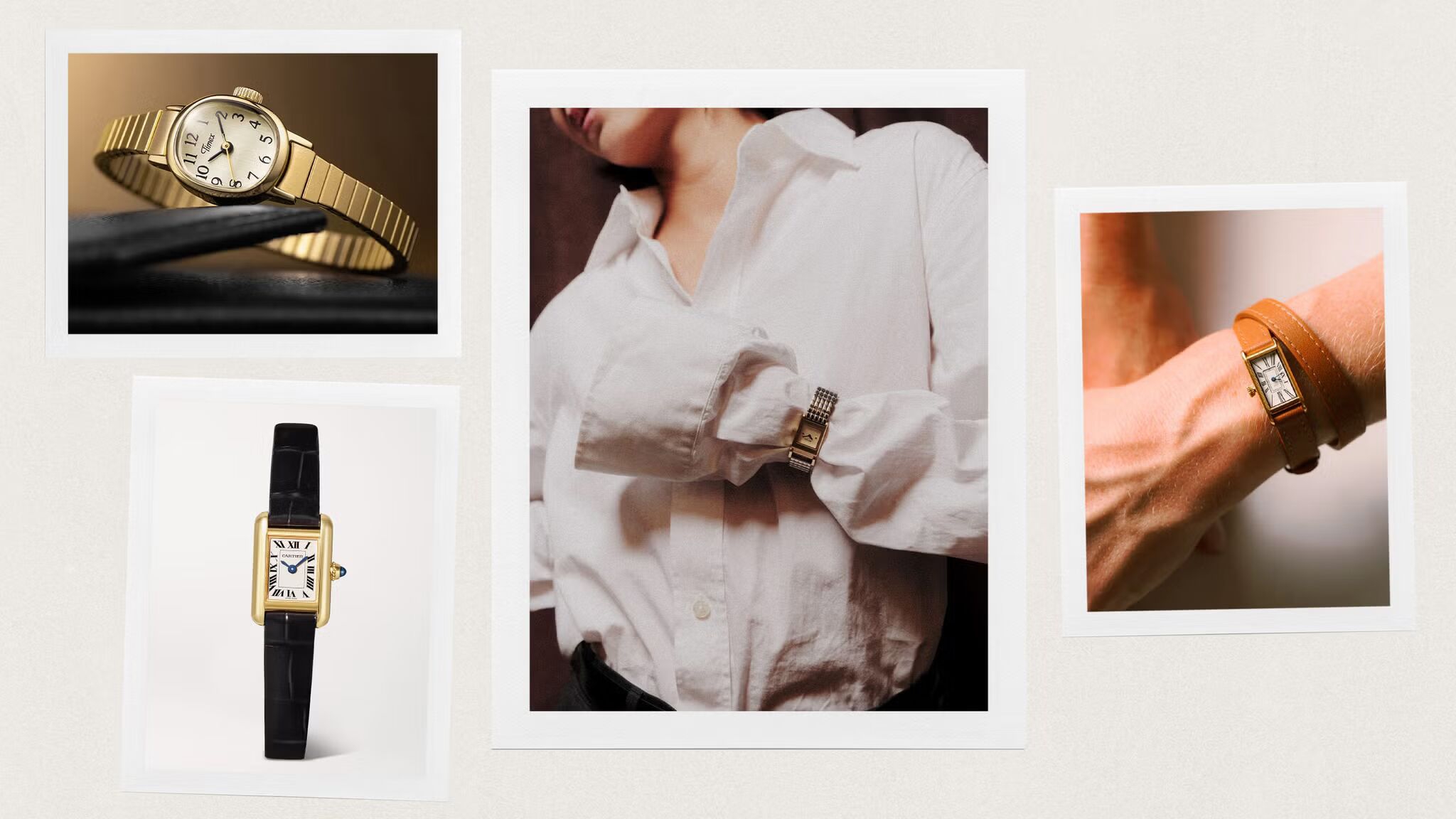
The Cultural Undercurents Driving the Tiny Watch Trend
Carl Rosen, a historian and museum director at Bulova, provides valuable context, stating, "The watch industry operates in cycles that mirror broader cultural shifts." He elaborates, "Today’s culture is shifting away from a large, tech-laden aesthetic and back towards quiet luxury, intentionality, and heritage. We’ve seen a predilection for smaller dimensions before, particularly during eras of understated and curated fashion." This historical perspective highlights how fashion and accessory trends often serve as barometers for societal moods and values. The current embrace of smaller watches can be seen as a direct response to the supersized, feature-rich, and often overwhelming nature of modern technology.
This return to subtlety and enduring quality is also evident in other areas of personal style. The "neo-Luddite" ethos, which champions craftsmanship and durability, is finding expression in ready-to-wear clothing. This includes simple pocket t-shirts made from pre-washed, open-end cotton, jeans crafted from substantial selvedge denim that offers a tangible sense of quality, and leather shoes designed for longevity, with resolable soles. These choices reflect a conscious decision to invest in items that are built to last, offer a superior tactile experience, and embody a timeless aesthetic, mirroring the appeal of the modern tiny watch.
A Nod to the Past, Reimagined for the Present
The allure of the smaller watch is not entirely novel; it draws significant inspiration from the elegant timepieces of the 1920s through the 1950s. Susan Chandler, head of merchandising for Citizen Watch, explains, "Many of the small watches from the 1920s to the 1950s were exquisitely elegant, but they were often delicate pieces reserved for special occasions." She continues, "Today, we are taking inspiration from those archival silhouettes and refining them for modern life. You still get the subtle proportions and jewelry-inspired details that people love, but now they are paired with durable stainless steel construction, sapphire crystals, and highly reliable movements that make them practical for everyday wear."
This contemporary interpretation addresses the inherent limitations of vintage pieces while retaining their aesthetic charm. The advancements in materials science and watchmaking technology have enabled the creation of smaller watches that are not only beautiful but also robust and reliable enough for daily use. The use of stainless steel ensures durability, sapphire crystals offer superior scratch resistance, and modern mechanical or quartz movements guarantee accuracy and longevity. This blend of vintage inspiration and modern engineering makes these timepieces a compelling choice for consumers seeking both style and substance.

The Enduring Appeal of Timeless Design
The concept of "things you keep" is central to this trend. As Giorgio Galli notes, "Small-sized watches possess a certain timelessness and recall an era when elegance was effortless and proportions were paramount." This sentiment speaks to the enduring value of well-designed objects that transcend ephemeral trends. In an age of disposable technology and fast fashion, the tiny watch offers a tangible connection to a more considered approach to consumption. It represents an investment in quality and craftsmanship, a piece that can be cherished and passed down through generations.
Data and Context: The Broader Watch Market
While the focus on tiny watches represents a significant micro-trend, it’s important to consider it within the broader context of the global watch market. According to Statista, the Swiss watch industry, a benchmark for luxury timepieces, has seen consistent growth in recent years, with export value reaching record highs. This suggests a sustained demand for high-quality watches, even as consumer preferences evolve. The luxury segment, in particular, often sees trends influenced by heritage brands and a focus on craftsmanship. For instance, major watch fairs like Watches and Wonders, held annually, showcase new releases that often highlight innovation in design and mechanics, with many established maisons reinterpreting their iconic smaller models or introducing new collections that lean towards more modest dimensions.
The resurgence of smaller watch sizes can also be seen as a counter-narrative to the increasing complexity and feature-rich nature of smartwatches. While smartwatches offer advanced functionalities like health tracking, communication, and app integration, they often come with a larger footprint and a more utilitarian aesthetic. The tiny watch, in contrast, prioritizes form, function, and a refined aesthetic, offering a distinct alternative for those who value traditional watchmaking and a more minimalist approach to technology.
The Implications for the Industry and Consumers
The growing popularity of tiny watches has several implications for the watch industry. It signals a potential shift in design priorities, with manufacturers likely to invest more in developing smaller, elegantly proportioned timepieces. This could also lead to a greater emphasis on heritage collections and archival reissues, as brands leverage their historical designs to tap into this trend. For consumers, this movement offers an opportunity to embrace a more sophisticated and understated style. It encourages a thoughtful approach to purchasing, prioritizing pieces that offer timeless appeal and enduring quality. The ability to integrate these watches seamlessly with other jewelry, as mentioned by Galli, further enhances their versatility and appeal.
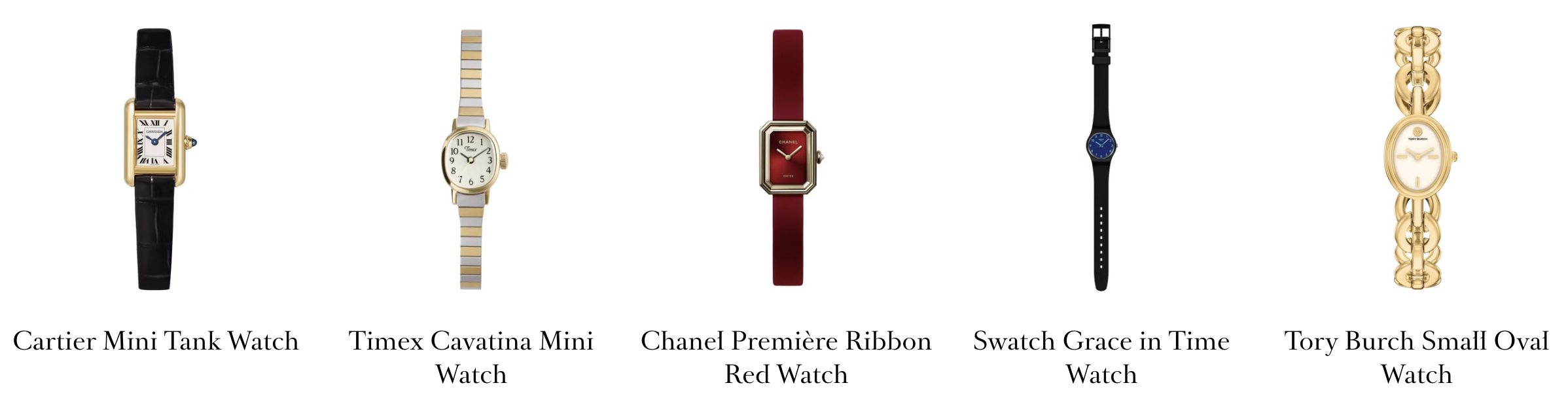
The narrative around the tiny watch is one of deliberate choice, a conscious decision to opt for elegance over excess, and a return to the fundamental purpose of a timepiece: to tell time with grace and precision. As technology continues to advance at an exponential rate, the appeal of analog simplicity, embodied by the perfectly proportioned tiny watch, is likely to endure, offering a refreshing counterpoint to the digital deluge. This trend is not just about a smaller dial; it’s about a more considered, refined, and ultimately more satisfying way of engaging with time and personal style. The subtle elegance of a diminutive timepiece on the wrist is a quiet declaration of confidence and an appreciation for the enduring power of classic design.