
 Lina Irawan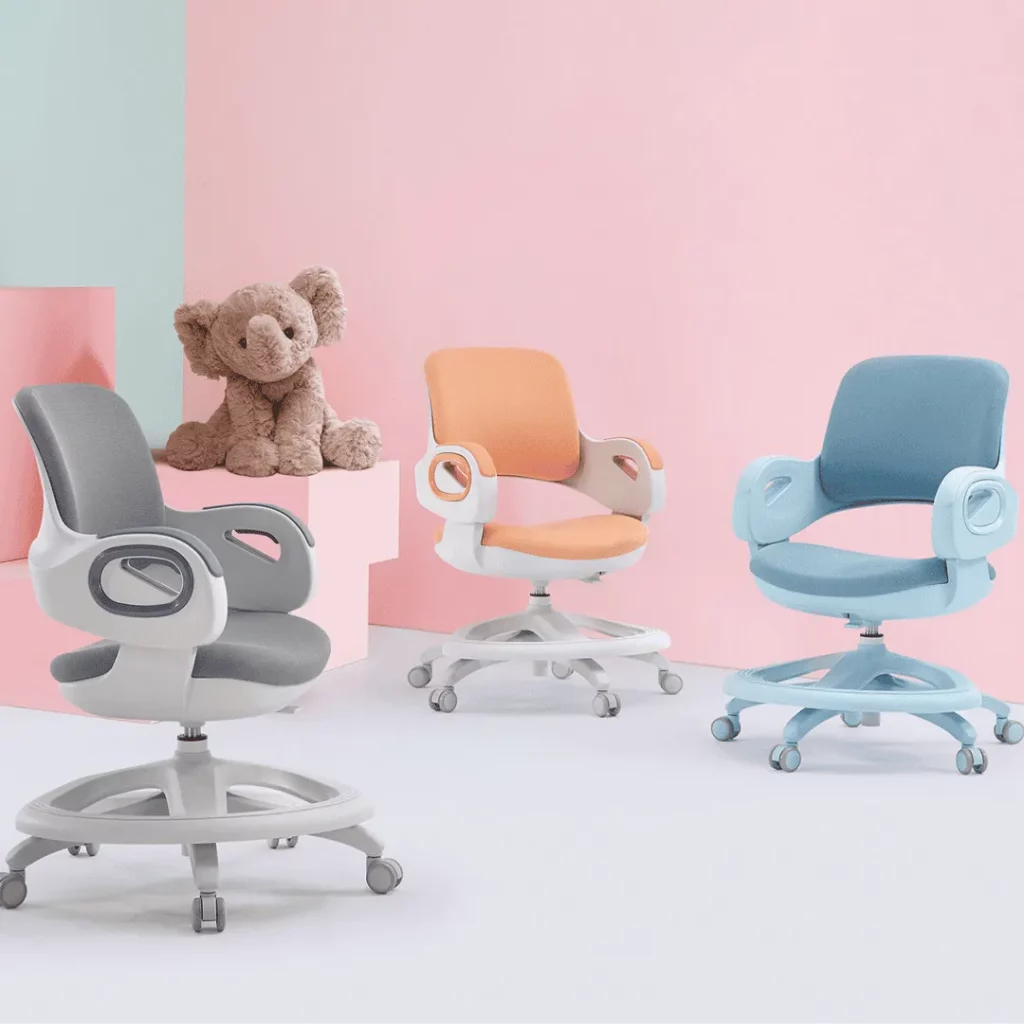
In an era where remote learning and hybrid work models have become increasingly prevalent, the importance of a well-designed study or home office environment has surged. Far beyond mere aesthetics, the right furniture, particularly the study chair, plays a pivotal role in promoting long-term health, focus, and overall well-being. A truly effective study chair must integrate adjustable lumbar support, a breathable seat cushion, and precise height adjustment mechanisms. These critical ergonomic features are indispensable in preventing chronic back injuries, while the increasingly popular pastel color palette offers significant psychological benefits, known to alleviate stress and enhance cognitive focus.
Historically, the pursuit of an aesthetically pleasing living space often led individuals, particularly parents and students, to compromise on functional comfort. The allure of rustic wooden chairs or minimalist plastic designs frequently overshadowed ergonomic considerations, resulting in discomfort, fatigue, and potential long-term musculoskeletal issues. However, contemporary interior design philosophy champions the seamless integration of health and beauty. The notion that one must sacrifice well-being for an "Instagrammable" room is rapidly becoming obsolete. This paradigm shift has given rise to the ergonomic pastel study chair – a sophisticated solution that not only elevates the visual appeal of a study nook but also stands as a crucial long-term investment in spinal health.
The Indisputable Case for Ergonomic Design

According to leading orthopedic specialists and a growing body of research, prolonged sitting significantly increases the load on the lumbar spine. Without adequate support that respects the natural curvature of the back, individuals are highly susceptible to a range of health problems. These can manifest as persistent stiff necks, debilitating shoulder pain, and in growing children, an increased risk of spinal deformities such as scoliosis. The World Health Organization (WHO) estimates that low back pain affects millions globally, often exacerbated by poor posture and inadequate seating during work or study. Recognising this pervasive issue, health authorities worldwide consistently advocate for furniture that actively supports the body’s natural posture and promotes dynamic movement.
Ergonomically designed chairs counteract these negative effects by meticulously distributing body weight evenly across the seating surface. This engineering marvel ensures that blood circulation to the lower extremities remains unimpeded, even during extended periods of sitting, thereby preventing common complaints like numbness or tingling. An ergonomic chair is not merely a piece of furniture; it is a meticulously engineered tool designed to safeguard musculoskeletal health and optimise comfort.
Decoding the Core Components of an Ergonomic Chair

Selecting a study chair goes beyond superficial appeal. A discerning buyer must understand the underlying "mechanics" that contribute to genuine comfort and support. Several technical features are non-negotiable for a chair to genuinely earn the "ergonomic" label:
- Adjustable Lumbar Support: The human lumbar spine naturally curves inward. A quality ergonomic chair features an adjustable, cushioned protrusion in the lower backrest area. This crucial component is designed to perfectly cradle the natural curve of the spine, preventing slouching and maintaining proper alignment. Without this support, the spine is forced into an unnatural "C" shape, leading to strain and discomfort.
- High-Density Molded Foam Seat Pan: The seat cushion’s material and design are paramount. Thin, low-density foam cushions tend to flatten quickly, losing their supportive properties within months. Superior ergonomic chairs utilize high-density molded foam, which not only offers exceptional durability but also effectively distributes pelvic weight, reducing pressure points. Crucially, the seat pan should not be excessively long, as this can press against the back of the knees, impeding blood flow and causing discomfort. A gap of two to three fingers between the seat edge and the back of the knees is ideal.
- Breathable Mesh Backrest: Especially vital in tropical climates like Indonesia, adequate air circulation is critical. Prolonged sitting on non-breathable materials can lead to excessive sweating and discomfort. A mesh (netted) backrest provides maximum airflow, keeping the user cool and dry. Modern manufacturing techniques now allow for mesh materials to be dyed in a vast array of stable pastel colors, combining functionality with aesthetic appeal.
- Flexible Armrests (1D, 2D, 3D, or 4D): Shoulder tension often originates from unsupported arms. Armrests are designed to support the weight of the forearms, allowing the shoulders to remain relaxed. Adjustable armrests (ranging from 1D for height adjustment to 4D for height, depth, width, and pivot) are highly recommended. They enable users to align their arms perfectly with the desk height, facilitating comfortable typing or writing without straining the shoulders or wrists.
Tailoring Ergonomics: Kids’ Specific Chairs vs. Adjustable Office Styles
A common dilemma for consumers is choosing between a chair designed specifically for children and a more versatile, adjustable ergonomic chair often styled for office use. Understanding the distinctions is key to making an informed long-term investment.

- Children’s Specific Chairs (Fixed Backrest): These chairs are often precisely scaled for younger children (typically elementary to junior high school age). Their backrests are usually rigid and upright, designed to "encourage" an erect sitting posture. A key advantage lies in their proportional design; the seat pan depth is perfectly matched to a child’s thigh length, ensuring their feet do not dangle. However, their primary drawback is a limited lifespan. As children grow rapidly, these chairs quickly become inadequate, with fixed backrests potentially pressing on the wrong part of a growing spine.
- Ergonomic Adult/Teenager Chairs with Pastel Designs: These are essentially professional-grade office chairs scaled for teenagers and adults, but reimagined with appealing aesthetic touches like pastel color schemes. Their major advantage lies in their comprehensive adjustability. Features like adjustable seat height, backrest recline tension, and multi-directional armrests allow for precise customization. For long-term utility, this type represents a far more sensible investment. The chair can be adapted to accommodate the physical growth of the user, making it suitable from early teenage years through adulthood.
Conclusion on Specifications: For children under 10, a dedicated children’s chair combined with an ergonomic footrest is a safe and appropriate choice. However, for users aged 11 and above, an adjustable ergonomic chair in a pastel hue offers superior long-term comfort, adaptability, and aesthetic versatility that transcends childhood decor.
The Psychological Resonance of Pastel Hues
The choice of color for a study environment extends beyond personal preference; it carries profound psychological implications for mood and concentration, a fact well-documented by numerous interior design and environmental psychology studies. While standard dark colors like black or grey can impart a sense of formality and weight, sometimes inducing stress or a feeling of being overwhelmed, especially in younger students, pastel palettes offer a distinct advantage.

Pastel colors emanate a soft, soothing, and inherently welcoming energy. Their muted tones are less visually demanding, reducing visual fatigue and creating an atmosphere conducive to sustained focus and tranquility. Leading interior trend reports for 2026, for example, highlight the enduring appeal of soft, calming palettes in personal spaces. Let’s delve into the specific psychological benefits of popular pastel shades:
- Mint Green: Green, in its various shades, is universally recognized as the easiest color for the human eye to process. Mint green, a soft iteration, actively reduces eye strain, a common issue for individuals spending hours staring at screens or books. It evokes a refreshing, natural ambiance, akin to being outdoors, making it an excellent choice for study areas that may lack ample natural light or direct views of nature.
- Blush Pink: This gentle, warm hue effectively softens the utilitarian appearance often associated with work furniture. Blush pink imparts a comforting and calming effect, reducing visual harshness. It is particularly favored by teenagers for its versatility, effortlessly complementing neutral elements like white desks or natural oak wood finishes, creating a cozy yet sophisticated study space.
- Lavender or Lilac: These delicate purple pastels are frequently linked to creativity, imagination, and problem-solving. For students or professionals engaged in artistic endeavors, design work, or creative writing, a lavender or lilac chair can serve as a subtle catalyst for inspiration. Its unique and elegant presence can also transform the study chair into a sophisticated focal point within the room.
- Baby Blue: Blue is globally acclaimed as a color that promotes productivity and mental clarity. Studies have shown that shades of blue can subtly lower heart rate and blood pressure, fostering an atmosphere of peace and calm. A baby blue ergonomic chair is particularly beneficial for individuals who experience anxiety or stress during study sessions or when facing academic pressures.
Harmonizing Pastel Chairs with Room Interiors
Acquiring an aesthetically pleasing chair is merely the initial step; the subsequent challenge lies in seamlessly integrating it into the existing room decor. As a fundamental principle, pastel chairs truly shine when paired with neutral backdrops. Whites, creams, and light greys provide an ideal canvas, allowing the soft hues of the chair to stand out without overwhelming the space.
- Scandinavian Style: This popular aesthetic








