Azin Asro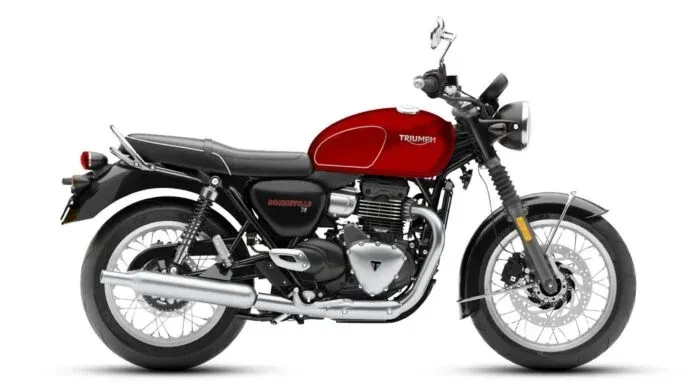
The global motorcycle industry is undergoing a paradigm shift as heritage brands increasingly target displacement segments traditionally dominated by commuter and utility models. A striking example of this strategy unfolded as iconic British motorcycle manufacturer Triumph officially introduced the all-new Triumph Bonneville T4 to the Indian market. Positioned as the most accessible entry point into the legendary Bonneville family within the South Asian subcontinent, the motorcycle captured immediate industry attention not only for its classic styling and refined 350cc powerplant, but remarkably for its aggressive pricing strategy. Priced at 254,999 Indian Rupees—approximately equivalent to Rp 47.2 million—the motorcycle debuts at a price point closely mirroring premium automatic maxi-scooters in Southeast Asian markets, specifically hovering just around Rp 4 million higher than the top-tier Honda ADV 160 variant sold in Indonesia.
This aggressive market positioning highlights a broader manufacturing and commercial evolution engineered through Triumph’s strategic partnership with Indian manufacturing giant Bajaj Auto. By leveraging local production capabilities within the subcontinent, Triumph has successfully bypassed heavy import tariffs, enabling the iconic marque to democratize British heritage design and engineering for a broader demographic of riders. As the order books officially opened and delivery schedules locked in for early the following year, automotive analysts have begun evaluating the ripple effects of this release on the global sub-400cc motorcycle segment.
Design Heritage Meets Modern Accessibility
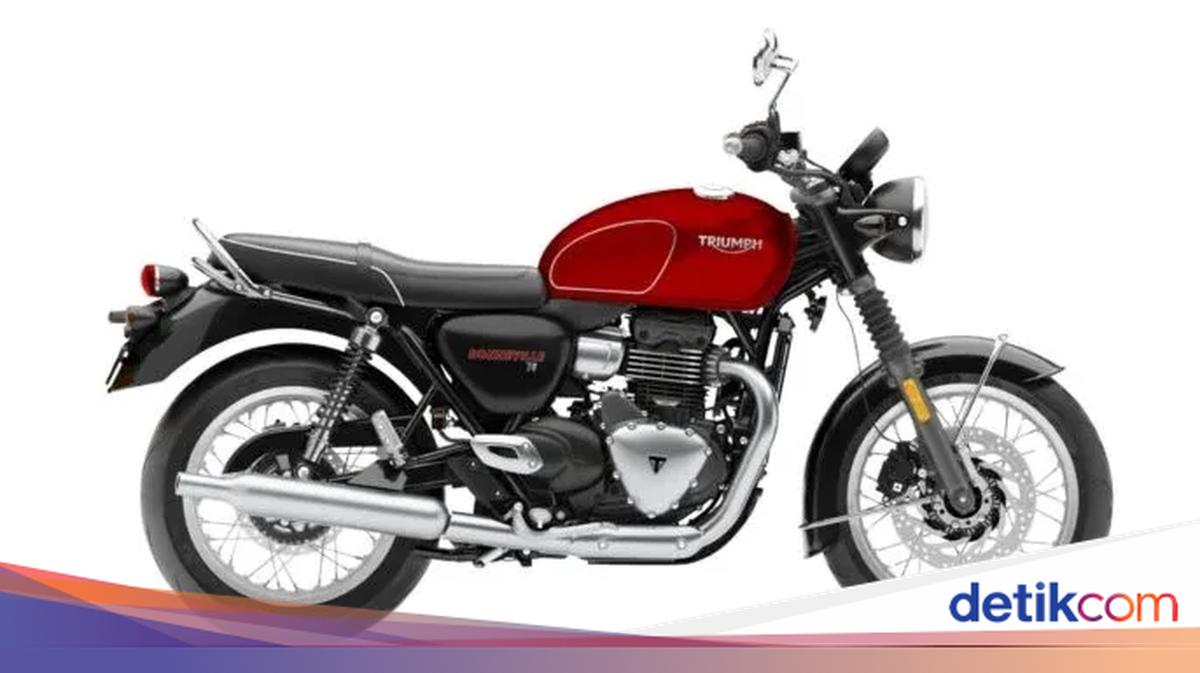
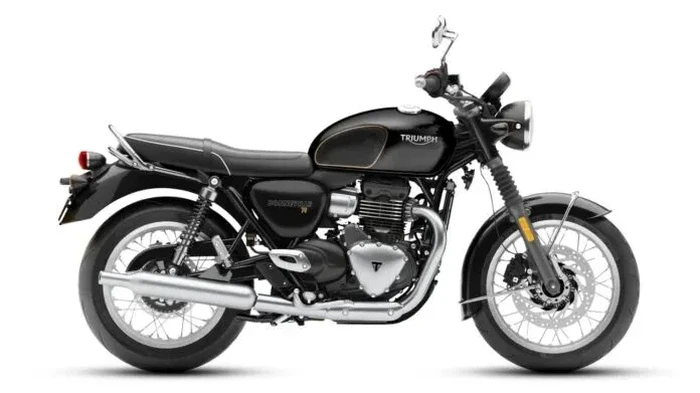
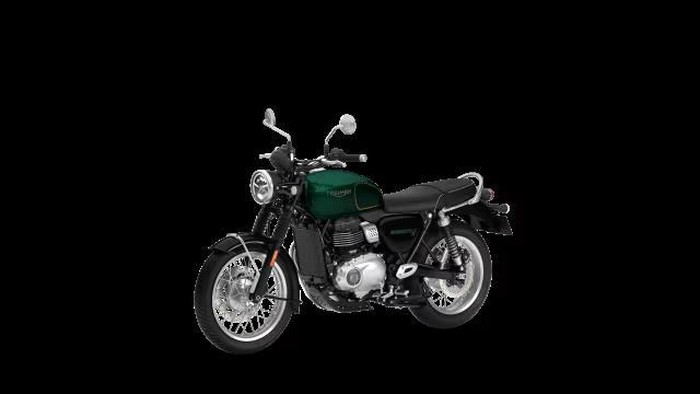
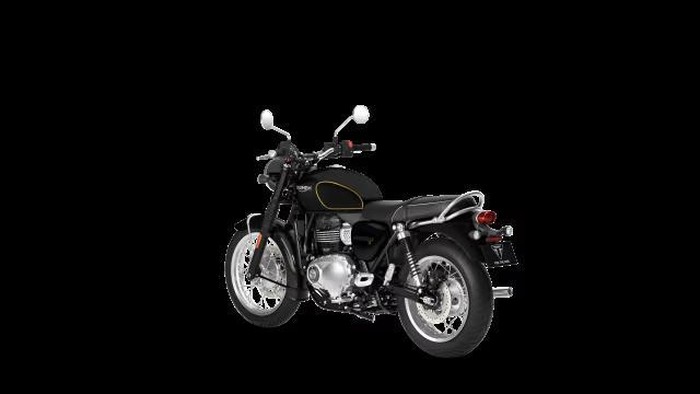
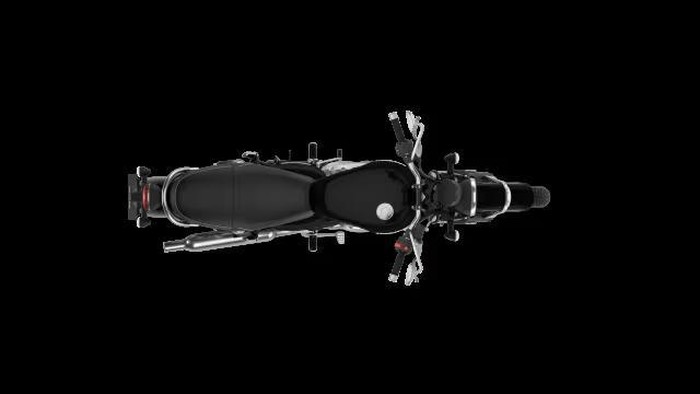
Despite its positioning as an entry-level offering, the Triumph Bonneville T4 refuses to compromise on the aesthetic lineage that has defined the Bonneville nameplate for generations. Visual inspections reveal a faithful preservation of timeless British motorcycle styling cues. The front fascia is anchored by a quintessential round headlamp, complemented by a teardrop-shaped fuel tank that evokes mid-century motorcycling nostalgia. Traditional wire-spoke wheels, dual rear shock absorbers, and classic peashooter exhaust silencers further reinforce its vintage silhouette, ensuring that riders purchasing the most affordable variant in the Indian lineup do not sacrifice the road presence associated with larger displacement Triumph machines.
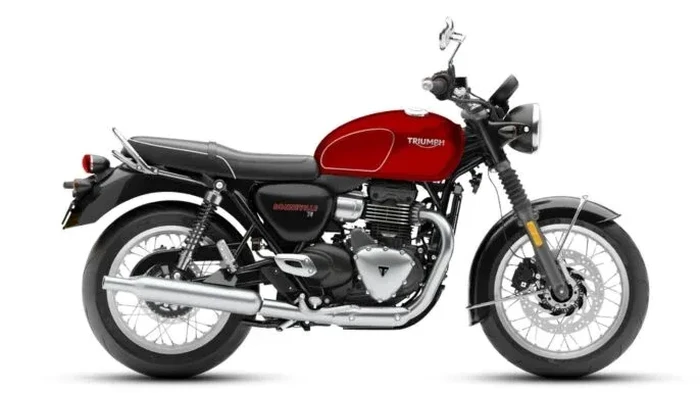
Beneath the classic exterior, however, ergonomic and structural adaptations have been carefully engineered to appeal to a wider audience, including novice and urban riders. Triumph has prioritized approachability by designing a notably low saddle profile. Through the implementation of available accessory options such as a low seat configuration, the overall saddle height of the Bonneville T4 can be dropped to an accessible 770 millimeters. This low center of gravity, paired with lightweight componentry throughout the chassis, ensures that the motorcycle remains remarkably nimble and easy to handle, particularly during low-speed urban maneuvers and stop-and-go traffic conditions.
Powertrain Engineering and Performance Dynamics
At the mechanical heart of the Triumph Bonneville T4 lies a purpose-built single-cylinder engine originating from the manufacturer’s modern TR Series. Displacing 350cc, this liquid-cooled powerplant is tuned specifically to deliver tractable, rider-friendly performance suited for daily commuting as well as leisurely weekend excursions. The engine generates a respectable maximum power output of 29 metric horsepower (PS) arriving at 7,000 revolutions per minute, accompanied by a peak torque figure of 31 Newton-meters (Nm) delivered lower in the rev range at 5,500 rpm.
Engineers intentionally shaped the torque curve of the T4 to emphasize low-end and mid-range responsiveness rather than peak high-RPM tracking. This mechanical philosophy ensures that riders experience effortless acceleration from a standstill without needing to aggressively manipulate the gearbox. Furthermore, the integration of modern electronic rider aids elevates the safety and technological value proposition of the machine. The Bonneville T4 comes equipped with a modern full-color LCD instrument cluster, turn-by-turn navigation capabilities, selectable riding modes tailored for varying traction conditions, and a dual-channel Anti-lock Braking System (ABS) as standard equipment.
Strategic Manufacturing and the Bajaj Auto Partnership
The remarkably competitive pricing structure of the Triumph Bonneville T4 is not an isolated market anomaly, but rather the direct fruit of a long-term industrial alliance between Triumph Motorcycles and Bajaj Auto. Established years prior to facilitate the joint development and local manufacturing of mid-capacity motorcycles, this collaboration has transformed India into a global production hub for Triumph’s sub-500cc portfolio.
By manufacturing machines like the Speed 400, Scrambler 400X, and now the Bonneville T4 directly within Bajaj’s advanced production facilities in India, Triumph has neutralized the prohibitive logistics and taxation costs that traditionally plague imported completely built-up (CBU) motorcycles. This localized manufacturing paradigm enables the British brand to achieve economies of scale previously unavailable to heritage European manufacturers operating exclusively out of domestic Western plants. Consequently, vehicles built through this joint venture maintain stringent global quality control standards while achieving price competitiveness that rivals domestic entry-level products.
Chronology and Commercial Rollout
The commercial introduction of the Triumph Bonneville T4 followed a carefully orchestrated corporate timeline designed to maximize market anticipation. The official unveiling and price announcement took place in early October, setting off an immediate wave of consumer interest across automotive media channels.
Order books for the new 350cc classic roadster officially opened on October 7, precisely at 4:30 PM local time across authorized dealership networks throughout India. Response from the market was swift, reflecting pent-up demand for affordable yet premium-badged retro motorcycles. Following the initial booking window, Triumph and its manufacturing partner established a structured production ramp-up, with the first wave of customer deliveries officially scheduled to commence during the second week of January. This timeline allows the manufacturing plants to build sufficient inventory to meet anticipated high-volume initial demand.
Market Implications and Global Competitive Landscape
The launch of the Triumph Bonneville T4 carries significant analytical implications for the global motorcycle market, particularly regarding cross-segment competition. By pricing a dedicated 350cc motorcycle from a prestigious European heritage brand at a level comparable to premium 150cc to 160cc automatic maxi-scooters—such as the price differential observed against the Honda ADV 160 in Southeast Asian markets—Triumph has forced a reevaluation of what consumers expect from entry-level vehicle budgets.
For urban commuters and enthusiast riders alike, the availability of a full-fledged manual-transmission motorcycle featuring ABS, traction management, and robust styling at the price of a high-end commuter scooter represents a compelling value proposition. While the Bonneville T4 is currently tailored primarily for the Indian domestic market and select international export regions where localized production grants competitive pricing advantages, industry observers are closely monitoring whether similar economic frameworks could eventually introduce the model to neighboring Asian and global markets.
Ultimately, the Triumph Bonneville T4 underscores a broader industry trend where legacy brands successfully bridge the gap between premium heritage styling and mass-market affordability. By combining traditional British design ethos with strategic emerging-market manufacturing, Triumph has established a formidable benchmark in the entry-level classic motorcycle segment, setting a standard that competitors will undoubtedly seek to challenge in the years ahead.